News
Company News

Truck Tarpaulin for European Trailer Manufacturers | DERFLEX

Update:2026/9/27 18:10:02 Views:
European Trailer OEM · Curtain-Side Systems · PVC Coated Polyester

Truck Tarpaulin for European Trailer Manufacturers

DERFLEX supplies specification-driven PVC truck tarpaulin and curtain-side trailer fabric for European trailer manufacturers, body builders, curtain fabricators and fleet programs that need consistent roll quality, weldability, printability and road-duty performance—not a generic cover sheet.

  • 650–900gsm PVC coated polyester options
  • 1000D-class high-tenacity base structures available
  • 1.02–3.20m roll-width direction for fabrication
  • Hot-air and HF welding compatible structures
  • UV, lacquer, low-temperature and FR directions
  • OEM color, print surface, roll and panel supply
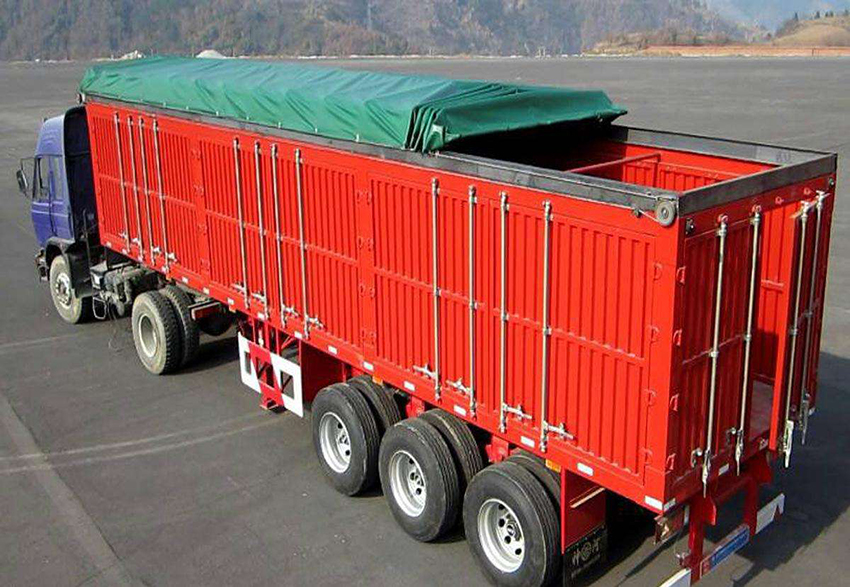
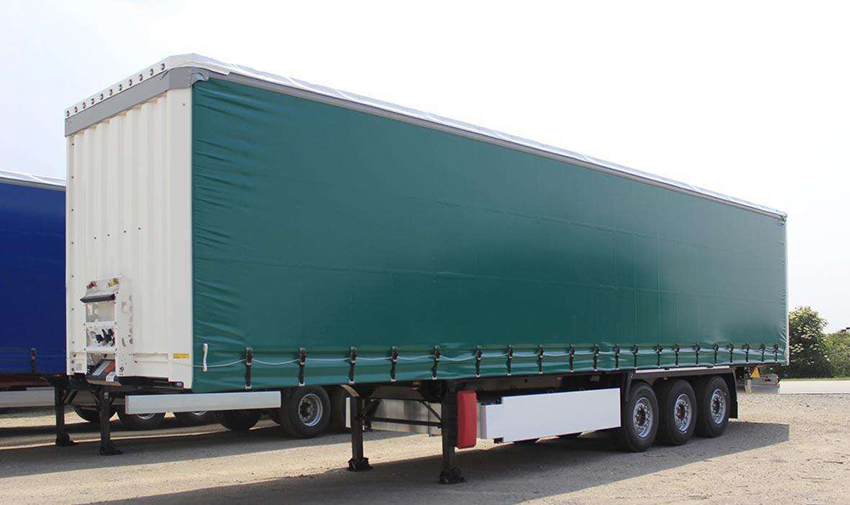
Green curtain-side semi trailer using PVC truck tarpaulin for European trailer manufacturing
Trailer-side curtain material engineered around the finished system

Fabric weight is only one input. Curtain geometry, attachment, reinforcement, welding, climate and load-security requirements must be confirmed before bulk approval.

650–900gsmCurrent DERFLEX curtain-fabric range direction
-30°C to +70°CTypical published temperature direction; colder projects require validation
1.02–3.20mCommon width range with custom roll planning
OEM ReadyColor · finish · print · packing · repeat supply
Direct Answer

What truck tarpaulin should a European trailer manufacturer specify?

For curtain-side semi-trailers, the normal starting point is a high-tenacity polyester textile coated on both sides with flexible PVC, selected for tensile strength, tear resistance, dimensional stability, weldability, weather resistance and repeated opening cycles. Heavy-duty European curtain programs often evaluate 850–900gsm constructions, while 650–750gsm grades can suit standard-duty curtains where lower mass and easier handling are priorities.

GSM alone is not a compliance specification. A European trailer OEM must also define the curtain attachment, reinforcement, welding method, buckle or tensioning geometry, climate range, print system and required load-security validation. EN 12641-2 addresses minimum requirements for curtainsider tarpaulin strength and attachment; EN 12642 Code XL concerns the load-securing performance of the vehicle body system. A fabric roll by itself should not be described as making a trailer “Code XL.”

OEM Procurement Logic

European Trailer Tarpaulin Is a System Material, Not a Commodity Sheet

A curtain-side trailer works as a moving vehicle sidewall. The material must survive road vibration, wind pressure, sliding cycles, buckle tension, local abrasion, rain, UV exposure, cleaning and fabrication while still presenting a stable surface for fleet graphics.

01

Mechanical Stability

The textile base and coating must hold tension without excessive distortion. For large trailer curtains, tensile strength, tear propagation, coating adhesion and dimensional stability matter more than nominal GSM alone.

02

Fabrication Reliability

European body builders need material that welds consistently in hems, vertical reinforcement zones, pocket sections, buckle areas and repairs. A technically strong roll that fabricates poorly still creates production risk.

03

Repeat-Order Consistency

OEM programs require repeatable color, width, surface, weight and welding behavior. The purchasing problem is not one successful sample—it is maintaining the approved specification over multiple production batches.

Specification Snapshot

DERFLEX Truck Tarpaulin Range for Trailer OEM Programs

The values below are current published DERFLEX reference directions for truck side curtain material. Final values must be confirmed against the selected construction, test method and finished trailer system before approval.

ParameterDERFLEX Reference DirectionEuropean Trailer Buyer Note
Product typePVC coated polyester truck tarpaulin / curtain-side trailer fabricSpecify whether the purchase is roll material, cut panels or a finished curtain program.
Base textile1000D × 1000D high-tenacity polyester or project-specific structureWeave and yarn construction should be tied to tensile, tear and dimensional-stability requirements.
Weight650, 750, 850, 900gsm or custom900gsm is a common heavy-duty direction for side curtains; do not select only by weight.
ThicknessApprox. 0.55–0.85mm depending on constructionConfirm thickness tolerance with the approved sample and coating route.
Width1.02–3.20m; custom width and roll format availableWider material may reduce seams, but roll handling and printing equipment must also be considered.
Tensile strengthTypical reference 2500 × 2200 N/5cm; higher-strength structures can be developedDefine test method and minimum acceptance values on the technical specification.
Tear strengthTypical reference 300 × 280 N; higher-tear structures availableCritical near buckles, vertical posts, cargo contact points and damaged edges.
Temperature direction-30°C to +70°C typical published directionNorthern European or winter routes should request a dedicated low-temperature formulation and validation.
SurfaceGlossy, matte, embossed, lacquered, printable, anti-UV directionSurface choice affects cleanability, print adhesion, fleet appearance and friction behavior.
ProcessingHot-air welding, high-frequency welding, cutting, hems and reinforced zonesApprove welding parameters on production equipment before mass conversion.
Optional performanceUV resistance, anti-mildew, low-temperature, FR, anti-wicking and lacquer optionsDocumentation and test requirements should be written into the PO and approval plan.

Important: published reference values do not replace an agreed OEM data sheet, approved sample, inspection plan or finished-curtain compliance test.

Protective Surface FinishLacquer / printable finish / UV direction / cleanability
Flexible PVC Coating — Face SideWeather barrier, color, abrasion and print interface
High-Tenacity Polyester Base FabricThe structural textile carrying tensile and tear loads
Flexible PVC Coating — Reverse SideWaterproofing, weldability and coating balance
Project-Specific TreatmentLow-temperature, anti-wicking, FR or other approved option
Material Construction

Design the coating system around trailer operation

A European truck curtain is repeatedly tensioned, released, folded, slid and cleaned. The polyester base provides the mechanical backbone; the PVC layers provide weather protection and a weldable surface; the top finish influences print quality, dirt pickup, UV exposure and appearance.

Why coating adhesion matters

Welded hems and reinforcement patches transfer local loads through the coating. Weak adhesion can allow delamination around stressed areas even when the base textile itself is strong. For OEM approval, adhesion and weld-peel behavior should be evaluated alongside tensile and tear tests.

Why dimensional stability matters

A curtain that elongates too much can become difficult to tension, look wavy after installation or shift around hardware. Stable base construction and balanced coating help the curtain remain easier to fabricate and fit across repeat production.

European Specification Context

EN 12641-2, EN 12642 Code XL and Material Tests Are Not the Same Thing

One of the most common sourcing mistakes is treating a fabric specification, a finished sliding curtain and a certified trailer body as if they were the same compliance claim.

EN 12641-2:2019

Curtainsider Tarpaulin Requirements

This European standard specifies minimum requirements for the strength and attachment of tarpaulins used as curtainsiders on intermodal loading units and commercial vehicles. It concerns the curtain and attachment concept—not merely the PVC roll weight.

EN 12642 Code XL

Vehicle Body Load-Securing Performance

Code XL relates to the strength of the complete commercial vehicle body. A base fabric cannot make the whole trailer Code XL by itself; the curtain, reinforcements, tensioning system, frame and body configuration must work together and be validated.

Project Tests

Material & Production Evidence

OEM buyers may also request test evidence for tensile, tear, coating adhesion, low-temperature flexibility, burning behavior, chemical compliance or weathering. The exact test list should be agreed before sample approval.

DERFLEX procurement note: tell us the required European standard, finished-curtain design and test method at RFQ stage. DERFLEX can discuss project-specific material construction, documentation and third-party testing direction. Do not rely on a generic “European standard” statement without the exact requirement.
Selection Matrix

Match the Tarpaulin to the Trailer Program

The most reliable specification starts with operating conditions and finished-system design, then works backward to fabric weight, base textile, coating and reinforcement.

Standard Curtain-Side Semi-Trailer

Balanced Duty

  • 650–750gsm can be evaluated for standard fleet curtains.
  • Prioritize flexibility, printability and repeatable welding.
  • Confirm tear strength around common contact and buckle areas.

Heavy-Duty / Long-Haul Trailer

850–900gsm Direction

  • Useful when durability is more important than minimum material weight.
  • Evaluate higher tensile and tear structures.
  • Add reinforcement where load paths concentrate.

Northern Europe / Winter Routes

Cold-Climate Validation

  • Do not assume standard flexibility is sufficient below the intended service temperature.
  • Request a low-temperature formulation and cold-flex verification.
  • Approve folding and welding behavior after conditioning.

High-Visibility Fleet Graphics

Printable Surface

  • Specify printing technology before selecting lacquer and surface finish.
  • Control color batch consistency for fleet replacement panels.
  • Test ink adhesion, cleaning and flexing on the approved material.

EN 12641-2 / Load-Securing Curtain Project

System Approval Required

  • Define finished curtain attachment and reinforcement—not fabric weight alone.
  • Higher-strength material may be required.
  • Validate the final curtain configuration to the required standard.

Anti-Theft / Anti-Vandal Program

Separate Engineering Layer

  • Base PVC fabric is not automatically anti-cut.
  • Specify dedicated anti-vandal reinforcement or security structure as a separate requirement.
  • Confirm the effect on welding, weight and curtain handling.
Weight Comparison

650 vs 750 vs 900gsm Truck Curtain Fabric

Use GSM as a practical starting filter, then compare base yarn, weave, tensile, tear, coating adhesion, flexibility and finished-system performance.

Grade DirectionMain AdvantageTrade-OffTypical OEM Use
650gsm classLower mass, easier folding and handlingLower mechanical reserve than heavier constructionsStandard curtains, regional delivery fleets, projects prioritizing handling
750gsm classBalanced durability and handlingStill requires reinforcement in high-stress finished zonesGeneral logistics curtains and mid-duty trailer programs
850–900gsm classMore robust heavy-duty direction and stronger body feelMore material weight and potentially stiffer handlingLong-haul, premium OEM, heavy-use fleets, stronger curtain programs
Product & Application Images

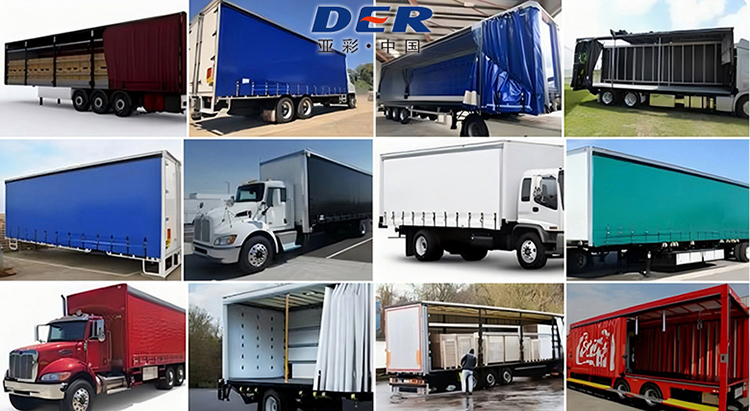
Truck Curtain Fabric in Real Trailer Configurations

Real application photography helps procurement, engineering and production teams align on how the material will be tensioned, opened, printed and exposed on road.

Engineering & Fabrication Notes

Six Details That Determine Whether a Truck Curtain Works in Production

The same base roll can perform very differently depending on how the curtain is welded, reinforced, tensioned and attached.

W

Welding Window

Approve hot-air or HF welding parameters on the actual OEM equipment. Check seam appearance, peel behavior and heat effect on lacquer before bulk conversion.

R

Reinforcement Layout

Vertical straps, horizontal bands, corner patches and buckle zones should follow real load paths. Reinforcement must be designed with the curtain geometry rather than added randomly after failure.

T

Tension & Hardware

Top rollers, Keder or attachment track, front/rear tensioners, bottom buckles and straps determine how evenly loads enter the curtain. Misaligned hardware can create local tears even with strong material.

A

Abrasion Zones

Rail contact, vertical posts, pallet edges, buckles and folded curtain stacks are frequent wear points. Use sacrificial wear strips or reinforced patches where the system creates repeated friction.

P

Printing & Lacquer

Confirm solvent, eco-solvent, UV, latex or screen-print direction before choosing the finish. Print compatibility and cleanability should be tested on the approved surface.

C

Climate Formula

UV level, winter temperature, humidity and cleaning chemistry influence coating life. For cold routes, specify low-temperature requirements before the material formula is frozen.

OEM Approval Workflow

From RFQ to Repeatable European Trailer Production

A disciplined approval process reduces rework, prevents ambiguous specifications and protects repeat orders from uncontrolled material changes.

Requirement Review

Confirm trailer type, curtain size, target market, climate, welding, printing, standards and volume.

Material Match

Select base textile, GSM, coating, surface, optional UV/FR/low-temperature direction and roll width.

Sample Approval

Review color, surface, weight, weldability, printability and agreed test targets on the actual production process.

Bulk QC

Control width, roll length, weight, coating appearance, batch color, mechanical properties and packaging to the approved specification.

Repeat Supply

Use the approved sample and written data sheet as the reference for reorders, change control and complaint analysis.

Procurement Risk Control

Common Mistakes European Trailer Buyers Should Avoid

Buying only by GSM

Two 900gsm fabrics can differ in yarn, weave, coating distribution, adhesion, tear behavior and cold flexibility. Always specify measurable performance and processing requirements.

Calling a fabric “Code XL” without system evidence

Code XL is a body-system performance concept. Require the proper finished curtain/body validation rather than relying on a roll-level marketing statement.

Approving a color but not a welding process

A visually correct sample may still weld poorly on production machinery. Approve seam construction and process parameters before placing a high-volume order.

Ignoring cold-route service conditions

A material that performs well in mild climates may become too stiff in winter service. Put minimum service temperature and test method into the RFQ.

Leaving reinforcement to the last step

Strap, buckle, edge and wear reinforcement should be part of the engineering drawing. Reactive patching increases weight and does not always solve the real load path.

No golden-sample / change-control rule

Repeat supply is easier to manage when both parties hold an approved sample and written technical specification, with changes requiring documented approval.

Buyer Checklist

Information to include before quotation

1. Trailer typeCurtainsider, swap body, truck body, replacement curtain or other system.
2. Finished dimensionsCurtain length, height, top attachment and bottom hardware spacing.
3. Target materialGSM, yarn/weave preference, thickness or benchmark reference.
4. Mechanical targetsTensile, tear, adhesion and other acceptance criteria with test methods.
5. European requirementEN 12641-2, body Code XL context, burning behavior or other project standard.
6. ClimateLowest and highest temperature, UV exposure, humidity and route profile.
7. ProcessingHot-air / HF welding, printing technology, reinforcement and cutting workflow.
8. AppearanceRAL/Pantone color, gloss/matte, embossing, lacquer and fleet branding.
9. Supply formRolls, cut panels, semi-finished welded panels or project-specific format.
10. Commercial planSample quantity, pilot order, monthly/annual demand, packing and destination port.
Why DERFLEX

A factory partner for specification-driven trailer programs

European OEM sourcing requires more than a price per square meter. DERFLEX supports the technical conversation around material structure, coating, width, finish, welding, printability, inspection and repeat supply.

  • Custom GSM, width, color, lacquer and surface development.
  • Roll material, cut panel and project-based curtain supply direction.
  • Sample review for color, surface, welding and print compatibility.
  • Batch inspection and export packing for repeat-order programs.
  • Project discussion for REACH/RoHS-related documentation, FR direction and third-party testing.
  • Technical communication for trailer builders, body manufacturers, converters and distributors.

Best fit: European trailer manufacturers, commercial vehicle body builders, curtain fabricators, fleet replacement programs and importers that need a controlled OEM specification rather than anonymous stock fabric.

Curtain side trailer using DERFLEX PVC coated polyester truck tarpaulin
Frequently Asked Questions

Truck Tarpaulin Questions from European Trailer OEM Buyers

What is the best truck tarpaulin weight for a European curtain-side trailer?

There is no single best GSM. DERFLEX currently offers curtain-side directions from 650 to 900gsm. Standard-duty programs may use 650–750gsm, while demanding long-haul or heavy-duty projects often evaluate 850–900gsm. The final choice should be based on tensile strength, tear strength, attachment, reinforce, ment, welding, climate and finished-system requirements.

Does 900gsm truck curtain fabric automatically comply with EN 12641-2?

No. Weight alone does not establish compliance. EN 12641-2 concerns minimum requirements for the strength and attachment of curtainsider tarpaulins. The finished curtain construction, attachment and reinforcement must be considered and validated against the required standard.

Is EN 12641-2 the same as EN 12642 Code XL?

No. EN 12641-2 focuses on curtainsider tarpaulin strength and attachment. EN 12642 Code XL concerns the load-securing performance of the complete vehicle body. A material supplier should not claim that a fabric roll alone makes a trailer Code XL.

Can DERFLEX supply low-temperature truck tarpaulin for Northern Europe?

DERFLEX publishes a typical truck side curtain direction of approximately -30°C to +70°C and can discuss low-temperature options. If your route requires lower-temperature performance, state the minimum service temperature and requested test method so the project can be matched and validated before bulk approval.

Can the fabric be hot-air welded or high-frequency welded?

Yes. DERFLEX truck side curtain tarpaulin can be selected for hot-air and high-frequency welding. OEM buyers should still approve the exact welding parameters, seam design and peel performance on their production equipment before mass conversion.

Can DERFLEX provide printable curtain fabric for European fleet branding?

Yes. Surface directions include glossy, matte, embossed, lacquered and printable options. The correct finish should be selected according to solvent, eco-solvent, UV, latex or screen-printing requirements, followed by print-adhesion and cleaning tests on the approved sample.

What should a trailer manufacturer send to get an accurate quotation?

Send the trailer type, curtain dimensions, target GSM or mechanical values, roll width, color, surface finish, printing method, welding process, reinforcement concept, required European standards or tests, quantity plan, packing requirement and destination port.

Build a truck curtain specification around your trailer—not around a commodity GSM.

Send DERFLEX your trailer drawing, finished curtain dimensions, target mechanical values, welding method, climate requirement and European compliance target. We will help you narrow the material structure before you approve samples and bulk production.

  • Specification review before quotation
  • OEM color and surface development
  • Welding / print compatibility discussion
  • Sample approval and repeat-order control
  • Export packing and documentation coordination
Consulting Services
+86-021-54361792 / 54361798
Email
sales@derflex.com