
Rain, Dust & Splash
For travel, camping, commuting, beach, promotional and general outdoor storage where the bag is not intended for prolonged underwater use.
- Roll-top or covered opening
- Welded or seam-sealed body
- Lightweight to medium shell options



Develop custom waterproof dry bags around the actual exposure level, carrying load, closure system and retail positioning—not a one-size-fits-all catalog. DERFLEX supports PVC, TPU and lightweight coated-textile directions for roll-top bags, backpacks, duffels, floating bags and private-label projects.
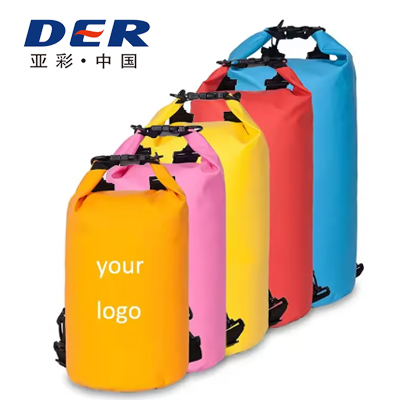
Searches for waterproof dry bags often mix very different products: a compact inner-pack dry sack, a 20-liter kayaking bag, a high-capacity marine duffel, a motorcycle backpack and a zippered equipment case. They may all look “waterproof,” yet they face different pressure, abrasion, handling and access requirements.
For B2B buyers, the practical starting point is the exposure scenario. Rain and splash protection can often be achieved with a correctly designed roll-top and welded body. Repeated deck use may require a heavier shell, reinforced base and better strap anchoring. Temporary submersion requires a more demanding closure and a defined finished-product test. A waterproof fabric specification alone does not create an IP rating for the completed bag.
DERFLEX approaches custom waterproof dry bags from the material outward. The coated textile, seam method, buckle geometry, strap load path, surface finish, logo process and packing method are reviewed as one product program. This helps importers, outdoor brands, marine suppliers and promotional buyers avoid paying for features they do not need—or under-specifying areas that influence returns and field performance.
Final wording and product claims should follow the completed bag’s validated construction and test method.
For travel, camping, commuting, beach, promotional and general outdoor storage where the bag is not intended for prolonged underwater use.
For kayaking, fishing, rafting, wet decks, marine transport and repeated outdoor handling where abrasion and closure discipline matter.
For sensitive equipment or specialist use requiring a defined depth-and-time test on the finished bag rather than a general marketing statement.
Each direction can be developed from an existing concept, reference sample, technical drawing or agreed functional brief.
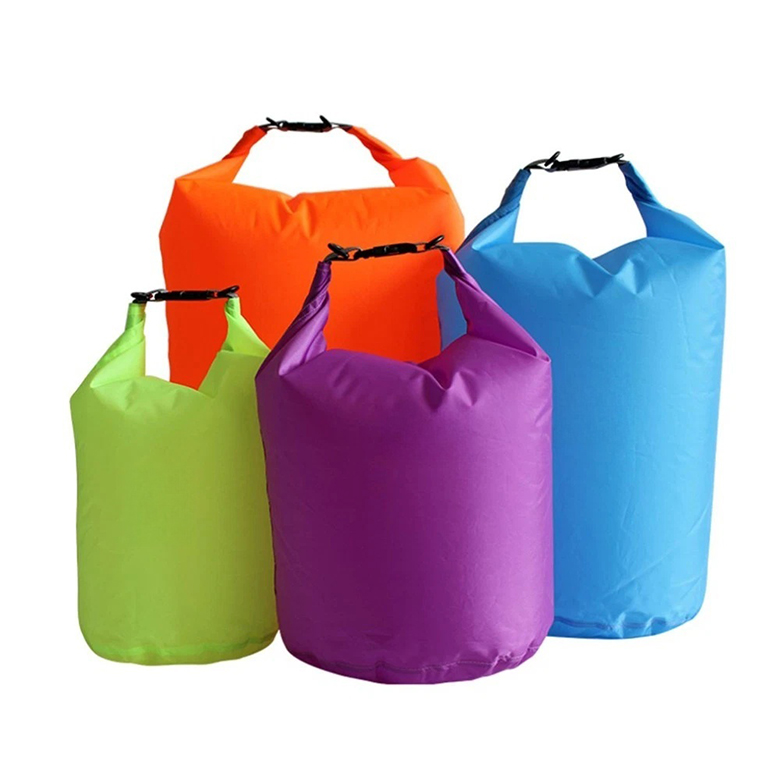
Compact waterproof dry sacks through larger gear bags for paddling, camping, beach, fishing, travel and promotional ranges.
Roll-top or selected zipper constructions with padded shoulder systems, sternum straps, external lash points and reinforced bottoms.
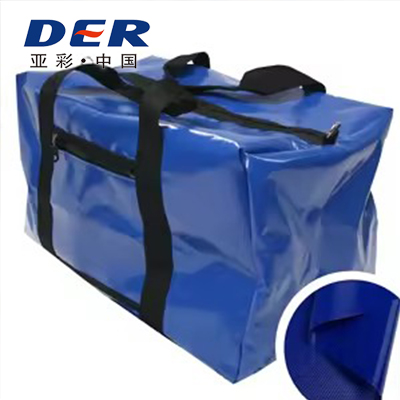
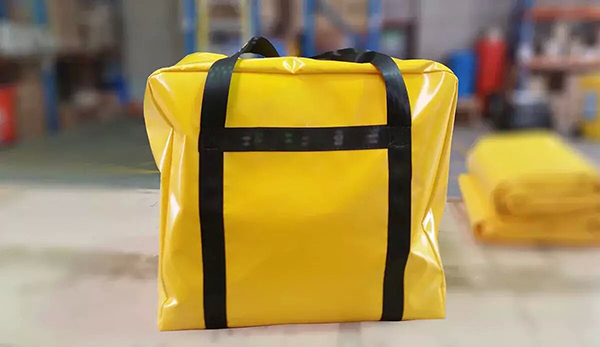
Wide-opening gear storage for marine equipment, rescue kits, wet clothing, expedition transport and commercial use.
Structured pouches and equipment cases developed around selected waterproof zipper systems, reinforced panel geometry and defined leakage testing.
High-visibility waterproof dry bags for swimmers, rental operators, boating and water activities where buoyancy direction and attachment details require validation.
Material selection is important, but performance weak points usually appear where different components meet.
PVC coated polyester supports rugged, process-friendly commercial programs. TPU coated nylon or polyester supports lighter, flexible and premium directions. Lightweight coated textiles reduce packing volume for lower-abrasion applications.
HF welding, hot-air welding, ultrasonic welding and sewn-plus-taped structures have different process windows. Actual machine trials should confirm seam width, speed, pressure, temperature and peel performance.
Roll-top closures are practical for rain, spray and short accidental water contact when used correctly. Submersion targets generally require a suitable waterproof zipper or specialized sealed closure and product-level testing.
Shoulder straps, handles, lash tabs, valves, windows and pockets can create stress or water-entry paths. Reinforcement shape and load direction should be reviewed before sampling.
The ranges below are sourcing references. Final properties depend on base cloth, coating system, surface finish, thickness and test method.
| Selection Point | PVC Coated Polyester | TPU Coated Nylon / Polyester | Lightweight Coated Textile |
|---|---|---|---|
| Typical Positioning | Durable, cost-controlled waterproof dry bags, fishing bags, marine duffels and promotional programs. | Premium dry bags, flexible backpacks, cold-weather gear and technical outdoor products. | Pack organizers, hiking dry sacks, travel pouches and products where low weight and compact storage matter. |
| Common Feel | Firm to soft depending on formula, thickness and embossing. | Usually softer folding and more refined hand feel for comparable structures. | Thin, pliable and highly packable, with lower structural body. |
| Common Range for Discussion | Approx. 300–900gsm / 0.35–1.0mm. | Approx. 180–650gsm / 0.15–0.8mm. | Approx. 100–350gsm depending on base textile and coating. |
| Processing Direction | Often evaluated for HF and hot-air welding; printing and embossing options are widely used. | Hot-air, ultrasonic or HF welding may be evaluated according to TPU structure and equipment. | Sewing plus seam tape or selected welding methods, depending on coating and bag design. |
| Buyer Priority | Durability, structure, surface appearance and commercial cost control. | Lower weight, flexibility, cold performance and premium positioning. | Minimal packed volume, lightweight carry and organized storage. |
| Before Bulk Production | Approve a physical material sample, confirm weld settings, evaluate folding behavior, test logo adhesion and validate the completed bag against its intended claim. | ||
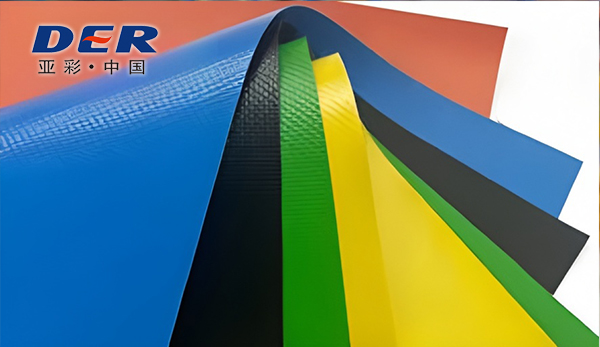
The image layout can be replaced later with your latest samples while keeping the page structure unchanged.
These parameters are intended to start a technical conversation, not replace a final approved specification.
| Project Item | Typical Options for Discussion | Buyer Decision |
|---|---|---|
| Bag Format | Roll-top sack, backpack, duffel, zippered case, floating or swim bag. | Confirm use, access speed, carrying method and target retail channel. |
| Capacity | Approx. 2L–100L+ depending on pattern and product type. | Define usable volume after closure rolls, internal organization and load shape. |
| Shell Material | PVC coated polyester, TPU coated nylon/polyester or lightweight coated textile. | Balance abrasion, weight, feel, folding behavior, process and budget. |
| Closure | Roll-top, selected waterproof zipper, covered zipper or project-specific closure. | Match the closure to the intended water exposure and test claim. |
| Carry System | Handle, removable shoulder strap, webbing harness, padded backpack straps or waist attachment. | Specify load, wearing duration, hardware and reinforcement requirement. |
| Seam Method | HF welding, hot-air welding, ultrasonic welding, sewn plus seam tape or mixed construction. | Confirm with actual production equipment and seam geometry. |
| Surface & Color | Matte, glossy, embossed, smooth, transparent panel, custom color or printed graphics. | Approve physical color and finish under agreed lighting conditions. |
| Branding | Screen print, transfer print, patch, label, molded logo or packaging artwork. | Test logo adhesion, abrasion, folding and color contrast on the chosen surface. |
| Packaging | Bulk carton, individual bag, paper sleeve, retail box, instruction card or private-label packing. | Confirm target market labels, carton dimensions and barcode requirements. |
Visual customization supports brand differentiation, while technical customization supports the actual use environment.
Base textile, coating type, weight, thickness, softness, reinforcement layer and transparent window options.
Standard or custom color direction, matte or glossy finish, embossing, texture and contrast panels.
Screen print, transfer print, patches, labels, molded marks and project-specific branding trials.
Buckles, webbing, straps, handles, lash points, D-rings, shoulder pads and backpack harnesses.
Clear windows, drain concepts, internal pockets, valves, compression straps, reinforced bases and reflective elements.
Individual packing, inserts, instruction cards, cartons, labels and private-label presentation for wholesale or e-commerce.
The page is written for buyers comparing product fit, , material direction and OEM readiness—not only for retail consumers looking for a single bag.
Private-label dry sacks, hiking organizers, roll-top bags, waterproof backpacks and seasonal color programs.
Kayak bags, rafting gear, boat storage, deck bags, duffels and high-visibility waterproof storage.
Fishing dry bags, tackle storage, wet gear bags, boat-deck equipment bags and waterproof backpacks.
Logo dry bags for events, tourism, water parks, clubs and branded outdoor campaigns.
Equipment storage, wet-weather kits, emergency response, field documentation and specialist protection briefs.
Waterproof dry bags wholesale programs requiring repeatable color, packaging, specification and shipment planning.
A responsible test plan follows the actual product, use scenario and market claim. The list below can be adapted to the agreed specification.
| Test Area | Why It Matters | Possible Check |
|---|---|---|
| Fabric Barrier | Confirms the shell material’s resistance to water penetration. | Hydrostatic pressure or another agreed material-level method. |
| Welded Seam | Weak seams can leak even when the shell fabric performs well. | Seam peel, burst, visual continuity and leakage checks. |
| Closure Function | The opening is often the most critical water-entry path. | Repeated roll-top cycling, zipper operation and defined depth/time exposure. |
| Strap & Handle Load | Wet gear can create higher loads and stress at attachment points. | Static load, repeated pull or project-specific carry test. |
| Abrasion & Folding | Decks, sand, transport and repeated packing can damage coating surfaces. | Abrasion test, repeated fold, cold fold and visual inspection. |
| Color & Branding | Printed marks and bright colors may face UV, rubbing and repeated flexing. | Adhesion, rub, colorfastness and accelerated weathering where relevant. |
| Finished-Bag Claim | An IP or submersion statement applies to the complete product, not only the fabric. | Use a defined finished-product method, sample quantity, depth, time and pass criteria. |
Many dry bag pages begin with colors and capacities. DERFLEX begins with the material-process fit because that determines welding behavior, hand feel, surface durability, print compatibility and repeat-order consistency.
Send Your SpecificationPVC, TPU and coated-textile options support different weight, performance and price positions.
Recommendations consider HF, hot-air, ultrasonic, sewing and seam-sealing compatibility.
Material, weld, logo, fold and finished-bag details can be checked before bulk production.
Color, matte or glossy finish, texture, embossing and print surface can be discussed.
Project specifications, packing details and applicable material-level test documents can be coordinated.
Approved samples and defined specifications help reduce uncontrolled variation between production runs.
A clear project brief makes material matching, sampling, costing and production planning more efficient.
Exposure level, load, capacity, carrying method, target user and retail channel.
Choose PVC, TPU or lightweight textile; closure, seam method and reinforcement direction.
Confirm dimensions, color, finish, logo, hardware, straps and packaging details.
Review welding, leakage, load, abrasion, fold, branding and finished-bag claims.
Lock the approved sample, written specification, QC points, packing and shipment plan.
These six internal pages connect finished-product planning with material comparison and application-specific sourcing.
General PVC, TPU and coated-textile material routes for dry bags, backpacks and marine gear.
Durable PVC coated polyester for rugged, welded and cost-controlled dry bag programs.
Flexible TPU coated textile for lightweight, premium and cold-weather waterproof bags.
Material selection for fishing dry bags, tackle storage, kayak bags and wet-deck applications.
Coated textile directions for visible, lightweight and floating waterproof bag concepts.
A practical comparison of PVC, TPU and lightweight coated materials for different uses.
Clear sourcing answers help buyers define specifications before requesting a firm quotation.
PVC coated polyester, TPU coated nylon or polyester, and lightweight PU/TPU-coated textiles are common. PVC is often selected for rugged and cost-controlled programs, TPU for lower weight and flexibility, and lightweight textiles for pack-organizer sacks with less abrasion exposure.
No. Roll-top bags are generally developed for rain, splash, spray and short accidental water contact when closed correctly. A submersion claim requires a suitable closure, sealed construction and a defined finished-product test.
Custom color direction, matte or glossy surfaces, selected embossing, printing, labels, straps, buckles and retail packaging can be discussed according to material, process and order quantity. Physical sample approval is recommended.
Projects commonly range from compact 2L sacks to 100L+ duffels and equipment bags. The usable volume depends on bag geometry, the closure roll allowance, internal organization and expected load.
Many PVC and TPU coated fabrics are designed for welding. HF, hot-air or ultrasonic methods may be evaluated depending on the material and equipment. Seam width, pressure, temperature, speed and geometry should be tested using the actual production machine.
DERFLEX’s core strength is coated textile and waterproof material supply. Depending on the project scope, the team can discuss roll goods, converted components, sample development or coordinated OEM finished-bag production. Confirm the required supply level in your inquiry.
Send the use scenario, capacity, quantity, target material, logo and reference design. DERFLEX will review the material route, processing direction and sampling requirements with your project.