


What Is the Definition of a Tarp?
A tarp is a strong, flexible sheet used to cover, protect, contain, shade or shelter objects and working areas. For industrial buyers, the definition goes beyond a simple cover: a tarp is a material system made from base fabric, coating, reinforcement, edge finishing, fastening points and application-specific design.
A practical definition of a tarp
In everyday language, a tarp is a sheet of durable material used to protect exposed objects or spaces. It may cover cargo, machinery, roofs, floors, hay, building materials, tents, vehicles or temporary work zones.
The word tarp is the common short form of tarpaulin. In product sourcing, both words usually refer to the same general category, but buyers often use “tarp” when searching for ready covers, custom covers, truck covers, outdoor protection sheets or heavy duty PVC products.
For DERFLEX customers, a tarp is not only a sheet. It is a selected material structure designed around the real operating environment: rain, sunlight, wind, abrasion, fastening stress, repeated folding, storage, transport and installation method.
Buyer-focused answer
A tarp should be defined by what it must protect, where it will be used, how long it will stay outdoors, how it will be fixed, and how often it will be handled.
- Temporary cover or long-term outdoor protection
- Light duty, medium duty or heavy duty use
- Waterproof, breathable, shade or ventilation requirement
- Finished tarp, roll material or OEM private-label product
The 6 elements behind a real tarp product
Many sheets can cover something, but industrial tarps need a combination of strength, surface protection, fastening design and fabrication quality.
Base Fabric
Polyester, polyethylene, cotton canvas or other textile structures provide the core strength and handling behavior.
Coating or Treatment
PVC coating, PE lamination, wax treatment or other finishes affect waterproofing, UV resistance, cleaning and service life.
Thickness and Weight
Mil thickness, ounces per square yard or GSM help buyers compare duty level, strength and handling weight.
Edges and Corners
Double hems, rope edges, corner patches and webbing help reduce failure at high-stress points.
Fastening Points
Grommets, D-rings, buckles, straps, sleeves and eyelets allow the tarp to be tied, tensioned, rolled or suspended.
Application Fit
A good tarp is matched to the job: truck cover, construction cover, equipment cover, agriculture cover, tent fabric or storage protection.
Common tarp materials and how they differ
Choosing the right tarp starts with material selection. Each material has a different balance of durability, waterproofing, cost, breathability and fabrication performance.
| Material Type | Basic Definition | Typical Advantages | Common Applications |
|---|---|---|---|
| PVC / Vinyl Tarp | Polyester base fabric coated with PVC to create a strong, flexible and waterproof tarpaulin structure. | Waterproof, weldable, abrasion-resistant, customizable, suitable for repeated industrial use. | Truck tarps, equipment covers, construction covers, industrial curtains, tents, storage and OEM tarp programs. |
| PE / Poly Tarp | Woven polyethylene laminated or coated to form a lightweight waterproof cover. | Lightweight, economical, easy to handle, useful for temporary and general-purpose protection. | Short-term outdoor covers, light construction, agriculture, garden and temporary storage use. |
| Canvas Tarp | Cotton or cotton-polyester textile used where breathability is important. | Breathable, flexible, resistant to condensation buildup, suitable for selected dry-storage applications. | Equipment ventilation, firewood covers, drop cloths, some outdoor storage and general covers. |
| Mesh Tarp | Open-weave fabric that provides shade, airflow or debris control rather than complete sealing. | Air-permeable, lighter wind load, useful for shade and containment. | Dump truck covers, shade structures, debris containment, fence screens and agricultural shade. |
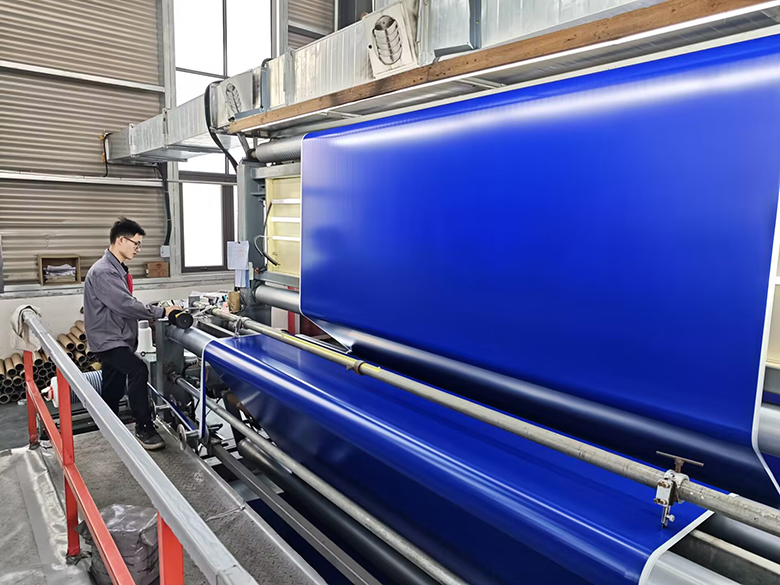
From tarp material roll to finished cover application
DERFLEX can support roll goods, panels and finished tarps according to your market, application and order program.
Suitable for waterproof, weldable and heavy duty tarp fabrication.
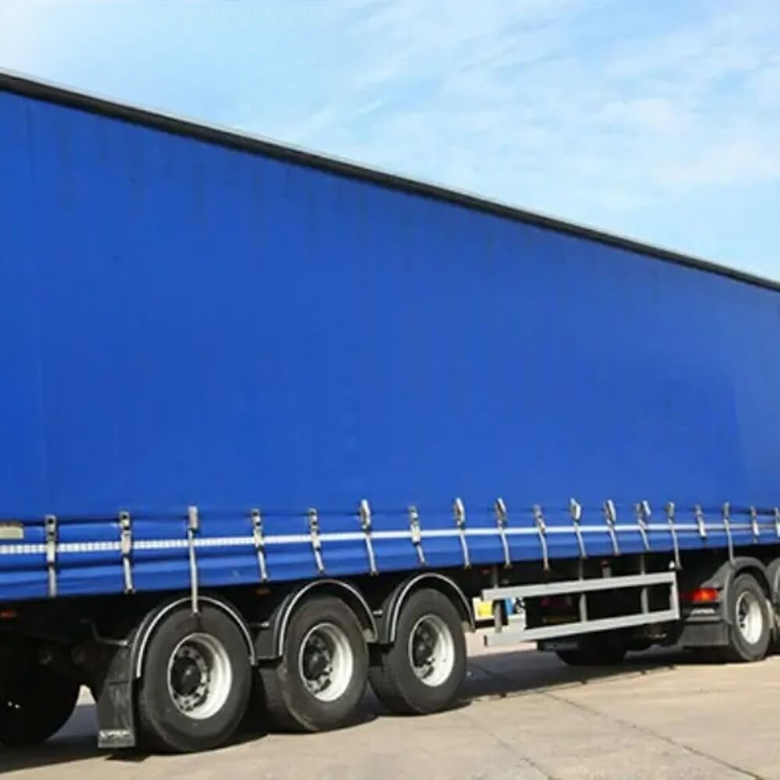
Used for truck covers, cargo protection and repeated outdoor handling.
What are tarps used for?
A tarp can be simple in definition but very different in real use. The correct structure depends on the application environment.
Transportation and Trucks
Waterproof cargo covers, flatbed tarps, dump truck tarps, trailer covers and side curtain systems.
Construction Sites
Material protection, temporary roof covers, weather barriers, scaffold covers and jobsite containment.
Agriculture and Storage
Hay covers, grain covers, silage protection, fertilizer storage covers and farm equipment protection.
Industrial Equipment
Machine covers, warehouse covers, outdoor storage protection and custom protective enclosures.
Tents and Shelters
Commercial tent fabrics, awnings, canopy covers, temporary shelters and event structures.
OEM and Distribution
Private-label tarps, customized specifications, export packing and repeat-order supply programs.
Why DERFLEX is suitable for custom tarp projects
DERFLEX helps buyers move from a general tarp definition to a practical product specification that can be produced, packed and supplied consistently.
Material manufacturing support
DERFLEX supplies PVC coated polyester tarp materials with selectable weight, width, color, surface finish and functional treatments. This helps buyers create a more suitable product instead of relying only on stock-size retail tarps.
Custom finished tarp capability
For finished tarps, DERFLEX can support welded hems, reinforced edges, grommets, webbing, D-rings, logo printing, labels and export packaging according to the buyer’s market requirement.
Application-driven specification
Truck tarp, construction tarp, agriculture tarp and equipment cover projects may require different GSM, tensile strength, tear resistance, flexibility and UV exposure targets.
B2B and OEM supply logic
DERFLEX supports importers, distributors, converters, fleet operators and OEM buyers with custom products, repeat-order consistency and clear communication for international sourcing.
Related DERFLEX tarp pages for deeper selection
Use these pages to continue from definition to product selection, application matching and OEM sourcing.
How to choose the right tarp after knowing the definition
For professional purchasing, the correct question is not only “what is a tarp?” but “which tarp structure matches my application?”
Define the use
Truck cover, warehouse cover, farm cover, tent cover, construction cover or equipment protection.
Confirm exposure
Rain, sunlight, wind, snow, chemicals, oil, abrasion, folding frequency and installation tension.
Select material
PVC coated polyester for heavy duty waterproof use, PE for temporary covers, canvas for breathable protection, mesh for shade and airflow.
Design finishing
Decide hem structure, reinforcement, grommet spacing, webbing, rope, D-rings, printing and packing.
Information to send for a custom tarp quotation
Clear input helps DERFLEX recommend a more accurate tarp material and fabrication method.
| Application | Truck cover, construction cover, agriculture cover, equipment cover, tent fabric, industrial curtain or other use. |
|---|---|
| Required Size | Finished size, roll width, panel size, tolerance requirement and quantity. |
| Material Preference | PVC coated polyester, PE, canvas, mesh or recommended by DERFLEX according to working conditions. |
| Performance Needs | Waterproofing, UV resistance, tear strength, abrasion resistance, flame-retardant option, cold resistance or mildew resistance. |
| Finishing Details | Welded hem, sewn hem, reinforced corners, grommets, D-rings, webbing, buckles, sleeves, rope edge or custom fastening. |
| Branding and Packing | Logo printing, product labels, private-label cartons, pallet packing and export documentation requirements. |
Turn a tarp definition into a production-ready specification
Send your application, size, material preference, exposure condition, finishing details and order quantity. DERFLEX will help you review the tarp structure and prepare a suitable quotation for your market.
Frequently asked questions about tarp definition
These answers help buyers understand tarp meaning, material choice and industrial sourcing before sending an inquiry.
What is the definition of a tarp?
A tarp is a durable, flexible sheet used to protect objects, cargo, surfaces or working areas from weather, dust, sun, moisture or temporary exposure. It is the short form of tarpaulin.
Is a tarp the same as a tarpaulin?
In most cases, yes. “Tarp” is the shorter everyday term, while “tarpaulin” is the more formal product name often used in industrial, export and technical specifications.
What materials are tarps made from?
Common tarp materials include PVC/vinyl coated polyester, polyethylene, canvas and mesh. DERFLEX mainly focuses on PVC coated polyester tarpaulin for heavy duty waterproof and custom B2B applications.
What is the difference between waterproof and water-resistant tarps?
A waterproof tarp is designed to block water penetration through the material surface, while a water-resistant tarp may only resist light moisture for a limited time. Final performance also depends on seams, welding, hems and installation.
Which tarp material is better for heavy duty use?
For many industrial and transport applications, PVC coated polyester is a practical choice because it offers waterproofing, strength, weldability, abrasion resistance and custom fabrication options.
Can DERFLEX make custom tarps?
Yes. DERFLEX can support custom size, color, material weight, surface finish, edge reinforcement, grommet spacing, webbing, logo printing, label and export packaging for custom tarp projects.
What should I send to get a tarp quotation?
Please send the tarp application, finished size or roll size, quantity, material preference, exposure condition, color, finishing details, packing requirement and destination market.