News
Company News

Boat Cover Fabric Manufacturer | Marine Grade PVC Coated Fabric | DERFLEX

Update:2026/9/5 19:36:54 Views:
Marine Cover Roll Goods · OEM Fabric Supply

Boat Cover Fabric Manufacturer — Marine Grade PVC Coated Fabric

DERFLEX supplies marine-grade PVC coated polyester fabric for boat-cover fabricators, marine distributors and OEM brands that need waterproof roll goods with controlled weight, width, color, surface finish and outdoor-performance options. Specify the material around storage, mooring, trailering, climate and fabrication method—not only around GSM.

Quick Answer: What Is Marine-Grade Boat Cover Fabric?

Marine-grade boat cover fabric is a coated or treated textile selected for repeated exposure to rain, UV, humidity, salt-air, wind movement and handling. For waterproof OEM cover programs, PVC coated polyester is commonly used because the polyester reinforcement provides dimensional and tear strength while the PVC surface provides a water barrier, cleanable finish and heat-weldable fabrication. The correct grade depends on whether the cover is for stationary storage, marina use, winter lay-up or high-speed trailering.

Material Overview

Boat Cover Fabric Should Be Specified as a System

A finished marine cover can fail even when the face fabric is waterproof. Cover geometry, drainage slope, seam method, ventilation, chafe zones, hems, straps and grommet reinforcement all affect real service performance. DERFLEX positions this page around roll-goods engineering for cover makers, while finished-cover and general marine-tarpaulin topics are handled by separate DERFLEX pages.

Water BarrierPVC coating provides a continuous waterproof surface; seam construction determines finished-cover leakage control.
Marine ExposureUV, humidity, salt-air and mildew risk should be considered before selecting coating and finish.
FabricationRoll width, weldability, sewing behavior and fold handling influence production efficiency.
Repeat SupplyColor, surface, roll dimensions and approved material structure matter for OEM programs.

Material-focused page, not another “boat tarp” page

For complete waterproof tarps and fabricated cover systems, see DERFLEX boat cover tarp solutions. For broader coastal and dockside protection, see marine tarpaulin roll materials.

Quick Specification Overview

Marine Grade PVC Coated Boat Cover Fabric Specifications

The table below is a sourcing guide based on product directions currently presented across DERFLEX marine/PVC coated fabric pages. Final values should be confirmed against the selected construction, target market, fabrication method and buyer testing requirements.

Specification Available / Typical Direction Buyer Decision Note
Material PVC coated high-strength polyester fabric Selected for waterproof marine covers where strength, cleanability and weldable fabrication are required.
Weight Approx. 450–900 gsm for common boat-cover programs; heavier grades available by project Lighter grades improve handling; heavier grades can increase robustness but also add mass and folding effort.
Base Fabric Polyester reinforcement; 500D / 840D / 1000D / 1100D directions available on related DERFLEX marine ranges Denier alone is not enough—construction density, coating adhesion and finished-cover stress points also matter.
Roll Width Common widths include 1.02 m, 1.5 m, 2.0 m, 2.5 m and 3.2 m; custom width discussion available Wider rolls may reduce seam count and improve cutting efficiency on large covers.
Surface Matte, glossy, embossed, acrylic-lacquered or project-defined finish Finish affects appearance, cleanability, blocking behavior and handling during sewing/welding.
Color Navy, blue, grey, white, black, green and custom color matching For OEM programs, approve color against a physical sample and define acceptable batch tolerance.
Outdoor Options UV-resistant, anti-mildew, cold-resistant and marine-weathering directions Choose treatment level from climate, storage duration and whether the cover stays near salt water.
Fabrication Cutting, sewing, hemming, hot-air / HF welding, webbing and reinforcement Confirm your equipment and seam design before final material approval.
Supply Format Roll goods; project-defined cut panels or fabricated solutions can be discussed separately This page is optimized for fabric buyers sourcing repeatable roll material.
Packaging Export roll packing, hard tube / paper protection, pallet or private-label direction by program Tell DERFLEX your warehouse, container and downstream rewinding requirements.

Do not use a generic specification without confirming the final boat type, cover geometry, climate, trailering speed, seam method and target service conditions.

Material Construction

How PVC Coated Polyester Boat Cover Fabric Is Built

The marine-cover performance comes from the combination of reinforcement, coating formulation, surface finish and fabrication—not from a single “marine grade” label.

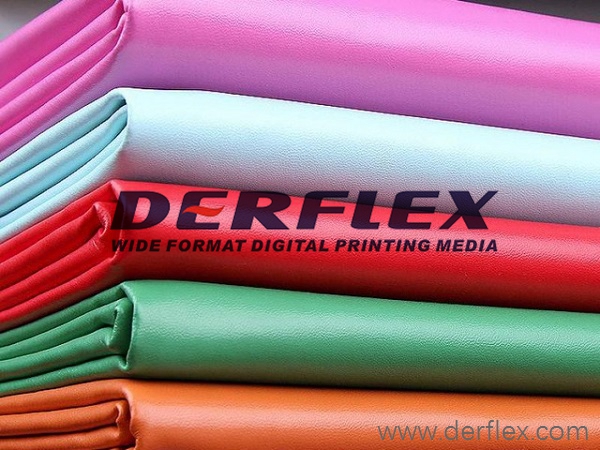
DERFLEX PVC coated fabric color options for marine boat cover manufacturing
PVC coated fabric surface and color references from the DERFLEX website.

1. Polyester Reinforcement

The woven polyester core carries tensile loads and helps the cover resist tearing, distortion and repeated pulling at seams and tie-down zones.

2. PVC Coating

The PVC layer creates the primary water barrier and provides a surface suitable for cleaning and welded seam construction where the grade and equipment are compatible.

3. Outdoor Additive Package

UV, mildew and cold-flex options can be adjusted according to climate and storage conditions. Buyers should state the target environment rather than request “maximum” treatment without context.

4. Surface Finish

Matte, glossy, embossed or lacquered finishes influence appearance, cleanability, friction, blocking and brand positioning for finished marine covers.

For a broader technical explanation of coated textile structures, visit DERFLEX PVC coated fabrics manufacturer page and PVC fabric manufacturing guide.

Selection Matrix

How to Choose Boat Cover Fabric by Real Use Condition

GSM is useful, but it should follow the application. Start with storage mode, exposure, boat size, tie-down loads and production method.

Use Condition Practical Material Direction Why Critical Questions
Seasonal / stationary boat storage Approx. 450–610 gsm PVC coated polyester, outdoor UV direction Balances waterproofing, handling and cost for covers that are not exposed to highway airflow. How long is the storage cycle? Is ventilation built into the cover?
Marina / mooring cover Approx. 550–750 gsm with UV and anti-mildew direction; easy-clean surface Humidity, salt-air and repeated wet/dry cycles increase surface and mildew-control demands. Freshwater or coastal? Permanent berth or occasional use?
Trailerable cover Approx. 650–900 gsm reinforced direction plus stronger hems, patches and tie-down layout Wind flutter, strap loads and chafe can dominate failure risk during transport. Typical road speed? Boat geometry? Strap spacing? Contact points?
Yacht / premium fitted cover line UV-resistant PVC coated fabric with controlled matte/embossed finish and approved color standard Appearance, touch, color consistency and cleanability matter alongside weather protection. Is visual finish more important than maximum weight? Sewn or welded assembly?
Winter / cold-region storage Cold-flex formulation direction with drainage and snow-load support strategy Low temperature can increase stiffness; cover support design must also prevent ponding and concentrated loads. Minimum installation temperature? Supported or unsupported cover?
Large commercial / workboat equipment cover Heavy reinforced PVC coated structure; project-defined weight above common leisure-cover ranges Large area, abrasion and industrial handling may require stronger reinforcement and finishing. Equipment geometry, wind exposure, lifting/handling frequency and attachment system?

For yacht-specific geometry and reinforcement

See DERFLEX yacht cover tarp program, which focuses on deck geometry, stress points, vents, straps and custom patterns rather than roll fabric alone.

Material Comparison

PVC Coated Polyester vs Marine Canvas vs PE Boat Tarp

There is no single best boat-cover material for every program. The best choice is the material whose waterproofing, breathability strategy, weight and fabrication method fit the final cover.

Strong for waterproof OEM programs

PVC Coated Polyester

Good fit: waterproof storage covers, trailerable covers, dockside protection and fabricated OEM programs.

  • Continuous coated water barrier
  • Can support welded seam fabrication
  • High-strength reinforced structures available
  • UV / mildew / surface options by formulation

Marine Canvas / Acrylic-Type Fabric

Good fit: sewn fitted covers and enclosures where lighter hand, appearance and vapor management are major priorities.

  • Often lighter and more textile-like
  • Common in custom marine canvas fabrication
  • Water resistance depends on fabric and treatment
  • Usually relies on sewn construction

PE Tarpaulin

Good fit: temporary, economical seasonal cover programs.

  • Lightweight and cost-oriented
  • Easy to deploy for temporary protection
  • Typically less suited to premium fitted-cover programs
  • Repeated wind, UV and chafe exposure should be evaluated carefully
Manufacturing & Fabrication Notes

What Cover Makers Should Define Before Cutting a Roll

These decisions can prevent many field failures that are wrongly blamed on “fabric quality.”

Seam Method

Tell DERFLEX whether the material will be hot-air welded, HF welded, sewn or combined. Seam overlap, thread, needle and weld settings should be validated on the approved sample.

Drainage Geometry

Water pooling adds localized load and can accelerate stretching or seam stress. Pattern design should create positive slope and use supports where needed.

Ventilation Strategy

A waterproof cover can still trap humidity. Vents, spacing and installation method should be designed to reduce condensation and mildew risk inside the covered space.

Chafe Zones

Windshields, rails, cleats, frames and sharp hardware should receive patches, padding or reinforcement so abrasion is not concentrated on one layer of fabric.

Edge Reinforcement

Webbing, doubled hems, patches and properly positioned grommets spread tie-down loads. Do not specify grommet spacing without considering wind and cover geometry.

Roll Width & Pattern Yield

Before ordering, compare fabric width with your common boat-cover patterns. A wider roll can reduce seams, while a narrower roll may improve cutting yield on small panels.

Image Package

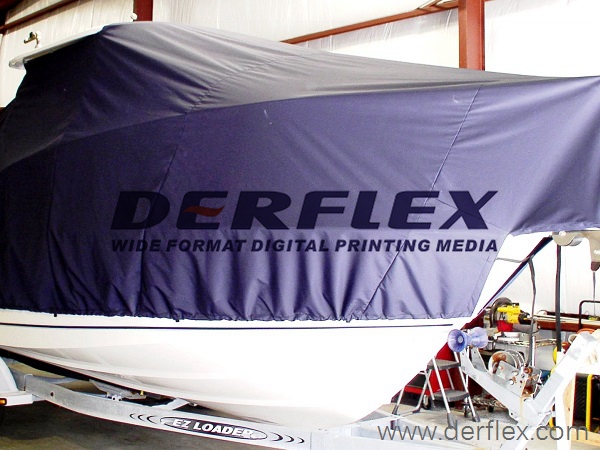
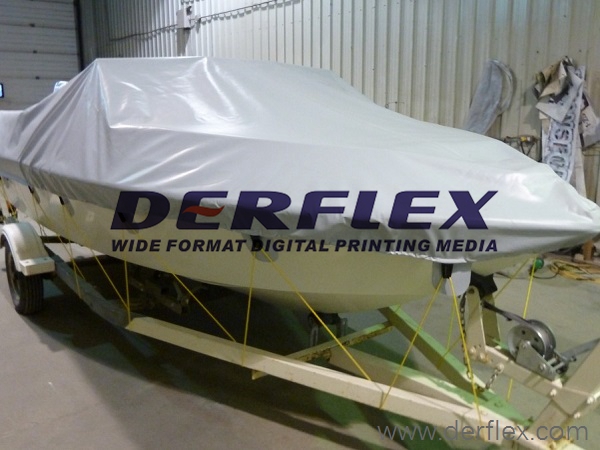
DERFLEX Boat Cover Fabric & Marine Application Image Set

The images below are real images currently hosted on derflex.com. The hero image is loaded immediately; below-the-fold images use lazy loading. Each image is used with a distinct, descriptive alt text for product and image-search context.

Procurement Guide

Boat Cover Fabric Buyer Checklist

A useful quotation starts with the application. Sending only “marine PVC fabric, please quote” forces the supplier to guess.

1

Boat / Cover Type

Storage, mooring, trailering, yacht, pontoon, fishing boat, equipment or enclosure.

2

Material Target

Preferred GSM, base fabric, thickness or existing sample / datasheet to match.

3

Exposure

Freshwater/coastal, UV intensity, humidity, winter temperature and storage duration.

4

Fabrication

Roll width, sewing/welding method, reinforcement design and downstream cutting equipment.

5

Commercial Details

Quantity, roll length, color, packaging, destination and any documentation the buyer requires.

Need a more general marine cover category?

DERFLEX also maintains a broader marine tarps and boat covers page for buyers comparing finished protection formats, materials and applications.

Common Procurement Mistakes

Five Mistakes That Increase Boat Cover Failure Risk

Buying by GSM Alone

Two fabrics with similar weight can differ in reinforcement, coating balance, finish and fabrication behavior. Request the complete construction and sample.

Ignoring Condensation

Waterproofing stops rain but does not automatically manage trapped moisture. Add ventilation strategy to the cover design.

Using Storage Specs for Trailering

Highway airflow creates flutter, chafe and dynamic tie-down loads. Trailering should use stronger design and reinforcement than stationary storage.

Under-Specifying Stress Points

Damage often begins around grommets, corners, windshields, rails and straps. Define patching and webbing before production.

Approving Color Only on Screen

OEM marine programs should approve a physical color/surface sample and define repeat-order tolerance instead of relying only on digital color references.

Not Testing Your Process

Run a trial cut, stitch or weld on sample material before mass production. The cover factory's equipment and settings matter.

Why DERFLEX

Manufacturer-Level Support for Marine Cover Fabric Programs

DERFLEX is useful to buyers who need a repeatable material program rather than a one-time retail fabric purchase.

Application-Matched Material

Specification can be discussed around boat type, storage mode, climate, cover geometry and fabrication method rather than a fixed retail SKU.

Roll-Goods Customization

Weight, width, color, surface finish, outdoor treatment and packaging can be defined for OEM and distributor programs.

Fabrication Compatibility

Material selection can take sewing, heat welding, hemming, reinforcement and finished-cover manufacturing into account before bulk ordering.

Related Questions

Questions Buyers Commonly Ask About Boat Cover Fabric

FAQ

Boat Cover Fabric FAQ

What is boat cover fabric made from?

Heavy-duty waterproof boat cover fabric is commonly made from a woven polyester reinforcement coated with PVC. The polyester provides structural strength while the PVC provides a water barrier and a surface that can be cleaned and, for compatible grades, heat welded.

Can DERFLEX customize boat cover fabric weight and width?

DERFLEX marine and PVC coated fabric ranges support custom material discussions around weight, width, color, finish and performance direction. Final availability should be confirmed for the selected construction and order program.

Is PVC coated polyester suitable for yacht and pontoon covers?

Yes, PVC coated polyester can be specified for waterproof yacht, pontoon and marine equipment covers. Premium fitted-cover programs should also consider surface appearance, weight, ventilation, chafe protection and reinforcement details.

Can boat cover fabric be supplied in rolls for local fabrication?

Yes. This page is specifically positioned around roll-goods supply for boat-cover makers, marine distributors and OEM brands that fabricate covers locally or through their own manufacturing partners.

Do I need anti-mildew treatment if the fabric is waterproof?

Waterproofing and mildew management are separate. In humid or coastal conditions, buyers may specify an anti-mildew direction, but finished covers should also include ventilation and proper storage practices.

What is the difference between storage and trailering boat cover fabric?

Trailering adds dynamic wind pressure, flutter, chafe and stronger tie-down loads. It generally requires more robust material selection and reinforced cover construction than a stationary storage cover.

Can I request a sample before bulk production?

Sample evaluation can be discussed with DERFLEX. For OEM programs, the sample should be checked for color, surface, weight, cutting, sewing or welding behavior before confirming the bulk specification.

What information should be included in the RFQ?

Provide boat or cover type, use condition, preferred material/weight, width, color, surface, UV or mildew requirements, fabrication method, quantity, roll length, packaging, destination and any required test or compliance documents.

Source Marine-Grade Boat Cover Fabric from DERFLEX

Send your boat/cover type, target GSM or current sample, roll width, color, surface, marine exposure, sewing/welding method, quantity, packaging and destination. DERFLEX can recommend a practical PVC coated fabric direction for sampling and quotation.

Consulting Services
+86-021-54361792 / 54361798
Email
sales@derflex.com