01
Boat Storage Tarps
For yard, marina and seasonal storage. Priorities are water shedding, UV exposure, mildew control, abrasion points and secure perimeter fastening.



DERFLEX supplies waterproof marine tarps and marine-grade cover materials for boats, yachts, pontoons, fishing vessels, dock equipment, winter storage and transport protection.
Source roll goods, cut panels or fabricated marine covers with project-defined material weight, color, UV direction, mildew control, reinforced hems, grommets, webbing, straps, welded seams and private-label packaging.
Marine tarps are protective covers or tarp materials used around boats, yachts, marinas and marine equipment. They are selected for waterproofing, UV exposure, salt-air humidity, mildew risk, wind movement and tie-down stress. Heavy-duty versions commonly use PVC-coated polyester because it combines waterproof protection, tear strength and weldable fabrication.
This image set uses existing DERFLEX marine-related website images with descriptive alt text and distinct surrounding context, helping the page address boat-cover, marine-tarpaulin and marina-protection image intent.
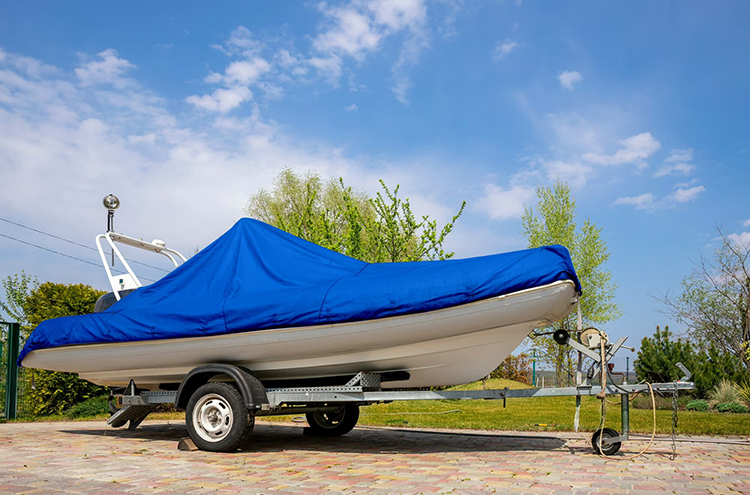
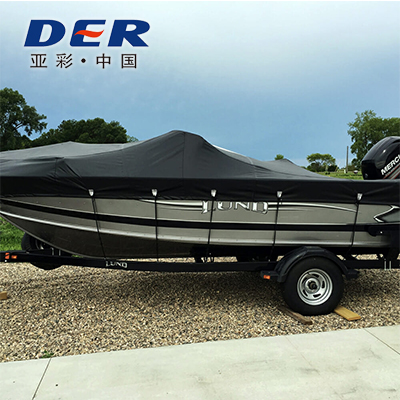
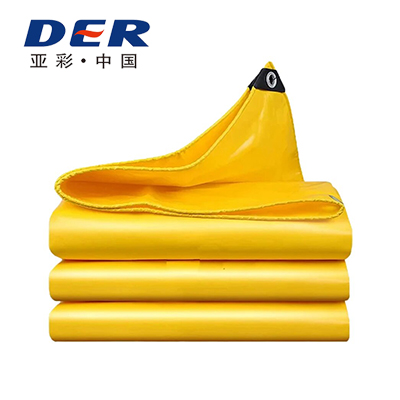
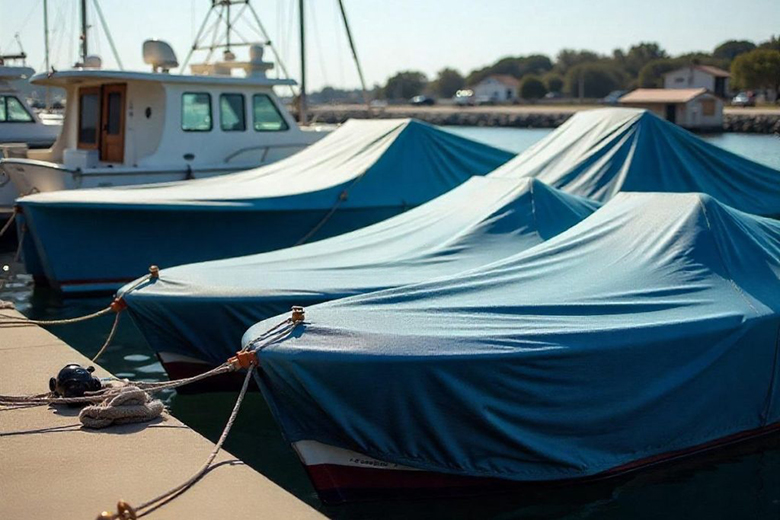
The gallery covers finished boat cover, heavy-duty fitted cover, material close-up and marina-use imagery instead of repeating one product photo.
“Marine tarp” can describe several products. Separating the use cases prevents over-specifying temporary covers and under-specifying covers exposed to long-term sun, wind or trailering loads.
For yard, marina and seasonal storage. Priorities are water shedding, UV exposure, mildew control, abrasion points and secure perimeter fastening.
Transport covers need a stable pattern and fastening system. High-speed airflow can create far greater stress than stationary storage.
Large or irregular decks require pattern planning around rails, consoles, towers, motors and drainage geometry.
Used for seats, engines, dock equipment, consoles, storage modules and other exposed marine assets where custom dimensions may matter more than a universal retail size.
For heavy-duty waterproof marine storage and custom fabricated covers, PVC-coated polyester is often a practical choice. PE can suit temporary value-focused covering, while canvas or other breathable marine fabrics may be preferred where airflow is a priority.
| Material | Best Fit | Water Protection | Fabrication | Key Procurement Consideration |
|---|---|---|---|---|
| PVC-Coated Polyester | Heavy-duty storage, yacht covers, marina protection, OEM covers | Strong waterproof direction | Heat welding, sewing, reinforced hems, grommets, webbing | Balance GSM, base fabric, flexibility, UV direction and edge reinforcement instead of choosing weight alone. |
| PE Tarp | Temporary storage, seasonal low-cost cover programs | Waterproof sheet construction in common grades | Basic hems, eyelets and sewn/reinforced edges depending on grade | Useful when price and low weight matter more than long service exposure. |
| Canvas | Traditional breathable boat covers and stitched applications | Usually water-resistant after treatment rather than welded waterproof construction | Sewn fabrication | Breathability can help condensation management, but maintenance and waterproof treatment should be considered. |
| Other Marine Fabrics | Fitted premium covers, specialty enclosures, branded accessory programs | Depends on coating or finish | Often sewn and patterned for fitted covers | Confirm UV, colorfastness, breathability, seam method and target service environment with the fabricator. |
Material names do not guarantee equal performance across all suppliers. Final specification should be confirmed by structure, coating, base fabric, fabrication, installation and the actual marine exposure.
Use the application first, then set material weight, reinforcement and finishing. This is more reliable than selecting “the thickest tarp” by default.
| Marine Use | Material Direction | Fabric Weight Direction | Construction Priorities | Buyer Questions to Confirm |
|---|---|---|---|---|
| Stationary outdoor boat storage | PVC-coated polyester or other outdoor marine cover grade | Mid to heavy grade depending on exposure and cover span | Slope, perimeter tension, padded contact zones, ventilation | Storage duration? Sun level? Snow/rain? Boat geometry? Support poles? |
| Winter lay-up | Flexible outdoor-grade waterproof cover material | Heavier direction where snow, wind and long exposure justify it | Drainage pitch, cold-flex direction, abrasion protection, strong edges | Lowest temperature? Snow load management? Indoor/outdoor? Seasonal reuse? |
| Trailer transport | Strong tear-resistant marine cover structure | Selected by airflow stress and pattern design, not only boat length | Close fit, reinforced fastening points, webbing, anti-flap design | Road speed? Transport distance? Tie-down points? Windshield/rail contact? |
| Marina / dockside covering | UV and mildew-resistant marine tarp direction | Balanced for handling and repeated installation | Salt-air humidity, ventilation, cleanability and edge security | Permanent mooring? Daily access? Color requirement? Salt exposure level? |
| OEM marine cover product line | Project-defined PVC, PE, canvas or specialty marine fabric | Multiple grades may be useful for good/better/best product tiers | Repeatable color, packaging, labeling, approved pattern and QC checkpoints | Target retail segment? SKU sizes? Private label? Test requirements? Annual order plan? |
Cover performance depends on the relationship between fabric, seams, edges, fastening points and the shape underneath. The following details are often more important than adding weight without changing the cover design.
Place seams away from the highest tension and abrasion zones where possible. Heat-welded seams are useful for PVC systems when waterproof construction is required.
Hems, webbing, rope edges and corner patches should match the fastening load. A strong fabric with a weak perimeter remains a weak finished cover.
Spacing should follow cover geometry and wind load rather than a universal interval. Local stress around each fitting needs adequate reinforcement.
Support the cover to create slope. Long-term water pooling increases seam, coating and fastening stress even when the sheet itself is waterproof.
Waterproof does not mean condensation-proof. Breathability or controlled venting may be important for long stationary storage in humid conditions.
Windshields, rails, cleats, tower edges and motors should be padded or reinforced. Repeated movement over a small sharp point can damage heavy material.
Concise answers are placed first, followed by the practical detail procurement teams need.
Many marine tarps are waterproof at the fabric level, especially PVC-coated or PE constructions. The finished cover’s waterproof performance also depends on seam construction, holes, fittings, drainage slope and installation.
“Marine grade” should describe suitability for the actual environment: water exposure, UV, humidity, salt-air, mildew risk, wind movement and repeated handling. Buyers should ask for the construction and performance direction rather than relying on the phrase alone.
Not always. A marine tarp may be a flat or custom fabricated protective cover, while a boat cover can be fitted or semi-fitted around a specific hull, console, tower or motor configuration. The terms overlap, but pattern and fastening complexity can be very different.
Only covers designed for trailering should be used at road speed. Transport adds aerodynamic uplift, flapping and concentrated tie-down loads, so fabric strength alone is not enough; pattern fit, reinforcement and fastening must be designed for movement.
DERFLEX’s current boating-tarp range supports project-defined material and fabrication rather than forcing every buyer into one retail SKU.
Stationary storage, winter lay-up, marina covering, road trailering, replacement cover or OEM product line.
Boat type, length, beam, console/tower height, motor position, rail details, desired drop and cover support structure.
Waterproofing, UV exposure, mildew risk, cold climate, flexibility, color, weight direction and cleanability.
Welded/sewn construction, hems, webbing, grommets, straps, rope edge, openings, vents, labels and printing.
Quantity, roll or finished-cover format, packaging style, sample requirement, destination and any required test documentation.
These mistakes create early failures even when the starting fabric appears heavy or waterproof.
Weight does not tell you base-fabric construction, coating quality, flexibility, seam behavior or edge strength. Ask for the full material and fabrication specification.
A stationary tarp and a road-speed cover experience different forces. Transport covers need much tighter pattern control and fastening design.
Water pooling and trapped condensation can shorten cover life and harm the asset below. Plan support slope and ventilation during cover design.
Cleats, rails, windshields, towers and corners need abrasion planning. Local reinforcement can matter more than increasing the entire tarp weight.
The phrase is not enough for purchasing. Define UV, mildew, material, construction, dimensions, hardware and the service environment.
Grommet spacing, straps, rope edges and webbing affect both cost and cover reliability. Include them in the initial drawing or RFQ.
The useful distinction for industrial buyers is not “factory versus online seller.” It is whether the supply model can control material, fabrication and repeat orders around your actual marine product.
Choose material around storage condition, trailering, cover size, UV exposure, mildew risk and handling rather than selecting a generic one-grade tarp.
Discuss size, seams, reinforced edges, grommet placement, webbing, straps, rope hems, vents, openings, logo and packing as one cover system.
Marine distributors and cover makers can source roll goods, cut panels or finished tarps with project-specific color, labels and packaging.
These verified DERFLEX pages separate broad marine tarp intent from material, boat-cover and procurement-guide intent.
These questions address sizing, waterproofing, materials, mildew, trailering and custom manufacturing without repeating the same answer in different words.
Marine tarps are used to cover boats, yachts, pontoons, jet skis, marine equipment and dockside assets during storage, transport or seasonal lay-up. They help manage exposure to rain, UV, dirt, salt-air humidity, wind and debris.
PVC-coated polyester is often selected for heavy-duty waterproof marine covers because it combines a waterproof coating, reinforced textile core, tear strength and heat-weldable fabrication. PE may suit temporary covering, while canvas or specialty marine fabrics can be useful when breathability or a fitted sewn cover is the priority.
Measure more than the boat’s nominal length. Include beam, console or tower height, motor position, rails, windshield, desired side drop, support-pole geometry and the path the tarp will follow over the boat. A fitted or transport cover may require a pattern or drawing rather than simple length-by-width dimensions.
Yes. A waterproof sheet can reduce rain entry but also limit airflow. In humid storage, condensation and trapped moisture can still create mildew risk. Cover slope, vents, dry storage preparation and material choice should be considered together.
Marine tarps are specified for boat and coastal conditions, so buyers usually place more emphasis on UV exposure, humidity, salt-air, mildew control, cleanability, chafe points, drainage and cover geometry. An ordinary heavy-duty tarp may be strong but not optimized for these conditions.
No. Trailering creates continuous airflow, uplift and flapping that a stationary storage cover may not be designed to handle. A trailerable cover needs the right pattern fit, tie-down system, reinforced edges and contact-point protection for the intended transport conditions.
Yes. DERFLEX’s current marine and boating tarp pages describe custom size, reinforced hems, grommets, webbing, straps, rope edges, welded or sewn construction, logo printing and private-label packaging according to project requirements.
Send the marine application, boat or equipment type, dimensions or drawing, storage or trailering condition, preferred material or weight direction, color, required performance direction, edge design, grommet/strap layout, quantity, packaging and destination. Photos of the boat and current cover are useful for custom work.
Send DERFLEX the boat or equipment type, dimensions, use condition, material direction, reinforcement layout, grommet or strap requirement, quantity, packaging and destination. The team can review a practical roll-goods or finished-cover direction for sampling and quotation.