


Yacht Cover Tarps Built Around Deck Geometry, Weather Exposure & Real Tie-Down Loads
DERFLEX supplies yacht cover tarps and marine cover materials for sailing yachts, motor yachts, refit yards, marinas, distributors and private-label cover programs. PVC coated polyester options can be specified around waterproofing, UV exposure, mildew control, surface cleanability, reinforced stress points, vents, straps, hems and custom pattern requirements.
- Custom yacht cover tarp sizes and patterns
- Waterproof PVC coated polyester options
- UV / mildew / cold-resistant directions
- Reinforced hems, webbing, patches and straps
- Roll goods, cut panels or fabricated covers
- OEM color, logo, labels and export packing
What Is a Yacht Cover Tarp?
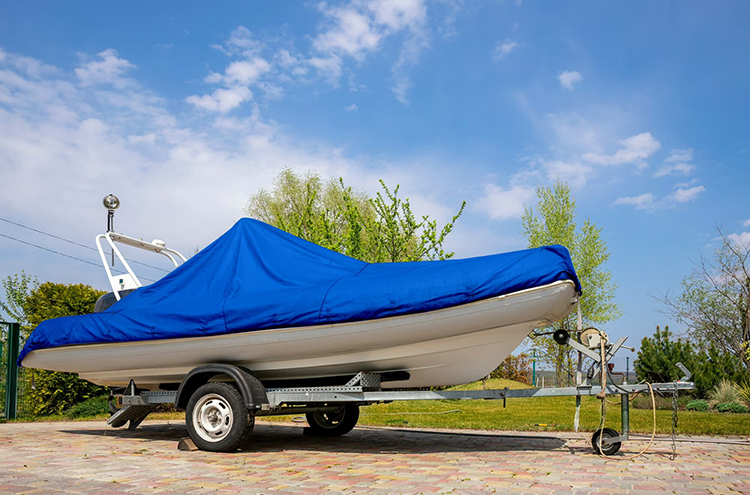
A yacht cover tarp is a protective marine cover designed around the vessel’s shape, deck equipment and storage environment. Unlike a basic rectangular tarp, a yacht cover may need controlled slope for drainage, ventilation for condensation management, reinforced zones at rails and fittings, and custom openings around masts, arches, hardtops, flybridges or access points. Heavy-duty waterproof versions often use PVC coated polyester because it combines a water-blocking surface with reinforced textile strength and weldable fabrication.
A Yacht Is Not a Flat Load: Cover Geometry Controls Performance
Yacht cover tarps must work around more complex geometry than general outdoor tarps. Motor yachts may have flybridges, radar arches, hardtops, windshields, rails, tender cranes, antennas and transom platforms. Sailing yachts add masts, booms, standing rigging, pulpits, stanchions, winches and lifelines. These features create high points, low points, sharp contact zones and access requirements that change how the cover should be supported and reinforced.
The practical specification starts with the vessel and the use condition, then works backward to material, seam method, reinforcement and hardware. Buyers comparing broader marine tarps can use this yacht-specific page when the cover requires more pattern control, more deck-interface detail or a higher level of OEM customization.
Drainage Ridge
Plan a ridge, frame or supported slope so rain does not collect in broad low pockets between deck features.
Chafe Zones
Map rails, corners, antenna bases, windshields, cleats, hardtop edges and other points that need localized padding or patches.
Ventilation
Waterproof outer fabric still needs a condensation strategy for humid marina storage and long winter lay-up.
Access Openings
Doors, stern access, mast collars, rigging slots and inspection flaps should be designed before the cover pattern is finalized.
Tie-Down Loads
Grommets, D-rings, webbing loops or straps should sit in reinforced zones aligned with real attachment points.
Handling Cycle
A seasonal winter cover and a frequently removed cockpit or dealer-yard cover may need different weight and flexibility.
Which Material Is Best for Yacht Cover Tarps?
There is no single best yacht-cover material for every program. Match the material to water protection, handling, breathability strategy, appearance, fabrication method, exposure time and price position.
| Material Direction | Best Fit | Strengths | Buyer Considerations |
|---|---|---|---|
| PVC Coated Polyester | Heavy-duty waterproof yacht storage, winter covers, yard programs, larger spans and OEM marine covers. | Strong water barrier, reinforced textile core, heat-weldable seams, custom weight/color/finish, easy-clean directions. | Plan ventilation, contact-point reinforcement and handling weight. Select GSM from service conditions rather than “heaviest available.” |
| PE Tarpaulin | Temporary or price-focused seasonal covering. | Lightweight, easy handling and economical oversized coverage. | Usually less suitable for premium fitted lines, repeated abrasion and long high-UV exposure. |
| Marine Canvas / Coated Textile | Traditional sewn fitted yacht covers where breathability, appearance and hand feel are priorities. | Good sewn patterning, premium appearance and potential airflow advantages depending on fabric. | Water repellency, maintenance and re-treatment requirements vary by fabric; not typically heat welded like PVC. |
| Specialty Polyester Marine Fabric | Custom fitted cockpit, console, bimini, tender and accessory covers. | Lower-weight handling and strong color/appearance options depending on grade. | Confirm coating, hydrostatic performance, UV grade, seam treatment, colorfastness and service environment. |
For buyers sourcing material by the roll, DERFLEX’s marine tarpaulin page provides a broader PVC coated fabric direction for yacht-cover, dock-cover and marine fabrication programs.
Build the Yacht Cover Specification Around the Use Environment
The following matrix is a quotation and design starting point, not a substitute for an approved sample or vessel-specific pattern.
| Yacht Cover Use | Material Direction | Construction Priorities | Questions to Confirm |
|---|---|---|---|
| Marina / dockside storage | UV- and mildew-resistant marine fabric; PVC coated polyester where strong waterproofing is the priority. | Drainage slope, easy access, ventilation, perimeter security, cleanability. | Daily access? Salt-air exposure? High-sun region? Cover stays on while moored? |
| Winter lay-up | Flexible waterproof outdoor grade; heavier direction where long exposure, wind or cold justify it. | Ridge support, snow/rain shedding, cold-flexibility direction, reinforced stress points. | Lowest temperature? Mast up/down? Indoor or outdoor? Snow management plan? |
| Boatyard / refit protection | Durable easy-clean coated fabric with reusable reinforcement system. | Repeated removal, equipment access, dirty work environment, edge protection. | Short-term project or recurring yard use? Welding/grinding nearby? Access frequency? |
| Motor yacht full cover | Custom PVC coated polyester or specialty sewn marine fabric based on desired finish and handling. | Flybridge/hardtop geometry, arches, windshields, tender equipment, stern access. | Overall length and beam? Highest structures? Desired drop? Support-frame plan? |
| Sailing yacht cover | Waterproof PVC direction or breathable sewn marine fabric according to storage plan. | Mast collars, boom ridge, standing rigging, pulpits, stanchions, winch/cleat chafe zones. | Mast up/down? Boom used as ridge? Rigging slots? Cockpit access? |
| OEM / private-label cover line | One or more material grades for value / standard / heavy-duty tiers. | Repeatable pattern, color, labels, packaging, QC checkpoints and approved sample. | Target market? SKU sizes? Annual program? Roll goods or finished covers? |
Yacht & Marine Cover Images for Product and Application Search
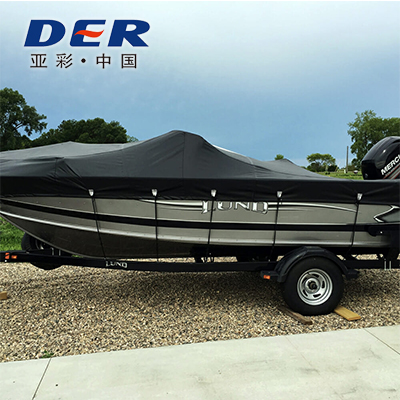
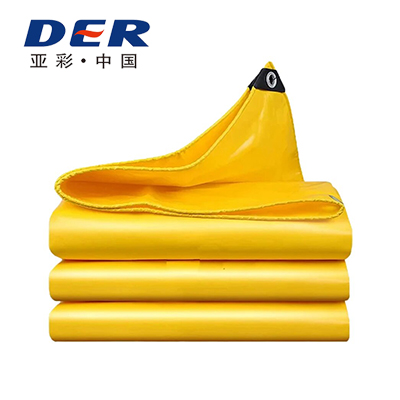
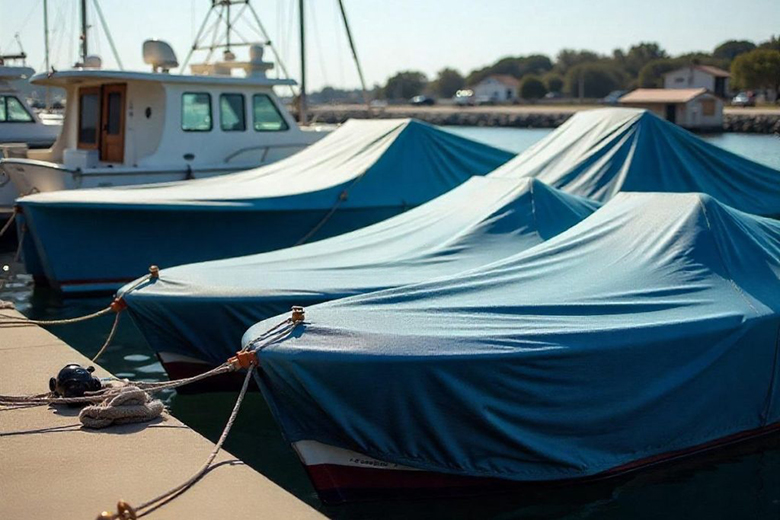
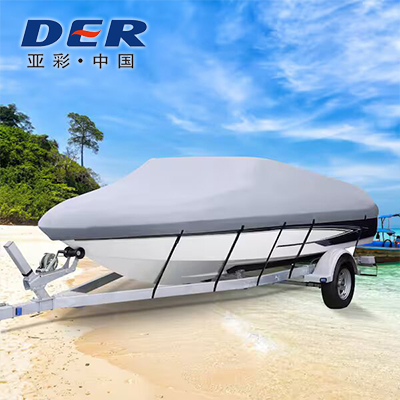
Existing DERFLEX marine images are used for finished-cover, heavy-duty, material and marina application intent.
Where Yacht Covers Usually Fail First
A heavy fabric can still fail early if the load path is wrong. These details deserve attention before bulk production.
Water Pooling
Large flat spans collect water, multiplying stress at seams, support points and tie-downs. Build a stable ridge and drainage pitch into the pattern.
Wind Flapping
Loose fabric repeatedly flexes at corners and hardware. Fit, perimeter tension and support geometry matter as much as tear strength.
Localized Abrasion
Rails, cleats, windshield corners, antenna bases and frame edges can concentrate wear into a very small area. Add pads or load-spreading reinforcement.
Condensation
Waterproof fabric blocks rain but does not automatically prevent humidity buildup beneath the cover. Use planned vents and dry the vessel before long lay-up.
Weak Perimeter
Strong coated fabric with lightly reinforced hems or poorly positioned fittings remains a weak finished cover. Design the edge as a structural component.
Unplanned Openings
Cutting around masts, arches or rigging after fabrication can create leakage and tear points. Openings should be part of the approved pattern from the start.
Yacht Cover Tarp Options DERFLEX Can Review with B2B Buyers
The exact combination depends on vessel geometry, cover purpose, target market and approved sample.
Material & Surface
- PVC coated polyester and other project-defined marine-cover structures
- Custom material weight and hand-feel direction
- Matte, glossy, embossed, lacquered or easy-clean surface directions
- UV-resistant, mildew-resistant and cold-resistant formulation options
- Navy, grey, white, black, beige, green and custom color programs
Fabrication & Hardware
- Heat-welded seams for compatible PVC systems
- Sewn details for selected access, hardware and reinforcement features
- Webbing hems, rope edges, double-layer patches and abrasion pads
- Grommets, D-rings, strap loops, buckles and buyer-defined fastening layouts
- Vents, inspection flaps, mast collars, rigging slots and zippered access
If the requirement is a broader custom tarpaulin rather than a yacht-specific pattern, see DERFLEX custom tarps for size, reinforcement, eyelet, welding, printing and private-label supply options.
How to Measure a Yacht for a Custom Cover Tarp
A dimension list is useful, but photos and marked drawings usually reduce pattern ambiguity for irregular yacht geometry.
| Measurement / Detail | What to Provide | Why It Matters |
|---|---|---|
| Overall cover length | Bow-to-stern coverage limits including desired overhang or exclusions. | Defines the basic cover envelope and finished coverage. |
| Maximum beam | Beam and the location of the widest section. | Controls panel width, side drop and fabric yield. |
| Highest structures | Flybridge, hardtop, radar arch, windshield, mast, boom or antenna heights. | Determines ridge path, slope and high-point reinforcement. |
| Desired side drop | Where the cover should finish relative to rub rail, deck edge or hull side. | Affects finished width, fastening angle and wind exposure. |
| Deck hardware map | Rails, stanchions, cleats, winches, cranes, tender gear and sharp features. | Identifies chafe protection and local load-spreading needs. |
| Access plan | Stern door, side deck, cockpit, ladder, mast collar, rigging slot or inspection flap. | Allows access without improvised cuts after production. |
| Tie-down points | Available attachment points and strap direction. | Helps align reinforcement with actual load paths. |
| Support / ridge method | Frame, boom, pole system, hardtop or other support geometry. | Controls drainage and reduces water pooling. |
Where Yacht Cover Tarps Are Used
Yacht protection ranges from seasonal full-deck covers to shorter-access cockpit and equipment covers.
Motor Yacht Full Covers
Custom coverage around flybridge, hardtop, windshield, rails, arches and stern geometry for marina or yard storage.
Sailing Yacht Winter Covers
Mast-up or mast-down layouts with boom/ridge support, rigging access, pulpit/stanchion chafe protection and ventilation.
Refit & Boatyard Protection
Reusable covers for paint, maintenance, equipment access and outdoor yard protection during longer service projects.
Cockpit & Helm Covers
Smaller patterned protection for seats, helm, electronics, companionway, steering pedestal and exposed controls.
Dealer & Marina Programs
Repeat size programs for displayed or stored yachts, replacement protection and seasonal service packages.
OEM / Private-Label Lines
Custom materials, sizes, colors, branding, care labels, cartons and packaging for marine accessory brands and distributors.
Buyers focusing on broader boat, dock and coastal protection can review tarpaulin for boat cover and marine applications for adjacent cover uses.
What to Send for a Yacht Cover Tarp Quotation
A clear RFQ helps separate material questions from pattern questions and reduces avoidable sampling revisions.
- Yacht type: motor yacht, sailing yacht, catamaran, cruiser or project-specific vessel
- Overall dimensions, beam, highest structures and desired cover drop
- Photos plus top/side drawings or an existing cover sample if available
- Storage condition: marina, yard, winter lay-up, high-UV coast or temporary protection
- Material / GSM direction and preferred color or finish
- Ventilation, mast/arch openings, zippers, access panels or inspection flaps
- Reinforcement zones, hems, webbing, rope edge, grommets, D-rings or straps
- Roll goods, cut panels, semi-finished kit or finished-cover requirement
- Quantity, packaging, private label, destination and required test documentation
Common Yacht Cover Buying Mistakes
Buying by Size Alone
Length × width does not describe flybridge height, ridge shape, side drop, access openings or fastening geometry.
Choosing by GSM Alone
Weight does not reveal base fabric, coating quality, seam method, flexibility or perimeter strength.
Ignoring Ventilation
A waterproof cover can still trap humid air. Venting and dry-storage preparation should be part of the system.
Under-Reinforcing Contact Points
Small hard features can wear through large heavy covers if they are not padded or reinforced.
Using Storage Covers for Transport
Dynamic airflow creates different loads. A stationary storage cover should not be assumed suitable for road transport or other movement.
Adding Openings After Production
Unplanned cuts around masts, rails or arches can weaken the cover and create water-entry points.
How a Custom Yacht Cover Program Can Be Developed
Confirm yacht type, storage environment, handling cycle and B2B supply format.
Review dimensions, photos, drawings, support ridge, equipment and access zones.
Match coating, weight, surface, UV/mildew direction and fabrication method.
Confirm fit, seams, reinforcement, hardware, vents, labels and packing before scale-up.
Document approved construction for repeat orders, export packing and private-label programs.
People Also Ask About Yacht Cover Tarps
Short answers first, followed by the practical sourcing detail buyers usually need.
What is the best tarp material for covering a yacht?
For heavy-duty waterproof storage, PVC coated polyester is often a practical direction because it combines a coated water barrier, reinforced textile strength and heat-weldable fabrication. Marine canvas or specialty polyester can be preferable when lower weight, sewn fitted construction, breathability or premium appearance is more important. The best choice depends on exposure, handling and cover design.
Are yacht cover tarps completely waterproof?
The fabric can be waterproof, but the complete cover depends on seam construction, openings, fittings, drainage slope and installation. A waterproof sheet with sewn holes, low points or poorly sealed access details can still allow water entry or pooling.
How do I stop mildew under a waterproof yacht cover?
Start with a clean, dry vessel, create controlled ventilation, avoid water pooling and do not trap wet cushions, ropes or gear beneath the cover. Anti-mildew material direction can help, but cover ventilation and storage preparation remain important.
What GSM should I choose for a yacht cover tarp?
DERFLEX marine-cover pages use roughly 450–900 gsm+ as a common PVC coated polyester direction for many custom cover programs. A premium yacht cover may use a mid-to-heavy grade, but GSM should be matched to span, wind, handling frequency, reinforcement, climate and target durability rather than selected in isolation.
Can a yacht tarp be customized around a flybridge, mast or radar arch?
Yes. Custom patterns can include openings, collars, rigging slots, zippered access, shaped panels, abrasion pa, ds, reinforced edges and strap layouts. Photos and marked drawings are strongly recommended before pattern approval.
Can a yacht cover stay on while the boat is moored?
A cover can be designed for dockside or marina use, but the fastening system, ventilation, access and wind exposure should be specified for that environment. A yard-storage cover and a mooring cover are not automatically the same design.
Is PVC yacht cover tarp better than marine canvas?
PVC coated polyester is strong for waterproofing, welding and easy-clean heavy-duty cover programs. Marine canvas can offer different handling, appearance and breathability characteristics in sewn fitted covers. Neither is universally better; the correct choice depends on storage condition, condensation strategy, desired fit and maintenance expectations.
What information does DERFLEX need to quote custom yacht cover tarps?
Send yacht type, dimensions, photos or drawings, storage environment, preferred material/weight direction, cover drop, support geometry, reinforcement points, access openings, fastening method, quantity, packaging, branding and destination.
Continue Your Marine Cover Specification Research
These verified DERFLEX pages separate yacht-specific application intent from broader boat-cover, material and buying-guide intent.
Turn Your Yacht Cover Requirement into a Buildable Specification
Send DERFLEX the yacht type, dimensions or drawings, marina / winter / yard use, material direction, cover drop, support geometry, reinforcement layout, vents or access openings, fastening system, quantity, packaging and destination. The team can review a practical roll-goods or finished-cover direction for sampling and quotation.