
Sunlight Ages the Surface
UV exposure can reduce flexibility and create weak fold lines. Long-term storage therefore needs a UV-oriented coating system rather than only a waterproof label.



Protecting pallets for half a year or longer is not a matter of throwing a sheet over the load. It requires a complete weather-control system that manages rain, sunlight, wind, ground moisture, condensation and routine inspection.
DERFLEX develops custom PVC-coated pallet covers, fitted hoods and heavy-duty tarps for distributors, logistics operators, manufacturers and industrial buyers who need outdoor storage protection matched to the load, climate and expected service period.
For many industrial pallet loads stored outdoors for 6–12 months, a fitted or properly tensioned UV-resistant PVC-coated polyester cover is a practical starting point. It should be installed over a stable, elevated load with a drainage crown, reinforced edges, secure tie-downs and controlled airflow. The exact GSM, yarn, coating, fastening and accessory design should be selected after reviewing climate, product sensitivity, wind exposure and handling frequency.
A cover that works for a weekend shipment may fail when exposed to hundreds of day-night cycles, storms and repeated movement.
UV exposure can reduce flexibility and create weak fold lines. Long-term storage therefore needs a UV-oriented coating system rather than only a waterproof label.
A flat, loose tarp forms pockets. Standing water increases local load, stretches the cover and drives runoff toward seams, corners and the pallet base.
Repeated flutter acts like fatigue. Loose skirts, isolated grommets and unprotected corners often fail before the central fabric panel.
Rain splash, runoff and ground vapor can wet cartons or timber from the underside even when the top cover remains intact.
A sealed cover can trap humid air. Temperature swings may create internal condensation, especially around metal parts, paper packaging and hygroscopic goods.
Storms, forklift contact and settling loads can change tension. Planned inspections and small early repairs help prevent larger exposure events.
The cover is only one layer. Use the sequence below to control the most common failure paths.
Review product data, packaging limitations, corrosion sensitivity, temperature range and regulatory requirements. Electronics, food ingredients, chemicals and precision parts may need a shelter or climate-controlled storage rather than a tarp-only solution.
Place pallets on sound dunnage, racking or an elevated base so the load remains above standing water and splash. Keep drainage paths open and avoid depressions where water collects after storms.
Square the cartons, band or wrap the unit load, cover sharp corners and remove protrusions. The tarp should not be expected to hold unstable goods together or bear directly on abrasive edges.
Use a top cap, lightweight frame, ridge board or shaped insert so the cover slopes away from the center. The objective is continuous runoff without deep pockets where water or snow can accumulate.
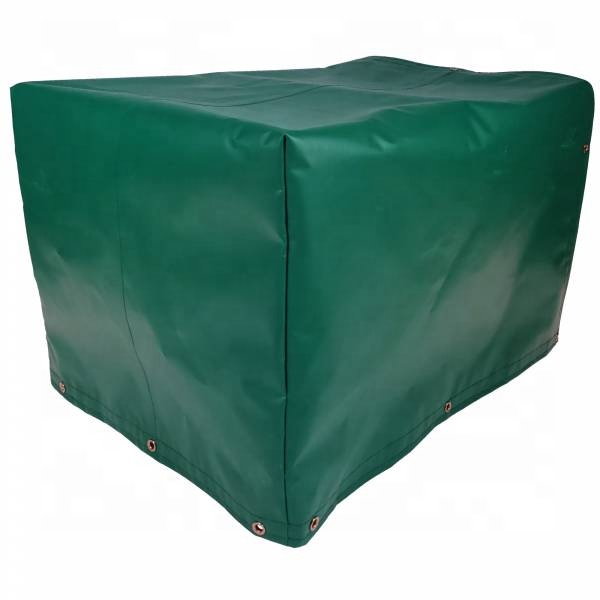
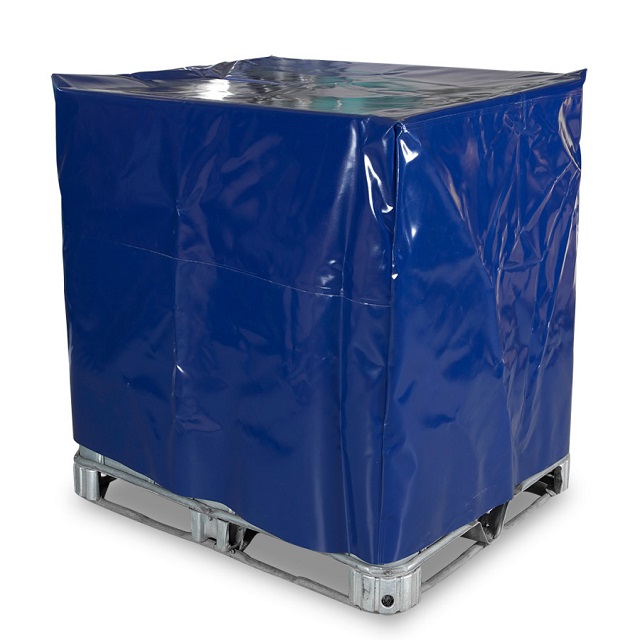
Use a fitted five-sided hood for repeatable pallet profiles or a dimensioned flat tarp for irregular loads. Keep seams oriented to shed water, protect corners and provide enough drop for overlap without dragging on the ground.
Distribute load across reinforced hems, webbing, straps, D-rings or multiple eyelets. Use elastic tension where movement is expected, and avoid over-tightening a few isolated points that can concentrate stress.
Provide protected ventilation when the goods and climate require it. Inspect after installation, after major weather and on a scheduled basis. Record water pooling, loose fasteners, wear marks, seam changes and any internal moisture.
For moisture-sensitive cartons, metals or long storage cycles, combine unit-load wrapping or liners with the external tarp. The inner layer manages dust and localized moisture; the outer cover manages rain, UV and wind.
The most reliable format depends on how uniform the loads are and how often staff must remove and reinstall the cover. A fitted pallet cover reduces excess fabric, improves visual order and makes repeat placement easier. A flat tarp is more flexible for changing dimensions but requires more skill to tension without folds and low points.
Material should be selected by exposure, handling and replacement risk—not by color or thickness alone.
| Cover Direction | Where It Can Fit | Main Advantages | Points to Confirm | Typical Buyer |
|---|---|---|---|---|
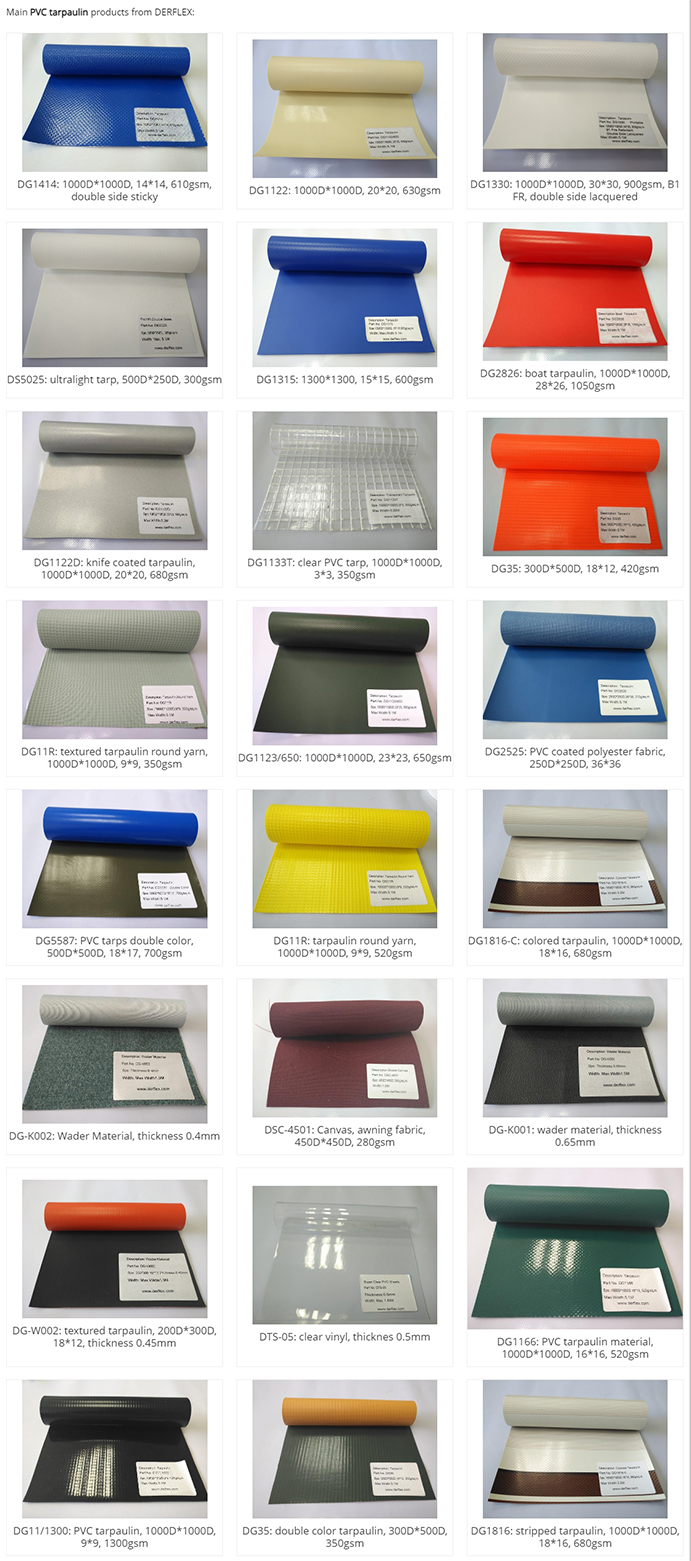
| PVC-coated polyester | Long outdoor exposure, repeated use, industrial yards, logistics and machinery-related goods. | Waterproof surfaceWeldableHigh tear strengthCustom fabrication | GSM, yarn, coating adhesion, UV package, cold flexibility, surface lacquer, seam method and reinforcement layout. | Industrial buyers, importers, distributors, OEM cover brands and project users. |
| Heavy-duty PE tarpaulin | Cost-controlled outdoor programs, seasonal storage and applications where light handling is important. | LightweightEconomicalEasy to deploy | Actual UV stabilization, laminate quality, eyelet reinforcement and expected handling cycles. Avoid assuming every PE grade is suitable for a full year. | General storage, agriculture and short-to-medium duty programs. |
| Reinforced poly laminate | Large covers where strength-to-weight ratio and custom laminate properties are important. | Low massReinforced scrimCustom additives | Seam system, puncture behavior, UV grade, cold-crack performance and repair method. | Specialty packaging and large-format protection programs. |
| Breathable or vented cover | Moisture-sensitive products where airflow is more important than creating a fully sealed envelope. | Condensation controlAir exchange | Vent position, rain hood design, dust ingress, prevailing wind and product-specific humidity requirements. | Timber, selected building products and goods that should not be tightly sealed. |
| Canvas or breathable textile | Selected semi-sheltered or breathable applications where full waterproof performance is not the primary objective. | BreathableLow condensation tendency | Water repellency, mildew risk, wet weight, drying time and maintenance. It may not suit continuous heavy rain exposure. | Special applications requiring airflow and traditional textile handling. |
For a 6–12 month pallet storage program, DERFLEX can develop a cover around the actual duty level rather than supplying a generic stock sheet. Common project discussions include the material structure below. These are specification directions, not universal guarantees; final selection should follow a sample review and use-condition confirmation.
Long-term protection must address trapped humidity as well as direct rainfall.
Do not trap rain-wet cartons, timber or packaging inside the final cover. Allow the load and pallet to dry before sealing the storage system.
Use a vapor-resistant bottom layer or raised base where ground moisture is a concern, while maintaining drainage and forklift access.
Rain-shielded vents or a designed air gap may reduce humid air accumulation. Vent location should match prevailing weather and product sensitivity.
Metals may require VCI materials, desiccants or barrier packaging. Paper, textiles and hygroscopic goods may require humidity monitoring or sheltered storage.
Use this calculator for an early estimate, then confirm the finished size after reviewing the crown, overla, p, anchors and actual load shape.
Formula used: tarp length = load length + two side drops + two tie-down allowances + crown allowance. Tarp width uses the same method. Finished size may be smaller than cut size after welding, hemming and reinforcement. Confirm orientation, seam layout and tolerance with the manufacturer.
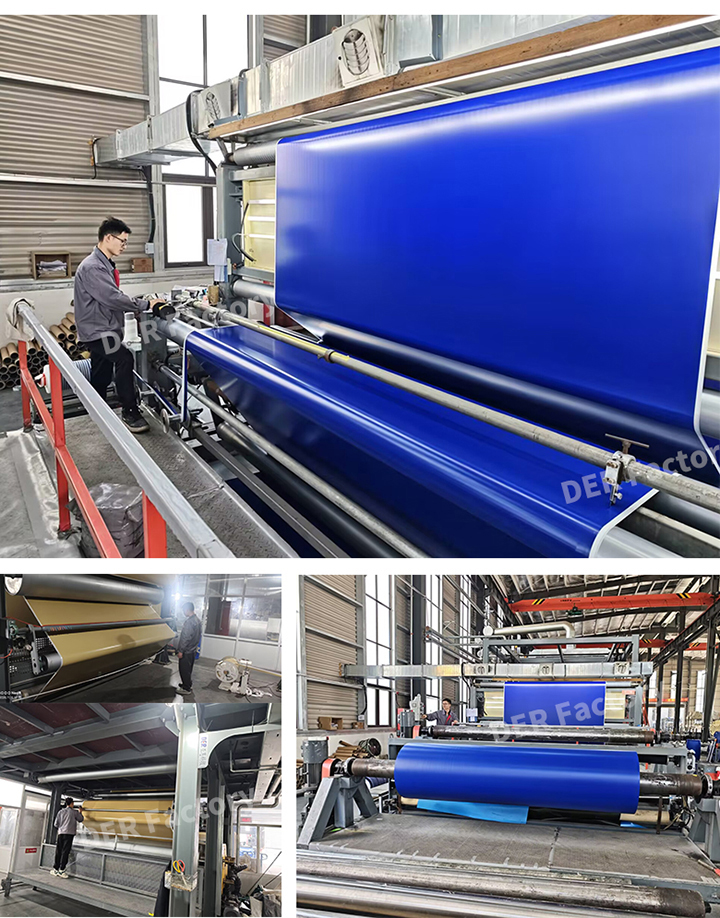
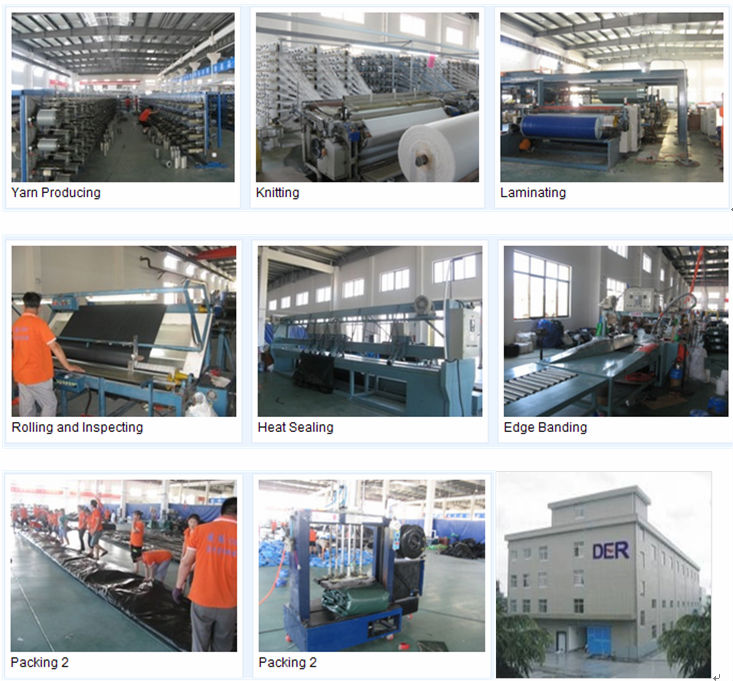
Examples of fitted covers, pallet protection, PVC tarpaulin materials and coated-fabric production.
A simple inspection log helps identify small problems before stored goods are exposed.
Confirm runoff, skirt clearance, anchor distribution, protected corners, seam orientation and ventilation. Re-tension after the cover settles.
Check for pooled water, displaced crown supports, loose cords, torn eyelets, abrasion, lifted skirts, impact damage and water at the pallet base.
Inspect surface flexibility, seams, hems, fasteners, internal humidity signs and changes in load geometry. Increase frequency in severe climates.
Lift or open a controlled section to inspect packaging, corrosion indicators, carton strength and any concealed condensation. Restore the system immediately.
Clean and dry the damaged area before applying a compatible welded or bonded patch. Do not rely on a temporary repair for a high-stress seam or anchor point.
Replace or redesign the cover when brittleness, coating separation, repeated tears, failed reinforcement or major fit changes reduce confidence in the protection system.
A long-term outdoor cover performs as a system. DERFLEX can discuss the base fabric, coating, UV direction, panel layout, seam welding, hems, stress reinforcement, access, branding and export packing in one development process.
This approach is useful for industrial buyers who need a fitted cover for a particular pallet profile and for distributors who want repeatable standard sizes, private-label packaging and controlled specifications across repeat orders.
A precise request helps the supplier recommend a more suitable construction and quote the right finished size.
These six internal resources cover material, UV exposure, waterproofing, supplier evaluation and OEM development.
Common questions from logistics teams, industrial buyers and cover distributors.
Some goods can be protected outdoors for that period when the product, packaging and climate are suitable and the system includes elevation, drainage, UV-resistant covering, secure fastening, condensation control and inspection. Sensitive goods may still require enclosed or climate-controlled storage. A tarp should not be treated as a universal substitute for a warehouse.
PVC-coated polyester is often selected for repeated handling and demanding long-term outdoor duty because it offers strong waterproofing, weldability, tear resistance and custom fabrication potential. Heavy-duty UV-stabilized PE can also suit some programs, especially where lower weight and cost matter. The correct answer depends on climate, handling frequency, wind, product value and the verified material grade.
Not automatically. Airtight covering can trap humid air and increase condensation risk. The correct approach may involve protected vents, an air gap, desiccants, VCI packaging or an inner barrier, depending on the goods. Cover only dry loads and confirm the packaging strategy with the product owner.
Create a firm crown or ridge with a smooth top cap, frame or shaped insert, then tension the cover so water runs continuously to the sides. Avoid unsupported flat spans. Inspect after storms because the load or support may settle and change the drainage profile.
Inspect immediately after installation, after significant weather or site impacts, and on a routine schedule appropriate to the climate and risk. Monthly checks are a practical starting point for many sites, with more frequent inspections in high wind, heavy rain, snow, coastal or high-value storage conditions.
Yes. DERFLEX can discuss custom fitted pallet hoods and flat tarps based on your load dimensions, material direction, service period, fastening, access, venting, color, logo, label and packaging requirements. Sampling is recommended before bulk production.
Share the loaded dimensions, goods type, quantity, outdoor location, expected 6–12 month exposure, fastening points and access needs. DERFLEX can help organize a practical material and finished-cover specification for sampling and quotation.