News
Company News

PU Leather for Wall Panels | Custom Decorative Material | DERFLEX

Update:2026/11/25 18:14:05 Views:
Architectural interiors · Material supply

PU Leather for Wall Panels

A refined leather-look surface begins with the right material construction. DERFLEX supplies customizable PU synthetic leather material for decorative wrapped panels, padded feature walls, headboard surrounds and interior fabrication. Select the grain and color alongside the backing, flexibility, cutting layout and installation method. For public interiors, confirm the required fire and cleaning performance on the actual assembled panel, not appearance alone.

Custom colors and grainsBacking and thickness discussionOEM roll material
DERFLEX MATERIAL COLLECTIONCOLOR · GRAIN · TOUCH
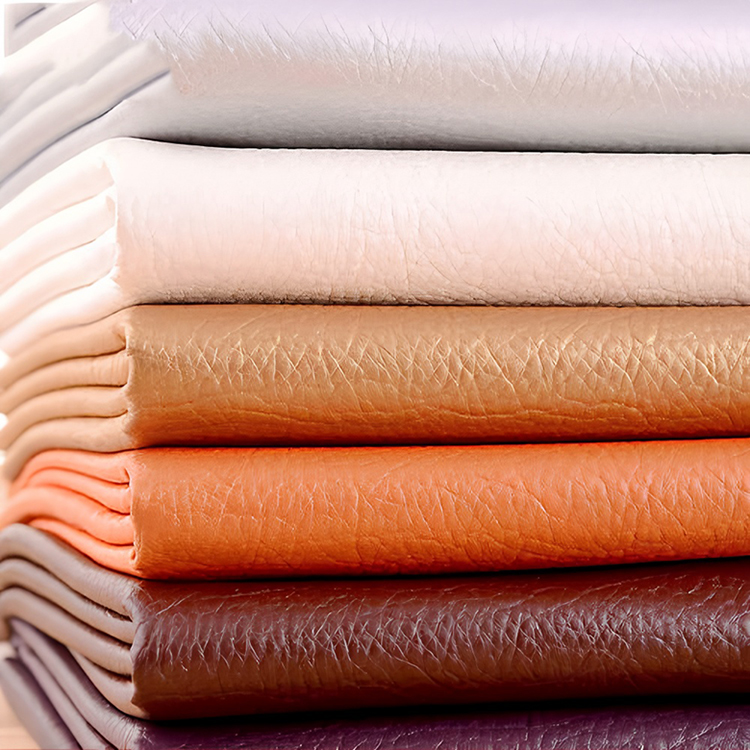
Stack of DERFLEX leather-look material sheets in cream, tan and brown colors
Representative DERFLEX synthetic leather material range. Specify the exact PU construction and approved sample for the wall-panel application.
Designed around your panel build
01 / Material overview

A leather-look finish with a real fabrication brief.

PU leather is the facing material, not the entire wall-panel system. The correct choice comes from the surface, its backing and the way the panel is built.

What is PU leather for wall panels? It is a flexible synthetic leather material with a polyurethane-based finished face and a selected support backing. Fabricators may bond it to a rigid board, wrap it around padded or upholstered wall modules, or use it as an accent material on headboard and furniture-adjacent wall features. It offers controllable colors, embossing and leather-like aesthetics without using whole natural hides.

Unlike a general upholstery specification, a wall-panel specification must account for visual continuity across adjacent modules, edge folding, adhesive compatibility, substrate movement and light striking the wall from different angles. Thin facing may reveal imperfections beneath it; an overly stiff construction may wrinkle at tight corners.

DERFLEX can discuss custom PU leather construction with buyers developing repeatable collections. For a general introduction to surface and backing choices, see our PU leather material guide and broader synthetic leather fabric range.

02 / Where it works

Specify by panel type and everyday contact.

Start with what the finished wall does for the space. Each use case changes the required material and mock-up.

01

Feature walls and display surfaces

Leather-grain panels can bring warmer texture to lobbies, showrooms, retail fixtures and office reception areas.

  • Prioritize color continuity and sheen under wall lighting
  • Coordinate panel spacing and grain direction
  • Review cleanability at touch points
02

Wrapped padded wall modules

Soft-facing decorative modules around beds, banquettes or interior partitions may require additional flexibility over foam and around edges.

  • Trial the fold over corners and padding
  • Check backing elongation and seam design
  • Validate the full padded build for the intended use
03

Hospitality and commercial interiors

Hotels, lounges and commercial spaces need an attractive surface that can also withstand repeated cleaning and maintenance.

  • Define approved cleaners and cleaning frequency
  • Agree on replacement-panel color control
  • Confirm project fire requirements with the specifier
03 / Specification framework

Choose the material in the same order you build the panel.

DERFLEX material characteristics are developed to a buyer-approved construction. The table below is a specification checklist, not an invented catalog of fixed SKUs.

Design variableQuestions to settleWhy it affects the wall
Surface and embossingFine grain or pronounced texture; matte, semi-matte or custom gloss; reference sample and lighting direction.Neighboring panels can appear different when grain or sheen changes under side lighting.
Color matchingApproved physical master, target hue, acceptable batch variation and spare panel strategy.Large uninterrupted walls reveal slight differences between production lots.
Backing selectionKnitted, woven, nonwoven or other candidate backing; adhesion and dimensional stability trials.The backing influences wrapping, adhesive bonding and long-term panel flatness.
Thickness and hand feelPanel edge radius, padding, stiffness and finished profile; confirm using sample and mock-up.Thickness alone cannot predict crease resistance or corner behavior.
Width and cut layoutPanel dimensions, grain direction, roll width, allowances and expected trim waste.Sheet yield and pattern continuity affect both quote and fabrication time.
Service performanceCleaning chemicals, abrasion/contact, light exposure, hydrolysis aging, adhesion and color transfer as relevant.The target test and acceptance threshold must reflect the actual installation environment.
Fire or acoustic performanceCountry, occupancy, system design, approved method and assembly-level test evidence.A facing material rating does not automatically qualify a completed wall assembly.

No unverified GSM, thickness, width, lead time, flame rating or acoustic NRC is assigned to this product. Request a controlled TDS and sample for the specific construction under consideration.

04 / Construction logic

A finished panel is more than a beautiful face.

Approving the leather surface is only the first step. The backing, bonding method and substrate determine how the finish behaves in service.

Bonded flat panel

Review surface telegraphing, adhesive compatibility and any trapped-air risk. A smooth substrate and tested bonding cycle matter.

Wrapped padded panel

Review foam compression, edge radius, corner folds, staple or fixing zones and the transition to adjacent modules.

Curved feature

Make a real-size trial around the minimum radius. Stretch, grain distortion and whitening can become visible at the edges.

Serviceable wall system

Decide whether individual modules can be replaced and how to retain color consistency for later maintenance.

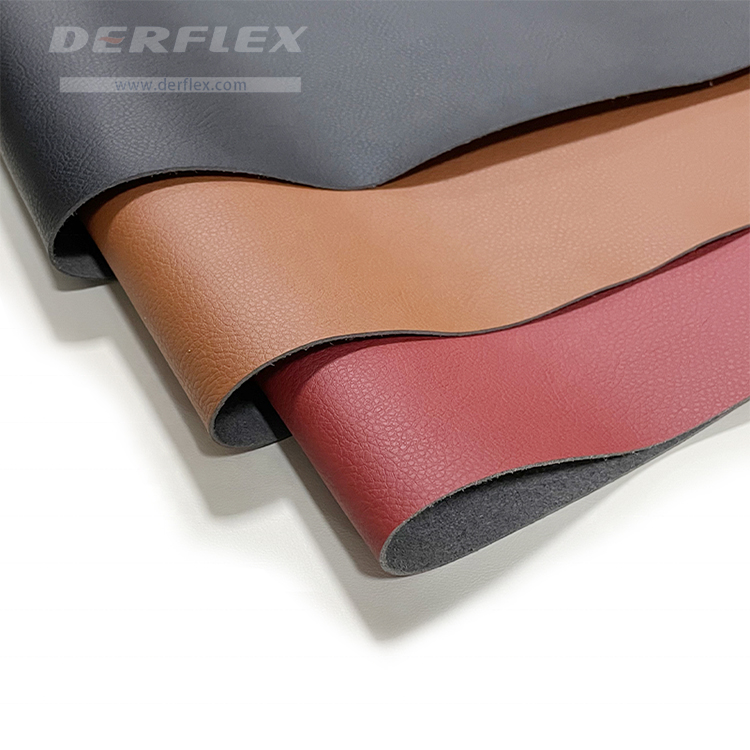
DERFLEX polyurethane synthetic leather samples showing a flexible textile-backed edge
Real DERFLEX PU leather material sample. Edge appearance and flexibility should be evaluated with the actual substrate and panel geometry.
05 / Material comparison

PU, PVC leather or textile: the right choice depends on the finish and system.

Rather than applying one ranking to every wall, compare the properties that govern appearance, processing and maintenance.

ConsiderationPU synthetic leatherPVC leather materialUncoated decorative textile
Visual characterSoft leather-like grain and touch; broad finish development options.Leather-like coated surface; finish varies by construction.Woven or knitted textile character, often with visible yarn detail.
Wrapping and edgesCan be flexible; verify backing and corner behavior by mock-up.Can be suitable; stiffness and fold marks depend on grade.Drape and fraying depend on weave and treatment.
CleaningPotential easy-clean options; approve cleaner and method on sample.Wipe-clean options common; check chemical compatibility.May require stain treatment and a different maintenance regime.
Acoustic panel facingCoated surfaces can restrict sound transmission; require assembly tests.Coated surfaces can restrict sound transmission; require assembly tests.Some open textiles transmit sound more readily; test whole system.
Good buying questionWhich face, backing and thickness work with this panel build?Does the chosen grade meet flex, finish and service requirements?Does the textile meet installation and cleaning requirements?

Compare specific approved constructions, not generic material categories. See faux leather sheets for cut-sheet supply considerations and fire-retardant synthetic leather for test-pathway questions.

06 / Panel fabrication

From design sample to a repeatable wall installation.

A realistic approval sequence reduces color surprises, edge wrinkles and confusion between material supply and finished-panel responsibility.

STEP 01

Define the panel build

Send drawings, substrate, optional foam, corner shape, installation location and intended cleaning routine.

STEP 02

Approve a physical sample

Compare grain, gloss, color and backing under the same lighting that the installed wall will see.

STEP 03

Make a full-size mock-up

Check adhesion, folds, seams, edge returns, substrate show-through and visual match between modules.

STEP 04

Lock the project specification

Record approved construction, test documents, roll width, grain direction, batch reference and packing method.

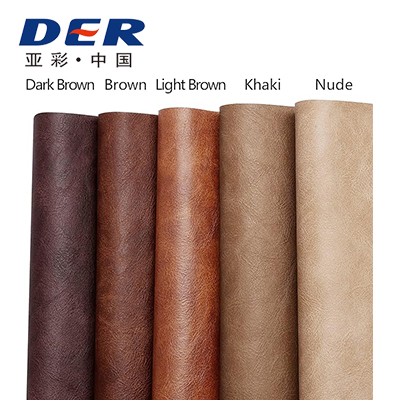
DERFLEX color selection of leather-look synthetic rolls in dark brown, tan, khaki and nude
Color range illustration from a real DERFLEX material photo; display and lighting can differ from the approved physical swatch.

Plan the cut layout before ordering rolls.

Calculate the usable area from the developed panel size, not only the visible face. Add the required returns around each edge, accommodate grain direction and any spacing or pattern repeat, and account for realistic trim waste. Roll width affects the number of panels per strip and may change total procurement cost even when the material price per square meter looks similar.

For a more general view of softness, backing and upholstery-related processing, compare the upholstery PU leather program. Wall-panel projects still need their own mock-up and assembly tests.

08 / Before you order

Project checks that prevent expensive rework.

For interior specifiers and fabricators, the biggest risks often sit outside the face material specification.

Assembly and performance

  • Fire: obtain test evidence appropriate to the local building code and the final facing/adhesive/foam/substrate assembly. An upholstery ignition test is not necessarily a wall-lining qualification.
  • Acoustics: do not assume a PU leather facing makes a decorative panel sound-absorbing or soundproof. Confirm the complete construction with a qualified specialist.
  • Cleaning and aging: agree on approved detergents, stain resistance and any hydrolysis/lightfastness testing appropriate to the intended environment.

Production and appearance

  • Adhesion and wrapping: make a mock-up with the actual glue, substrate, foam and edge profile; observe it after curing.
  • Color and grain: document the approved master, roll direction, panel layout and allowed batch differences.
  • Repeat supply: confirm labeling, roll protection, spare material strategy and inspection checkpoints before the main order.

If the project is a hotel headboard or seating-adjacent installation, our PU leather supply overview explains broader color, embossing and roll customization.

10 / Frequently asked questions

Clear answers for designers and B2B buyers.

Six practical questions to settle before sampling or placing a roll-material order.

Can PU leather be used on interior wall panels?
Yes. PU leather can be considered as a decorative facing for upholstered or substrate-wrapped interior panels. Backing, adhesive or mechanical fixation, bend radius, cleaning needs and the performance of the complete installed system must be checked for the project.
Is PU leather wall covering the same as a finished wall panel?
No. PU leather wall covering material is a flexible facing supplied as a sheet or roll. A finished panel also includes the substrate, optional foam, bonding or fastening method, edge treatment and installation system. Confirm the supply scope before ordering.
Does PU leather make a wall panel soundproof or acoustic?
Not by itself. A coated leather-look surface may reflect sound, and a decorative wrapped panel should not be described as sound-absorbing without assembly-level acoustic test results. Select and test the complete panel system if absorption is required.
Is PU leather automatically fire-rated for commercial interiors?
No. Fire performance depends on the exact facing and the tested installation assembly, including backing, adhesive, foam, substrate and mounting method. The applicable code and documented test method must be established for each market and project.
How should designers choose thickness and backing?
Start with panel size, edge profile, curves, substrate, fastening method and wear conditions. Request candidate backing and thickness samples, make a full-size corner mock-up, then confirm appearance and adhesion before production.
What should I send to request a wall-panel PU leather sample or quotation?
Share the project application, design reference, desired color and grain, panel drawing, substrate or foam, intended fixing method, required testing, estimated material area or quantity, target roll width, destination and schedule.

11 / Start the conversation

Make the material work for the wall you are building.

Bring us the panel drawing, intended environment and finish reference. The next useful step is an informed material discussion and physical sample review—not a generic grade recommendation.

For a faster sample or quotation discussion

Include color/grain, panel dimensions, substrate, edge detail, expected material quantity, performance documents needed and delivery destination.

Send Your Wall Panel Enquiry
DERFLEX · Material specification guidance for professional B2B purchasing. Final construction, availability and performance documentation depend on approved material and project details.
Consulting Services
+86-021-54361792 / 54361798
Email
sales@derflex.com