News
Company News

Fire Retardant Synthetic Leather | Custom FR Faux Leather | DERFLEX

Update:2026/8/7 18:51:36 Views:
Synthetic leather development for global B2B & OEM projects
FR Upholstery Material • OEM Development • Test-Route Planning

Fire Retardant Synthetic Leather

Synthetic leather developed around the fire-safety requirement of the final product—not a generic “FR” label. DERFLEX supports PU, PVC and application-oriented synthetic leather programs for contract seating, automotive interiors, hospitality furniture and other projects where ignition behavior must be defined and verified.

Color, grain, backing, thickness, hand feel, abrasion direction, cleanability and the required flame test pathway can be discussed together before sampling. Final compliance depends on the exact material construction, test method and, for some standards, the complete upholstery composite.

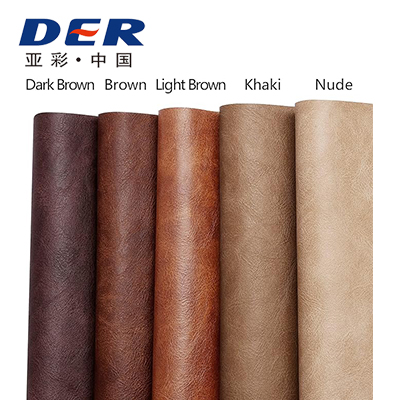
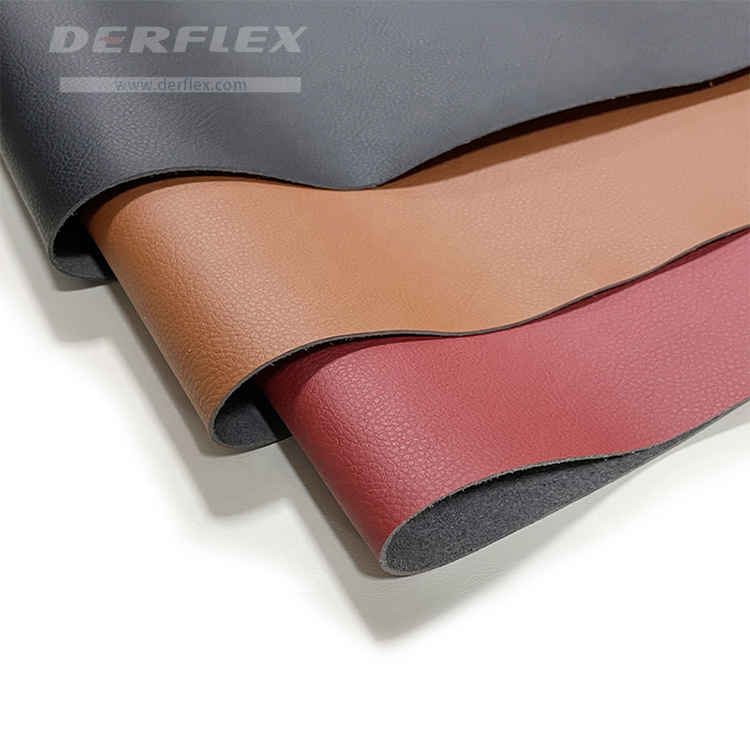
DERFLEX synthetic leather rolls for fire retardant upholstery development
PU / PVC Options Custom Grain & Color Project Test Route
Quick buyer answer

Fire retardant synthetic leather is artificial leather engineered to resist ignition or slow flame spread under a defined test method. It is not “fireproof.” For procurement, the important questions are: which standard, which ignition source, which material structure, and whether the test applies to the leather alone or the complete upholstered composite.

Material definition

Specify Flame Performance Before You Specify the Surface

Fire retardant synthetic leather—also searched as flame retardant synthetic leather, FR faux leather, flame resistant artificial leather or fire retardant PU leather—is a coated or laminated leather-look material whose construction is selected to meet a defined ignition-resistance requirement.

The material may use a PU, PVC, microfiber or other engineered surface system over a woven, knitted, nonwoven or microfiber substrate. The fire-safety pathway can involve the surface resin, backing, adhesive, intermediate layers or a combination of these elements. Because the chemistry and construction affect hand feel, flexibility, abrasion behavior and processing, FR performance should be planned together with the final application rather than added as an afterthought.

Important: “Fire retardant,” “flame resistant” and “passes a named test” are not interchangeable with “non-combustible” or “fireproof.” DERFLEX recommends confirming the exact test method and final application before bulk production.
01

Protective Top Finish

Defines gloss, touch, stain behavior, cleaning route, color appearance and surface protection.

02

Leather-Look Surface Layer

PU, PVC or application-specific resin system can be embossed or finished for the required grain and tactile profile.

03

Bonding / Functional Layer

Adhesive and intermediate construction influence flexibility, adhesion, conversion behavior and the selected flame-retardant pathway.

04

Textile or Microfiber Backing

Woven, knitted, nonwoven or microfiber backing is matched to sewing, upholstering, wrapping, stretching and end-use conditions.

Test-route planning

Common Fire-Safety Standards Buyers Ask About

A professional quotation should name the required standard instead of using “FR” as a standalone specification. The examples below are commonly referenced in upholstery and vehicle projects; the applicable version, sample construction and pass criteria must be confirmed for the destination market.

UK / Contract Upholstery

BS 5852 & Crib Tests

Often specified for upholstered seating in commercial environments. Requirements can range from ignition sources 0/1 to higher-hazard crib tests. Some evaluations involve a cover-and-filling composite rather than the cover material alone.

Europe / Furniture

EN 1021-1 / EN 1021-2

Used to assess ignitability of upholstered furniture by smouldering cigarette and match-flame equivalent ignition sources. Foam and upholstery construction can affect the result.

North America / Upholstery

CAL TB 117-2013 / NFPA 260

Frequently referenced for upholstered furniture and cover fabrics. Compliance terminology should be kept separate from assumptions about whether added flame-retardant chemicals are present.

Automotive Interiors

FMVSS 302

Commonly referenced for the flammability of materials used in vehicle occupant compartments. The exact automotive construction, thickness and production route should be represented by the test sample.

For marine, rail, aviation or country-specific public-space projects, send the customer specification or standard number with the inquiry. DERFLEX can review the material pathway, while final acceptance remains subject to the relevant laboratory test and project authority.

Procurement evidence

A Test Name Is Only the Beginning

For safety-related upholstery, buyers reduce risk by checking whether the evidence really matches the material they plan to purchase. This is especially important when color, backing, thickness, foam, lamination or formulation changes between sampling and bulk production.

1. Exact standard & editionAvoid requests such as “need FR” without a named method.
2. Ignition source / severitySource 0/1, Crib 5, smouldering, open flame or automotive burn-rate requirements are different procurement paths.
3. Tested constructionConfirm surface resin, backing, thickness, foam or composite configuration represented in the report.
4. Color & formulation relevanceAsk whether the test evidence covers the exact product family or only one laboratory sample.
5. Production consistencySampling, specification records and repeat-order controls should be agreed before scale-up.

Why this matters for OEM buyers

A synthetic leather can look identical while using a different backing, coating weight, additive package or adhesive system. Those changes can alter not only flame behavior but also seam strength, hand feel, cold flexibility, abrasion performance and aging.

DERFLEX therefore treats a fire-retardant program as a controlled material specification: define application → choose construction → make sample → confirm processing → test the representative material or composite → lock the approved specification for production.

This workflow is designed for importers, furniture factories, automotive interior suppliers, contract upholsterers and private-label brands that need repeatable purchasing rather than a one-time sample.

Product image display

Synthetic Leather Surface & Backing Options

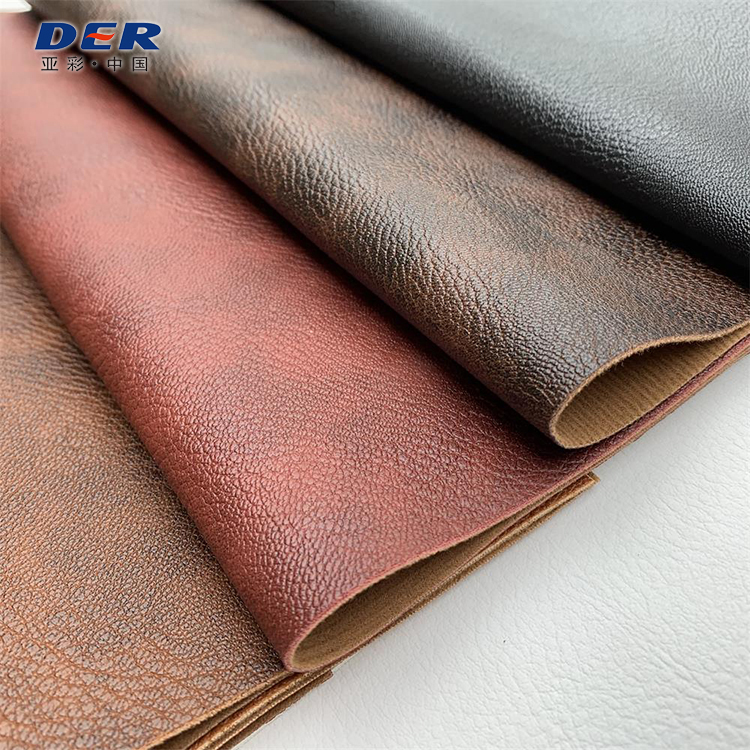
DERFLEX can discuss leather grain, color, backing, softness, gloss and performance direction as one integrated specification. Images below are actual DERFLEX synthetic leather materials; fire performance must be confirmed for the selected construction and requested test.

Beyond flame behavior

Performance Has to Work After the Test

A fire-retardant surface that cannot survive real upholstery production is not a useful specification. DERFLEX can develop the FR pathway alongside the mechanical and visual requirements of the finished product.

Abrasion Direction

For high-use seating, test level and surface finish should be selected around expected traffic, cleaning frequency and contact wear.

Hydrolysis & Aging

PU systems for humid or demanding interiors may need a defined hydrolysis-resistance route. The target should be stated before formulation and sampling.

Cleanability

Hospitality, healthcare and public seating programs may require controlled wipe-clean behavior. Approved cleaners should be tested on the selected top finish.

Color & Grain Repeatability

Sample-card appearance must translate into bulk rolls. Color targets, embossing and gloss direction can be documented for repeat orders.

Sewing & Upholstery Fit

Backing, stretch, thickness and tear direction affect cutting, stitching, quilting, edge wrapping and fitting over foam.

Restricted-Substance Review

If a project requires a specific chemical restriction, low-emission route or flame-retardant-additive policy, send the requirement before development so feasibility can be reviewed.

Custom specification

Fire Retardant Synthetic Leather Specification Guide

The values below are quotation and development options rather than fixed universal specifications. Final construction depends on end use, required test method, MOQ, color, backing and destination-market requirements.

Product CategoryFire retardant synthetic leather / flame retardant artificial leather / FR faux leather / fire retardant PU or PVC leather, depending on project structure.
Surface SystemPU, PVC or application-specific synthetic leather surface; smooth, fine grain, pebbled, calf-like, matte, semi-matte, gloss, printed or custom embossed direction.
Backing OptionsKnitted fabric, woven fabric, polyester base, nonwoven, microfiber or project-specific backing selected for sewing, wrapping, lamination and upholstery behavior.
Thickness & WeightCustomized by construction and end use. Target thickness/weight should be specified together with required test route and processing method.
Width / Roll LengthDiscuss according to cutting layout, production equipment, packing method and order quantity.
Flame Test PathwayExamples requested by buyers include BS 5852, Crib 5, EN 1021-1/-2, CAL TB 117-2013, NFPA 260 and FMVSS 302. Feasibility and the exact sample configuration must be confirmed before testing.
Other Performance DirectionsAbrasion resistance, hydrolysis resistance, easy-clean finish, water-resistance direction, UV direction, anti-mildew direction, cold-flexibility and other project needs can be discussed.
Color & GrainStandard color direction, buyer sample matching, custom color, custom grain, gloss control and embossing development.
MOQDepends on material system, color, backing, embossing, FR formulation and test requirement. Contact DERFLEX with the project details for a workable production route.
Supply FormatRoll goods, sample swatches, sample cards, OEM labels, private-label packaging and export-oriented packing can be discussed for B2B programs.
Application fit

Where FR Synthetic Leather Is Commonly Specified

The most suitable resin system and test pathway depend on how the finished product is used, cleaned, installed and regulated.

Hotels & HospitalityHeadboards, lounge seating, restaurant chairs, booth seating and guest-area furniture where project fire requirements may apply.
Contract & Public SeatingAuditoriums, offices, education spaces, waiting areas and other commercial interiors with defined upholstery specifications.
Automotive InteriorsSeats, headrests, armrests, door panels and trim where FMVSS 302 or customer-specific vehicle requirements may be relevant.
Healthcare FurnitureTreatment chairs, care seating and wipeable upholstery requiring a balance of cleaning, durability and specified ignition performance.
Marine & Leisure InteriorsInterior seating and cushions where the flag, vessel class or project specification may require a particular fire-test route.
RV & Transport SeatingCamper, coach and specialty-vehicle interiors that need flexible upholstery construction and documented material requirements.
Decorative PanelsWrapped wall or furniture panels requiring leather appearance, lamination compatibility and project-specific fire behavior.
OEM Product ProgramsPrivate-label synthetic leather collections where repeat color, packaging, specifications and testing documentation need coordinated control.

Development workflow

How DERFLEX Builds an FR Synthetic Leather Program

A controlled development sequence helps avoid the common failure of approving a beautiful sample first and asking about fire testing only after the product is already engineered.

STEP 01Define End UseFurniture type, vehicle part, public-space use, cleaning environment and converting method.
STEP 02Name the TestStandard, ignition source, target class and whether a full composite is required.
STEP 03Match StructurePU/PVC route, backing, thickness, stretch, grain, top finish and other performance needs.
STEP 04Sample & ProcessReview color, touch, sewing, wrapping, bonding and visual appearance in the real product process.
STEP 05Confirm TestingTest the representative material or upholstery composite according to the required method.
STEP 06Lock Bulk SpecFreeze the approved construction, packaging and repeat-order control points before production.
Buyer checklist

What to Send for a Faster, More Accurate Quote

Avoid a vague inquiry

  • “Need fireproof leather.”
  • “Need Crib 5, same as any PU leather.”
  • “Use this color; testing can be done later.”
  • “Quote the lowest price without backing or thickness.”

Send these project details

  • Final product and market/country.
  • Required standard, ignition source or customer test document.
  • Color, grain, gloss and hand-feel reference.
  • Backing, thickness/weight and roll width target.
  • Processing method: sewing, quilting, wrapping, lamination or bonding.
  • Quantity, sample deadline, packaging and repeat-order plan.
DERFLEX supply logic

Custom Material Development Instead of a One-Size-Fits-All “FR Leather”

DERFLEX supports global B2B buyers that need synthetic leather as a repeatable manufacturing input. The focus is on matching surface design, backing, processing behavior, project performance and bulk supply in one controlled program.

Custom surface developmentColor matching, grain, embossing, gloss and touch direction for furniture and product collections.
Application-based material selectionPU, PVC and synthetic leather options discussed around the final product rather than only sample appearance.
Sample-to-bulk coordinationSpecification confirmation, roll packing, labels and export-oriented order support for repeat purchasing.
Adjacent performance pathwaysAbrasion, hydrolysis, easy-clean, UV, water-resistance and other project directions can be reviewed with the FR requirement.

For distributors, factories and private-label brands

Commercial buyers often need more than one FR leather SKU. A collection may include several colors, grains or backings while still requiring a consistent appearance and documented compliance route.

DERFLEX can discuss sample-card development, color families, roll labeling, packing marks and repeat-order controls so that the material works as part of a product program, not only as an isolated swatch.

Send Your Specification
FAQ

Fire Retardant Synthetic Leather FAQ

Is fire retardant synthetic leather fireproof?

No. Fire retardant synthetic leather is designed to resist ignition or reduce flame spread under a defined test method. It should not be described as fireproof or non-combustible unless a specific, applicable standard proves that claim for the final product.

What is the difference between BS 5852 Source 0/1 and Crib 5?

They represent different ignition severities and test arrangements for upholstered seating. Source 0/1 is commonly associated with cigarette/match-type ignition, while Crib 5 uses a more severe wooden-crib ignition source. The required level depends on the project and market; the upholstery composite may need to be tested as a system.

Can PU synthetic leather be made flame retardant?

PU synthetic leather can be developed toward a flame-retardant test requirement through its resin, backing, adhesive and overall construction. The final result must be verified using the required test method on a representative sample.

Is PVC leather automatically compliant because PVC is flame resistant?

No. The polymer can have favorable flame behavior, but the finished synthetic leather includes backing, plasticizers, finishes, adhesives and other components. Compliance should be based on the tested product construction, not the resin name alone.

Can one FR test report cover every color and backing?

Not necessarily. Changes in formulation, backing, thickness, coating weight or other construction details can affect relevance. Buyers should confirm that the test evidence applies to the exact product family and production specification they plan to purchase.

Can DERFLEX supply Crib 5 or FMVSS 302 synthetic leather?

DERFLEX can review projects that require Crib 5, FMVSS 302 or other named fire-test pathways. Feasibility depends on the requested material system and end-use construction. The requirement should be provided before sample development, and final compliance must be confirmed by appropriate testing.

What information should I provide for a quotation?

Send the final application, destination market, required fire standard, color/grain target, backing, thickness or weight direction, roll width, processing method, quantity, packaging requirement and sample deadline. If you have a customer specification or test document, attach it.

Build the FR Requirement into the Material from Day One

Send DERFLEX your application, required standard, surface target and order details. We can review a suitable synthetic leather development path and prepare the next sampling step.

Compliance note: Test standards, regulatory requirements and restricted-substance rules vary by country, application and product construction. Product suitability should be confirmed through representative sampling, testing and the buyer's final-product compliance review.

Consulting Services
+86-021-54361792 / 54361798
Email
sales@derflex.com