
General Flatbed Tarps
For mixed freight, palletized goods, building materials and equipment with moderate load height.
- Flexible standard or custom dimensions
- Multiple rows of D-rings or grommets
- Suitable for two-piece and three-piece sets



DERFLEX develops custom semi trailer tarps for flatbed freight, lumber, steel, machinery, palletized cargo, curtain-side bodies and retractable cover systems. Specify the cargo profile, handling method, route conditions and fastening layout; we can support PVC tarp rolls, cut panels, semi-finished components or completed covers.
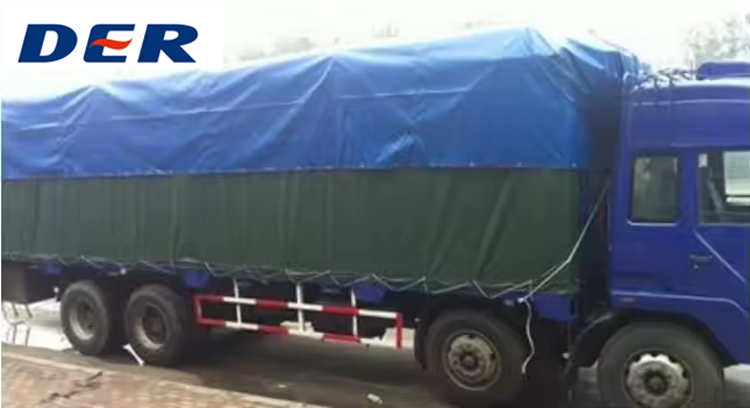
A cover used on a semi-trailer must perform while the vehicle accelerates, brakes, turns and travels through changing weather. The fabric is repeatedly folded and tensioned; edges contact cargo, straps and trailer components; pressure changes across the tarp at road speed. For that reason, the purchasing decision should not stop at length, width or material weight.
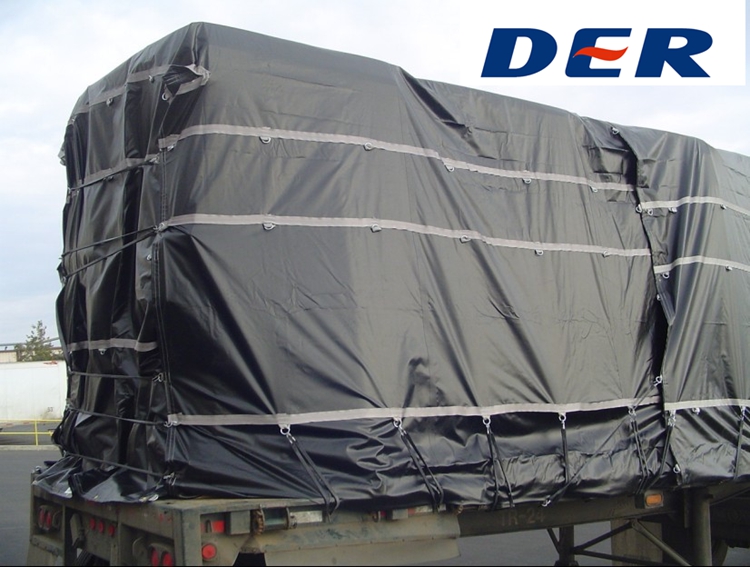
DERFLEX approaches each program through the relationship between cargo geometry, tarp construction and operator handling. A compact steel load may need a shorter drop and concentrated abrasion protection. Tall lumber or wallboard loads usually need deeper drops and practical overlap. Machinery loads often require shaped panels, corner protection and a hardware layout that works around irregular profiles.
A practical tarp program separates loads by shape, height, handling pattern and exposure instead of forcing every trailer into one construction.
For mixed freight, palletized goods, building materials and equipment with moderate load height.
For lumber, plywood, wallboard and freight requiring deeper side and end coverage.
For plate, pipe, rebar, coils and compact industrial freight where sharp-edge contact is a concern.
For equipment, fabricated parts and project cargo that does not follow a rectangular load outline.
For semi-trailer side curtains where clean appearance, tensile performance and printing compatibility matter.
For covered-wagon, rolling and sliding tarp systems requiring repeated opening and closing.
Material weight influences durability and handling, but the finished performance also depends on fabric construction, reinforcement and fit.
Semi trailer tarps commonly use a woven polyester base coated with PVC on both sides. The polyester structure carries mechanical load while the coating provides a weather barrier, cleanable surface and compatibility with hot-air or high-frequency welding methods.
The useful specification is the combination—not one headline number. Yarn denier, weave density, coating build, surface finish and reinforcement design should be aligned with the intended cargo and service cycle.
Designed to help shield freight from rain, road spray, dust and routine outdoor exposure.
Suitable for welding, hemming, eyelet punching, webbing, D-rings and reinforced patches.
Material weight can be adjusted by panel or zone to balance durability with operator effort.
Custom colors, surface finishes, printed identification and private-label packaging are available.
The table below is a purchasing reference. Final values should be confirmed against the selected construction, test method and finished-cover design.
| Specification Item | Typical Direction | Selection Consideration |
|---|---|---|
| Material Structure | Polyester base fabric with PVC coating on both sides | Selected for weldability, weather protection and repeated truck-tarp handling |
| Fabric Weight | 550–1100 gsm; 650–900 gsm is common for many trailer-cover programs | Lighter options help handling; heavier options support demanding abrasion and service-life targets |
| Base Fabric | Common directions include 1000D × 1000D, with weave selected by performance target | Yarn and density affect tensile, tear, dimensional stability and finished weight |
| Available Width | Up to 5.1 m on selected constructions | Wider material can reduce seam count for curtain and large-panel fabrication |
| Surface | Glossy, matte, lacquered or project-specific texture | Choose around cleaning, print appearance, friction and market preference |
| Temperature Direction | Cold-flexible and heat-resistant formulations can be specified; project examples may target approximately -30°C to +70°C | Confirm route climate, folding frequency and required test method before production |
| Functional Options | UV resistance, flame-retardant, anti-mildew, anti-static, oil-resistant and blockout directions | Availability and compliance depend on the selected formulation and requested test standard |
| Finished Hardware | Grommets, D-rings, webbing, straps, buckles, rope, patches and reinforced corners | Placement should follow load geometry and practical tie-down positions |
| Supply Form | Fabric rolls, cut sheets, welded panels, semi-finished kits or finished semi trailer tarps | Choose according to local fabrication capability, freight efficiency and inventory model |
Important: Published ranges are not a universal guarantee of finished-product performance. Send the required standard, test method and application details for confirmation.
Field failures often begin at fastening points, corners, edges and cargo-contact zones. The finished construction should distribute tension rather than concentrate it.
Reinforced edges help support repeated tie-down force and reduce local deformation around the tarp perimeter.
Hardware spacing should match trailer rub rails, cargo height and the driver's practical tie-down sequence.
Panel orientation and weld placement influence water shedding, folding behavior and stress distribution.
Extra layers can be applied around corners, top edges and repeated contact points identified from the load profile.
Examples from DERFLEX truck-cover and trailer-tarpaulin applications. Final cover construction is customized by project.
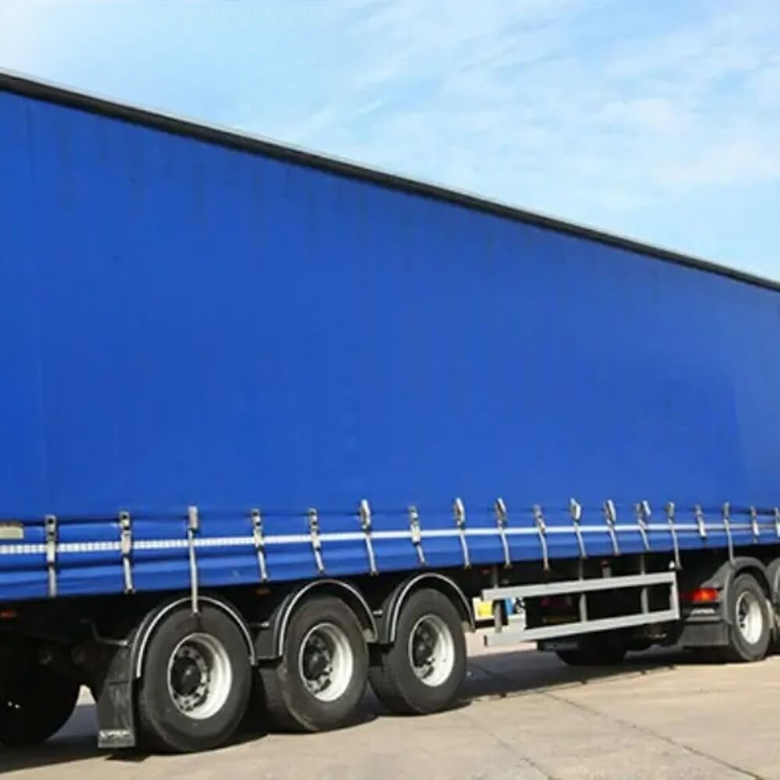
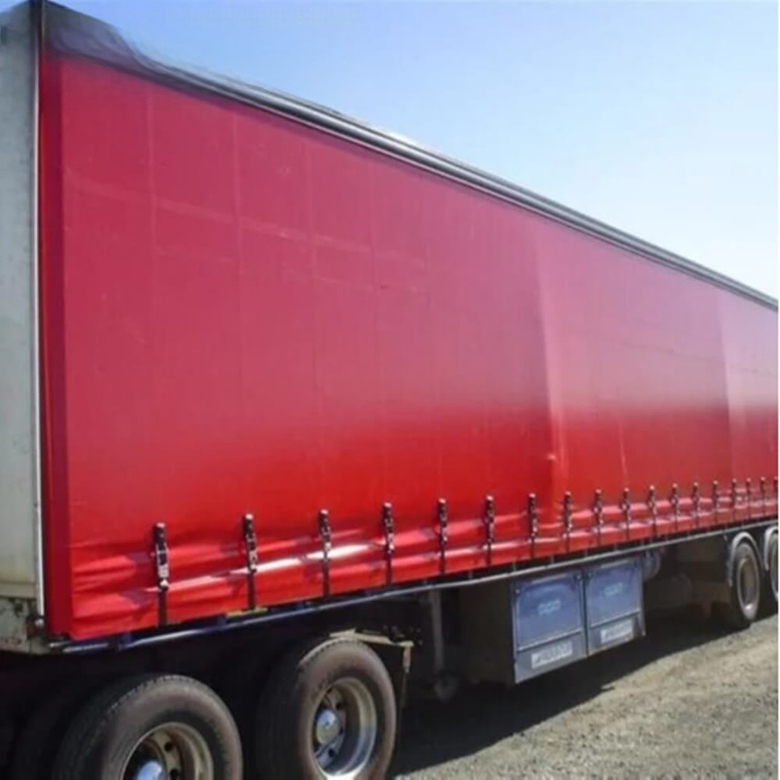

A clearer technical brief reduces sampling revisions and helps keep repeat orders consistent.
Trailer type, deck length, width, side system and attachment points.
Cargo profile, height, sharp edges, overlap and access requirements.
GSM, yarn construction, surface, color and functional treatment.
Panel drawing, welds, hardware, webbing, patches, logo and packing.
Sample review, production control and repeat-order specification.
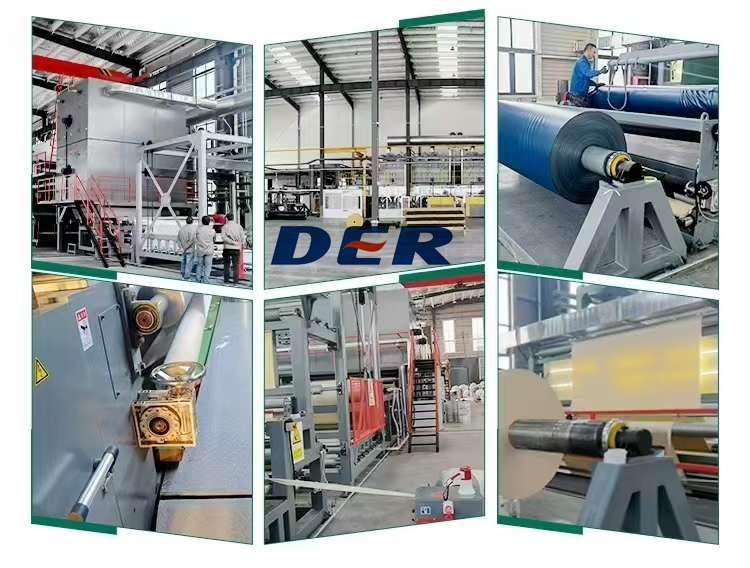
DERFLEX supports buyers who need specification control, customization and repeatable supply across multiple trailer or cargo-cover programs.
Coordinate coating, fabric weight, color and surface direction with the finished-cover requirement.
Buy rolls for local conversion, welded components for assembly or completed tarps for direct distribution.
Custom labels, logo marks, warning text, packaging and repeat-order specifications for private brands.
Material, reinforcement and hardware decisions are reviewed against the actual trailer and cargo profile.
Both models have valid uses. The right choice depends on whether the priority is immediate replacement or specification consistency across a fleet, product line or repeat procurement program.
Six related pages connect this semi trailer tarp page with material, cargo and trailer-system decisions.
Answers for fleets, importers, distributors, tarp converters and trailer-system manufacturers.
PVC coated polyester is widely used because it combines a woven reinforcement base with a waterproof coating, outdoor durability and compatibility with welding, webbing, grommets and D-rings. The exact weight and construction should follow the cargo, handling method and route conditions.
Measure the loaded cargo rather than the empty trailer alone. Provide load length, width, peak height, side drop, end drop, overlap, trailer attachment points and any projections. For two-piece or three-piece sets, also define the intended overlap and handling sequence.
Heavy vinyl directions are useful for demanding abrasion and service conditions, while lighter constructions reduce manual handling effort. Some projects combine heavier lower sections or high-wear zones with lighter upper panels. DERFLEX can review the balance between durability, total tarp weight and driver use.
Yes. Hardware type, row count, spacing and reinforcement can be customized. A drawing or clear trailer dimensions help align the attachment points with rub rails, straps, buckles and variable load heights.
DERFLEX can support PVC coated fabric rolls, cut sheets, welded panels, semi-finished kits and finished semi trailer tarps. The most efficient supply model depends on local fabrication capability, order quantity, packing volume and inventory strategy.
Send the trailer type, load dimensions, tarp size or drawing, desired drop height, material weight direction, color, hardware and reinforcement details, functional requirements, order quantity, branding needs and destination market. Include the required test standard when compliance documentation is part of the project.
DERFLEX can review the trailer type, cargo geometry, handling target, material construction, reinforcement plan and supply form before quotation.