


TPU Automotive Protective Film for Paint Protection and Surface Protection
DERFLEX supplies TPU automotive protective film for PPF brands, car wrap distributors, detailer channels and protection-film converters that need a clear, flexible and durable film direction for vehicle paint and interior surface protection programs.
From TPU base film selection to surface coating direction, adhesive matching, roll width, packaging and private-label support, DERFLEX helps buyers build a practical TPU paint protection film program instead of choosing a generic clear film.
- TPU PPF film roll direction
- Self-healing topcoat option
- Clear, gloss, matte or satin discussions
- OEM packaging and brand program support
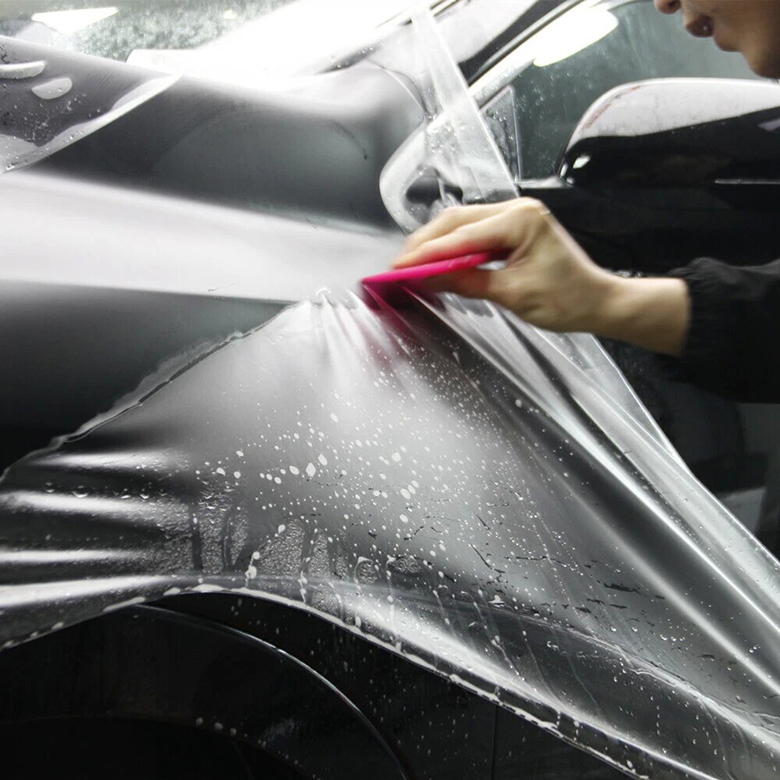
What Is TPU Automotive Protective Film?
TPU automotive protective film is a transparent thermoplastic polyurethane film structure used to protect vehicle surfaces from everyday road exposure, light abrasion, stains, environmental contaminants and repeated cleaning. In the automotive aftermarket it is usually known as TPU paint protection film, TPU PPF film, clear bra film or car paint protective film.
For buyers, the material is not evaluated by transparency alone. A useful automotive TPU film must balance optical clarity, surface feel, conformability, adhesive stability, stain resistance, topcoat performance, cutting behavior and installation handling. The final result also depends on professional installation and application conditions.
DERFLEX focuses on the material side of the program: stable roll supply, technical discussion, customized specification direction and OEM-ready packaging for brands, channel owners and converters.
Built for B2B Buyers
This page is written for sourcing teams that need more than a retail PPF roll. DERFLEX supports project discussion for:
- Paint protection film brands developing private-label products
- Car wrap and detailing channels expanding into TPU PPF
- Automotive protection-film laminators and converters
- Distributors needing stable roll goods and packaging support
- Interior surface protection and trim protection projects
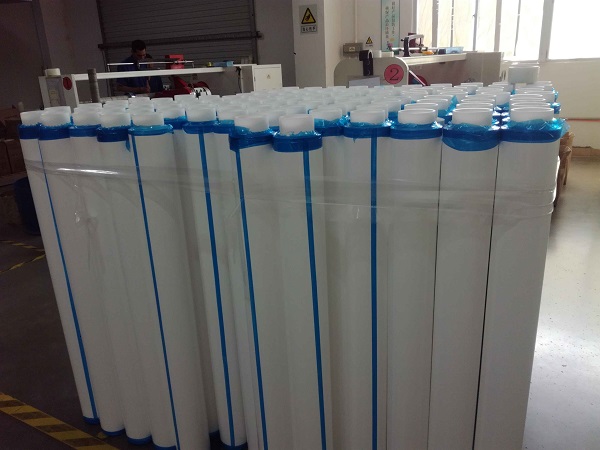
Real DERFLEX Product and Process Images
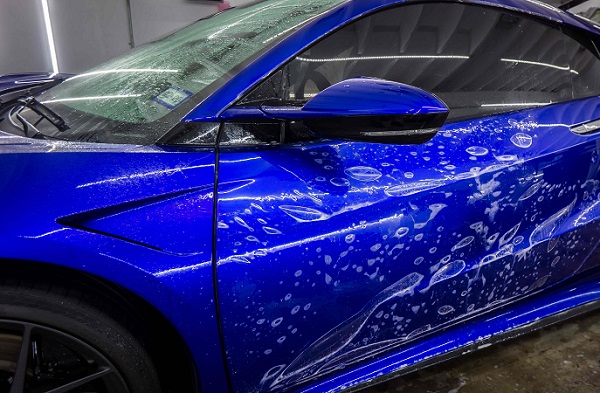
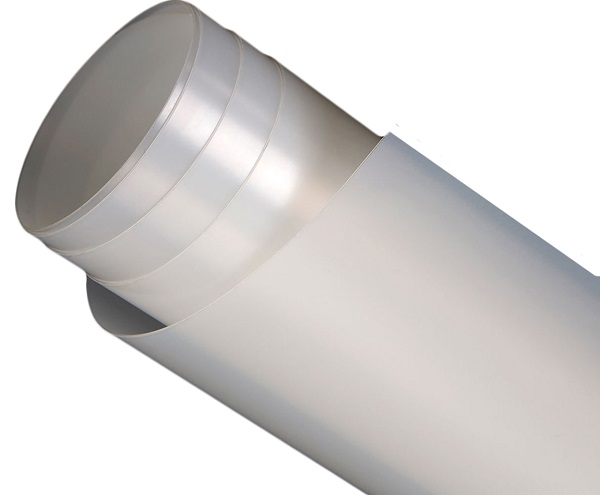
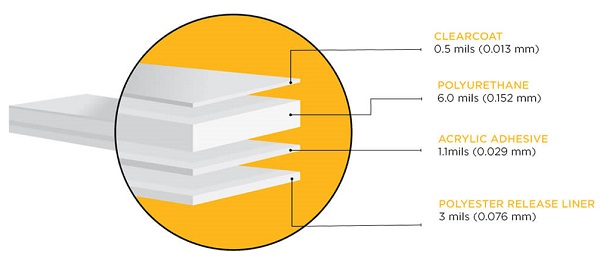
Images below use existing DERFLEX website resources so the page can be previewed directly and remain visually connected with the company’s actual product direction.
How DERFLEX Builds a Practical TPU PPF Film Direction
Modern PPF buyers compare clarity, self-healing surface behavior, yellowing resistance direction, stain resistance, installer handling and long-term surface appearance. DERFLEX turns these expectations into material parameters that can be discussed and tested before bulk orders.
TPU Base Film
A flexible TPU core provides conformability, elasticity and impact-absorption direction for curved automotive panels such as bumpers, hoods, mirrors and rocker areas.
Surface Coating Direction
The top surface can be discussed around gloss, matte, satin, hydrophobic feel, stain resistance and self-healing response under heat or sunlight depending on the project target.
Optical Adhesive Matching
Adhesive behavior affects installation, repositioning, edge performance, transparency and clean removal expectations. Samples should be tested on the buyer’s target surface.
Roll Quality Control
Roll flatness, surface cleanliness, thickness consistency, liner quality and winding tension all influence downstream cutting, packing and installer feedback.
OEM Program Options
DERFLEX can discuss roll length, carton design, core label, brand direction, sample sets and package formats for distributors and private-label film brands.
Application-Fit Testing
Before mass purchase, buyers should test clarity, installation stretch, edge lifting, adhesive compatibility, stain resistance, topcoat feel and aging direction.
A Good TPU Automotive Film Must Work for the Installer, Not Only the Specification Sheet
In the PPF market, many products look similar in a photo. The difference appears during cutting, stretching, squeegee work, edge finishing, heat treatment, vehicle delivery and after-sales feedback. Buyers should source films around the full workflow rather than a single thickness number.
DERFLEX helps customers discuss the film as a complete system: TPU substrate, coating surface, adhesive layer, liner, packaging, storage and installation use case. This is especially important for private-label brands that need repeatable product feel across batches.
Key Selection Factors
- Clarity and gloss after application
- Low orange-peel appearance direction
- Heat-assisted recovery for light surface marks
- Resistance direction against yellowing and stains
- Conformability on compound curves
- Adhesive stability and clean installation behavior
- Roll winding, liner quality and cutting compatibility
Performance should be confirmed by samples and finished-part testing under the buyer’s target climate, installation method and maintenance routine.
TPU Paint Protection Film Specification Guide
The following table helps sourcing teams prepare a practical quotation request. Final values can be adjusted after sample testing and project confirmation.
| Item | Common Direction | Buyer Should Confirm |
|---|---|---|
| Material | Transparent TPU film with surface coating, adhesive and release liner | Clear PPF, matte PPF, colored PPF direction or interior protection use |
| Application | Paint protection film for hoods, bumpers, mirrors, doors, fenders, rocker panels and full-body coverage | Exterior paint, interior trim, glossy piano-black panels or specialty surface |
| Roll Width | 1.52 m is commonly used for automotive film programs | Roll width, roll length, core diameter and carton size |
| Thickness | Customizable structure according to protection level and handling target | Finished film thickness, liner thickness and adhesive layer expectations |
| Surface Finish | High gloss, matte, satin or customized surface direction | Gloss target, hydrophobic feel, stain resistance and topcoat behavior |
| Adhesive | Optically clear pressure-sensitive adhesive direction | Installation tack, repositioning feel, residue expectation and substrate compatibility |
| Packaging | Neutral carton or OEM packaging discussion | Private label, roll label, sample pack, barcode, outer carton and pallet method |
| Testing | Clarity, elongation, topcoat response, adhesive behavior and aging direction | Buyer-side installation trial, climate exposure and maintenance simulation |
Where TPU Automotive Protective Film Is Used
DERFLEX TPU automotive protective film can be discussed for both exterior paint protection and selected interior surface protection projects.
Full Vehicle PPF Programs
For PPF brands and detailing channels that sell full-body clear protection packages for new cars, luxury cars, electric vehicles and high-value fleet vehicles.
High-Impact Exterior Panels
For hoods, front bumpers, fenders, mirrors, headlights, door edges, rocker panels and rear loading areas that receive road debris and daily contact.
Interior Surface Protection
For piano-black trim, touch panels, center consoles, door sill plates and decorative surfaces where scratch control and clear protection are required.
Aftermarket Film Channels
For distributors that sell rolls to installers, detail shops, wrapping studios and regional automotive protection networks.
OEM / Private Label Lines
For brands that need neutral rolls, branded cartons, sample swatches, product grade separation and consistent supply for channel building.
Converter and Laminator Projects
For companies developing protective film structures, surface films, automotive accessories or composite protection programs.
DERFLEX Supply Logic
- Material-structure discussion before bulk supply
- TPU film, surface finish and adhesive direction support
- OEM roll packaging and private-label program discussion
- Clear communication for converters, distributors and brand owners
- Sample review to reduce sourcing risk before larger orders
Generic Film Buying Risk
- Only comparing price or thickness without installer testing
- Unclear TPU grade, topcoat direction or adhesive behavior
- Inconsistent roll winding, liner quality or surface cleanliness
- Limited support for packaging, branding or repeat programs
- No structured sample validation before channel launch
How to Start a TPU PPF Film Project with DERFLEX
Provide your application target and channel requirements, and DERFLEX will help align the material direction before sampling.
Internal Links for Product Selection
These related pages help buyers compare TPU film directions, automotive protection materials and flexible film options.
What Buyers Should Test Before Bulk Purchase
A serious PPF sourcing decision should include practical application trials. DERFLEX recommends evaluating both laboratory-style properties and installer feedback before launching a product line.
Visual Inspection
Check haze, clarity, black-panel reflection, surface defects, dust points, line marks and visible adhesive pattern after installation.
Installer Feedback
Review tack, repositioning, stretch, squeegee feel, heat recovery, edge finishing, cutting behavior and liner release.
Use Environment
Compare stain exposure, washing routine, UV exposure, humidity, road debris and temperature change according to the target market.
TPU Automotive Protective Film FAQs
Frequently asked questions from paint protection film brands, distributors and converters.
What is TPU automotive protective film used for?
It is used as a transparent protective layer for vehicle paint, high-impact body panels and selected interior surfaces. Typical uses include hoods, bumpers, mirrors, door edges, rocker panels, rear loading areas and full-body paint protection film packages.
Is TPU paint protection film different from vinyl wrap?
Yes. Vinyl wrap is mainly used for color change and decoration, while TPU paint protection film is designed for transparent surface protection and impact-absorption direction. Some colored PPF products combine appearance and protection, but the material structure and application purpose are still different from standard vinyl wrap.
Can DERFLEX supply self-healing TPU film?
DERFLEX can discuss TPU PPF structures with a self-healing surface direction. The actual response should be confirmed through sample testing, heat exposure, installation trials and the buyer’s target performance standard.
What information should I provide for a quotation?
Please provide the application, finish, roll width, roll length, thickness direction, adhesive expectation, packaging requirement, target market, sample quantity and whether OEM branding is needed.
Can DERFLEX support private-label PPF programs?
Yes. DERFLEX can discuss neutral roll supply, OEM carton direction, label requirements, sample packs and specification separation for private-label or distributor programs.
Is professional installation required?
Professional installation is strongly recommended for automotive PPF because final appearance depends on surface preparation, cutting, stretching, squeegee technique, heat treatment and curing conditions.
Can the film be used for interior protection?
Selected TPU protective film directions can be discussed for interior trim, piano-black panels, door sill areas and console surfaces. Buyers should test adhesive compatibility and removal behavior on the exact substrate.
How does DERFLEX help reduce sourcing risk?
DERFLEX helps buyers define the material direction, review sample performance, align packaging needs and test the film in real installation scenarios before scaling to repeat orders.
Need TPU Automotive Protective Film for Your PPF Brand or Car Protection Program?
Send DERFLEX your target film structure, surface finish, roll size, packaging plan and market positioning. We will help you discuss a practical TPU PPF film direction for sampling, testing and OEM roll supply.