


Breathable TPU Film for Waterproof Textiles and Medical Applications
DERFLEX supplies breathable TPU film for buyers who need a soft, waterproof breathable membrane direction for sportswear lamination, outdoor textiles, medical dressing structures and custom breathable polyurethane film programs.
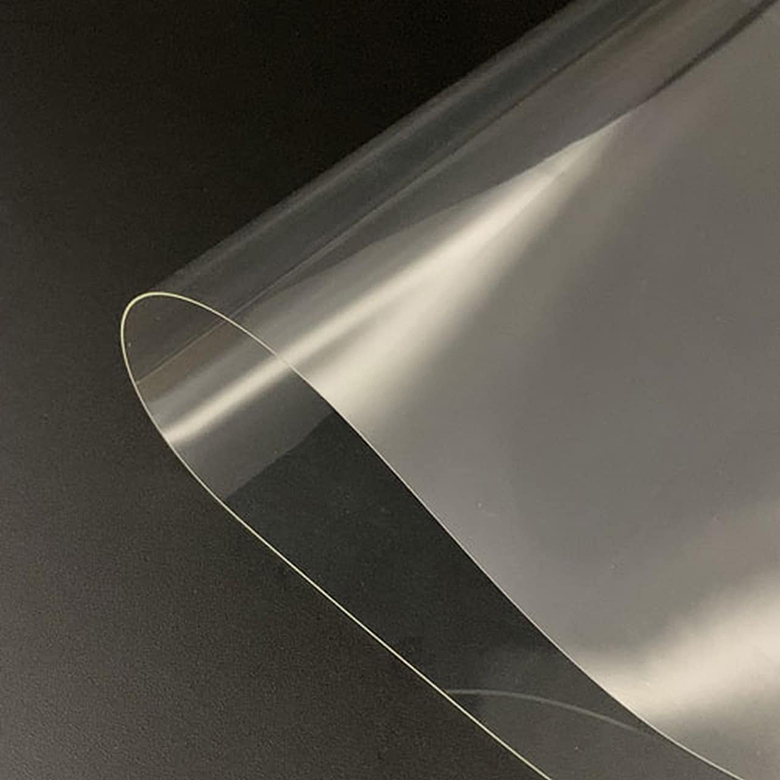
What Is Breathable TPU Film?
Breathable TPU film is a thin thermoplastic polyurethane membrane engineered to support a practical balance between liquid barrier performance and moisture vapor transfer. In a waterproof breathable fabric, the TPU layer becomes the functional membrane between face fabric, adhesive and lining. In medical or hygiene structures, it can help create a soft flexible barrier layer while supporting vapor management.
For B2B buyers, the real value is not only the film itself. Performance depends on the complete composite system: TPU chemistry, film thickness, adhesive, textile substrate, lamination temperature, washing conditions, sterilization direction, packaging method and final application environment.
Why hydrophilic TPU is used in waterproof breathable structures
A hydrophilic TPU membrane direction can move water vapor through the film structure while helping resist liquid water penetration. Compared with a simple non-breathable waterproof layer, it gives garment, dressing and protection-product developers a more comfortable material route when heat and humidity management matter.
Waterproof Protection Without a Heavy Plastic Feel
DERFLEX helps buyers select the right breathable polyurethane film direction according to end use, lamination method and target performance.
Moisture Vapor Transfer
Selected hydrophilic TPU film grades are developed to support vapor movement through the membrane direction, helping reduce trapped humidity in breathable textile structures.
Liquid Barrier Direction
The film layer can support liquid-water resistance in laminated textiles and flexible protection structures after suitable material selection and final product testing.
Soft Flexibility
TPU film is valued for elasticity and soft hand feel, making it suitable for activewear, stretch fabric laminates, medical dressing backings and wearable products.
Lamination Compatibility
DERFLEX can discuss film surface, roll tension, width and thickness direction for hot-melt, adhesive and multilayer lamination processes.
Custom Roll Supply
Thickness, width, surface finish, color tint, packaging and roll length can be discussed according to trial results and repeat order needs.
OEM Development
For brand programs and converters, DERFLEX supports sample evaluation, specification matching and material direction review before bulk supply.
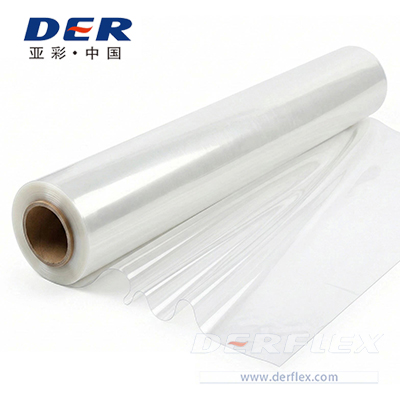
Choose the Film by Final Product, Not by Thickness Alone
A sportswear membrane, a medical dressing film and a breathable packaging layer may all use TPU technology, but the material priorities are different. A garment laminate may focus on hand feel, MVTR, wash resistance and bonding. A medical converter may focus on skin-contact comfort, cleanliness, adhesive compatibility and package stability. A protective textile may focus on water resistance, tear balance and durability after flexing.
DERFLEX approaches breathable TPU film as an application-matched material platform. Buyers can discuss film type, roll width, surface finish, lamination conditions, target test methods and packaging format before confirming a production specification.
Where Breathable TPU Film Adds Value
Different industries use waterproof breathable TPU film for comfort, protection, flexibility and processing reliability.
Sportswear & Outdoor Apparel
Used as a membrane layer for waterproof breathable jackets, softshell garments, windproof laminates, ski wear, cycling wear and active outdoor textiles.
Medical Dressing Films
Selected film directions can support wound dressing backings, medical adhesive film structures and flexible healthcare barrier layers after converter validation.
Functional Textile Lamination
Suitable for polyester, nylon, stretch textiles, nonwoven and multilayer fabrics when the laminate needs a balance of softness, water resistance and vapor transfer.
Protective & Hygiene Materials
Can be developed for breathable protection layers, personal care components, cover layers and moisture-management film structures.
Footwear & Accessory Membranes
Useful for breathable waterproof footwear lining, glove inserts, bag components and wearable accessories requiring soft flexible barrier performance.
Breathable Packaging Concepts
For selected packaging or breathable protection designs, TPU film can be evaluated as a flexible barrier material with vapor-management potential.
DERFLEX Breathable TPU Film Specification Guide
The following table is a project-selection direction. Final values should be confirmed by sample testing, finished laminate design and the buyer's required standards.
| Product Name | Breathable TPU Film / Waterproof Breathable TPU Film / Hydrophilic TPU Film / Breathable Polyurethane Film |
|---|---|
| Material Direction | Hydrophilic TPU membrane direction; polyether TPU or polyester TPU can be discussed according to hydrolysis resistance, hand feel, lamination target and application environment. |
| Typical Thickness Direction | Thin film roll direction for textile and medical lamination; common project thickness can be discussed according to MVTR, barrier, softness and bonding requirements. |
| Width Direction | Custom roll width support by grade and production arrangement; wider roll projects can be reviewed with the DERFLEX technical team. |
| Surface Finish | Transparent, translucent, matte, glossy, anti-blocking or customized surface direction according to converting process. |
| Functional Direction | Waterproof breathable, moisture vapor transmission, soft flexibility, textile lamination compatibility, optional antibacterial / anti-mildew / UV-resistant direction by project. |
| Processing Direction | Textile lamination, adhesive coating, hot-melt bonding, die cutting, multilayer conversion and OEM roll processing after process trials. |
| Typical Testing Focus | MVTR, hydrostatic pressure, peel strength, wash durability, hand feel, elongation, thickness uniformity, surface cleanliness and finished product compatibility. |
| Target Buyers | Functional garment laminators, outdoor fabric mills, medical dressing converters, hygiene material processors and OEM breathable composite manufacturers. |
Why Work with DERFLEX
- Factory-based TPU material supply and technical communication
- Support for film thickness, width, finish and roll packaging discussion
- Experience with TPU films, TPU coated fabrics and laminated technical textiles
- Sample evaluation before bulk production for OEM programs
- Material direction support for sportswear, medical, outdoor and industrial applications
Common Online Film Buying Risks
- Only comparing thickness and unit price without testing final laminate performance
- Unclear film chemistry or surface direction for the lamination process
- Limited support for MVTR, hydrostatic pressure or bonding trial discussion
- No clear plan for repeat roll quality, packaging or OEM supply continuity
- Sample and bulk production may not follow the same specification direction
From Film Direction to Repeatable OEM Supply
DERFLEX recommends a structured development process for breathable TPU film projects because final performance depends on the complete composite.
Application Review
Share product type, substrate, lamination method, target market and testing requirements.
Film Selection
DERFLEX recommends material direction, thickness, surface finish and roll format for initial evaluation.
Lamination Trial
The converter tests bonding, hand feel, MVTR, hydrostatic pressure and finished product behavior.
Bulk Supply Planning
Confirm specification, packaging, inspection direction and repeat order schedule before production.
Related DERFLEX TPU Material Pages
These related pages help buyers compare film, coated fabric and laminated fabric directions before requesting samples.
Need a Breathable TPU Film for Your Lamination Project?
Send your application, substrate, width, target performance and test standard. DERFLEX will help review the right waterproof breathable TPU film direction for sample evaluation and bulk production planning.
Breathable TPU Film FAQ
Answers for garment laminators, medical converters and OEM buyers evaluating waterproof breathable TPU membrane roll supply.
What is breathable TPU film?
Breathable TPU film is a thermoplastic polyurethane membrane direction designed to help block liquid water while allowing moisture vapor to pass through the film structure. It is commonly evaluated for waterproof breathable textiles, medical dressing structures and functional laminates.
Is breathable TPU film the same as PTFE membrane?
No. TPU and PTFE are different material systems. TPU is valued for soft flexibility, elasticity, lamination compatibility and weldable polyurethane behavior, while PTFE is a different membrane technology. The right choice depends on performance target, cost structure, processing method and finished product use.
What is hydrophilic TPU film?
Hydrophilic TPU film is a breathable polyurethane film direction that supports moisture vapor movement through the membrane structure. It is often selected when the finished product requires water resistance and comfort-oriented vapor management.
Can DERFLEX customize MVTR and water resistance?
DERFLEX can discuss film direction according to the buyer's target MVTR, water resistance, softness and laminate structure. Final performance should be confirmed through sample testing and finished product validation.
Which substrates can be laminated with breathable TPU film?
Common substrates include polyester, nylon, stretch fabrics, nonwoven and selected technical textiles. Adhesive, temperature, pressure, dwell time and textile construction should be tested before bulk production.
Can breathable TPU film be used for medical dressing?
Selected breathable TPU film directions can be evaluated for medical dressing backings and flexible healthcare structures. Buyers should confirm biological, regulatory and finished-product requirements through their own validation process.
How do I choose the right thickness?
Thickness should be selected based on MVTR, hydrostatic pressure, hand feel, bonding strength, durability and final product structure. A thinner film may feel softer, while a thicker direction may support different barrier or processing requirements.
What information should I provide for a quote?
Please provide application, substrate, target film thickness, roll width, lamination method, target MVTR or hydrostatic pressure if available, testing standard, annual volume and packaging requirements.
Note: Specifications and performance descriptions are project-selection directions. Final product suitability should be confirmed by sample testing and buyer-side validation.