


 Truck Tarp Selection Guide
PVC Coated Fabric · OEM Supply
Truck Tarp Selection Guide
PVC Coated Fabric · OEM Supply
Flatbed Truck Tarp vs Dump Truck Tarp: What Is the Difference?
Both are truck tarps, but they solve different hauling problems. A flatbed truck tarp is usually designed for exposed freight such as steel, lumber, machinery and construction materials, while a dump truck tarp is built to contain loose bulk materials such as gravel, sand, asphalt, demolition waste or agricultural loads.
DERFLEX manufactures heavy duty PVC truck tarpaulin materials and custom finished tarp solutions for global distributors, logistics fleets, truck body builders and OEM cover programs. This page helps buyers compare structure, material, reinforcement and ordering requirements before requesting samples or quotation.
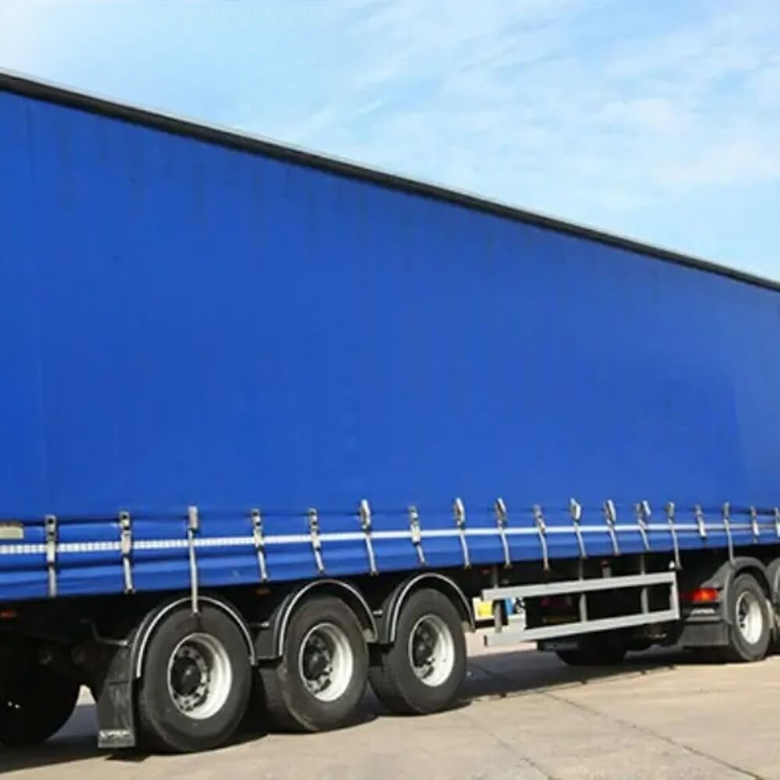
Quick Buyer Answer
Choose flatbed tarps when the cargo needs full weather protection, side coverage and tie-down resistance. Choose dump truck tarps when the priority is load containment, fast covering and compatibility with manual or electric tarp systems.
Short Answer: Flatbed Tarps Protect Cargo; Dump Truck Tarps Contain Loose Loads
A flatbed tarp works like a shaped protective blanket over open-deck freight. It often needs drops, flaps, D-rings, strong hems and abrasion-resistant PVC fabric. A dump truck tarp works more like a moving cover over an open box. It often needs lighter handling, roller-system compatibility, tear resistance at pull points and the right fabric choice for gravel, asphalt, waste, grain or landscaping materials.
Flatbed Truck Tarp vs Dump Truck Tarp at a Glance
The most important difference is not the name of the tarp. It is the relationship between cargo type, cover shape, fastening method and operating frequency.
| Selection Point | Flatbed Truck Tarp | Dump Truck Tarp | DERFLEX Buying Advice |
|---|---|---|---|
| Main function | Protect exposed freight from rain, road spray, dust, UV exposure and cargo contamination. | Contain loose materials, reduce spillage, help control dust and support safer transport. | Start with cargo risk: weather damage for flatbed loads; material loss and road debris for dump loads. |
| Typical cargo | Lumber, steel, coils, machinery, palletized goods, pipes, building materials and large irregular freight. | Sand, gravel, asphalt, soil, mulch, waste, scrap, grain, fertilizer and bulk construction materials. | Mixed fleets may need both waterproof PVC tarps and mesh containment tarps. |
| Shape and coverage | Large rectangular tarps with drop sides, end flaps or specialized shapes for freight height. | Longer narrow covers sized to the truck body or roller tarp system. | Do not order only by truck length; measure cargo height, bed width, system roller position and required overlap. |
| Material direction | Heavy duty waterproof PVC coated polyester is commonly selected for repeated outdoor cargo protection. | PVC tarp, mesh tarp or asphalt-oriented fabric depending on cargo temperature, airflow and waterproofing needs. | Confirm whether the priority is waterproofing, airflow, heat tolerance, abrasion resistance or easy operation. |
| Fastening design | D-rings, grommets, webbing, reinforced hems, straps, rope edges and corner patches. | Pockets, pull bars, roller tube attachment, reinforced ends, side hems and system-specific hardware areas. | Finishing design must be confirmed before production because it controls field performance. |
| Common buyer | Flatbed carriers, heavy cargo fleets, tarp distributors, truck equipment suppliers and OEM cover brands. | Dump truck fleets, construction contractors, landscaping operators, waste transport companies and body builders. | DERFLEX can support roll goods, semi-finished panels or finished tarps according to the buyer’s business model. |
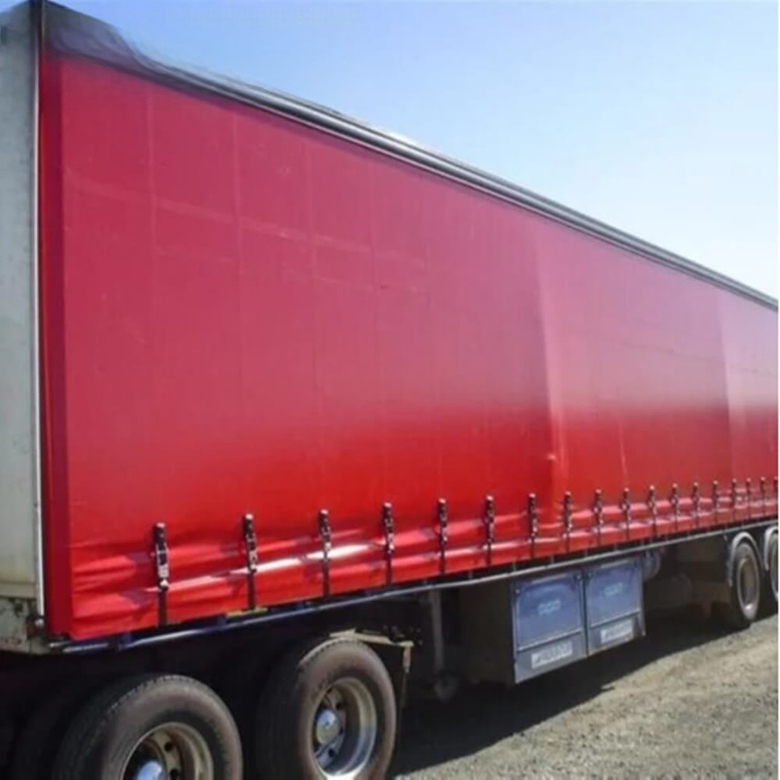
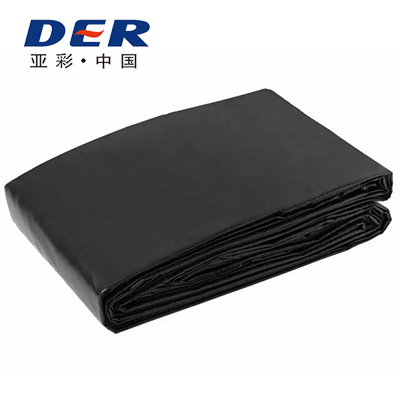
DERFLEX Truck Tarp Material and Application Images
Original DERFLEX truck tarpaulin images are retained and reorganized into a cleaner product display module for better buyer confidence and page conversion.

What Is a Flatbed Truck Tarp?
A flatbed truck tarp is a protective cover used on open-deck trailers where cargo is exposed from the top, sides and ends. Unlike a box trailer, a flatbed has no enclosed body, so the tarp must create a temporary weather barrier while staying secure under wind load and road vibration.
Typical flatbed tarp design
Flatbed tarps are often larger and more structurally reinforced than general covers. They may include 4 ft, 6 ft, 8 ft or 10 ft drop coverage depending on cargo height. Lumber tarps may need end flaps, while steel tarps may use lower drops and heavier abrasion resistance.
Important performance needs
- Waterproof PVC coating for rain and road spray protection
- Strong polyester base fabric for tension and tear resistance
- Reinforced hems, D-rings and grommets for tie-down security
- Abrasion resistance for contact with freight edges, straps and trailer rails
- Flexible handling for repeated folding, deployment and storage
What Is a Dump Truck Tarp?
A dump truck tarp is a cover for open-top dump bodies, dump trailers, grain bodies, landscaping trucks or similar bulk-hauling vehicles. The main purpose is usually to keep loose materials inside the truck body, reduce flying debris and protect the load when required.
Typical dump truck tarp design
Dump truck tarps are commonly matched with manual crank systems, pull-style systems, spring arms, electric tarp systems or roller assemblies. The tarp must roll, slide or extend smoothly while resisting tearing near attachment points and high-friction areas.
Important performance needs
- Load containment for loose sand, gravel, waste, soil, grain or mulch
- System compatibility with roller tubes, pull bars, arms and side rails
- Reinforced pockets or hems where tension concentrates
- Optional mesh construction when airflow and debris control are more important than waterproofing
- Optional PVC construction when weather resistance and moisture control matter
PVC, Mesh or Specialty Fabric: Which Direction Works Better?
Truck tarp buyers often ask for “heavy duty” material, but the better question is what the tarp must do during real use.
Waterproof Protection
For flatbed freight, waterproof PVC coated polyester is often the first option because cargo may be damaged by rain, snow, road spray or moisture. Welded seams and reinforced hems help improve finished tarp performance.
Load Containment
For dump truck loads, containment may be more important than full waterproofing. Mesh tarps can help reduce wind lift and allow airflow, while PVC tarps can be used when the load requires better weather resistance.
Operating Frequency
A tarp used many times per day needs a different balance of weight, flexibility and reinforcement than a tarp installed for long-distance flatbed transport. DERFLEX can recommend material direction by route and operation.
Why DERFLEX Builds Truck Tarps Around the Application, Not Only the Size
Many online tarp pages focus on stock dimensions. That is useful for simple replacement orders, but B2B buyers usually need better control over fabric structure, color, roll width, surface finish, reinforcement, packaging and repeat batch consistency. DERFLEX supports a factory-based sourcing model for buyers who want a truck tarp program instead of a one-time retail purchase.
Recommended Specification Direction by Truck Type
The following table is designed for procurement preparation. Final specifications should be confirmed according to truck body, cargo type, climate, operating frequency and local market expectations.
| Truck / Load Type | Suggested Tarp Direction | Key Finishing Details | Buyer Notes |
|---|---|---|---|
| Flatbed lumber loads | Waterproof PVC coated polyester with suitable drop coverage and optional end flaps. | D-rings, webbing, reinforced hems, corner patches and abrasion-resistant contact zones. | Measure cargo height and desired side coverage before confirming tarp size. |
| Flatbed steel loads | Heavy duty PVC truck tarp with strong tear resistance and smooth cleaning surface. | Reliable tie-down spacing, reinforced edges and abrasion protection where steel edges may contact. | Fabric weight should be balanced with driver handling and expected replacement cycle. |
| Machinery and irregular freight | Custom-shaped PVC tarp or large flatbed tarp with strategic reinforcement. | Extra patches, special seams, rope hems, buckles or straps depending on machine shape. | Provide drawings, photos or dimensions for more accurate production advice. |
| Dump truck gravel / sand | Mesh tarp for airflow and containment, or PVC tarp when moisture protection is needed. | Roller pocket, pull bar area, side hems and reinforced front / rear ends. | Confirm manual, electric or pull-style tarp system before production. |
| Dump trailer waste / demolition | Durable mesh or PVC direction depending on debris size, route and legal requirement. | Strong perimeter reinforcement and high-stress pull points. | Waste loads may create puncture and abrasion risk; reinforcement layout matters. |
| Grain, fertilizer and farm bulk cargo | Waterproof PVC tarp or system-compatible roll tarp depending on season and cargo sensitivity. | Roller tube, side sealing, hem strength and cover overlap. | Anti-mildew and UV-resistant options can be discussed for agricultural markets. |
How to Choose Between Flatbed and Dump Truck Tarps
A professional truck tarp order should begin with operating conditions, not only a target price per piece.
Define the cargo risk
If rain, road spray and surface damage are the main risk, a flatbed-style waterproof PVC tarp may be needed. If flying debris or spillage is the main risk, a dump truck tarp or mesh containment cover may be more suitable.
Measure the real system
For flatbeds, measure load length, width, height and desired drop. For dump trucks, measure bed dimensions, roller position, pull bar direction and the attachment method used by the tarp system.
Confirm finishing details
Edge reinforcement, grommet spacing, D-rings, webbing, pockets and seams should be designed before production. These details often determine service life more than fabric weight alone.
Match material weight
Heavier fabric can improve durability, but it also changes handling. DERFLEX helps buyers balance weight, flexibility, tear resistance and user operation according to the application.
Plan for repeat supply
Distributors and fleets should confirm color control, packing method, carton label, replacement size range and batch consistency, especially when building a private-label truck tarp line.
Test before scaling
For new markets or new truck bodies, sample testing helps check fit, handling, welding, fastening points and appearance before bulk production.
Reduce Replacement Complaints by Specifying the Right Tarp
Fleet users often compare tarp prices, but field cost usually includes driver time, cargo claims, tarp replacement, downtime and inconsistent fitting. A flatbed tarp that is too light may tear around tie-down points. A dump truck tarp that does not match the system may wear quickly at rollers or pull bars.
DERFLEX can help buyers create a practical specification sheet that includes fabric structure, finished size, reinforcement layout, color, logo printing and packing. This makes repeat orders easier and reduces misunderstanding between purchasing, production and end users.
Build a Marketable Truck Tarp Product Line
Distributors do not only need a tarp; they need a stable product family. A well-planned program can include flatbed lumber tarps, steel tarps, trailer covers, dump truck tarps, mesh covers and repair accessories with consistent branding and packaging.
DERFLEX supports OEM requirements such as custom color, private label carton, roll goods supply, cut panels, finished tarp fabrication and application-based technical communication for global wholesale markets.
Internal Links for Truck Tarp Buyers
These pages help buyers move from comparison to material selection, truck type matching and quotation preparation.
Quotation Checklist for Flatbed Truck Tarps and Dump Truck Tarps
To receive a more accurate recommendation from DERFLEX, prepare the following information before inquiry:
Flatbed Truck Tarp and Dump Truck Tarp FAQs
Common questions from fleets, distributors, truck body builders and custom tarp buyers.
Can I use a flatbed truck tarp on a dump truck?
Usually it is not recommended unless the size and fastening method are suitable. Flatbed tarps are designed to cover freight on open-deck trailers, while dump truck tarps must work with a truck body or tarp system. A flatbed tarp may be too large, too heavy or difficult to operate on a dump truck.
Is a dump truck tarp always waterproof?
No. Dump truck tarps may be made from PVC, mesh or other materials depending on the load. Mesh dump truck tarps are useful for airflow and debris containment, but they are not designed as a full waterproof barrier. PVC tarps are more suitable when moisture protection is required.
What material is better for flatbed truck tarps?
For heavy duty flatbed cargo protection, PVC coated polyester is commonly selected because it combines waterproofing, tensile strength, tear resistance, UV resistance, weldability and custom finishing. The final weight and reinforcement should match the cargo and route.
What is the most important detail when ordering custom dump truck tarps?
System compatibility is critical. The buyer should confirm bed dimensions, roller tube position, pull direction, pocket design, side overlap and hardware areas before production. Reinforcement around high-stress pull points is also important.
Can DERFLEX supply both flatbed tarps and dump truck tarps?
Yes. DERFLEX can support truck tarp material and custom finished tarp directions for flatbed trucks, dump trucks, trailers, side curtain systems and OEM cargo cover programs. Available options can include custom size, color, GSM, surface finish, welding, grommets, D-rings, webbing, logo printing and packing.
What information should I send to DERFLEX for a quote?
Please provide truck type, cargo type, finished size, target material, color, quantity, reinforcement design, grommet or hardware details, whether you need roll goods or finished tarps, and any special requirements such as UV resistance, flame retardant direction, cold flexibility, anti-mildew treatment or private label packing.
Need the Right Truck Tarp Specification for Your Market?
Send DERFLEX your truck type, cargo type, size, quantity and finishing requirements. Our team can help you compare flatbed truck tarp and dump truck tarp material directions, then recommend a practical custom supply plan.
URL suggestion: https://www.derflex.com/flatbed-truck-tarp-vs-dump-truck-tarp.html