01
Irregular Geometry
Excavator booms, loader arms, cabins, handrails, stacks and counterweights create peaks, transitions and cavities that change the panel pattern.



DERFLEX develops heavy machinery tarpaulin covers around the actual equipment profile, weather exposure, wear zones and fastening loads. PVC coated polyester cover systems can be configured for excavators, loaders, bulldozers, cranes, compressors, generators and other high-value equipment stored or moved in demanding environments.
Source PVC tarp rolls, cut panels, semi-finished parts or completed custom covers with welded seams, reinforced hems, webbing, D-rings, grommets, access flaps and OEM branding.
A heavy machinery tarpaulin cover is a reinforced protective cover used to reduce exposure of large equipment to rain, dust, UV, road grime, mud and storage contamination. For construction and mining machinery, the cover should be designed as a protection system rather than treated as a generic sheet: the fabric, panel layout, drainage, ventilation, abrasion patches and tie-down load path all affect real service performance.
For reusable outdoor programs, PVC coated polyester is a practical material direction because it combines a waterproof coated surface, textile reinforcement, weldability and customizable fabrication. Final material weight and detailing should be confirmed from machine size, climate, handling frequency, wind exposure and whether the cover is stationary or used during transport.
The main design question is not “How thick is the tarp?” It is “Where will the cover move, rub, pull, pool water or catch wind?”
Excavator booms, loader arms, cabins, handrails, stacks and counterweights create peaks, transitions and cavities that change the panel pattern.
Loose material can flap and pull hard on isolated eyelets. Large covers need a planned restraint system that spreads load into reinforced hems and webbing.
Painted corners, steps, rails and brackets can saw against the cover. Local wear patches and clearance are often more valuable than simply adding overall GSM.
Recently operated machinery can retain heat and moisture. Cool-down, drainage and ventilation strategy should be part of storage-cover planning.
The table below is a project-selection framework. Final construction should be confirmed from drawings, exposure, anchoring and sample approval.
| Use Condition | Material Direction | Cover Architecture | Critical Details | Buyer Priority |
|---|---|---|---|---|
| Seasonal yard storage | PVC coated polyester within the lighter / medium machinery-cover range | Flat or semi-fitted | Drainage slope, hem reinforcement, practical tie-down spacing | Fast handling and weather protection |
| Daily jobsite equipment | Medium to heavy reinforced PVC direction | Semi-fitted or shaped multi-panel | Wear patches, straps, webbing, reinforced corners | Repeated removal and abrasion control |
| Large excavator / loader / dozer | Heavy-duty project grade, commonly reviewed within DERFLEX's 450–1100 gsm machinery-tarp range | Shaped multi-panel or fitted | Boom/cab clearance, load path, multiple anchor zones, water shedding | Wind control and stress distribution |
| Mining / quarry equipment standby | Heavy reinforced coated fabric selected for abrasive outdoor exposure | Fitted or sectional | Dust sealing strategy, access flaps, abrasion patches, maintenance openings | Harsh environment and repeat inspection |
| Export / project shipment | Project-defined PVC coated cover system | Multi-panel transport cover | Securement plan, edge protection, labels, handling marks | Repeatable shipment packaging |
| OEM / rental-fleet program | Approved material and controlled repeat specification | Model-specific fitted cover | Logo, SKU labels, installation sequence, controlled accessories | Repeatability across batches |
The right architecture depends on how many machine models you cover, how often the tarp is handled and how exposed the equipment is.
Flexible for irregular assets and mixed fleets. Easier to stock, but creates more loose material and relies heavily on good tie-down practice.
Uses a defined top profile with flexible drops or straps. It improves drainage and wind control without requiring a complex pattern for every detail.
Best for repeated models, OEM programs and rental fleets where consistent fit, appearance, access and installation sequence matter.
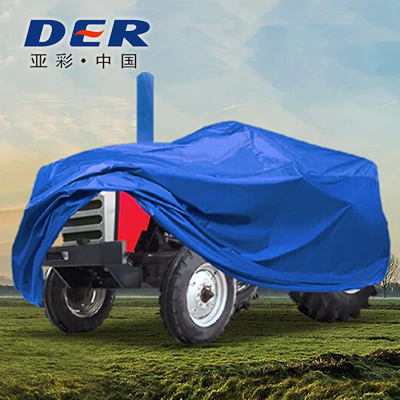
Different machines fail covers in different places. Use the machine geometry to define where reinforcement, clearance and fastening should go.
| Specification Item | DERFLEX Project Direction | Procurement Note |
|---|---|---|
| Primary material | PVC coated polyester or selected PVC laminated polyester structures | Commonly selected for reusable waterproof machinery covers because the structure is reinforced and weldable. |
| Material weight | Approx. 450–1100 gsm within verified DERFLEX machinery-tarp project direction | Do not select by GSM alone; machine size, abrasion, wind exposure and handling frequency matter. |
| Surface / formulation | Matte, glossy, lacquered and project-defined outdoor performance options | Confirm required UV, cold, anti-mildew or other properties for the selected material grade before production. |
| Fabrication | Hot-air welding, HF welding where compatible, sewing or hybrid construction | Panel layout and seam orientation should support drainage and reduce stress concentration. |
| Reinforcement | Double layers, corner patches, abrasion pads, reinforced hems, webbing | Place reinforcement where the machine actually creates pull or contact. |
| Fastening | Grommets, D-rings, webbing loops, straps, buckles, drawcords or project-defined hardware | Anchor points should correspond to the machine frame and expected load direction. |
| Access features | Zippers, hook-and-loop flaps, removable panels, vents, cable openings or windows when required | Plan service access before pattern approval instead of cutting openings after delivery. |
| Branding | Custom color, printed logo, warning text, labels and private-label packaging | Useful for OEM accessory programs, fleets, dealers and distributor SKUs. |
| Supply format | Fabric rolls, cut panels, semi-finished components or finished custom covers | Select according to whether you fabricate locally or need ready-to-install products. |
Material strength matters, but service life is often decided by how water, pulling force, abrasion, trapped moisture and repeated installation are managed in the finished cover.
A waterproof sheet can still fail as a cover if water is allowed to pool. Build slope and panel direction so rain can leave the surface.
Tie-down force should enter reinforced hems, webbing or D-ring patches, not one isolated eyelet in unsupported fabric.
Do not stretch the cover tightly over mirrors, brackets or rails. Add shaped clearance and local patches where repeated contact is unavoidable.
Waterproofing stops rain from above but does not remove moisture trapped below. Let equipment cool and dry before covering; discuss vents for long storage.
For large covers, labels, color-coded straps and a defined installation sequence can reduce handling error across different operators or fleet locations.
A complete project brief reduces pattern revisions and helps DERFLEX recommend a more practical material and fabrication direction.
Use real product, application and factory assets to improve page credibility and give Google Images clear visual context around heavy equipment protection and PVC tarp manufacturing.
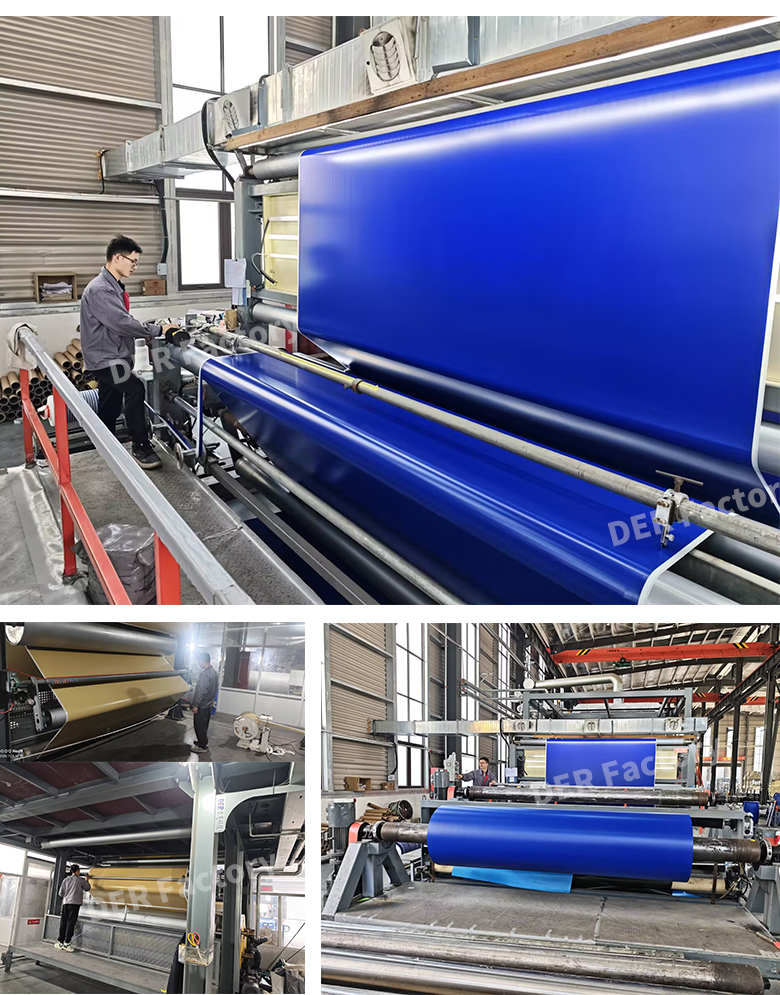
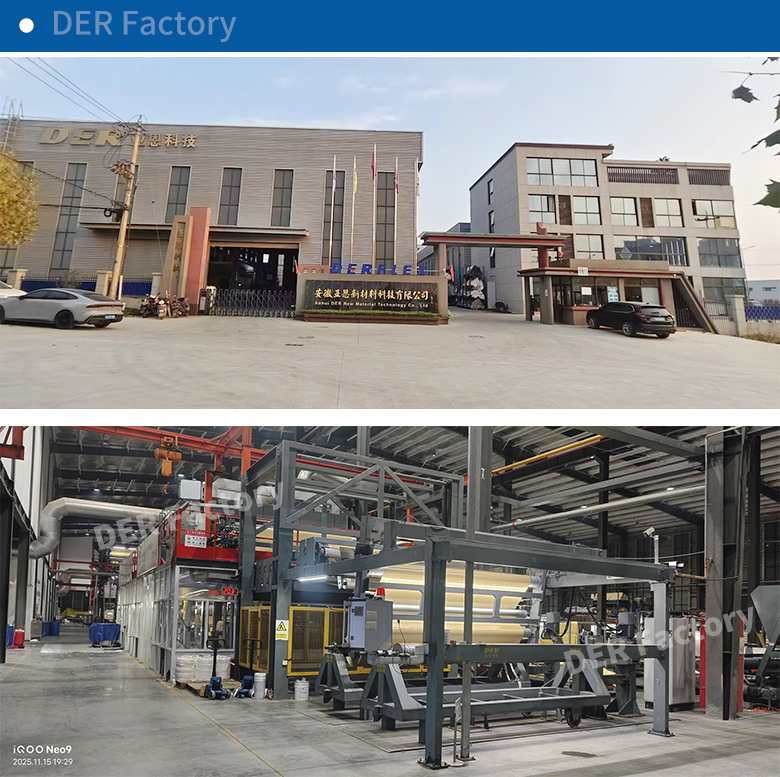
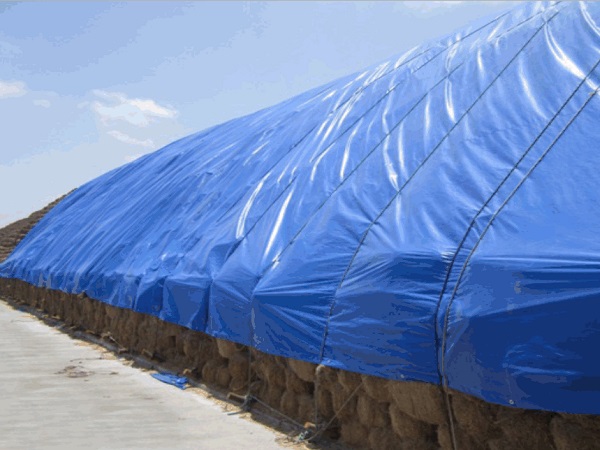
Define coated-fabric weight, surface, outdoor requirements and handling expectations from the equipment duty cycle rather than a generic “heavy duty” label.
Convert equipment dimensions, photos or drawings into panel geometry, seam direction, access points, wear patches and a repeatable fastening map.
For repeated models, retain an approved sample and controlled specification so future orders repeat fit, fabric, color, reinforcement, labels and packing.
PVC coated polyester is a practical choice for reusable outdoor machinery covers because it combines a waterproof coated surface, textile reinforcement, weldability and customizable fabrication. The final material weight should be selected according to equipment size, wind exposure, abrasion points and handling frequency.
There is no single correct GSM for every machine. DERFLEX's verified machinery-tarp direction covers approximately 450–1100 gsm, but a large excavator with strong wind exposure may need a heavier and more reinforced construction than a smaller machine stored in a sheltered yard. Fit, edge reinforcement and tie-down load path matter as much as fabric weight.
Yes. A custom cover can be developed from drawings, dimensions, photos or an approved sample. Panel shape can follow cabs, booms, motors, counterweights, railings or other geometry, with reinforcement and access details positioned where the equipment requires them.
Vents can help in long-term storage where condensation risk is important. The correct approach depends on climate, rain direction, wind, whether the machine is fully cooled before covering and how enclosed the final design is.
Not automatically. A storage cover is mainly designed for static weather exposure, while road transport introduces high-speed airflow, dynamic securement loads, vibration and abrasion. Transport use should be reviewed separately with the correct restraint system and applicable load-security requirements.
Do not rely on isolated eyelets to carry large loads. Use reinforced hems, webbing, larger patches, D-rings or straps where appropriate, and align fastening points with the actual pull direction and usable anchor points.
Yes. DERFLEX can support PVC coated fabric rolls, cut panels, semi-finished components or completed custom machinery covers depending on the buyer's fabrication model.
Send the machine type/model, dimensions or drawing, four-side photos, storage or transport condition, exposure, preferred material direction, required accessories, quantity, color, logo, packaging and destination. For repeated models, an existing cover sample can also be useful.
Send DERFLEX the machine drawing or dimensions, photos, use condition, fastening points, material preference, quantity and branding requirements. The team can review a suitable PVC coated fabric and cover-construction direction for quotation.