



Portable shelters / OEM sourcing / commercial events
Foldable Tent &
Pop-Up Canopy Solutions
A foldable tent is a portable canopy with a collapsible cross-braced frame and a fitted roof. For event organizers, importers, outdoor brands and distributors, the right order is more than a size: it is a matched frame, cover, wall layout, accessories and transport package. DERFLEX supports tent-cover materials and custom fabrication discussions; frame-and-cover kits can be reviewed against a defined model and written supply scope.
- Pop-up canopy / folding gazebo
- Material, cover-set or kit inquiry
- OEM graphics & repeat-order planning

What is a foldable tent?
Also known as a pop-up tent, instant canopy, folding gazebo or portable event shelter, a foldable tent opens using hinged cross-braces and telescoping legs rather than the piece-by-piece assembly of a traditional marquee.
The roof usually fits over a folding frame. According to the exact model, the cover may remain fitted for storage or require removal. The central questions are frame geometry, lock reliability, roof fit, weather management, folded package size and operating limits. These affect the everyday cost of repeated field deployment more than the label “quick setup.”
A folding canopy is different from a camping backpacking tent, an inflatable air tent or a long-span event hall. Buyers planning a mix of shelter types can compare the wider DERFLEX tent sourcing overview. For larger engineered fabric structures, consult the separate large outdoor tent material guide.
Five checks before comparing tent prices
- Identify the actual usable footprint and clear entry height.
- Ask for frame profile, joints, lock points and packed dimensions.
- Match roof pattern and attaching method to that exact frame.
- List full and half sidewalls, doors, fasteners and bag separately.
- Check anchoring responsibility and documented weather limits.
Which folding canopy format fits your program?
Start with how often the tent moves, how the public approaches it and whether graphics or enclosure panels must be changed between events.
Pop-Up Market Tent
Prioritize frontage, service counters, overhead shade, simple cleaning and packed dimensions for vehicle transport. Keep the customer-facing side clear and plan runoff away from the stall.
Custom Printed Event Canopy
Define roof faces, valances, full or half walls, artwork orientation and repeatable color approval. Brand programs benefit from retaining a frame model and a numbered cover-pattern revision.
Portable Team Shelter
Plan shade, equipment clearance, staff access, sidewall ventilation and a documented packing routine. Use a distinct brief for registration, aid stations or sponsor booths.
Foldable tent specifications: what to request in writing
Dimensions and values below are specification fields, not a DERFLEX standard model or a confirmed stocking chart. Final dimensions, material grades, tests and hardware must match the selected assembly.
On smaller screens, scroll the comparison table horizontally.
| Specification item | Define in your RFQ | What to approve |
|---|---|---|
| Footprint & clear height | Overall nominal width × length, eave/clearance height, roof peak, external anchoring space; use mm or m. | Drawing showing real clear usable space versus nominal roof dimension. |
| Folding frame | Scissor-frame geometry, steel or aluminum option if available, profile section, leg positions, connectors and locks. | Exact identified frame model, component list, safe setup instructions and relevant structural documentation. |
| Transport pack | Folded height × width × depth, total packed mass, separate cover or integrated bundle, bag and handling requirements. | Physical pack or verified sample, carton dimensions and handling route. |
| Roof cover | Fabric construction, usable weight, coating, color, roof slope, panel pattern, valance, finish and attachment style. | Approved material sample and finished fitted-roof sample; verify seams, tension and water path. |
| Walls & openings | Quantity/position of full walls, half walls, door panels, clear windows and joining or zip details. | Panel-by-panel schedule with correct orientation, joining interfaces and clearances. |
| Anchoring & site | Concrete, grass, paving or indoor floor; venue restrictions and site exposure. | Frame supplier/competent designer's anchoring requirements; stakes or ballast itemized by the chosen configuration. |
| Branding & packing | Graphic files, logo positions, print method, reusable artwork revision, labels, cartons and spare parts. | Color proof and physical strike-off when appropriate; final packing list and revision control. |
| Required evidence | Destination-market fire rules, material testing, site approval needs, assembly documents and warranty scope. | Documents applicable to the proposed model or material. Do not substitute fabric test results for complete-frame certification. |
Polyester or PVC-coated fabric for a foldable canopy?
The best canopy roof is not always the heaviest. Frequent folding changes the decision: the cover must fit, bend and pack without damaging the chosen frame or print surface.
Printable polyester canopy roof
Consider this route for portable advertising tents where colorful branded graphics and compact handling are important. Check printing compatibility, coating or backing structure, stitch sealing, folding wear and transparency when backlit.
DERFLEX documents an existing dye-sublimation polyester tent-fabric route. Historic sample parameters must not be applied to a new canopy model without grade confirmation.
PVC-coated polyester canopy cover
Discuss PVC-coated material when a tougher weather barrier, washable surface or a fabricated cover route is important. Confirm finished weight, coating flex, weld compatibility, crease behavior and the capacity of the supporting frame.
Compare the specific tent tarpaulin and PVC fabric for tents and awnings rather than assuming that any heavy-duty tarp is suitable for frequent folding.
A coating may act as a waterproof barrier, but seams, fastener penetrations, roof pitch and rain run-off determine how the finished roof performs. Where flame performance is required, request the exact material report and verify its scope for the destination. Neither a fabric report nor a glossy product image establishes a whole-canopy wind rating.
Decide the supply scope before comparing quotations
For foldable tents, “factory price” has little meaning unless the quotations describe the same set of components.
01 · Material rolls
For local converters and tent manufacturers buying printable polyester or PVC-coated polyester. Agree grade, width, lot, surface, packing and inspection documents. A material-only quote does not include patterns, frames or finished roof panels.
02 · Roof & wall sets
For replacement programs or a partner's proven frame. Provide frame model, drawings, roof peak, valance drop and attachment details. Confirm cutting, sewing or welding, sidewall connections and sample fit.
03 · Complete-kit inquiry
Request an itemized offer covering a confirmed frame model, fitted roof, selected sidewalls, connectors, transport bags, specified anchor components, spare parts and documents. Availability and inclusions require written confirmation.
Illustrative bill of materials for an OEM folding tent
| Package group | Check each item | Common omission |
|---|---|---|
| Structure | Frame legs, scissor braces, connectors, locks, feet and any removable frame sections. | Unidentified frame or incompatible spare parts. |
| Fabric envelope | Roof, valance, corners and each numbered full/half wall or door. | Walls not included with a roof-only quote. |
| Interfaces | Velcro/hook-and-loop, straps, zippers, pockets, eyelets or fitted corner details as specified. | Fixings that do not fit the selected structure. |
| Deployment & packing | Approved anchors or ballast specification, carry bag, cartons, instructions and care sheet. | Anchoring responsibility and transport weight omitted. |
| Repeat-order records | Frame model, cover pattern revision, color reference, artwork revision and packing identification. | Replacement parts or roofs reordered by footprint alone. |
For a roof-only project, see custom canopy covers and replacement programs. These are not interchangeable with a complete folding-tent kit.
Visual guide: frame movement, canopy materials and tent scale
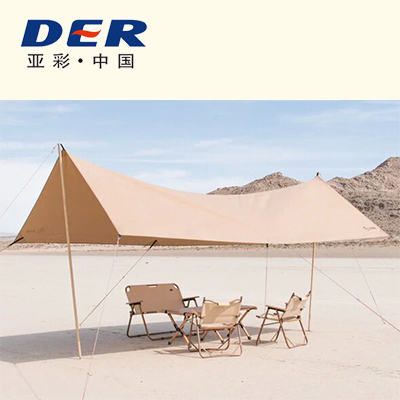
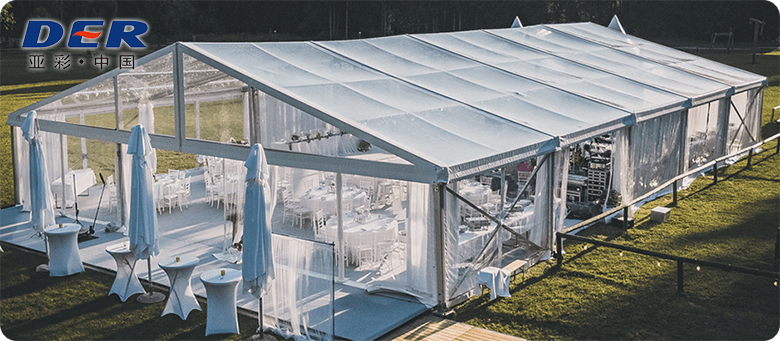
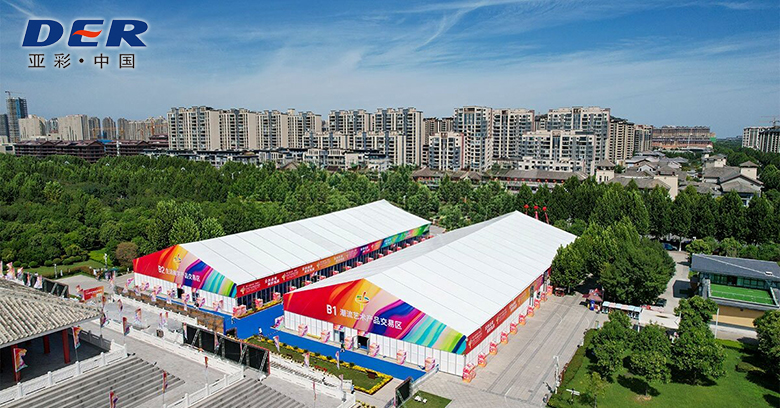
The first two illustrations explain a folding-canopy concept. Published DERFLEX photographs below show related outdoor canopy and larger marquee applications; the photographed structures are not claimed to be foldable-tent product models.

Prototype the fit. Verify the fold. Approve the packing.
A sample that looks right while assembled can still be wrong when folded, transported or repeatedly installed. Use the same checks for wholesale and private-label programs.
Confirm the geometry
Share frame drawings, peak height, roof-face layout, wall positions, clear entry height and fixing detail. Measure an existing frame rather than guessing from nominal tent size.
Approve real samples
Test fabric feel, opacity, surface, print and joints. Fit a representative roof; check corners, eaves, wall joins and water runoff under relevant use conditions.
Cycle & pack
Open, lock, release and fold according to the chosen frame instructions. Check pinch points, cover abrasion, packed height, transport bag, wet/dry storage and replacement components.
Define acceptance
Agree dimensions, artwork revision, visible defects, stitching or weld checks, hardware count, package labeling, document list and the conditions for future repeat orders.
Plan safe field operation
Every folding canopy needs a site-specific anchoring plan and an operator who follows the model's wind, rain and take-down limits. Adding sidewalls increases exposed surface and may change the required anchoring. No universal ballast mass or wind rating is implied here. Do not leave a temporary pop-up canopy unattended in adverse weather.
For materials designed to fold repeatedly on sliding industrial structures, the separate retractable tent fabric guide covers a different duty cycle and should not be conflated with scissor-frame deployment.
Keep the reorder specification
Store the exact frame model, roof pattern, wall dimensions, fastening drawing, approved material grade, artwork file revision, print reference and packing code. A replacement canopy roof with the same footprint may still have a different peak profile, corner shape or attachment layout.
Ask for grade-specific material tests, not a generic certificate sheet. Finished-assembly approval and local permits are separate where required.
Commercial enquiries · OEM · wholesale
Build a foldable tent quote around a real configuration.
Send a sketch, reference frame or product concept. Request a clear distinction between fabric-only, cover-set and frame-and-cover kit sourcing; finalize specifications and commercial terms after sample review.
Useful RFQ details
- Use, destination, ground type and event frequency
- Footprint, clear height and existing frame references
- Quantity by configuration; roof and wall schedule
- Color/printing, artwork, documentation and deadline
Foldable tent frequently asked questions
Practical answers for portable shelter procurement, replacement covers and bulk brand programs.
What is a foldable tent?
A foldable tent, also called a folding canopy or pop-up canopy tent, is a portable shelter whose cross-braced frame collapses into a compact transport bundle. The fitted roof is opened with the frame, or installed separately according to the model. It differs from a pole-by-pole marquee and from a backpacking tent.
Are folding tents waterproof?
A water-resistant or waterproof roof fabric can help keep rain out, but whole-tent performance depends on seams, roof pitch, tension, closures and drainage. Request material and assembled-cover evidence for the proposed configuration; do not assume a coated fabric automatically makes every joint watertight.
Which is better for a folding tent: polyester or PVC-coated fabric?
Lightweight printable polyester is often attractive when portability and full-color graphics are priorities. PVC-coated polyester may suit projects needing a robust coated surface and compatible fabricated seams, provided the added mass, folded bulk and frame loading are acceptable. Confirm the selected grade on a fitted sample.
Can I order only replacement roof covers or sidewalls?
A cover-only program can be discussed when the frame model, peak geometry, roof pattern, fastening points and wall interfaces are documented. Equal nominal floor sizes do not guarantee compatibility. Provide photos and measured drawings before confirming a replacement cover.
Does a foldable tent quotation include the frame and anchors?
Not automatically. Ask for a model-specific bill of materials listing the frame, roof, selected walls, straps or fittings, transport bag, any anchoring components and applicable documents. Frame sourcing and complete-kit availability must be confirmed in the written quotation.
What information should I send for an OEM folding canopy quote?
Send intended use and destination, footprint and clear height, quantity, target supply scope, folding frequency, site conditions, frame reference, roof and wall layout, artwork, required documents and delivery window. Include a drawing or photographs if you have an existing model.
Continue with the right material and tent guide
Browse distinct product and sourcing topics rather than treating every tent as the same structure.