Large Clear Panels & Curtains
Super clear PVC is a proven direction for tent windows, patio enclosures, industrial partitions and flexible transparent doors where wide-roll supply, thickness options and cost control are important.



PVC and TPU can both deliver high transparency, but outdoor performance depends on far more than the polymer name. This guide compares clarity, flexibility, UV stability, yellowing, abrasion, weatherability, price and processing—then shows B2B buyers how to choose the right clear film grade for the actual service environment.
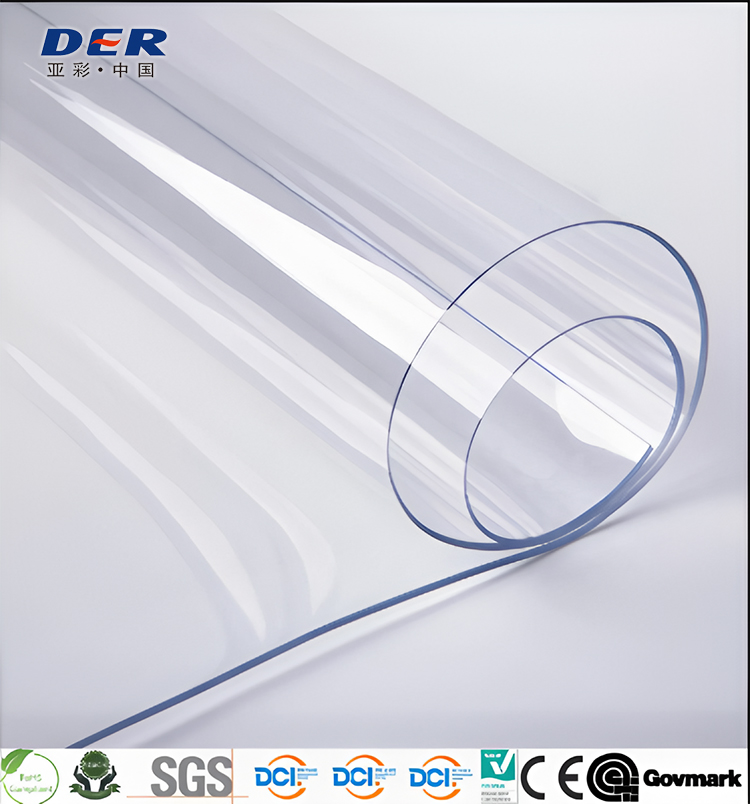
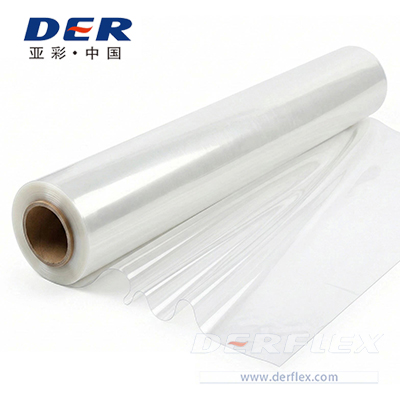
For demanding outdoor products that need long-term color stability, repeated flexing, abrasion resistance and low-temperature flexibility, a properly selected UV-stable aliphatic TPU film is usually the stronger material direction. For large clear windows, curtains, tent panels and enclosures where high transparency, broad gauge availability, established welding/fabrication and lower material cost matter more, UV-stabilized PVC super clear film is often the more economical and practical choice.
A patio curtain, a marine viewing panel, a waterproof bladder and an abrasion-exposed protective window can all be “outdoor clear film” applications—but they place very different loads on the material.
Super clear PVC is a proven direction for tent windows, patio enclosures, industrial partitions and flexible transparent doors where wide-roll supply, thickness options and cost control are important.
TPU is more attractive when the film bends, folds, stretches, rubs or moves repeatedly—especially in outdoor bags, inflatable structures, protective layers and high-wear components.
For visible outdoor products, specify not just “TPU” or “PVC,” but the UV package, film chemistry, expected exposure, target haze/transmittance retention and acceptable yellowing after aging.
Use this table as a procurement screening tool. Final material approval should be based on the exact grade, sample testing, fabrication method and target environment.
| Selection Factor | PVC Super Clear Film | Clear TPU Film | Outdoor Buyer Interpretation |
|---|---|---|---|
| Initial transparency | with super-clear formulations; available in thick clear membrane directions. | with optical/clear grades; aliphatic grades are common for premium visible surfaces. | Both can start very clear. Compare haze, total light transmission, surface quality and thickness—not marketing names alone. |
| Flexibility & elastic recovery | Softness can be adjusted widely, but flexible PVC behavior depends on formulation and plasticizer system. | ; well suited to repeated bending, stretching and deformation. | For static curtains/panels, PVC may be enough. For repeated movement or stretch, TPU usually provides more performance margin. |
| UV resistance | Outdoor performance is strongly grade- and stabilizer-dependent; UV-resistant PVC formulations are available. | Aliphatic TPU can provide strong UV/color stability; aromatic TPU needs careful stabilization and may yellow under UV. | Never approve “TPU” as UV-stable without knowing whether the grade is aliphatic or aromatic and what aging data is available. |
| Yellowing risk | Depends on stabilizers, plasticizer package, heat, UV, thickness, cleaning chemicals and exposure conditions. | ; aromatic TPU can yellow from UV exposure. | For premium optical outdoor products, ask for ΔYI / yellowness change and clarity retention after a defined aging method. |
| Abrasion & scratch resistance | Suitable for many curtain/window uses but surface wear can become visible in frequent-contact applications. | for abrasion, rubbing and repeated handling when the correct grade is selected. | TPU is often justified when replacement cost is driven by scratching or wear rather than UV alone. |
| Weatherability & cold flex | Outdoor and cold-resistant formulas are available; performance must match climate and installation design. | Selected TPU grades are known for strong low-temperature flexibility and mechanical durability. | Cold regions, folding gear and moving components often favor TPU; fixed large panels can remain a strong PVC application. |
| Material cost | ; attractive for large-area use and cost-sensitive fabrication. | ; value comes from elasticity, abrasion resistance, premium feel and durability potential. | Compare cost per finished product or cost per service cycle—not only price per kilogram or meter. |
| Processing & converting | Well established for cutting, sewing, HF/RF welding, hot-air/heat welding and general fabrication. | Can be welded, laminated, thermoformed or bonded depending on grade, but process control is more chemistry- and moisture-sensitive. | Validate the actual welding/lamination equipment and seam target on samples before bulk approval. |
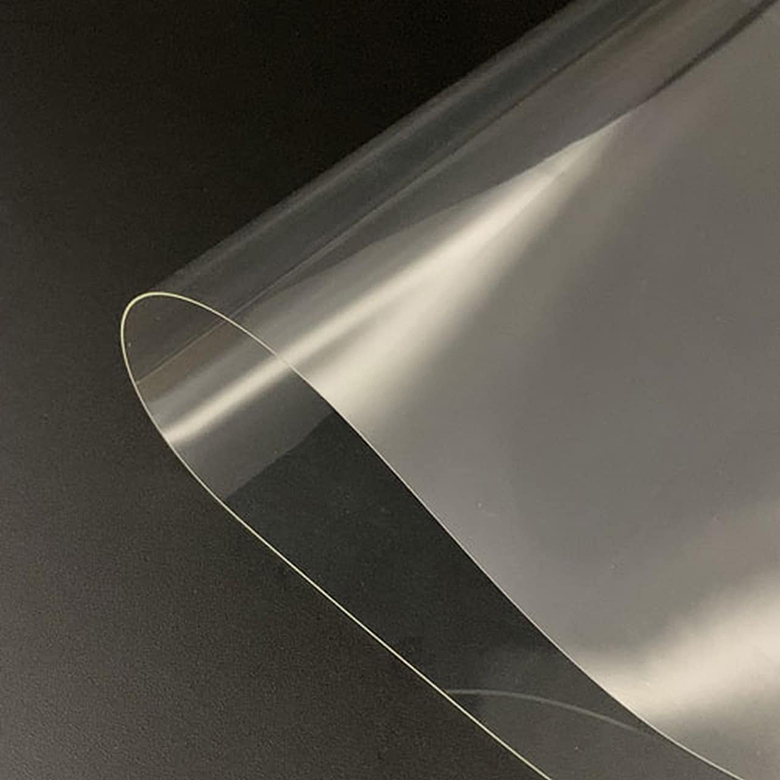
TPU selection has at least two separate chemistry decisions. The isocyanate family strongly influences UV color stability, while the polyol family influences properties such as hydrolysis resistance, low-temperature behavior, oil resistance and mechanical performance.
For transparent outdoor products where anti-yellowing and color stability are critical, aliphatic TPU is the safer specification direction. Aromatic TPU can deliver excellent mechanical properties, but it can discolor under UV exposure; stabilizers can reduce the effect, but should not be treated as identical to a purpose-designed aliphatic optical grade.
Polyether TPU is commonly evaluated when moisture, hydrolysis, water contact and cold flexibility are important. Polyester TPU is often evaluated for strong abrasion, oil resistance and mechanical performance. The correct combination depends on the finished product.
“TPU is higher performance” does not mean TPU is automatically the better commercial choice for every transparent outdoor product.
DERFLEX’s outdoor PVC clear-film program includes much thicker membrane directions and wider roll formats than its typical TPU film range, which can reduce seams and simplify large-area fabrication.
PVC is widely used by tent, curtain, enclosure and cover fabricators. Existing HF/RF welding, hot-air welding, sewing, cutting and edge-finishing workflows can make qualification straightforward.
For large transparent surfaces that are mostly static and do not experience severe abrasion or repeated elastic deformation, outdoor-grade PVC can deliver a strong balance of clarity, fabrication efficiency and material cost.
The table above compares material properties. This section converts those properties into real B2B purchasing decisions.
Choose UV-stabilized super clear PVC when the priorities are large transparent area, economical roll cost, welding/sewing compatibility and replaceable seasonal or commercial panels.
PVC is usually the practical starting point for hanging curtains and partitions. Specify UV, cold-flex and anti-aging performance according to climate and expected exposure.
TPU becomes attractive when the transparent area is folded, rolled, rubbed, compressed or handled continuously and surface wear is a major failure mode.
TPU is a strong direction when elasticity, welded seam performance, low-temperature flexibility and repeated inflation/deflation matter more than minimum raw-material price.
For large static windows, UV-grade PVC can be practical. For smaller premium components exposed to abrasion and demanding color-stability expectations, aliphatic TPU deserves evaluation.
When brand specifications explicitly require a PVC-free material platform, clear TPU is the direct comparison candidate—provided the chosen chemistry and process are validated for the final product.
“UV resistant,” “5-year,” “1500-hour” and “non-yellowing” are not useful purchasing claims unless the test conditions and acceptance criteria are defined.
A material that looks superior on a datasheet can still create higher scrap, weaker seams or unstable lamination if it does not match the converter’s equipment.
Suitable PVC grades can be cut, sewn, punched, HF/RF welded, hot-air welded, heat sealed, laminated and fabricated into clear windows, curtains and covers.
TPU films can support heat bonding, hot-air welding, HF welding, lamination and thermoforming depending on chemistry and grade. Moisture control is especially important in TPU resin processing because TPU is hygroscopic.
Real DERFLEX website material images are used to give Google Images and B2B buyers clear visual context around the PVC and TPU material families.
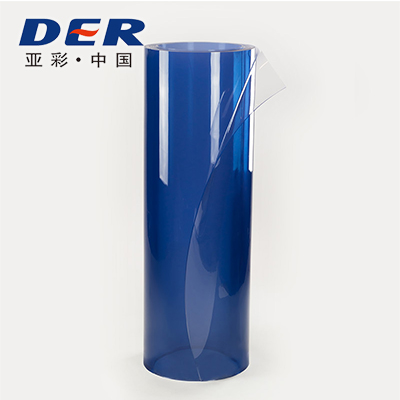

PVC usually has the lower upfront material cost. TPU may justify a higher price where abrasion, repeated flexing, cold exposure or optical stability would otherwise cause early replacement.
The panel is large, mostly static, fabrication infrastructure already uses PVC, replacement is simple, and the outdoor UV grade can meet the project’s required service window.
The finished product is higher value, flexes repeatedly, faces abrasion, must remain soft in cold environments, or a PVC-free specification is commercially important.
Include material, yield, welding speed, scrap, seam failures, cleaning damage, field replacement, warranty exposure and expected service cycles—not only raw material price.
A useful recommendation requires the finished-product environment, not just “send me clear film price.” Include the information below to shorten sampling time and avoid comparing incompatible grades.
These six verified DERFLEX pages move from com, parison intent into material specifications, TPU chemistry and clear-film procurement.
Direct answers to the questions buyers most often ask before requesting samples or quotations.
No. TPU is attractive for repeated flexing, abrasion, low-temperature flexibility and premium PVC-free applications, while outdoor-grade PVC remains highly practical for large clear windows, curtains, tent panels and enclosures where cost, wide gauges and established fabrication matter. The exact grade matters more than the generic polymer name.
Properly selected aliphatic TPU is the stronger direction when long-term UV color stability is the main requirement. Aromatic TPU can yellow under UV exposure, so buyers should not treat every TPU film as “non-yellowing.” UV-stabilized PVC can also be engineered for outdoor clarity, but its aging profile depends on the complete formulation and exposure environment.
TPU is generally selected when abrasion and repeated rubbing are major design stresses. PVC can perform well in curtains and windows, but if surface wear is the primary field failure, a suitable TPU grade is usually worth testing.
PVC has a long-established converting ecosystem for HF/RF welding, hot-air welding, sewing, cutting and general fabrication. TPU can also be welded, laminated and heat bonded, but the exact chemistry, hardness, thickness and moisture/process control need to match the equipment. Sample trials are recommended for both materials.
TPU is usually the higher-cost material family, while flexible PVC is often more economical for large-area transparent applications. The better commercial choice depends on lifecycle cost: replacement rate, abrasion, flex fatigue, processing yield, seam reliability and required service life can be more important than initial film price.
Start by asking whether an aliphatic TPU is required for UV/color stability, then choose polyether or polyester direction according to moisture/hydrolysis, oil, abrasion and mechanical requirements. Finally confirm hardness, thickness, surface finish, welding/lamination route and aging acceptance criteria.
Compare reports only when the test method, lamp/source, irradiance, temperature, humidity or water cycle, sample thickness, exposure duration and pass/fail criteria are aligned. Ask for both optical changes—such as haze, transmission or yellowing—and mechanical retention where the finished product depends on flexibility or seam strength.
Send DERFLEX your application, thickness, width, outdoor exposure, temperature range, clarity target, abrasion/flexing requirement, converting method, quantity and destination. The material discussion can then focus on the right grade instead of a generic PVC-vs-TPU answer.