News
Company News

Soft Signage Textile Printing Fabric | Dye-Sublimation Polyester Rolls | DERFLEX

Update:2026/9/2 1:24:26 Views:
Printable Polyester Textile Rolls

Soft Signage Textile Printing Fabric for Dye-Sublimation Graphics

Source printable polyester rolls for SEG frames, exhibition walls, retail graphics, lightboxes, event backdrops, hanging banners and flags. DERFLEX helps print houses, distributors and OEM media brands match fabric structure, weight, width and print route to the finished display.

  • 100% polyester textile directions
  • Direct or transfer dye-sublimation by grade
  • Frontlit, backlit, flag, blockout and stretch options
  • Custom weight, width, coating and roll packaging

For a useful quotation, send printer/ink system, application, target GSM, required width, roll quantity, destination and any FR requirement.

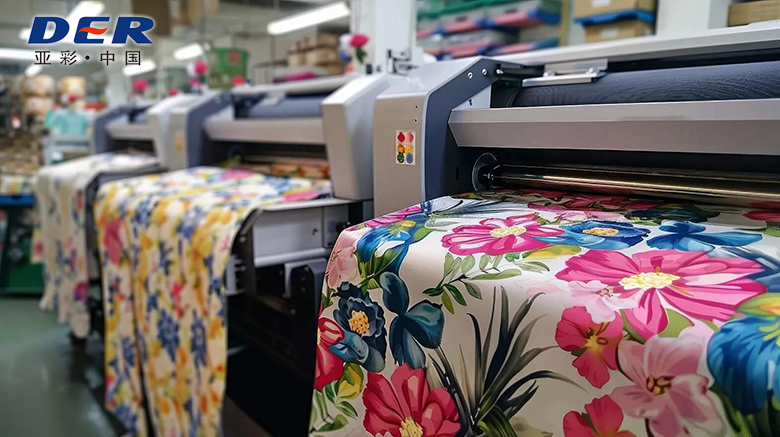
DERFLEX soft signage textile printing fabric on wide-format digital printer
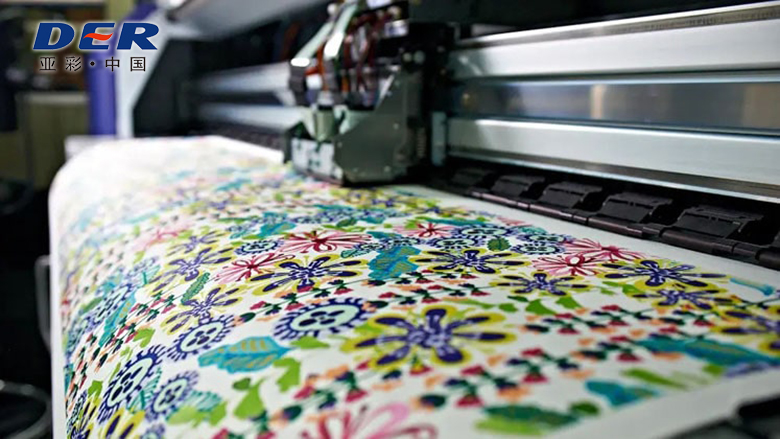
DERFLEX digital printing textile in wide-format production. Hero image is loaded directly and is not lazy-loaded.
100% PolyesterCore printable textile direction
110–300 gsmCurrent digital textile portfolio range*
1.6–5.0 mCurrent portfolio width range*
OEM RollsCustom width, weight and packaging
Quick Answer

What Is Soft Signage Textile Printing Fabric?

Soft signage textile printing fabric is a flexible printable textile—commonly polyester—used to produce lightweight branded graphics for frames, banners, lightboxes, retail displays and exhibitions. For dye sublimation, the fabric must be matched to either direct printing or transfer printing and then evaluated for color, heat behavior, stretch, opacity, light diffusion and finishing.

Why polyester is commonly used

Dye-sublimation chemistry works with polyester fibers, allowing disperse dye to become part of the polyester during heat fixation. This can produce a soft hand, vivid color presentation and foldable graphics suited to transportable display systems.

What a professional buyer should confirm

  • Direct sublimation or transfer-paper sublimation?
  • Frontlit, backlit, blockout, flag, stretch or backdrop use?
  • Required fabric width after heat processing and finishing?
  • Heat shrinkage, stretch direction and dimensional recovery?
  • Opacity, light diffusion or ink penetration requirement?
  • Required flame-retardant test for the final market and venue?
Selection Matrix

Match the Textile to the Finished Graphic

One polyester fabric is not the right answer for every soft signage job. Start from the installed graphic, then select construction and printing route.

SEG / Frontlit Frames

Look for a smooth face, controlled stretch, low heat shrinkage and good recovery so the finished silicone-edge graphic fits the frame without sagging.

Backlit Lightboxes

Prioritize even light diffusion, printable color density and lot consistency. Test the printed fabric inside the final illuminated box.

Blockout Displays

Opacity is the key variable. Specify backing structure, visible reverse-side appearance and whether the job is single- or double-sided.

Flags

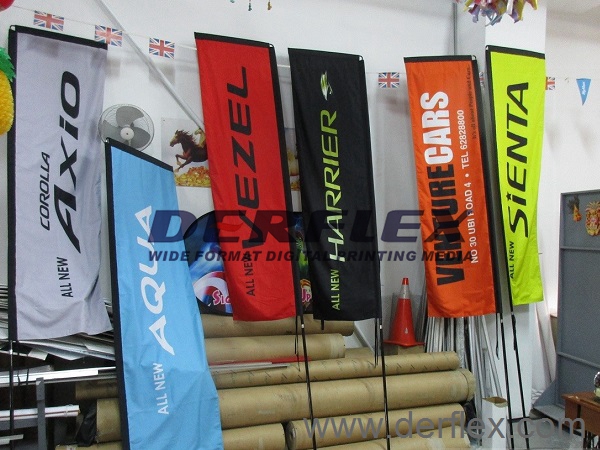
Weight, ink penetration, movement and edge finishing matter more than opacity. Direct sublimation can be useful where print-through is required.

Event Backdrops

Flatness, low glare, folding recovery and seam planning are common priorities for stage, photography and branded event walls.

Satin / Decorative Graphics

A satin textile gives a more reflective decorative look for indoor hanging graphics, retail accents and premium promotional displays.

Application Recommended Textile Direction Print Route Buyer Test Before Bulk Order
SEG frame / retail wall Soft knit or controlled-stretch polyester Transfer or direct sublimation by grade Print → heat → sew silicone → fit in actual frame
LED lightbox Translucent backlit polyester textile Dye sublimation or matched alternative Evaluate diffusion, hot spots and color density while illuminated
Hanging banner / backdrop Frontlit display fabric, poplin, soft knit or satin Transfer or direct sublimation Check glare, fold recovery, edge curl and hanging flatness
Blockout graphic Backed or coated opacity textile Confirm exact grade Measure show-through with intended lighting/background
Flag / feather flag Lightweight printable polyester flag fabric Direct sublimation commonly used Check ink penetration, edge finishing and wind exposure
Tension / pillowcase display Stretch polyester textile Transfer or direct sublimation by grade Check stretch direction, seam strength and dimensional recovery
Specification Guide

Soft Signage Polyester Roll Specifications

Use these figures as portfolio directions, not as a promise that every textile grade is available in every combination.

Material100% polyester printable textile directions
Weight RangeDERFLEX current digital printing textile page lists 110–300 gsm; individual sublimation grades vary
Fabric WidthDERFLEX current digital printing textile portfolio lists 1.6–5.0 m; exact maximum width depends on construction
PrintingDye sublimation, UV, latex and eco-solvent are listed across the broader textile portfolio; confirm compatibility for the selected SKU
SurfaceMatte / semi-matte and application-specific textile finishes
FR DirectionOptional flame-retardant pathways are listed on DERFLEX textile pages; confirm the exact standard/report required for the selected product and market
ApplicationsSoft signage, lightbox graphics, exhibitions, retail displays, flags, backdrops and frame graphics
CustomizationWeight, width, treatment/coating direction, roll length, labeling and packaging can be discussed according to project requirements

*Product-level TDS, test reports and sample approval should be used for final purchasing decisions. Do not assume a portfolio-level capability applies to every fabric construction.

Printing Decision

Direct Dye Sublimation vs Transfer Sublimation

The best print route depends on the textile treatment, printer configuration, color target and finished display.

Direct Sublimation

  • Prints disperse dye directly onto a prepared polyester textile.
  • Useful when stronger ink penetration or print-through is wanted, such as selected flag and soft-signage programs.
  • Requires a fabric treatment compatible with direct printing and a controlled heat-fixation process.
  • Buyer should test ink migration, heat shrinkage, color density and roll-to-roll consistency.

Transfer Sublimation

  • Prints the image to transfer paper first, then transfers it to polyester using heat.
  • Common for SEG, display, backdrop and other high-quality soft-signage graphics.
  • Fabric surface, transfer paper, time, temperature and pressure all influence the result.
  • Buyer should test dimensional change after calendaring and after final finishing.
Production Notes

What Print Houses Should Test Before a Full Roll Program

This is where many soft-signage sourcing problems appear: not in the unprinted fabric, but after heat processing, sewing, tensioning and installation.

Heat & Dimensional Behavior

  • Measure width and length before and after heat fixation.
  • Check edge curl, skew, bow and local shrinkage.
  • For SEG, test the finished silicone edge inside the actual frame.
  • For tension displays, confirm stretch direction and recovery after printing.

Color & Surface Behavior

  • Approve white point and surface texture before profiling.
  • Evaluate dark solids, skin tones and gradients, not only bright colors.
  • For backlit graphics, inspect the print with the final LED system switched on.
  • For blockout fabric, confirm opacity in the actual lighting environment.
Image Pack

DERFLEX Textile Printing Images for the Landing Page

These images are existing DERFLEX website assets and can be replaced with newer campaign-specific photography later.

Facebook Ad Conversion

A Faster Path from Ad Click to Sample Approval

The landing page is structured to move a print-media buyer from “Is this the right textile?” to a useful sample request with the minimum required technical information.

1

Tell Us the Application

SEG, lightbox, backdrop, flag, retail wall, exhibition or other soft signage.

2

Share Print Method

Direct sublimation, transfer sublimation, UV, latex or another matched route.

3

Confirm Roll Target

GSM, width, roll length, quantity, packaging and target destination.

4

Approve a Sample

Run print, heat, finishing and installation tests before bulk production.

Need a textile recommendation instead of a generic price?

Send the finished application and printer/ink details. DERFLEX can discuss a matching fabric direction before quotation.

Get Sample & Quote
Buyer Checklist

What to Send DERFLEX Before Quotation

A complete RFQ reduces back-and-forth and makes sample selection more relevant.

Printer & Ink

Printer model if known, direct/transfer sublimation route, ink type and expected production speed.

Finished Application

SEG frame, lightbox, flag, backdrop, hanging banner, retail graphic or tension display.

Material Target

Preferred GSM, width, hand feel, stretch, opacity, light diffusion or other critical feature.

Finishing Method

Silicone edge, sewing, pole pocket, eyelets, cold cut, hot knife or laser cutting.

Compliance Need

State the exact market/venue and requested FR or other test requirement; do not ask only for a vague “certificate.”

Commercial Details

Roll quantity, repeat-order forecast, destination, OEM labeling and packaging needs.

Avoid Costly Mistakes

Common Soft Signage Fabric Procurement Mistakes

MistakeWhy It Causes ProblemsBetter Buying Practice
Buying by GSM onlyTwo fabrics with similar weight can have very different stretch, weave, opacity, white point and heat behavior.Approve the exact fabric construction after print and finishing tests.
Assuming all polyester is dye-sub readyDirect printing may require a prepared surface; transfer printing has different process needs.State the intended print route before sample selection.
Ignoring heat shrinkageA fabric may look correct unprinted but finish undersized after calendaring.Measure dimensional change after the full heat cycle.
Testing backlit fabric without lightHot spots and color-density issues may only appear when illuminated.Evaluate the printed sample inside the final lightbox.
Requesting “FR” without a market standardVenue and country requirements differ, and one report may not satisfy another project.Provide the exact required standard and ask for product-specific documentation.
Why DERFLEX

Build a Repeatable Textile Roll Program, Not Just a One-Off Sample

DERFLEX's current digital printing textile pages describe a polyester-focused range covering soft signage, lightbox graphics, exhibitions, retail displays and flags, with customizable weight, width, coating/treatment direction and packaging.

Material Matching

Discuss the final display first—frontlit, backlit, blockout, flag, stretch or decorative—then select the fabric direction and print route.

OEM Roll Supply

Custom specification discussions can cover weight, width, roll format, labels and packaging for distributors, print-media brands and repeat procurement programs.

Related DERFLEX Materials

Explore the Printable Textile Topic Cluster

Use these verified DERFLEX pages to compare adjacent textile and large-format print media directions.

Related Questions

Questions Buyers Ask About Soft Signage Textile Printing Fabric

What fabric is most commonly used for dye sublimation soft signage?

Polyester is the most common fiber because sublimation dyes are designed to bond with polyester during heat fixation. The exact knit, weave, weight and treatment should still be selected by application.

Can the same polyester fabric be used for direct and transfer sublimation?

Not automatically. Direct sublimation typically needs a fabric prepared for direct disperse printing, while transfer sublimation uses paper and a heat-transfer step. Confirm the exact fabric grade before production.

What is the best textile for SEG frames?

A practical SEG fabric needs controlled stretch, recovery, dimensional stability after heat and a surface that produces the required color quality. The final test should include printing, heat transfer/fixation, silicone-edge sewing and fitting the actual frame.

How should I choose backlit textile for a lightbox?

Compare light diffusion, color density, white point, heat shrinkage and lot consistency. Always test the printed textile inside the intended LED lightbox because unlit evaluation cannot reveal hot spots.

What width is available for soft signage polyester rolls?

DERFLEX's current digital printing textile portfolio lists widths from 1.6 m to 5.0 m, but maximum width depends on the exact textile construction. Confirm the selected product before ordering.

What GSM should I choose for soft signage?

There is no single correct GSM. Lighter grades can be useful for flags or easy handling, while heavier or backed grades may offer greater stability, opacity or body. Select by the finished display rather than weight alone.

Do soft signage fabrics need flame-retardant certification?

Requirements depend on the country, venue and project. State the exact standard you need and ask for documentation covering the exact fabric product, rather than assuming every polyester textile has the same FR status.

What information should I send for a dye-sublimation fabric quotation?

Send application, printer/ink system, direct or transfer route, target GSM, roll width, quantity, finishing method, destination, packaging needs and any required test standard.

Get the Right Polyester Textile Before You Run the Full Job

Send your application, print route, target width and quantity. Ask for a production-representative sample before bulk purchasing.

Request Sample & Quote
Consulting Services
+86-021-54361792 / 54361798
Email
sales@derflex.com