Open-bottom fitted cover
A practical starting point when the reel remains on a cradle or pallet. Specify the skirt depth and lower fixing line so the cover can be fitted without enclosing inaccessible underside components.



Cable reel covers need to fit the flanges, clear the handling points and stay secure through storage and dispatch. DERFLEX develops custom PVC tarp cover specifications around your reel drawing, exposure conditions and fastening layout.
For cable manufacturers, utilities, project contractors and industrial distributors, the review can include coated fabric, reinforced hems, welded panels, access openings, identification and OEM packing. Confirm the finished construction by sample before a bulk order.
Start with flange diameter, overall width, storage orientation, quantity and destination. Add front, side and base photographs where a drawing is unavailable.
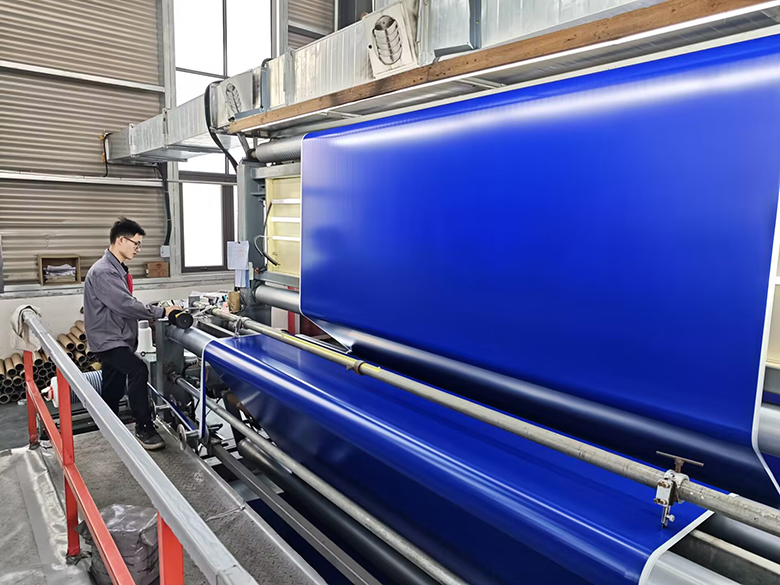
A cable reel tarp cover is a removable flexible outer cover for a stationary reel or drum. It can shield the covered surfaces from direct rain, sunlight and dust when its fabric, seams and closures suit the exposure.
Typical projects include power cable yards, telecom cable distribution, construction staging and umbilical equipment storage. Select the construction against the actual asset and the cable supplier’s preservation instructions. For wider equipment protection programs, review DERFLEX’s industrial tarp and custom cover options.
Record the reel in its stored position. State whether the axis is horizontal or vertical, and include the pallet, cradle or base wherever the cover must extend over it. A cable winding diameter is not a substitute for the outside flange diameter.
Use the made-to-measure tarpaulin process to turn equipment dimensions into an approved finished size. Installation clearance and seam allowances should be agreed during pattern review.
A full cover, an open-bottom hood and a segmented wrap solve different covering problems. Their suitability depends on reel orientation, base access and how often the cover will be removed.
| Operating context | Prioritize in the specification | Verify on the fitted sample |
|---|---|---|
| Outdoor cable yard | UV-exposure brief, rain-shedding fit, protected lower fastening and inspection access | Water drains from the installed shape; the skirt does not sit in standing water |
| Road or export shipment | Carrier conditions, flutter control, abrasion patches and clearance for independent cargo lashings | No loose fabric reaches moving parts, loading routes or load-restraint contact points |
| Coastal or humid storage | Hardware corrosion requirements, compatible contact surfaces and a moisture-management plan | Access allows condition checks; drainage and ventilation details follow the preservation plan |
| Repeated removal and reuse | Handling weight, convenient closures, identifiable size codes and replaceable parts where agreed | Operators can remove and refit the cover without dragging it over sharp flange edges |
PVC coated polyester combines a textile reinforcement with a continuous polymer coating. The final cover also depends on its seams, openings, contact points and fixing layout.
| Specification item | What DERFLEX can review | What the buyer should provide |
|---|---|---|
| Material construction | PVC coated polyester fabric and application-matched coating options | Exposure, handling frequency, contact surfaces and any material restrictions |
| GSM & thickness | Material selection against strength, flexibility and finished handling weight | A reference sample or performance requirement; confirm the offered grade |
| Finished geometry | Drawing-based panels, cover drop, openings and closure positions | D / W / H / P dimensions, storage orientation and required fit allowance |
| Seams & reinforcement | Compatible welding, edge reinforcement, webbing and local wear patches | Water paths, high-contact areas and anticipated loads on fixing points |
| Fastening | Eyelets, D-rings, straps and closures subject to layout and technical review | Approved fixing locations, hardware preference and supplied-item scope |
| Identification & supply | Colors, printing, labels, finished covers, cut panels or fabric rolls | Quantity by size, drawing revision, packaging, destination and required date |
No standard reel-size range, material rating, MOQ or delivery period is assumed here. The quotation and approved sample should identify the actual offered construction and any required test evidence.
A heavier fabric can increase the mass operators must handle, especially on a large cover. More GSM does not establish tear strength, coating adhesion or UV performance. Ask for the offered construction and relevant results when those properties affect your project.
Check coating coverage, flexibility, surface contact and compatibility with your intended fabrication method. DERFLEX’s PVC tarpaulin material overview explains the underlying roll-goods options.
Fixing points need a load path through the hem and reinforcement. Review webbing continuity and local patches around openings rather than simply adding more holes. Keep sharp hardware away from the cable jacket.
Agree the hardware and spacing against the actual fixing plan. The guide to tarps with grommets provides related edge and eyelet considerations.
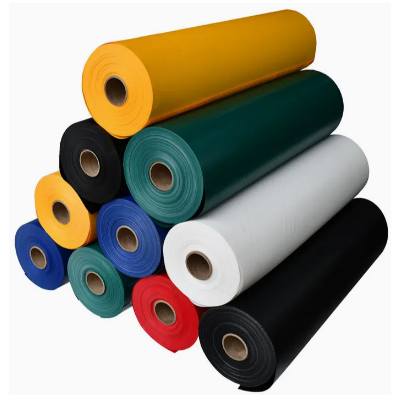
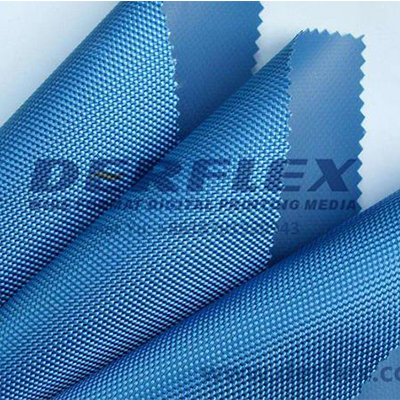
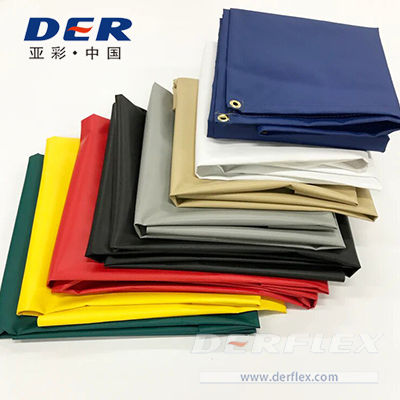
The most useful sample trial reproduces the real storage position, closure sequence and access constraints. A loose fabric swatch cannot demonstrate the fit of a finished cable reel cover.
Waterproof fabric can block direct rainfall while moisture still condenses underneath. Avoid unsupported pockets that collect water. Agree protected ventilation or inspection access with the cable owner where needed; mesh and open vents can also admit wind-driven rain.
Identify burrs, exposed bolts, rough timber and projecting cable tails before fitting. Use reviewed protective interfaces or local reinforcement at wear points. A soft outer cover does not replace rigid protection where impact or puncture is expected.
Position seams and flaps with the expected water path in mind. Confirm weld compatibility with the actual coated fabric and inspect seam continuity on the sample. Zips, stitching and penetrations need their own water-entry review.
Design the cover fastening separately from reel blocking, lifting and cargo lashings. Do not attach lifting gear to tarp eyelets. Confirm with the carrier whether the cover can remain fitted in transit; remove it before reel rotation or cable payout.
A tarp is one part of the protection plan. Cable-end sealing, reel support, desiccants or barrier packaging, where required, must follow the cable manufacturer’s instructions. A fitted tarp does not create a hermetic package.
DERFLEX’s custom tarp supply combines material selection with finished dimensions, reinforcement, marking and packing. For a mixed fleet, build a size schedule that assigns each reel type its own drawing revision and cover code.
Review the scope through the custom tarpaulin manufacturing service. Specify whether you need finished cable drum covers, precut panels for your fabricator or roll material for local conversion.
| Check | Record before approval | Common purchasing mistake |
|---|---|---|
| Fit and installation | Trial on the intended reel and base; document closure reach and access | Ordering from the cable winding size instead of the maximum reel envelope |
| Rain paths and openings | Review pooling, seams, flaps and lower-edge drainage under agreed trial conditions | Assuming waterproof fabric makes every finished opening watertight |
| Reinforcement and hardware | Confirm patches, hem details, attachment positions and supplied components | Accepting an eyelet count without checking the fastening layout |
| Repeat-order identity | Retain the drawing revision, approved material sample, labels and inspection record | Reordering by diameter alone when reel width or base geometry has changed |
Measure the maximum outside flange diameter and the total outside width, including projections that remain under the cover. Add the required cover drop, storage orientation, base dimensions and access positions. Submit a dimensioned sketch and photographs so installation clearance can be agreed before the pattern is finalized.
PVC coated fabric can form a rain barrier, but the finished cover also depends on seams, openings, closures and its installed shape. Confirm the required rain-exposure conditions and sample checks. An outdoor tarp cover is not a hermetic moisture barrier and does not replace cable-end sealing.
Choose GSM together with fabric construction, handling weight, tear resistance, abrasion exposure, flexibility and the required outdoor performance. Reel size and removal frequency also matter. Ask DERFLEX to review a material sample or performance brief rather than selecting a universal GSM for every reel.
A cover may remain fitted during shipping only when its fastening, clearances and transport conditions have been reviewed with the carrier. Cargo restraint must be independent of the tarp. Remove the cover before reel rotation or cable payout unless a separate operating enclosure has been specifically designed and approved.
A waterproof outer cover does not prevent condensation by itself. Temperature changes and trapped moisture can create damp conditions underneath it. Agree drainage, protected ventilation, inspection access and any separate barrier packaging with the cable supplier’s preservation plan.
Provide reel dimensions, orientation, photographs or drawings, quantity by size, site conditions, intended storage period, transport requirements and destination. Add fabric preferences, fastening positions, branding and required test evidence. DERFLEX can then confirm the proposed supply scope, sample process, MOQ and production timing in the quotation.
Send the dimensions and covering conditions. Review material, pattern, reinforcement and sample requirements with DERFLEX before confirming the batch.