Finished Area
Calculate one tarp's rectangular finished area, then multiply by quantity.
Finished area = Length × Width × Quantity


Estimate material cost, fabrication, reinforcement, packaging, freight allocation, cost per tarp and total order cost for custom, wholesale and industrial tarp projects. Use your own supplier or project inputs—the tool does not invent a DERFLEX selling price.
Tarp cost = material cost + fabrication + reinforcement/hardware + printing/packing + allocated logistics. For a fair supplier comparison, calculate the same finished area, material construction, quantity and delivery basis. DERFLEX's broader tarp cost guide explains why two tarps with the same dimensions can still have very different prices.
Enter the dimensions, quantity, pricing basis and known finishing costs. The calculator converts the inputs into a quote-planning breakdown without assuming a fixed market price.
Use one rectangular tarp size. For shaped or fitted covers, calculate by approved cut-panel area or request a drawing-based quotation.
The calculator keeps the arithmetic visible so procurement teams can normalize quotations instead of comparing unrelated headline prices.
Calculate one tarp's rectangular finished area, then multiply by quantity.
Finished area = Length × Width × QuantityAdd the allowance entered for welding overlap, hems, edge trim, cut loss or contingency.
Planning area = Finished area × (1 + allowance %)Price can be entered per m², ft² or kg. Weight-based pricing uses GSM to convert area to kilograms.
kg = Planning area (m²) × GSM ÷ 1000Add per-tarp fabrication and hardware, then allocate shipment-level costs across the order.
Total = Material + Conversion + Hardware + Packing + Freight + OtherIf you only need weight from dimensions and GSM, use the dedicated Tarpaulin Weight Calculator. For current pricing logic and quotation normalization, see the PVC tarpaulin price guide.
The largest differences often come from construction choices that are invisible in a simple “price per sheet” comparison.
| Cost Variable | Why It Changes Cost | What the Buyer Should Confirm | Common Comparison Error |
|---|---|---|---|
| Material family | PVC-coated polyester, PE, canvas and mesh use different raw materials and manufacturing routes. | Material type, coating/lamination, base fabric and intended service environment. | Comparing PVC and lightweight PE as if they were equivalent covers. |
| GSM / construction | More mass can raise material and freight cost, but strength also depends on the textile reinforcement and coating quality. | GSM, yarn structure, tensile/tear targets and relevant surface treatment. | Assuming the highest GSM is automatically the lowest lifecycle cost. |
| Panel layout & yield | Large or shaped covers can require welded panels, cut loss and additional seam allowance. | Finished drawing, roll width, seam positions and expected material utilization. | Pricing only the finished visible area. |
| Edges & hardware | Webbing, rope hems, grommets, D-rings, straps and wear patches add material and operations. | Hardware type, spacing, pull direction and reinforcement zones. | Comparing a plain sheet with a fully reinforced finished tarp. |
| Functional options | UV direction, flame-retardant requirements, cold flexibility, anti-mildew treatment and printing can change formulation or testing. | Exact operating condition and any required standard or test method. | Paying for a generic label that does not match the project requirement. |
| Quantity & logistics | Setup economics, packing density, freight mode and Incoterm can materially change landed unit cost. | Trial vs repeat volume, packing, destination and quoted delivery basis. | Comparing FOB, CIF and delivered numbers as if they include the same charges. |
Material choice can change both first cost and expected replacement pattern. For a focused comparison, review PVC tarp vs poly tarp before using one common cost assumption for different material families.
A distributor, fabricator, contractor and fleet operator may use the same tarp—but they do not optimize the same cost layer.
Focus on repeatable specification, unit cost, private-label packing, container efficiency and the difference between trial and repeat-order economics.
Use material price, GSM, roll yield and waste allowance to understand the input cost before local cutting, welding and hardware installation.
Allocate freight and project-level costs, then compare effective cost per usable square meter rather than only purchase price per sheet.
Add finishing and reinforcement costs, then use the optional service-cycle field to compare cost per use for repeatedly handled covers.
Estimate large-area material cost, but also plan for perimeter reinforcement, anchoring hardware, UV exposure and replacement labor.
Include sample, setup, inspection or testing charges in order-level costs so the first production run is not compared directly with a mature repeat order.
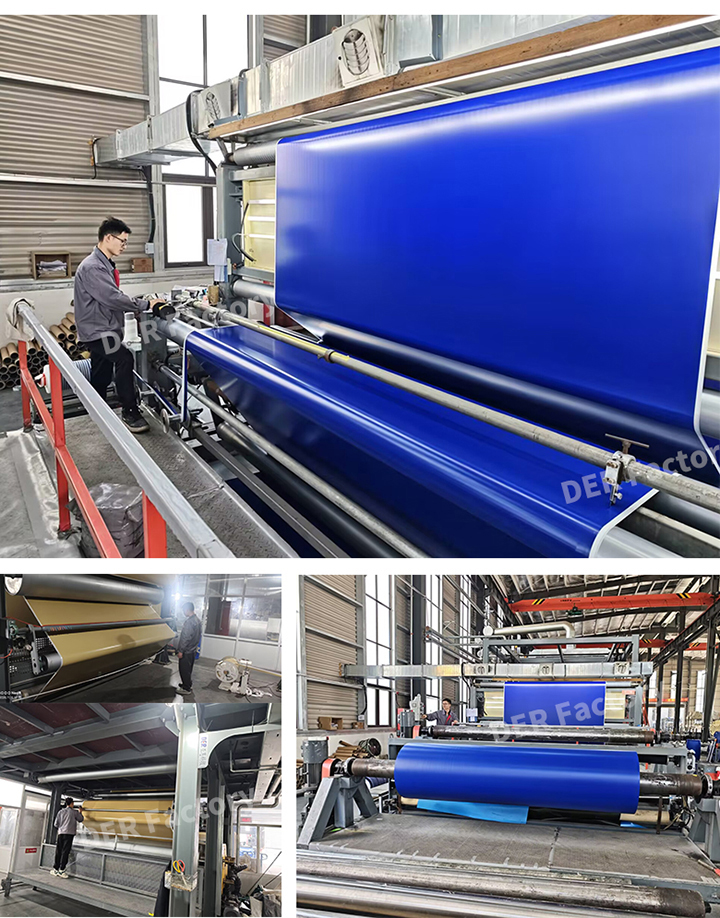
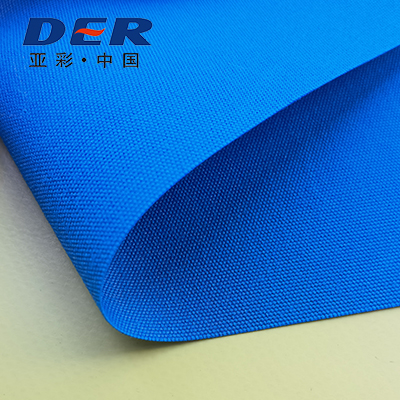
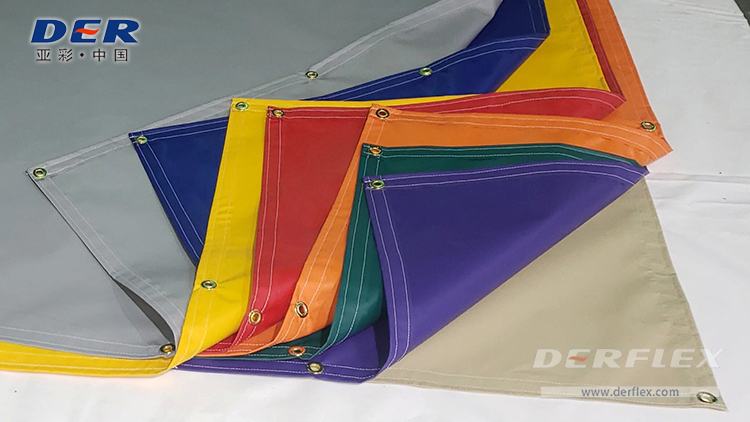
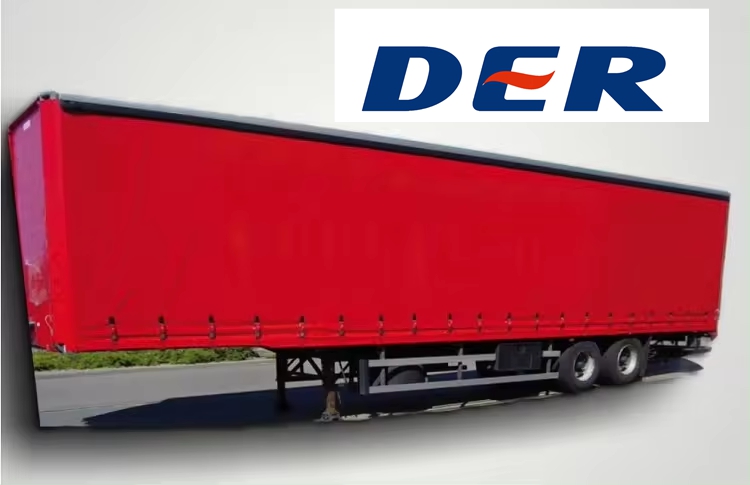
Real product and production imagery helps buyers connect cost inputs with the physical construction behind the quotation.

The calculator gives you a cost framework. A production quotation still needs a controlled tarp specification.
Measure the actual coverage path, drops and attachment zones. For complex geometry, provide a drawing.
State PVC, PE or another material, plus GSM/thickness, color, exposure and required performance.
Identify seams, hems, webbing, grommets, D-rings, pockets, cut-outs, windows, straps and wear patches.
Provide quantity, trial/repeat plan, packing, destination, Incoterm and required delivery schedule.
If your finished dimensions are not fixed yet, calculate them first with the Tarpaulin Size Calculator. For shaped, reinforced or OEM covers, DERFLEX can review the drawing through its custom tarp manufacturing program.
Complete inputs reduce quote revisions and make supplier comparisons more meaningful.
These six pages cover price logic, measurement, weight, material comparison and custom manufacturing without duplicating the calculator's utility intent.
Direct answers for buyers comparing material, finished-cover and wholesale tarp quotations.
For a custom or wholesale tarp, start with finished area and quantity, add a planning allowance for seams, hems or cut loss, then multiply by the material price basis. Add fabrication, reinforcement/hardware, printing/packing and known order-level logistics. Divide the total by quantity for estimated cost per tarp.
Yes. The calculator reports effective cost per finished square meter after all entered cost layers are included. This is more useful than material price per m² when the finished tarp includes welding, hems, hardware, packing or freight.
Higher GSM usually increases material mass and can increase freight, but GSM is only one factor. Base fabric construction, coating type, width utilization, reinforcement, special treatments and fabrication complexity can change the final cost substantially.
Put both quotes on the same basis: finished size, material family, GSM/thickness, base fabric, coating/lamination, edge reinforcement, hardware type and spacing, seam method, printing, packing, quantity, Incoterm and destination. Then compare landed cost and suitability rather than only the headline unit price.
No automatic duty or tax is generated. If you already know a verified order-level amount, you can enter it in “Other Order-Level Cost.” Customs valuation, tariffs, taxes and local fees vary by jurisdiction and should be confirmed with the appropriate broker or authority.
A finished cover can require multiple panels, welded or sewn seams, reinforced hems, webbing, grommets, D-rings, straps, shaped cutting, printing, inspection and custom packing. These operations are not represented by raw material price per square meter alone.
Send DERFLEX the application, finished dimensions or drawing, material direction, GSM/thickness, quantity, reinforcement/hardware, branding, packing, destination and required delivery basis. The team can review the specification and prepare a current quotation.