Compare Materials
Screen coating systems, surface finishes or fabric constructions under the same controlled test conditions before full-scale field trials.



How to test, compare and specify abrasion resistance for PVC tarpaulin and coated fabrics using recognized rotary-platform and Martindale methods—without treating one cycle number as a universal durability claim.
Tarpaulin abrasion resistance is measured by rubbing a conditioned specimen against a controlled abradant under a defined test setup and evaluating the resulting wear. For plastic-coated tarpaulin, ASTM D3389 and ISO 5470-1 are directly relevant rotary/Taber references; ISO 5470-2 addresses Martindale abrasion on coated surfaces, including wet and dry methods. A result is meaningful only when the method, abradant, load, specimen preparation, conditioning, cycle count and endpoint are reported together.
Tarpaulin can rub against cargo edges, trailer hardware, straps, floors, scaffolding, machinery and itself during folding or transport. Laboratory abrasion tests help compare constructions under controlled conditions, but the result must be interpreted in the context of the intended use.
Screen coating systems, surface finishes or fabric constructions under the same controlled test conditions before full-scale field trials.
Use an agreed method to monitor lot-to-lot changes when abrasion resistance is a critical characteristic for the finished application.
Replace vague phrases such as “high abrasion resistance” with a defined method, setup, evaluation metric and pass/fail criterion.
For coated tarp fabrics, start with a method written for coated materials. Use broader textile methods only when they match the buyer's specification or comparison purpose.
| Standard | Best Fit | Test Principle / Output | Procurement Use | Key Caution |
|---|---|---|---|---|
| ASTM D3389-21 | Rubber- or plastics-coated fabrics, including relevant PVC-coated tarp constructions. | Rotary-platform abrasion; wear can be evaluated by mass loss or cycles required to wear through the coating and initially expose the base fabric. | Useful when the contract or customer specification calls for a coated-fabric rotary abrasion method. | Cycle count is not a standalone property; test conditions and evaluation method affect the result. |
| ASTM D3884-22 | General textile fabrics using a rotary-platform abrader. | Guides determination of textile abrasion resistance and emphasizes the influence of fabric construction, finish and test conditions. | Useful for textile-side comparisons or when explicitly required by an existing buyer specification. | It is broader than a coated-fabric-specific method; confirm that the method matches the surface being evaluated. |
| ISO 5470-1:2016 | Rubber- or plastics-coated fabrics. | Assesses abrasive wear resistance of coated fabrics using a Taber abrader. | Strong choice for international coated-fabric specifications when this ISO method is requested. | Specify the complete agreed test condition rather than quoting only a cycle target. |
| ISO 5470-2:2021 | Coated surfaces of rubber- or plastics-coated fabrics. | Martindale method with separate wet and dry abrasion procedures. | Useful where sliding/rubbing behavior under Martindale conditions better represents the project requirement. | Do not compare a Martindale cycle result directly with a Taber/rotary-platform result. |
Standards evolve. Procurement documents should identify the required edition and obtain the official standard from ASTM International or ISO before running contractual tests.
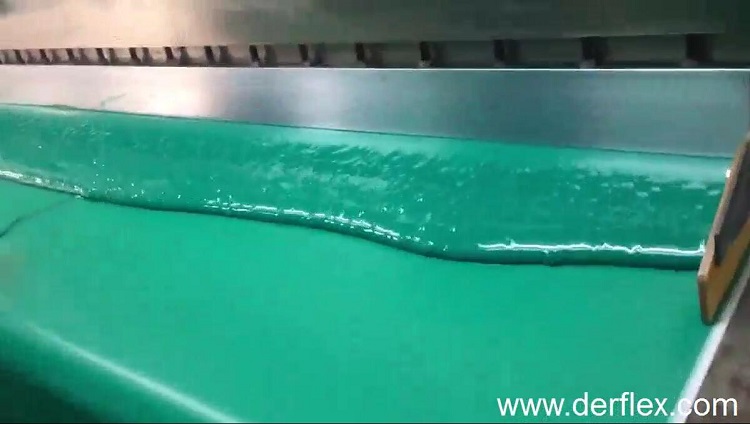
A tarpaulin does not “fail from abrasion” in only one way. A coated surface may polish, scratch, roughen, lose mass, thin progressively, expose the polyester base fabric or lose functional performance after repeated wear.
The buyer may care most about coating breakthrough, visual damage, loss of thickness, mass loss, or retention of another performance property after abrasion. The selected endpoint should match the risk that matters in service.
Material abrasion testing should be combined with design review of high-wear zones such as hems, corners, straps, buckles, rails and cargo contact points. A strong base material can still fail early if load is concentrated at an unprotected edge.
A cycle number without its test “fingerprint” is incomplete. Record these variables whenever samples are compared, approved or quoted.
The best metric depends on the test standard, material construction and failure mode that matters for the project.
Measures material removed during a defined abrasion exposure. Compare only under the same method and setup.
Records the exposure needed for an agreed coating-breakthrough endpoint, such as initial base-fabric exposure where applicable.
Useful when gloss change, scratching, roughening or visible coating damage is important, provided the rating method is defined.
For critical projects, abrasion can be followed by an agreed secondary check to determine whether functional performance remains acceptable.
It shows that a material performed well under the stated laboratory condition compared with the specified limit or comparison sample.
It does not automatically predict service life in months or years, and it does not replace field validation where sharp edges, vibration, contamination or complex motion dominate wear.
No. Weight is useful context, but abrasion resistance is a system property rather than a simple GSM ranking.
Resin formulation, coating amount and the way the coating is bonded and finished can strongly influence surface wear behavior.
Embossing, lacquer, gloss/matte finish and surface friction can change how the tarp interacts with an abradant or real contact surface.
Polyester construction, yarn geometry and flexibility affect support beneath the coating and how stresses move through the composite.
For purchasing, compare candidate constructions using the same abrasion method and then confirm tear, tensile, adhesion, seam and reinforcement requirements separately.
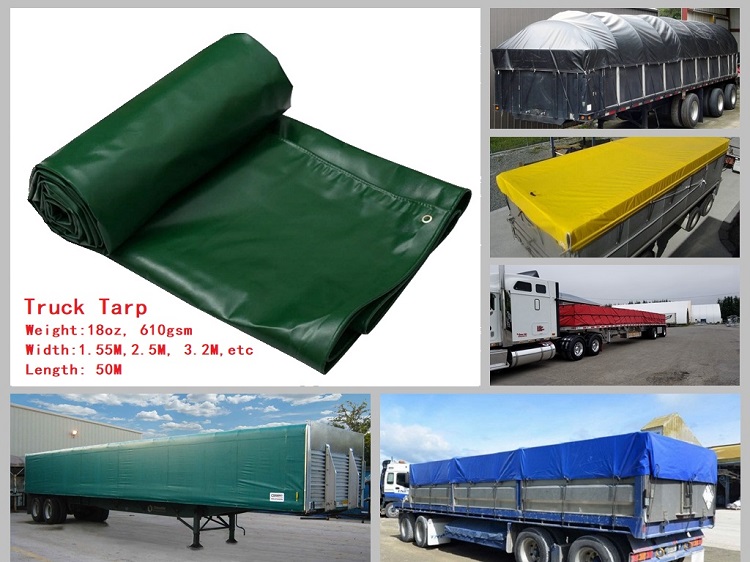
These properties answer different engineering questions. A procurement specification should not substitute one for another.
| Property | Question It Answers | Typical Field Risk | Why It Matters with Abrasion |
|---|---|---|---|
| Abrasion resistance | How does the surface withstand repeated rubbing or wear under the defined test? | Surface thinning, scratching, coating breakthrough. | Abrasion can expose the substrate or weaken a high-contact zone. |
| Tear resistance | How strongly does the material resist propagation of an existing cut or tear? | Damage spreading from a puncture or sharp-edge nick. | Abrasion may initiate damage that later becomes a tear-growth problem. |
| Tensile strength | How much pulling force can the material resist under a defined tensile test? | Overall membrane or tie-down loading. | High tensile strength does not guarantee a wear-resistant surface. |
| Coating adhesion | How strongly is the polymer coating bonded to the textile substrate? | Peeling, delamination, seam or edge deterioration. | A worn surface can become more vulnerable if coating-to-fabric bonding is insufficient. |
Define the test before asking suppliers for a number. This makes quotations easier to compare and reduces disputes during approval.
          Material: [PVC-coated polyester tarpaulin / project construction]

          Application: [describe actual use and high-wear contact]

          Test method: [standard + edition]

          Test surface / direction: [define]

          Abradant: [define per agreed method]

          Test load: [define per agreed method]

          Conditioning: [define]

          Exposure / endpoint: [cycles, wear-through, mass-loss exposure or other agreed endpoint]

          Acceptance criterion: [project-specific validated limit]

          Report: [individual results + average where appropriate + specimen photos + lot identification]
Do not copy a competitor's cycle threshold without reproducing the same method and validating that it correlates with your own application.
Ask for the method, abradant, load, endpoint and conditioning. Without them, the cycle figure is not sufficiently defined for comparison.
GSM alone does not describe coating chemistry, surface finish or test performance. Compare actual constructions under one method.
Laboratory abrasion is a controlled comparison. Service wear adds vibration, edges, dirt, moisture, temperature and movement patterns.
Taber/rotary-platform and Martindale methods create different contact mechanics. Results should remain method-specific.
Finished-product life also depends on reinforcement layout, seam quality, hardware and how the cover is tensioned and handled.
Tear, tensile, adhesion, flexing and environmental resistance answer different failure questions and should be specified separately when needed.
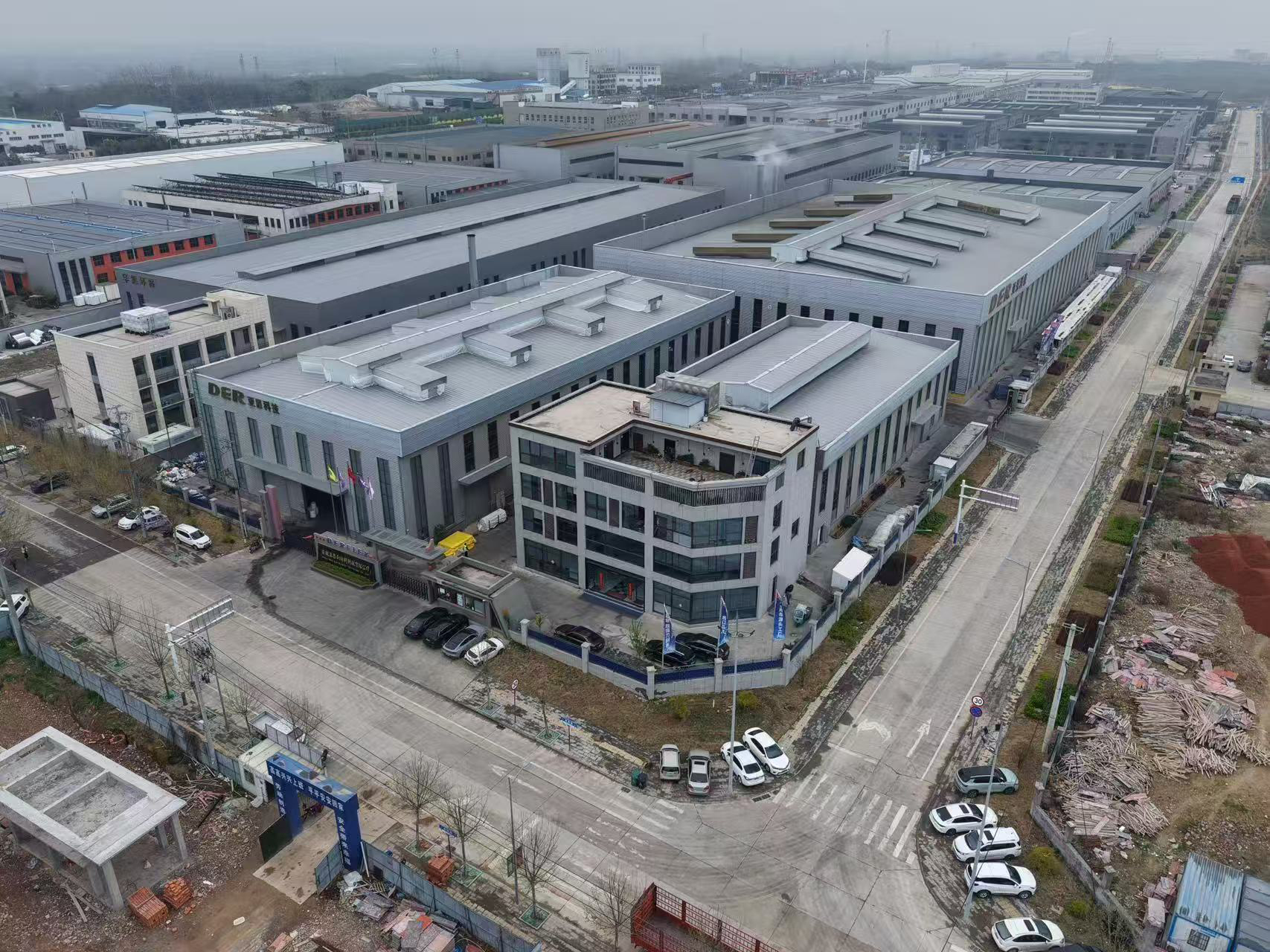
Use close-up material, production and application photography to document what is being tested and where abrasion risk occurs.
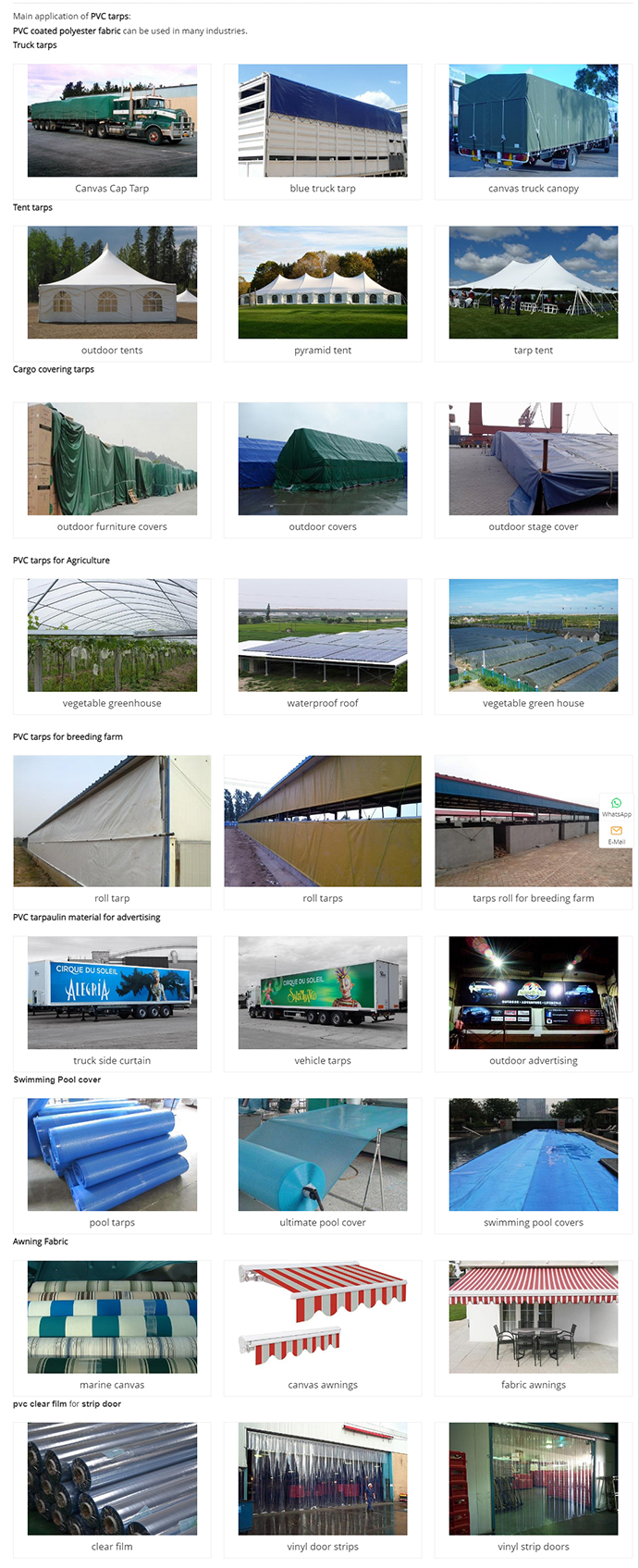
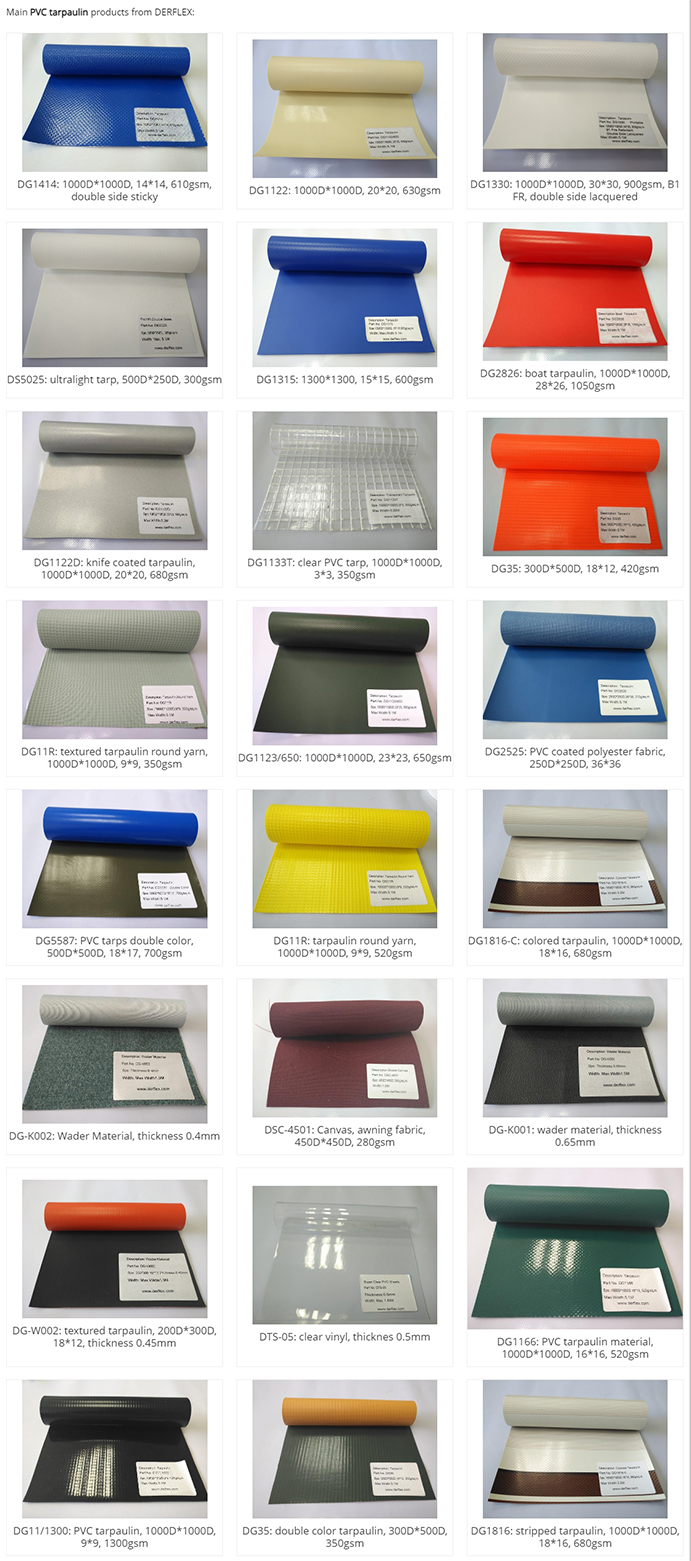
Start with the wear mechanism, then build the material and finished-tarp specification around it.
Identify what rubs against the tarp, how often, under what pressure, and whether dirt, moisture or sharp edges are present.
Choose the coated-fabric method and evaluation endpoint that best represents the buyer's comparison or acceptance need.
Combine material performance with reinforcement, edge protection, seam design and hardware placement at predictable wear zones.
These six related pages connect abrasion testing with material choice, tarp construction and real transport applications.
It is a controlled laboratory test that exposes a tarp or coated-fabric specimen to repeated rubbing against a defined abrasive system, then evaluates wear using an agreed metric such as mass loss, coating breakthrough, cycles to an endpoint or surface change.
ASTM D3389 is specifically written for rubber- or plastics-coated fabrics using a rotary-platform abrader, making it directly relevant to many PVC-coated fabric evaluations. The exact method and edition should be specified by the buyer or test laboratory.
ASTM D3389 focuses on coated fabrics, while ASTM D3884 is a broader guide for textile fabrics using a rotary-platform abrader. For a PVC-coated tarpaulin surface, a coated-fabric-specific method is generally the more direct starting point unless the project specification requires otherwise.
They use different specimen motions and contact mechanics. ISO 5470-1 addresses coated fabrics with a Taber abrader, while ISO 5470-2 addresses coated surfaces using Martindale wet and dry abrasion methods. Their cycle counts are not interchangeable.
There is no universal cycle threshold that fits every tarp. A meaningful requirement must define the standard, abradant, load, conditioning, endpoint and intended application, then use a validated project-specific acceptance value.
No. GSM describes mass per unit area, not abrasion performance by itself. Coating formulation, coating amount, surface finish, substrate construction and manufacturing consistency can all influence abrasion behavior.
Not by itself. Laboratory abrasion results are useful for controlled comparison and quality control, but actual service life also depends on UV, temperature, loading, edges, vibration, dirt, moisture, installation, maintenance and finished-tarp design.
Send the application, tarp dimensions or roll requirement, contact/wear conditions, target material construction or GSM/thickness, required test standard and acceptance criterion if one exists, color/printing, reinforcement or hardware details, quantity, destination and any other required performance standards.
Send DERFLEX your application, expected wear mechanism, material requirement and required ASTM/ISO method. We can discuss suitable PVC-coated fabric constructions and the information needed for a comparable project specification.
Technical note: this guide summarizes public information for material selection and procurement planning. Contractual testing should follow the complete official standard and an agreed laboratory procedure.
Use the official standard text for laboratory execution and contractual requirements.