TPU Inflatable Boat Fabric for Airtight, Weldable and Flexible Marine Products
DERFLEX supplies TPU inflatable boat fabric for dinghies, rafts, RIB collars, packrafts, inflatable kayaks, rescue boats and specialized marine equipment. The material can be developed around air retention, seam welding, abrasion resistance, foldability, color requirements and repeatable roll supply for production programs.
What Makes a TPU Boat Fabric Suitable for Real Production?
A boat fabric is not selected by one thickness number only. Inflatable craft need a textile structure that can hold air, accept welded seams, remain flexible during packing and launching, and resist rubbing from floors, docks, sand, gear and repeated handling.
For professional buying, the important questions are practical: Will the fabric weld cleanly on your equipment? Can it support the chamber pressure and seam design? Does the surface remain stable during storage and folding? Can the supplier repeat the same color, width, weight and packing format over multiple orders?
DERFLEX material direction
- TPU coated nylon for flexible, high-tear, lightweight-to-heavy-duty inflatable structures.
- TPU coated polyester for dimensional stability, cost-balanced roll supply and certain industrial marine uses.
- Double-side TPU coating for more demanding airtight chambers, inflatable collars and sealed products.
- Polyether TPU direction can be discussed for water-contact and hydrolysis-resistance requirements.
- Surface finish, color, hardness and coating thickness can be matched to the final product positioning.
TPU Coated Fabric for Inflatable Boats, Rafts, Dinghies and RIB Collars
Marine inflatable products face different pressure, weight and durability targets. DERFLEX helps buyers choose the base fabric, coating side, surface texture and processing route according to the finished boat design rather than using a single material for every model.
Airtight chamber structure
TPU coating creates a continuous sealing surface suitable for tube bodies, buoyancy chambers, collars and inflatable floor components when paired with appropriate seam design and testing.
Weldable fabrication
Selected grades can be evaluated for high-frequency welding, hot-air welding and heat sealing. Sample trials help confirm seam strength, peel behavior and production speed.
Flexible handling
TPU boat fabric can support foldable and portable products where repeated packing, rolling, unfolding and field assembly are part of the user experience.
Abrasion-focused surface
For rafts, dinghies and rescue gear, buyers can discuss heavier base cloth, coating thickness, embossed texture and reinforcement material for contact areas.
OEM appearance control
Color, matte or glossy finish, texture, width, roll length, label, carton and pallet packing can be planned for brand owners and repeat export programs.
Application-based selection
Material should be confirmed according to boat size, pressure, climate, storage, welding method, repair concept and expected market use.
Where DERFLEX TPU Inflatable Boat Fabric Is Used
Different marine products need different balances of weight, flexibility, strength and processing reliability. DERFLEX can help factories and brands narrow the material direction before sample testing.
Inflatable Dinghies
For tender boats and compact inflatable craft requiring flexible storage, neat surface appearance and reliable welded seams.
Whitewater Rafts
For river and adventure applications where abrasion, handling, folding and impact resistance are key purchasing concerns.
RIB Collars
For inflatable collars and tube sections used on rigid inflatable boats, rescue craft and professional marine equipment.
Packrafts & Kayaks
For lightweight inflatable products where fabric weight, foldability, airtightness and seam processing need careful balance.
Rescue Boats
For emergency-response, municipal, flood rescue and safety equipment that needs stable supply and controlled material documentation.
OEM Marine Components
For air floors, buoyancy bags, inflatable fenders, chamber parts and custom marine products developed by fabricators.
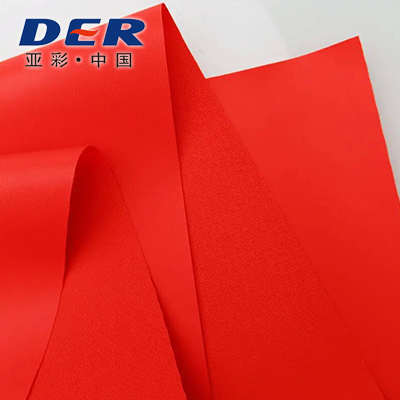
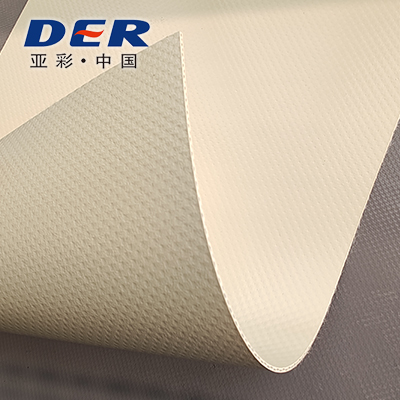
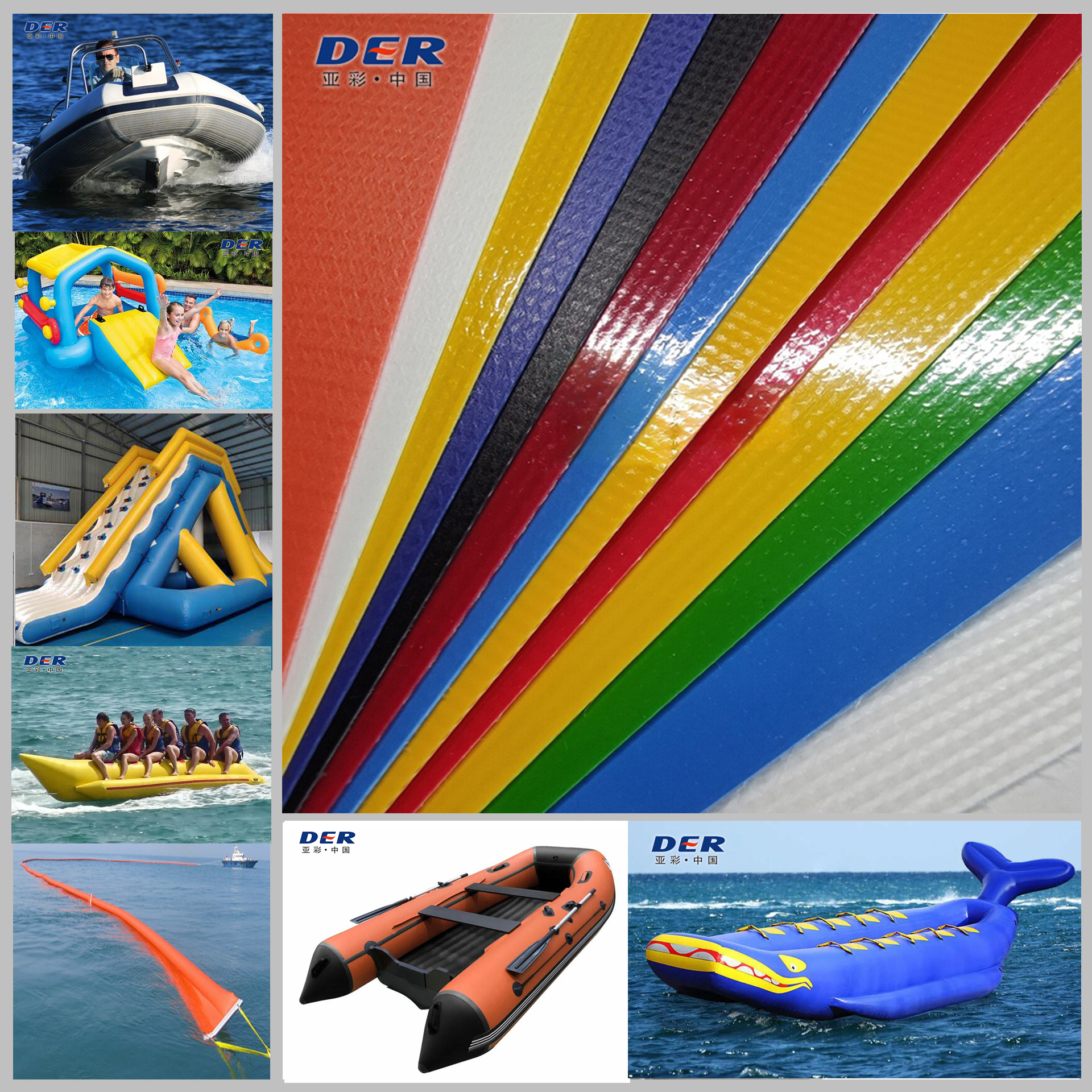
Material and application display
Boat builders often need several grades for the same product line: lighter material for portable models, heavier material for raft tubes or rescue equipment, and reinforced fabric for stress points. DERFLEX can discuss roll goods and supporting material for sample development, trial production and repeated shipment.
Images are used to show material and application direction. Final fabric specification should be confirmed by sample testing, production process and end-use requirements.
TPU Inflatable Boat Fabric Specification Direction
The table below is a purchasing reference. Final values should be confirmed according to the boat model, air chamber pressure, welding method, reinforcement design, climate, storage conditions and test requirements.
| Product direction | TPU inflatable boat fabric / TPU coated boat fabric / airtight TPU marine fabric |
|---|---|
| Base fabric | Nylon or polyester; common directions include 420D, 840D, 1000D, 1680D and customized woven structures. |
| TPU chemistry | Polyether TPU direction for water-contact and hydrolysis-resistance needs; polyester TPU direction for abrasion, mechanical strength and certain industrial requirements. |
| Coating side | Single-side or double-side TPU coating / lamination; double-side coating is often considered for airtight inflatable products. |
| Total weight | Lightweight, balanced and heavy-duty constructions can be discussed according to portable boats, packrafts, rafts or rescue craft. |
| Width and roll format | Custom width and roll length available by grade and production arrangement; export packing, labels and pallets can be discussed. |
| Surface finish | Glossy, matte, embossed, textured, anti-blocking or customized finish for appearance, handling and welding needs. |
| Color options | Black, grey, red, yellow, orange, blue, green, white and custom color direction based on order quantity and formulation. |
| Processing | HF welding, hot-air welding, heat sealing, cutting, reinforcement welding and sample-based process confirmation. |
| Testing focus | Appearance, thickness, weight, width, tensile strength, tear strength, peel strength, air retention, welding suitability and aging direction as required. |
TPU vs PVC vs CSM: How to Choose for Boat Fabric Programs
Inflatable boat material selection should be based on the finished product and business model. TPU, PVC and CSM-type materials each have practical use cases. DERFLEX can support material selection discussions when buyers need to compare performance, process, price and supply stability.
Selection should consider
- Boat size, tube diameter and chamber pressure.
- Target market: leisure, adventure, rescue, OEM or professional use.
- Welding equipment, workshop process and repair method.
- Exposure to UV, saltwater, humidity, cold weather and abrasion.
- Expected price level, order volume and repeat supply needs.
TPU fabric
Often selected for: airtight welding, flexibility, foldability, abrasion resistance, lighter premium designs and PVC-free product direction.
PVC fabric
Often selected for: cost-balanced inflatable products, large-volume production, broad availability and many standard boat fabric constructions.
CSM-type fabric
Often selected for: certain professional marine products that prioritize long outdoor exposure and chemical resistance, depending on budget and processing route.
How DERFLEX Supports OEM Inflatable Boat Fabric Buyers
Marine material sourcing is not only about ordering a roll. For a stable boat program, buyers need sample matching, welding verification, repeatable color, consistent surface, controlled packing and communication around technical requirements.
Confirm boat type, pressure, fabric weight target, color, width and welding method.
Select nylon or polyester, TPU type, coating side, surface finish and functional direction.
Check welding, peel behavior, air retention, hand feel, folding and appearance before bulk production.
Arrange roll goods with export packing, label, pallet and production documentation as discussed.
Support ongoing color, width, packing and specification control for OEM programs.
What to Confirm Before Buying TPU Boat Fabric
To receive a practical quotation and suitable sample, share the real application details instead of asking for a general price per meter.
- Boat type: dinghy, raft, kayak, RIB collar, packraft, air floor or rescue equipment.
- Expected air pressure, chamber size and reinforcement design.
- Preferred base fabric: nylon, polyester, denier and weave direction.
- Coating side: one-side, two-side, laminated or coated construction.
- Target weight, thickness, color, surface finish and roll width.
- Welding method and available fabrication equipment.
- Testing requirement, packing format and estimated order quantity.
Why buyers choose DERFLEX for TPU inflatable fabric
DERFLEX works with coated fabrics, TPU materials, PVC tarpaulin, inflatable fabrics, flexible tank materials and industrial technical textiles. This makes it easier for buyers to compare material paths and choose the structure that fits the final product instead of being limited to one standard grade.
For OEM buyers, DERFLEX can discuss custom fabric weight, TPU coating, color matching, width, roll length, label, packing, trial production support and documentation for repeat supply programs.
Send Your Boat Fabric RequirementRelated DERFLEX Material Pages
Use these related pages to compare material direction, coating structure and application options for inflatable and marine product development.
TPU Inflatable Boat Fabric FAQ
What is TPU inflatable boat fabric?
It is a technical textile made by bonding thermoplastic polyurethane to a nylon or polyester base fabric. The base fabric provides strength, while the TPU layer helps create waterproof, airtight and weldable performance for inflatable marine products.
Is TPU suitable for inflatable boats?
TPU can be suitable for inflatable boats, dinghies, rafts, packrafts, kayaks, RIB collars and rescue equipment when the right base fabric, coating side, thickness and welding method are selected and tested.
Should I choose nylon or polyester base fabric?
Nylon is often considered when flexibility and tear performance are important. Polyester can be considered when dimensional stability and cost-balanced supply are priorities. The choice should match the finished product and process.
Can TPU boat fabric be welded?
Selected TPU coated fabrics can be evaluated for HF welding, hot-air welding and heat sealing. DERFLEX recommends testing the material on your production equipment before bulk order confirmation.
Can DERFLEX supply custom colors?
Yes. Custom color direction, surface finish, width, roll length and packaging can be discussed according to specification, MOQ and production arrangement.
How do I request a sample?
Send boat type, air pressure, base fabric preference, target weight or thickness, width, color, welding method and estimated quantity. DERFLEX will help recommend a suitable sample direction for testing.
Need TPU Inflatable Boat Fabric for Your Next Marine Product?
Share your product type, material target, color, width, welding method and order plan. DERFLEX will help you review the TPU boat fabric direction for sample testing and bulk roll supply.
Send these details for a faster reply
Boat type and chamber design
Target weight / thickness / width
Base fabric and TPU coating side
Color, finish and welding method
Sample quantity and bulk order plan