


What Is a Truck Tarp?
A practical guide for truckers, fleets, distributors, tarp fabricators and OEM buyers who need to understand what a truck tarp does, how different truck tarp types work, which materials are used and what details matter before ordering.
A truck tarp is a reinforced flexible cover used on trucks and trailers to protect exposed freight or help contain selected bulk loads during transport. Truck tarps may be solid PVC/vinyl, mesh or another application-specific fabric, and they can be deployed manually, on roller or arm systems, or as curtain-side panels. A tarp does not replace required cargo securement.
Truck Tarp Meaning: A Flexible Cover Designed for Moving Loads
A truck tarp, also called a truck tarpaulin or truck cover, is built around transport rather than static storage. The cover must follow the load, remain attached during road use, tolerate repeated handling and provide the level of weather protection or containment required by the cargo.
What makes a truck tarp different from an ordinary general-purpose tarp?
Road transport adds wind pressure, vibration, road spray, repeated folding, cargo-edge abrasion and concentrated tension at hems, D-rings, grommets, pockets or roller attachments. For that reason, professional truck tarps are usually specified around the actual truck body, loaded cargo profile and fastening method.
For commercial sourcing, the useful question is not only “what is a truck tarp?” but also “what does this tarp need to survive every day?” DERFLEX's truck tarp product range is organized around those application variables rather than one generic cover.
Important distinction: “truck tarp” can refer to a finished removable cover, the flexible fabric used to make that cover, or the cover component inside a mechanical tarp system. The hardware, truck body and tarp fabric should be specified as one operating system.
What Is a Truck Tarp Made Of?
A finished tarp is more than the sheet material. Field life often depends on how the base fabric, coating, seams, reinforcements and attachment details work together.
Five functional layers of a truck tarp specification
Buyer shortcut
When a truck tarp fails early, the cause is not always “the fabric was too light.” Common failure points include:
- sharp load edges without adequate wear protection;
- reinforcement that does not match the pull direction;
- incorrect grommet or D-ring layout;
- poorly placed seams in high-stress zones;
- wrong material choice for solid vs breathable coverage;
- a cover that is too tight, too loose or incorrectly sized.
What Is a Truck Tarp Used For?
Truck tarps solve two broad transport problems: protecting cargo from the road environment and helping cover or contain loads that would otherwise remain exposed.
Weather protection
Solid truck tarps can reduce exposure to rain, snow, road spray, dust and sunlight when the material, seams and coverage are properly selected.
Load containment
Mesh or solid covers can be used on selected dump, roll-off, waste, landscaping and bulk-hauling applications to help keep material within the body.
Road contamination control
Open freight may need protection from dirt, insects, grime and wind-driven debris over long routes.
Fleet presentation
Custom color and logo printing can turn a protective cover or trailer curtain into a consistent fleet branding surface.
For a commercial sourcing view of finished covers, roll material and OEM options, see DERFLEX's truck tarpaulin solutions.
Common Truck Tarps by Cargo and Vehicle Type
Names such as lumber tarp, steel tarp or dump tarp describe common operating patterns, not rigid rules. Loaded geometry, cargo risk and cover mechanism should still drive the final specification.
| Truck tarp type | Typical use | What makes it different | Key buying details |
|---|---|---|---|
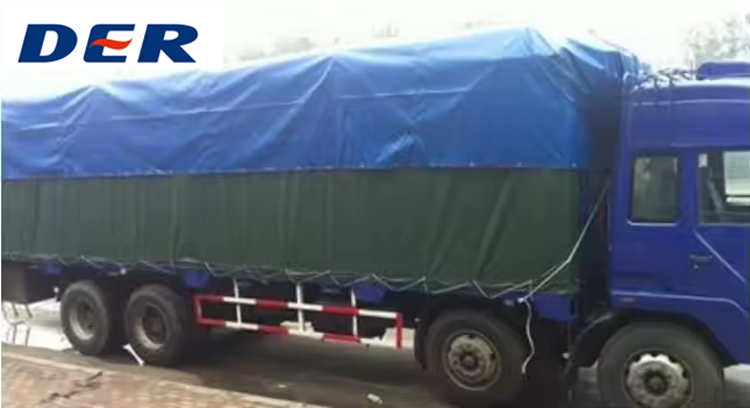
| Flatbed tarp | Open-deck freight, crates, equipment, construction goods and mixed cargo. | Large flexible coverage over exposed top, sides and ends. | Loaded dimensions, side drop, weather protection, tie-down layout and abrasion zones. |
| Lumber tarp | Lumber, plywood, wallboard and other tall rectangular loads. | Commonly uses deeper side drops and end-flap coverage. | Load height, flap geometry, D-ring rows, corner wear and handling weight. |
| Steel tarp | Steel plate, pipe, rebar and lower-profile industrial loads. | Often uses less drop material than lumber-style covers. | Abrasion resistance, edge protection, finished dimensions and reinforcement. |
| Coil / shaped tarp | Steel coils, cable spools or selected rounded cargo. | Shape is adapted to curved or concentrated cargo geometry. | Diameter, width, overlap, contact zones and fastening arrangement. |
| Dump truck tarp | Sand, gravel, soil, waste, mulch, grain and other loose or bulk materials. | Usually works over an open body and may connect to a manual or powered system. | Solid vs mesh, body size, roller or arm compatibility, pockets and edge reinforcement. |
| Roll-off / container tarp | Waste containers, demolition loads and roll-off hauling. | Designed around container opening and frequent deploy/retract cycles. | System geometry, wear points, airflow, cover width and attachment method. |
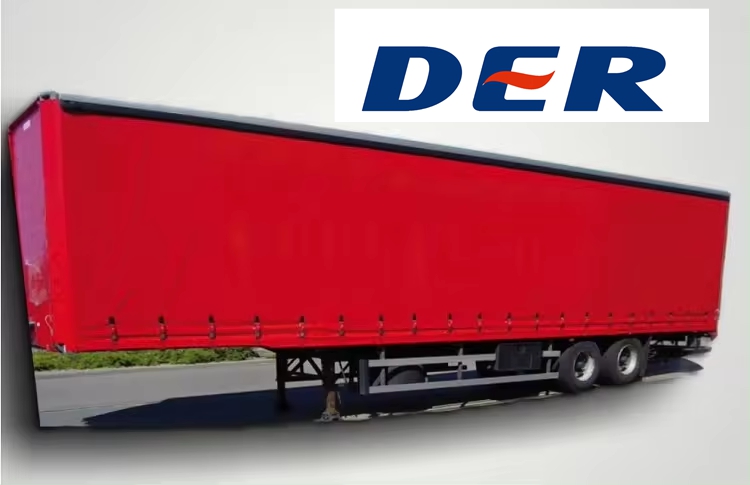
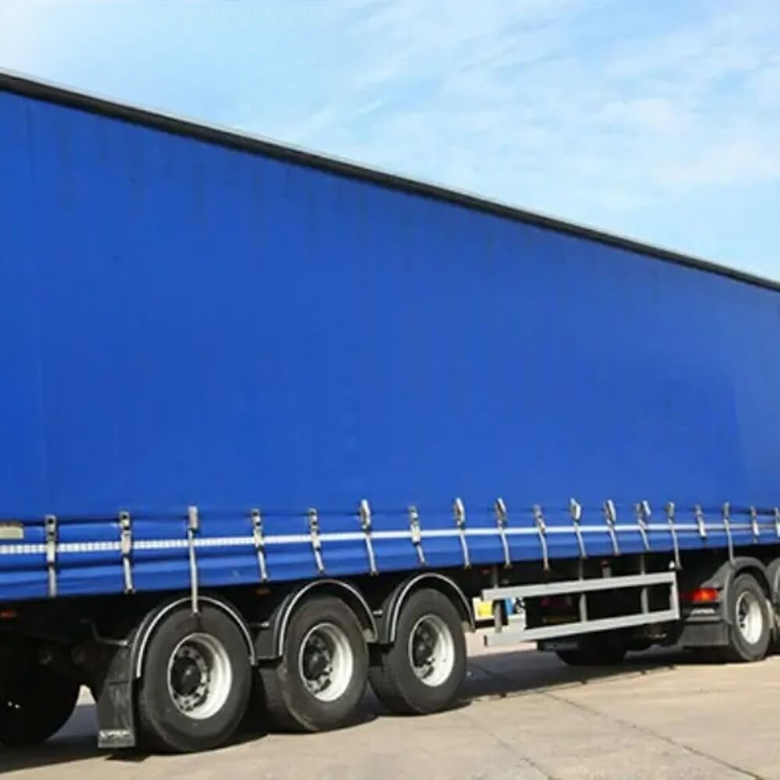
| Curtain-side tarp | Curtain-side trailers and side-access logistics bodies. | Acts as a movable side wall instead of a loose cover over freight. | Dimensional stability, lower buckles, sliding interfaces, repeated flexing and printing. |
Not sure whether your application belongs to the flatbed or bulk-hauling family? Use the DERFLEX flatbed truck tarp vs dump truck tarp comparison to separate the two design directions.
What Materials Are Truck Tarps Made From?
There is no single “truck tarp material.” The right structure depends on whether the load must stay dry, whether airflow matters, how often the cover is handled and how severe the abrasion and weather exposure will be.
| Material direction | Best suited to | Advantages | Selection caution |
|---|---|---|---|
| PVC coated polyester / heavy-duty vinyl tarp | Flatbed cargo, truck covers, trailer covers, side curtains and repeat-use weather protection. | Practical combination of waterproofing, textile reinforcement, weldability, color options and outdoor durability. | Higher weight is not automatically better; driver handling, foldability and fabrication should be balanced with durability. |
| PVC or polymer mesh | Dump, waste, landscaping, roll-off and other applications where airflow or easier deployment matters. | Reduced wind pressure and breathable containment for selected loads. | Mesh is not a substitute for a solid waterproof cover when the cargo must stay dry. |
| PE / poly tarp | Temporary or lower-cost covering situations where heavy commercial road use is not the main requirement. | Lightweight and economical for short-term protection. | Durability, abrasion and repeated highway handling may be lower than heavier coated-fabric constructions. |
| Specialty coated fabrics | Projects with unusual temperature, chemical, flame, low-temperature or system-interface requirements. | Can be engineered around a specific operating problem. | Do not assume a general tarp grade meets a specialized standard; specify and verify the required performance before production. |
Waterproofing
For exposed freight that must stay dry, evaluate the solid material, seam construction, overlap and finished cover geometry together.
Handling weight
A very heavy tarp can be durable but difficult to deploy and fold. A practical specification balances road life with daily driver handling.
Fabrication
Weldability, seam strength, edge reinforcement and hardware attachment can matter as much as the face fabric itself.
For deeper material details, see DERFLEX PVC coated polyester fabric, a common construction direction for heavy-duty waterproof truck tarp applications.
How Does a Truck Tarp Work?
The tarp itself is the flexible barrier, but its behavior depends on how it is deployed, tensioned and connected to the vehicle.
Manual flatbed covering
One or more tarps are placed over the secured freight, arranged around the load profile and tensioned through D-rings, grommets, straps or compatible tie-down accessories.
Roller or arm system
The tarp rolls, slides or swings over an open truck body using a crank, spring, cable, arm or motorized mechanism. Pockets, hems and system dimensions must match the hardware.
Curtain-side system
The flexible fabric functions as a movable side wall. It slides for loading access and is tensioned against the trailer structure during transport.
Cargo securement and tarp coverage solve different problems. Chains, straps, tiedowns, blocking, bracing or other applicable securement methods are used to immobilize cargo; the tarp mainly provides weather protection or selected containment. U.S. interstate carriers should follow applicable FMCSA cargo-securement requirements for the load being transported.
How to Choose a Truck Tarp
Start with the load and cover mechanism, then work backward into material weight, reinforcement, hardware and finishing. This is more reliable than choosing by color or GSM alone.
| Operating condition | Recommended direction | Why | What to confirm before ordering |
|---|---|---|---|
| Long-haul flatbed freight requiring weather protection | Solid PVC coated polyester / heavy-duty vinyl direction | Supports waterproof coverage, repeated tension, welding and reinforced finishing. | Loaded height, side drop, sharp edges, seam map, D-ring rows and handling weight. |
| Tall rectangular freight | Lumber-style cover with deeper drops or flap design | Improves side and end coverage around high-profile cargo. | Maximum loaded envelope, flap overlap, corner wear and storage method. |
| Low-profile steel or machinery load | Steel-style or custom flatbed tarp | Reduces unnecessary loose material while maintaining weather protection. | Abrasion points, edge protection, tarp length and fastening access. |
| Dump / waste / landscaping load where airflow matters | Mesh tarp matched to system | Breathability can reduce wind pressure while supporting selected containment needs. | Mesh openness, roller or arm geometry, pocket size and perimeter reinforcement. |
| Dump load requiring stronger weather protection | Solid tarp system material | Provides a more continuous barrier against rain or road exposure. | System drag, roll diameter, material flexibility and moisture requirement. |
| Distributor / OEM repeat program | Controlled specification with approved sample | Repeatability is more important than re-selecting a generic tarp every order. | Material code, finished dimensions, color, logo, hardware layout, packaging and destination. |
DERFLEX current truck tarp range
The existing DERFLEX truck-tarp page lists approximately 450–1100 gsm as a typical PVC coated truck tarp range. Final weight should be confirmed for the actual truck, cargo, climate and handling requirements.
Do not select GSM in isolation
Fabric structure, coating, seam construction, webbing, hardware and high-wear reinforcement can all affect field performance.
Start with the loaded profile
Truck-bed dimensions alone do not describe the tarp size. Measure the real covered envelope, side drop, end overlap, system allowance and fastening location.
What Information Defines a Commercial Truck Tarp?
The following fields turn a vague “truck tarp” request into a specification that a manufacturer or fabricator can actually quote.
| Specification item | Typical DERFLEX direction | Buyer note |
|---|---|---|
| Material | PVC coated polyester, vinyl coated / laminated structures, mesh or application-specific alternatives. | Choose by waterproofing, airflow, durability, system and fabrication needs. |
| Fabric weight | Approx. 450–1100 gsm typical range on DERFLEX's current truck-tarp page, or custom by project. | Confirm against service severity and handling weight. |
| Finished size | Custom according to truck, trailer, container, cargo or tarp-system geometry. | Provide loaded dimensions and cover allowances, not just nominal bed size. |
| Surface / color | Project-dependent color and finish options. | Consider cleanability, appearance, branding and outdoor exposure. |
| Seams | Welded or sewn constructions depending on material and finished-tarp design. | Seam layout should avoid high-wear and high-tension zones where possible. |
| Reinforcement | Webbing, rope hems, double layers, wear strips, corner patches or local reinforcement by design. | Place reinforcement where the tarp is actually pulled, rubbed or attached. |
| Hardware | Grommets, D-rings, pockets, buckles, straps or system interfaces as required. | Confirm material, spacing, row position and load direction. |
| Branding / packing | Custom color, logo, labels and packaging can be discussed for OEM programs. | Provide artwork, label language, packing method and destination early. |
Five Truck Tarp Buying Errors That Create Avoidable Problems
1. Treating the tarp as load securement
Cover attachment and cargo immobilization are different engineering tasks. Do not assume tarp grommets or D-rings are load-rated tiedown points.
2. Choosing only by “oz” or GSM
Weight is useful, but it does not describe textile strength, coating, seam quality, hardware or reinforcement placement.
3. Ordering from bed dimensions alone
A finished cover must follow the cargo envelope, side drop, overlap and system allowances—not just the deck length and width.
4. Using mesh when the load must stay dry
Mesh is valuable for airflow and selected containment, but it is not equivalent to a solid waterproof covering system.
5. Ignoring wear zones
Sharp corners, trailer rails, roller pockets and repeated fold lines should be identified before fabrication so reinforcement can be placed where it is useful.
6. Rebuilding every replacement from scratch
Fleets and distributors benefit from approving one controlled specification and preserving dimensions, hardware layout, color and packing for repeat orders.
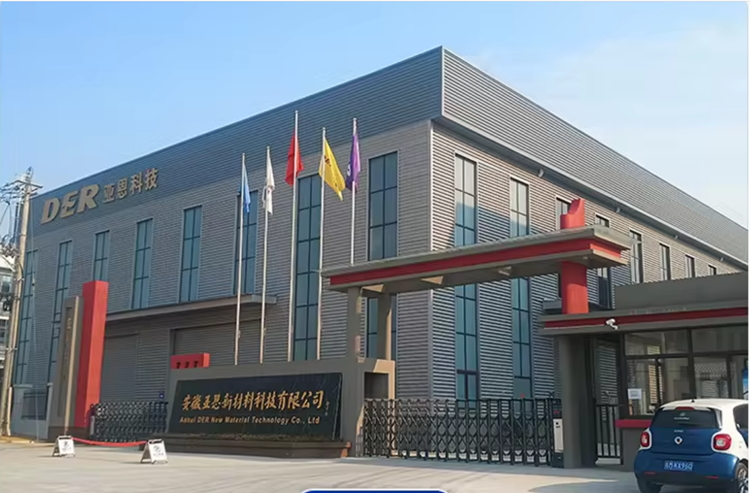
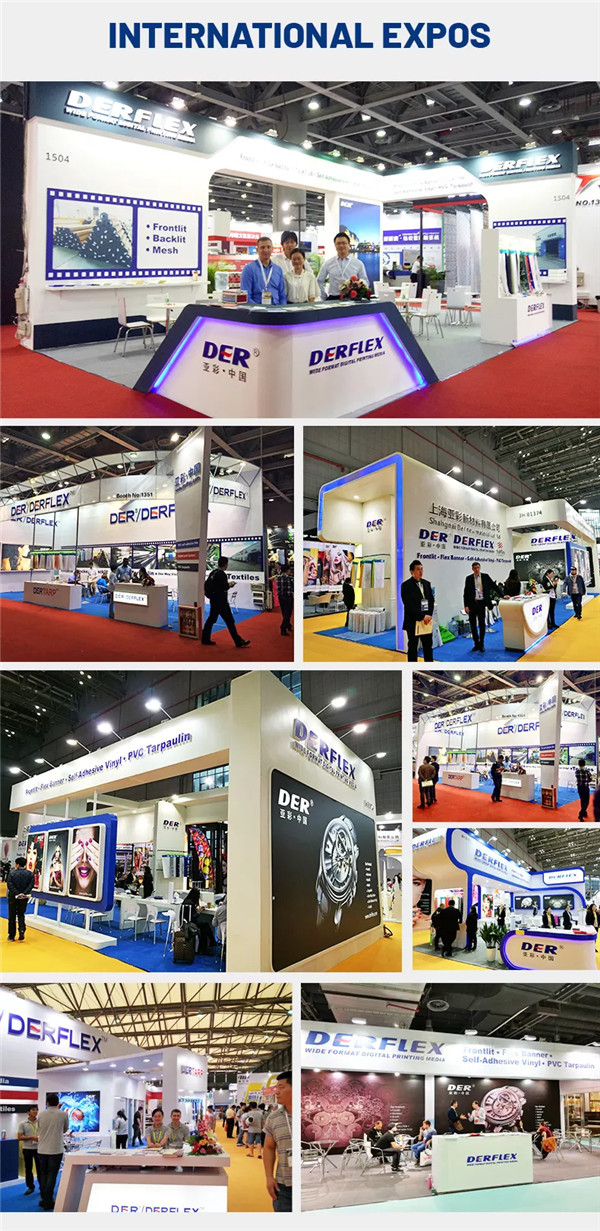
DERFLEX Truck Tarp Product & Manufacturing Images
Real DERFLEX website image assets with descriptive alt text and nearby context for product understanding and image-search relevance.
What Can DERFLEX Customize for a Truck Tarp Program?
For B2B buyers, the goal is not to turn an informational query into a generic sales page. The useful commercial next step is to convert the operating requirement into a repeatable material and fabrication specification.
Material direction
Discuss PVC coated polyester, laminated structures, solid or mesh construction, weight, finish and application-specific performance requirements.
Finished geometry
Custom length, width, drop, flap, overlap, pockets and system interfaces according to the truck body and cargo profile.
Reinforcement & hardware
Webbing, local patches, grommet layout, D-ring rows, rope hems, pockets and other fastening details by project.
Fabrication
Roll material, cut panels, semi-finished components or finished tarp directions can be discussed according to the buyer's production model.
OEM presentation
Color, logo, labels and packaging can be aligned with distributor, private-label or fleet replacement programs.
Repeat-order control
Approved specifications help distributors and fleets keep size, reinforcement and presentation consistent across replacement orders.
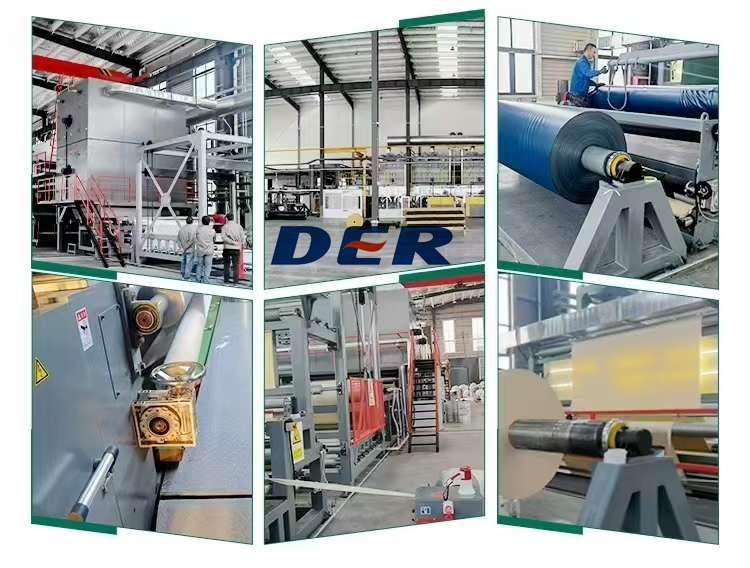
For commercial sourcing and manufacturing capability, visit the DERFLEX truck tarp manufacturer page. It is intentionally separate from this definition guide so informational and supplier-intent searches have distinct destinations.
What Should You Send for a Truck Tarp Quote?
A complete RFQ reduces back-and-forth and helps the supplier recommend a buildable solution instead of guessing from a generic truck name.
Truck & cargo details
- truck / trailer / container type;
- cargo type and loaded shape;
- finished length, width, side drop and flap needs;
- manual tarp, roller, arm, cable or curtain-side system;
- solid waterproof or breathable mesh direction.
Commercial & fabrication details
- target material weight or existing reference sample;
- grommet, D-ring, webbing, pocket and reinforcement layout;
- color, logo and label requirements;
- quantity and repeat-order plan;
- destination market and any required verified standard or test condition.
Questions People Ask About Truck Tarps
Short, answer-first explanations designed to help users scan the topic and help search systems understand the important sub-questions around “what is a truck tarp?”
What is a truck tarp used for?
A truck tarp is used to cover exposed freight, reduce weather and road contamination, and in selected bulk-hauling applications help contain loose material. The exact function depends on whether the tarp is solid, mesh, manual, retractable or part of a curtain-side system.
Are truck tarps waterproof?
Some are. Solid PVC/vinyl truck tarps can be specified for waterproof coverage, but finished performance also depends on seams, overlap, holes, hardware and how the tarp is installed. Mesh tarps are intentionally breathable and are not waterproof.
What is the difference between a truck tarp and a regular tarp?
A truck tarp is designed for moving-load conditions such as wind pressure, vibration, repeated folding, tie-down tension and road abrasion. A general tarp may be suitable for static or temporary covering but may not be engineered for frequent highway service.
How does a dump truck tarp work?
A dump truck tarp usually covers the open body using a manual crank, roller, arm, cable or powered mechanism. The tarp material must match the system geometry and may be solid or mesh depending on weather and containment requirements.
What material is used for heavy-duty truck tarps?
PVC coated polyester / heavy-duty vinyl is commonly selected for waterproof, repeat-use truck covers because it combines textile reinforcement, coating protection and fabrication options. Mesh is common where airflow and selected containment are more important than waterproofing.
What size truck tarp do I need?
Measure the real covered cargo envelope, not only the truck bed. Include load height, side drop, end coverage, overlap, roller or pocket allowance and the locations where the tarp attaches to the truck or system.
Turn “I Need a Truck Tarp” Into a Clear Production Specification
Send DERFLEX the truck type, cargo profile, finished dimensions, solid or mesh direction, target material, reinforcement layout, hardware spacing, quantity, branding needs and destination. DERFLEX can review a practical truck tarp material or finished-cover direction for quotation.
Truck Tarp Frequently Asked Questions
Practical answers for drivers, fleets, distributors, fabricators and OEM buyers.
What is a truck tarp?
A truck tarp is a reinforced flexible cover used on trucks and trailers to protect exposed cargo or help contain selected bulk loads during transport. It may be a solid PVC/vinyl cover, mesh tarp, flatbed tarp, dump tarp, roll tarp or curtain-side fabric depending on the vehicle and cargo.
What is the main purpose of a truck tarp?
The main purpose is cargo protection or selected load containment. A solid tarp can help reduce rain, road spray, dust and sunlight exposure, while a mesh tarp may provide airflow and help cover loose materials in selected hauling applications.
Does a truck tarp secure the cargo?
Not by itself. Cargo securement and tarp coverage are separate functions. Cargo may require chains, straps, tiedowns, blocking, bracing or other methods required for the load and jurisdiction. A tarp is primarily a protective or containment cover unless a specific engineered system is designed and rated for another purpose.
What are the most common types of truck tarps?
Common types include flatbed tarps, lumber tarps, steel tarps, coil or shaped tarps, dump truck tarps, roll-off tarps, mesh tarps and curtain-side tarp systems. The right type depends on truck body, cargo shape, protection requirement and deployment method.
Which truck tarp material is best for waterproof freight protection?
PVC coated polyester / heavy-duty vinyl is commonly used where waterproofing, tear resistance, weldability and repeated outdoor use are priorities. Final material weight and construction should be matched to the actual load, climate, handling frequency and reinforcement design.
How do I measure a truck tarp?
Measure the loaded cargo envelope and the truck or tarp system. Include length, width, loaded height, side drop, end flap or overlap, roller allowance, pockets and attachment locations. A finished tarp ordered only from nominal bed dimensions may not fit the working load.
Can DERFLEX customize truck tarps for OEM or fleet programs?
DERFLEX can discuss custom material weight, color, finished dimensions, reinforcement, grommets, D-rings, webbing, pockets, logo, labels and packaging according to project requirements. Buyers can send an existing sample or controlled specification for repeat-order planning.
What should I include in a truck tarp RFQ?
Send truck type, cargo type, loaded dimensions, cover mechanism, solid or mesh direction, target material or weight, reinforcement and hardware layout, quantity, branding or packaging needs, destination market and any required verified performance standard.
Technical note: truck tarp selection should be based on actual operating conditions. Regulatory cargo-securement requirements vary by jurisdiction and commodity; confirm the applicable rules for your operation.