FlatbedWaterproof
Flatbed Truck Tarps
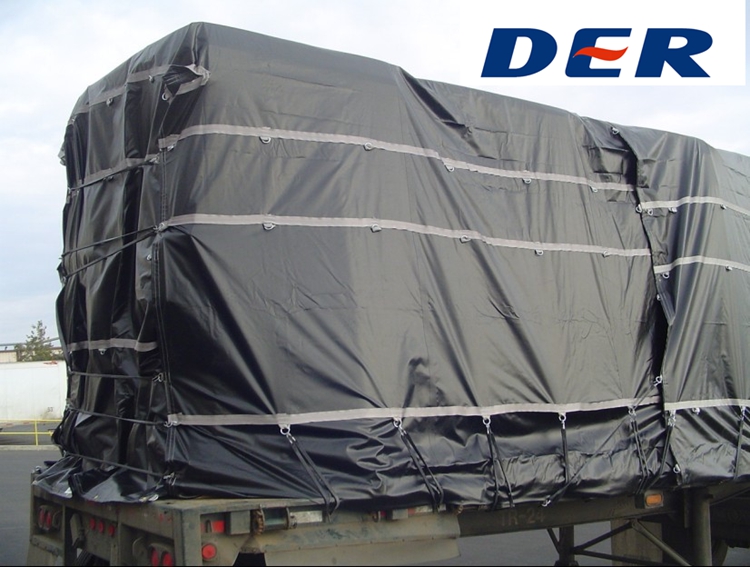
For open-deck freight, pallets, building materials, machinery and mixed cargo. Specify finished length, width, drop, flap arrangement and tie-down positions.
Explore custom flatbed truck tarps →


Source trucking tarps for flatbed freight, lumber, steel, dump trucks, trailers and fleet replacement programs from DERFLEX.
Choose waterproof PVC/vinyl truck tarps for weather-sensitive cargo, breathable mesh for selected loose-load and dump applications, or a custom fabricated cover built around your vehicle, tarp system, reinforcement layout and brand requirements. DERFLEX supports rolls, semi-finished panels and finished tarps for distributors, fleets, tarp fabricators and OEM programs.
For rain-sensitive flatbed freight, start with a waterproof PVC/vinyl tarp and choose the drop, reinforcement and tie-down layout around the load. Lumber generally needs more side coverage; steel and machinery need strong abrasion and edge protection; dump trucks may use mesh when airflow and loose-load containment matter more than waterproofing. For a fleet or distributor program, standardize the approved finished dimensions, reinforcement zones and material code so replacement tarps can be reordered consistently.
The phrase “truck tarp” covers several different working products. Start with the load and vehicle, not with tarp weight alone.
For open-deck freight, pallets, building materials, machinery and mixed cargo. Specify finished length, width, drop, flap arrangement and tie-down positions.
Explore custom flatbed truck tarps →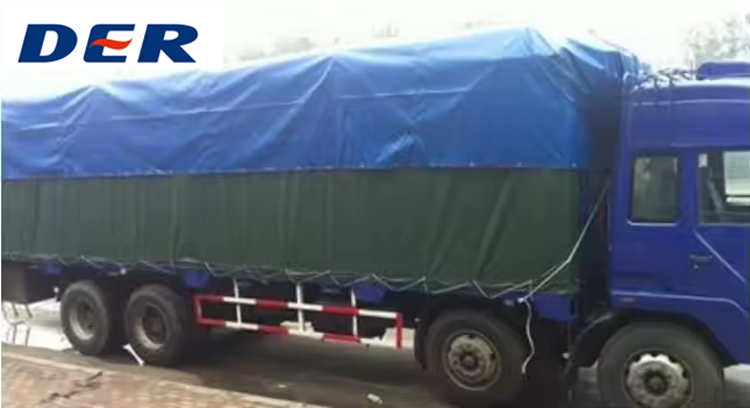
Designed for taller flatbed loads such as lumber, plywood, wallboard and palletized materials that need broad side coverage and repeated tie-down points.
View DERFLEX lumber tarp solutions →For plate, pipe, fabricated steel, machinery and irregular industrial freight. Focus on abrasion resistance, reinforcement at contact points and practical handling weight.
For sand, gravel, aggregate, construction debris, waste and other loose materials. Material selection depends on whether the priority is containment, airflow, water protection or system compatibility.
Compare dump truck tarp options →Breathable mesh can reduce wind loading while helping contain selected loose cargo. It is a practical direction for dump, waste, landscape and other applications where full waterproofing is not the main requirement.
Build a repeatable replacement specification from an existing tarp, drawing or verified vehicle measurements. DERFLEX can develop pockets, hems, reinforcement, labels and packing for fleet and dealer programs.
See truck tarp system materials →Use this matrix to narrow the material and fabrication direction before requesting a quote.
| What You Haul | Typical Tarp Direction | Primary Buying Priority | Fabrication Notes |
|---|---|---|---|
| Lumber, plywood, wallboard, tall palletized freight | Waterproof PVC/vinyl lumber tarp | Side coverage, weather protection, manageable handling | Confirm drop, flap, D-ring rows, reinforced perimeter and frequent contact zones. |
| Steel plate, pipe, rebar, fabricated metal | Heavy duty PVC/vinyl steel tarp | Abrasion, puncture and edge protection | Use edge protectors where required; reinforce tarp areas that repeatedly contact sharp or concentrated load points. |
| Machinery and irregular equipment | Custom flatbed / machinery tarp | Fit around irregular geometry | Mark high points, protrusions, tie-down access and removable sections before fabrication. |
| Sand, gravel, aggregate, waste, landscape loads | Mesh or solid dump truck tarp | Containment, airflow or weather protection | Match tarp width, travel path, roller/pocket details and reinforcement to the actual system. |
| Long-haul freight exposed to rain and road spray | Waterproof PVC coated polyester truck tarp | Waterproofing, UV stability, seam integrity | Prefer welded seams where appropriate and design tie-down points to distribute load. |
| Dealer, distributor or fleet replacement program | Standardized OEM/replacement specification | Repeatability and SKU control | Lock approved dimensions, material code, reinforcement, labels and packing after sample or pilot approval. |
Trucking tarps are reinforced covers used on trucks, trailers and open-deck vehicles to protect or contain cargo during road transport. Depending on the application, they may be made from waterproof PVC/vinyl coated polyester, breathable mesh or another engineered flexible material.
A trucking tarp is different from a basic utility cover because daily road use adds wind pressure, vibration, repeated folding, strap tension, edge abrasion, road spray and frequent handling. The correct tarp therefore depends on the cargo, vehicle, tarp system, climate, deployment frequency and securement method.
Heavy duty performance is the combination of fabric structure and finished construction—not simply a higher weight number.
DERFLEX’s current truck tarp range includes solid PVC-coated structures and custom project options. Final specifications should be confirmed for the actual vehicle and use condition.
| Item | DERFLEX Direction | Why It Matters for Buyers |
|---|---|---|
| Material | PVC coated polyester, vinyl coated polyester, laminated structures and mesh options by application | Determines waterproofing, strength, flexibility, airflow and fabrication method. |
| Solid PVC fabric weight | Approx. 550–1100 gsm or custom structure | Heavier is not automatically better; balance durability with driver handling and folding. |
| Thickness | Approx. 0.45–1.0 mm or custom | Must be considered together with fabric construction, coating and intended service. |
| Roll width | Up to approx. 3.2 m standard on the current truck tarp range; wider structures depend on product line | Wider material can reduce seam count and improve large-panel conversion efficiency. |
| Surface / finish | Glossy, matte, semi-matte, embossed, lacquered and other project-dependent finishes | Affects cleanability, appearance, friction and outdoor aging behavior. |
| Fabrication | Hot-air welding, HF welding, sewn hems, webbing, grommets, D-rings, pockets and local reinforcement | Finished construction often determines whether the tarp survives daily pull and abrasion cycles. |
| Branding | Custom color, logo printing, labels and OEM packing | Useful for distributors, dealers, fleet standardization and private-label programs. |
| Supply format | Rolls, cut panels, semi-finished sheets or finished truck tarps | Allows fabricators and direct buyers to source at the stage that fits their operation. |
“Truck tarp price” is not only a square-foot calculation. Finished cost changes with the material, size and fabrication complexity.
Solid PVC/vinyl weight, base fabric, coating formulation, finish and special performance requirements affect material cost and handling weight.
Length, width, drop, end flap, pocket geometry, cutouts and shaped sections determine both material consumption and fabrication time.
D-rings, webbing, grommets, reinforced corners, wear strips, pockets and seam layout can materially change finished-tarp cost and service performance.
Roll material, semi-finished panels, finished single designs and standardized multi-SKU programs have different production and packing economics.
Logo printing, custom colors, labels, private-label cartons, barcodes and replacement-SKU packaging should be defined before quotation.
Final landed cost depends on destination, packing format, order volume and shipping plan. Ask for a quote using the real delivery market.
Sharp corners, pipe ends and machinery protrusions can damage even heavy fabric. Use appropriate edge protection and reinforce repeated wear zones.
Do not concentrate repeated tension into isolated grommets. Webbing, D-ring rows and reinforced hems should follow real securing points.
Excess loose fabric can increase wind movement and fatigue. Match tarp dimensions, drops and fastening positions to the actual cargo envelope.
For fleets and dealers, record the approved pocket, seam, reinforcement and finished dimensions so future replacements are reproducible.
A complete RFQ reduces back-and-forth and helps prevent incorrect tarp sizing.
Truck/trailer type, flatbed or dump body, manual/electric/roll system if applicable, and photos of the installed hardware.
Overall length and width, required drop, flap size, pockets, hems, openings and any areas that must clear hardware.
Lumber, steel, machinery, waste, aggregate or mixed freight; include sharp-edge and abrasion risks.
Solid waterproof PVC/vinyl, breathable mesh, preferred weight/grade if known, color and surface requirements.
D-ring rows, grommet spacing, webbing, corner patches, pockets, pull bars, spline or other attachment details.
Quantity, sample or pilot need, logo/label/packing requirement and destination market for quotation planning.
Material weight is useful, but tarp life also depends on base fabric, coating, abrasion, seam construction, reinforcement and how the tarp is secured.
Finished tarp size must account for the cargo envelope, side drop, overlap, pockets, roller geometry and attachment points—not only the nominal bed length.
Mesh is useful for airflow and selected loose loads, but it is not a substitute for a solid waterproof cover when cargo must stay dry.
Fleets lose time when every replacement is remeasured from scratch. Approve one controlled specification and preserve the details for repeat orders.
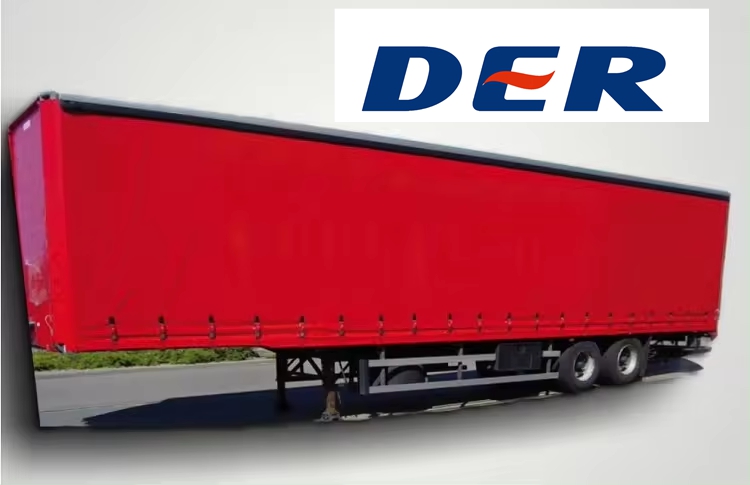
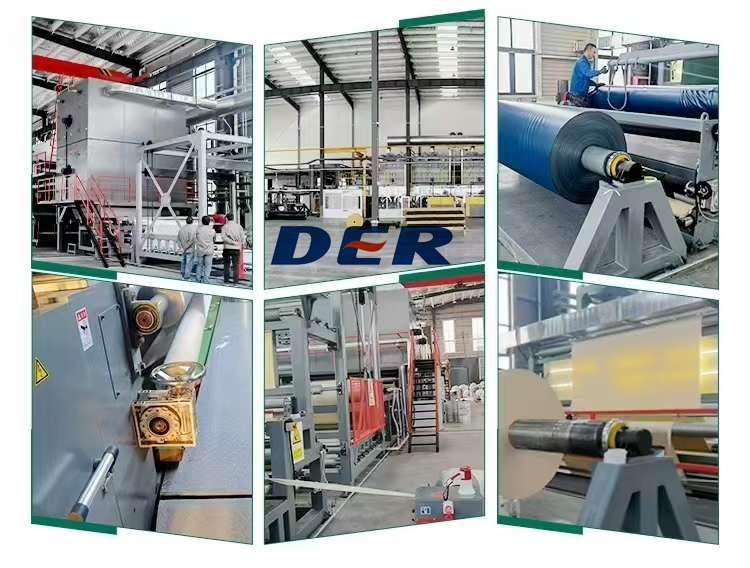
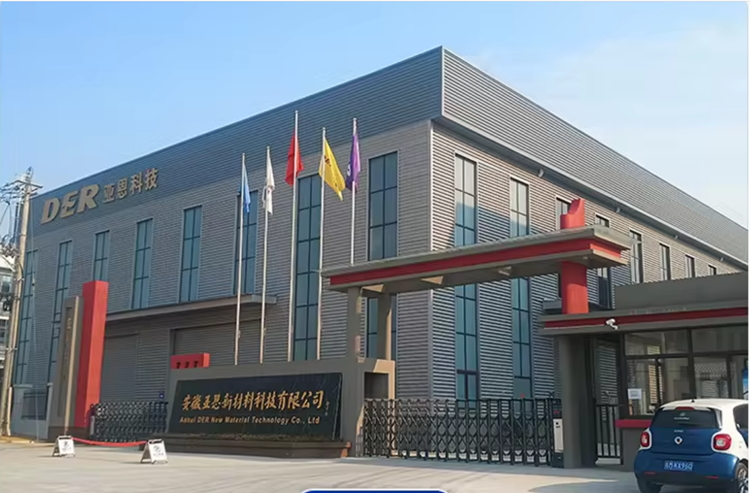
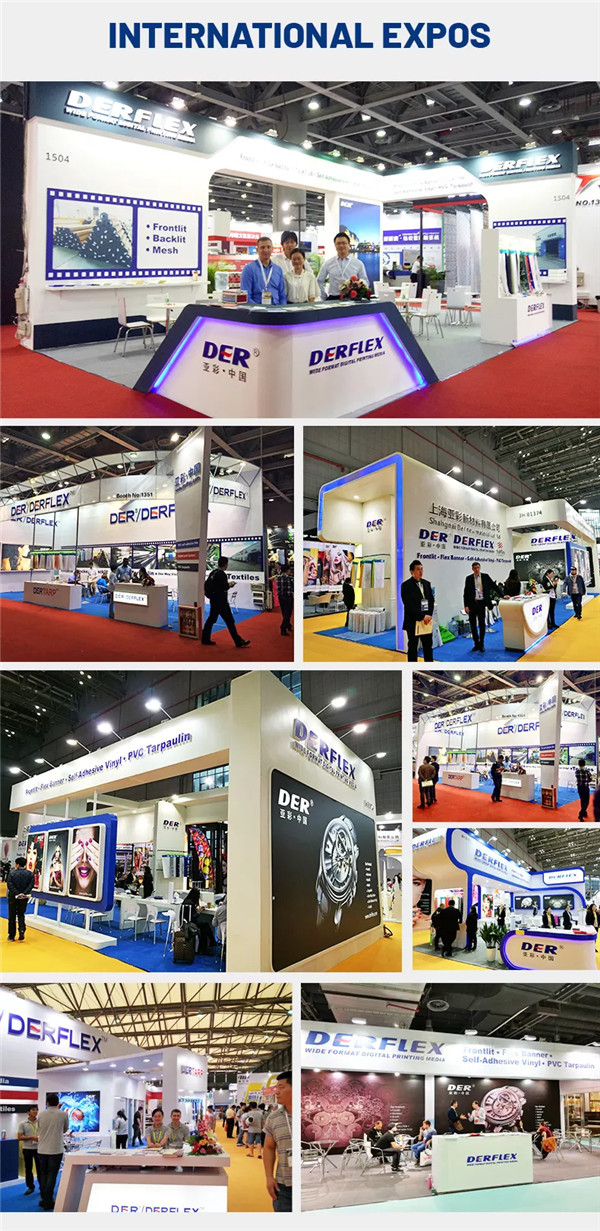
Real DERFLEX website assets with descriptive alt text and captions for product context and image-search relevance.
| Buying Need | Ready-Stock Retailer | DERFLEX Manufacturer-Direct Direction |
|---|---|---|
| One replacement tarp needed immediately | Often the fastest route when the exact standard size is already in stock | Better fit when you need custom dimensions, repeat supply or a controlled replacement specification |
| Custom size / drop / pocket | Depends on retailer customization capability | Develop around drawing, sample or verified measurements |
| OEM/private label program | Usually limited | Custom color, logo, labels, packing and repeat SKU direction available by project |
| Roll material for in-house fabrication | May be limited to stock fabrics | Truck tarpaulin fabric supply can be matched to conversion requirements |
| Fleet standardization | Good for standard off-the-shelf sizes | Useful when the fleet wants repeatable geometry, reinforcement and replacement control |
| Wholesale / distributor supply | Useful for reseller stock where established SKUs fit the market | Supports made-to-spec product lines and manufacturer-level sourcing |
Use these pages to move from buying intent to material, system and application details.
Short, answer-first responses for procurement users, People Also Ask queries and AI search understanding.
The best flatbed tarp depends on the cargo. Waterproof PVC/vinyl coated polyester is a strong general direction for weather-sensitive freight. Lumber loads usually need more side drop, while steel and machinery applications need strong abrasion protection and reinforced stress zones. The finished size, tie-down layout and handling weight matter as much as the nominal fabric weight.
Lumber tarps are commonly designed for taller flatbed loads and therefore need more side coverage. Steel tarps are often built around shorter, denser industrial loads and place greater emphasis on abrasion, puncture risk and reinforcement. Custom dimensions are preferable when the load profile does not match a standard pattern.
Solid PVC/vinyl coated truck tarps can be designed as waterproof cargo covers when the material and seams are properly specified and fabricated. Mesh truck tarps are breathable and are not fully waterproof.
Measure the actual cargo envelope or existing approved tarp, not only the truck-bed length. Confirm finished width, length, side drop, flap size, overlap, pockets, roller geometry, hardware clearance and tie-down positions. For replacement programs, photos and a sample tarp can help document the correct geometry.
Mesh is useful when airflow and loose-load containment are more important than full rain protection. It is commonly considered for selected dump, waste, landscape and bulk hauling uses. Final material selection must still match the cargo, tarp mechanism and any applicable load-cover requirements.
Key price factors include material type and weight, finished size, drop and flap geometry, reinforcement, D-rings or grommets, pockets, welding or sewing, logo and labels, order quantity, packaging and delivery destination. A complete specification produces a more meaningful quote than size alone.
Yes. DERFLEX’s current truck tarp product pages support custom size, drop height, color, material weight, surface finish, D-rings, grommets, webbing, reinforced areas, welded seams, logo printing and packaging according to project requirements.
Yes. DERFLEX supports B2B supply for distributors, tarp fabricators, fleets and OEM brands, including roll material, cut panels, semi-finished sheets and finished truck tarps. MOQ, sample, lead time and packing details should be confirmed for the selected specification.
Send DERFLEX the truck type, cargo, finished tarp dimensions, material direction, reinforcement details, quantity and destination market. The team can then recommend a practical specification and quotation path.