Chemical Identity
Provide the exact oil, cleaner, acid, alkali, solvent or mixture. A product name, SDS or CAS number helps separate a common lubricant from a more aggressive blend.




For most machinery covers, workshop curtains and maintenance tarps exposed to lubricants, grease, coolant and intermittent chemical splash, a heavy-duty PVC-coated polyester tarp with a cleanable surface and welded seams is the practical starting point.
Repeated fuel contact, aggressive solvent exposure, pooling or liquid containment may require TPU or another specialist coated textile. The final material should be selected from the actual chemical, concentration, temperature, contact time and wear condition—not from a generic “chemical-proof” label.
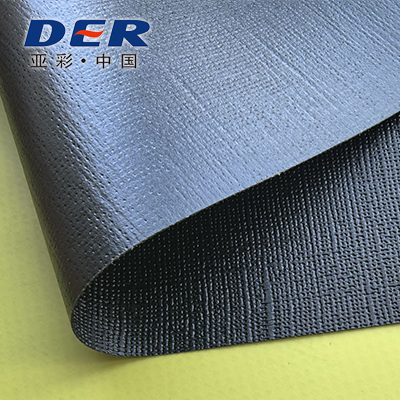
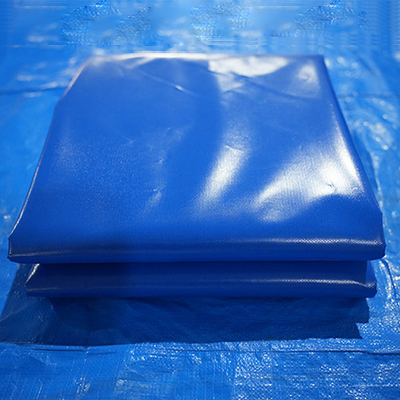
An ordinary waterproof tarp may block rain yet still soften, swell, become tacky, stain, blister or lose coating adhesion after contact with oils, degreasers, fuels or process chemicals. The problem can appear first at folds, seams, grommets or areas that rub against machinery.
Industrial buyers should treat the tarp as a complete system. The face coating, woven reinforcement, coating adhesion, seam process, perimeter reinforcement and hardware all influence how the finished cover performs after repeated contamination and cleaning.
A useful specification starts with the exposure profile rather than thickness alone.
Provide the exact oil, cleaner, acid, alkali, solvent or mixture. A product name, SDS or CAS number helps separate a common lubricant from a more aggressive blend.
Dilute rinse water, concentrated process chemicals and contaminated fluids can interact very differently with the same polymer coating.
Occasional droplets, repeated daily splash, temporary pooling and continuous liquid contact are separate design conditions and should not share one blanket claim.
Higher temperature can accelerate swelling, extraction, permeation and coating changes. Cold-fold requirements also affect material and seam selection.
Dragging, vibration, wind movement, sharp edges, tie-down tension and repeated folding can damage a compatible surface and expose the textile reinforcement.
Specify wipe-down chemicals, pressure washing, drying and reuse frequency. The cleaning process can be as demanding as the original splash.
Use this matrix as a sourcing guide. Final compatibility depends on the exact formulation, fluid, temperature, duration and finished construction.
| Material Direction | Good Starting Applications | Key Advantages | Important Limits | Initial Recommendation |
|---|---|---|---|---|
| PVC-Coated Polyester | Machinery covers, workshop curtains, floor sheets, maintenance splash covers, lubricant and grease exposure | Waterproof, weldable, reinforced, cleanable, customizable and cost-efficient for large industrial programs | Standard PVC should not be assumed suitable for gasoline, aromatic solvents, strong oxidizers or long-term immersion | Practical Default |
| TPU-Coated Polyester or Nylon | Reusable containment pads, portable berms, repeatedly folded kits, oil-contact bladders and premium OEM products | Flexible, weldable, abrasion-oriented and available in project-specific oil-contact formulations | Higher cost; polymer chemistry and liquid compatibility must be validated for the actual fuel or chemical | High-Performance Option |
| Neoprene-Coated Nylon | Selected solvent, petroleum, acid and cold-weather industrial cover applications | Specialty resistance profile, flexibility and useful performance in demanding abrasion environments | Weight, cost, fabrication route and availability differ from standard PVC tarp programs; compatibility remains chemical-specific | Specialist Review |
| TPO or Other Specialty Thermoplastic | Projects requiring a different polymer profile, selected acids or alkalis, outdoor exposure or chlorine-free positioning | Alternative chemical and environmental profile with weldable constructions available by project | Not a universal replacement for PVC or TPU; formulation and welding trials are required | Project-Specific |
| Standard PE Tarp | Short-term weather covering away from demanding oil, solvent or repeated chemical exposure | Lightweight and economical for temporary protection | Limited fabrication sophistication and lower suitability for repeated oily contamination, aggressive chemicals and heavy-duty reuse | Not Preferred |
Cover service and containment service are not the same. Defining the level early reduces both under-specification and unnecessary cost.
Droplets, mist or brief contamination near machinery. A suitable PVC-coated polyester with cleanable surface and local reinforcement is often the starting direction.
Daily hydraulic oil, grease, cutting fluid or chemical wash exposure. Coating formulation, seam quality and cleaning resistance require closer review.
Liquid can remain on the tarp or collect behind raised edges. TPU or project-specific coated fabric and fully welded construction may be appropriate after testing.
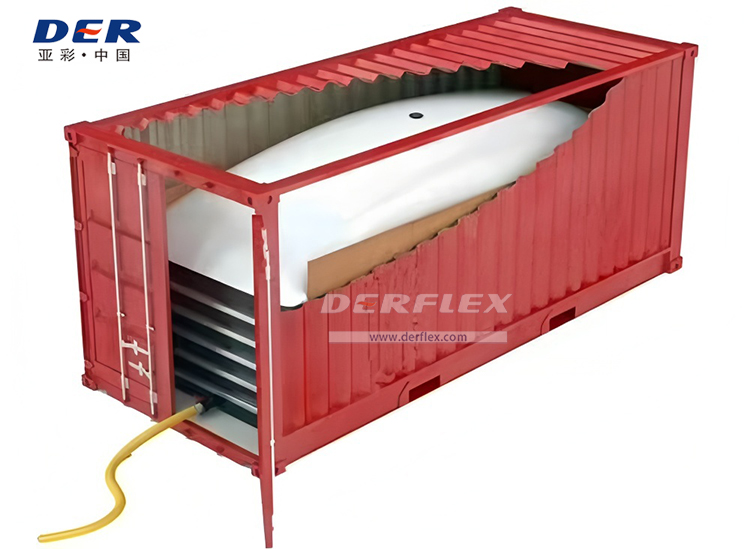
Fuel tanks, bladders and long-term liquid storage require an engineered containment product, validated seams and chemical-specific data—not an ordinary tarp assumption.
A chemically suitable fabric still needs a finished design that limits leakage, tearing and premature wear.
A tarp should not be used as primary hazardous-chemical containment, personal protective equipment or a substitute for an engineered spill-control system unless the complete finished product has been independently validated for that purpose. “Chemical resistant” and “oil resistant” are exposure-specific descriptions, not universal guarantees.
DERFLEX can supply coated fabric rolls, cut panels and finished tarps. The following values are preliminary sourcing directions rather than a universal product datasheet; the final specification should be confirmed through samples, agreed tests and approved production details.
The process helps convert a broad request for an “oil-proof” or “chemical-proof” tarp into a testable specification.
Custom sizing and reinforcement are particularly useful where standard retail tarps do not match the equipment, exposure or installation method.
Fitted covers for pumps, valves, skids and outdoor machinery exposed to residue, rain, dust and maintenance splash.
Equipment enclosures, service curtains and temporary covers exposed to lubricants, grease, hydraulic fluids and petroleum contamination.
Washable barriers and machine covers near cutting fluids, coolants, metal fines and repeated maintenance operations.
Ground sheets, parts covers and work-zone curtains around hydraulic systems, engines, service bays and contaminated cargo components.
Flat ground protectors, underlays, drip pads, low-profile containment tarps and OEM berm components made from weldable coated fabrics.
Reusable covers and work-area protection for mixed oily residue, moisture, outdoor exposure and abrasive handling conditions.
A complete inquiry helps the material and finished construction be reviewed together.
Chemical or oil name, brand, SDS, concentration, mixture components and whether the fluid changes during use.
Splash, mist, pooling, immersion or vapor; contact time per event; daily frequency; fluid and ambient temperature.
Flat tarp, fitted cover, curtain, underlay, drip pad, liner or containment format, plus a drawing or dimensional sketch.
Folding, rolling, dragging, wind, vibration, wheel contact, sharp edges, tie-down force and expected service cycles.
Required test method, flame-retardant or anti-static needs, destination market, documentation and acceptance criteria.
Quantity, roll or finished supply, target color, logo, packaging, delivery destination and repeat-order plan.
Six closely related pages support a complete chemical, oil-contact and industrial tarp sourcing path.
Practical answers for industrial buyers comparing chemical resistant and oil resistant tarps.
For many industrial covers exposed to intermittent lubricant, grease, coolant and selected chemical splash, PVC-coated polyester is a practical starting point because it is reinforced, waterproof, weldable and customizable. Repeated fuel contact, aggressive solvents, pooling or containment may require TPU, neoprene-coated nylon or another specialty system after compatibility testing.
Selected vinyl or PVC tarp formulations can tolerate common oils, grease and some dilute chemical splash, but resistance varies by coating formulation and exposure. Standard vinyl should not be assumed suitable for every fuel, solvent, acid, alkali or long-term liquid contact.
Not automatically. Hydraulic oil, diesel, gasoline and blended fuels have different effects on polymer coatings. A tarp that tolerates incidental hydraulic-oil splash may not be suitable for gasoline, aromatic fuels or storage service. Name the exact fluid and define contact time and temperature before material selection.
For compatible thermoplastic coated fabrics, hot-air, wedge or high-frequency welding can reduce stitch holes and form continuous panel joints. Reinforcement may still use sewing in selected areas, but any stitch line exposed to liquid should be reviewed and sealed appropriately.
Agree on the fluid, concentration, temperature and contact duration, then inspect the sample for swelling, softening, tack, cracking, discoloration, blistering, coating delamination, weight change, seam leakage and loss of mechanical strength. Critical projects may require a recognized third-party laboratory and finished-assembly validation.
Yes. DERFLEX can discuss roll goods, cut panels, flat tarps, curtains, box covers, fitted machinery covers and welded spill-control products with custom dimensions, hems, webbing, grommets, D-rings, wear patches, access openings, logos and packaging.
DERFLEX can review a practical PVC, TPU or project-specific tarp direction for your machinery cover, splash curtain, maintenance sheet, ground protector or containment product. Final suitability is confirmed through the agreed specification and validation process.