Ground Protection Tarp
A durable sheet installed below a spill berm, tank or service area to protect the main containment floor from gravel, debris, puncture risk and contaminated ground.



 Industrial Coated Fabric & Custom Tarp Supply
Custom fabricated PVC and TPU coated tarps for drip capture, ground protection, berm underlay, equipment maintenance and portable secondary containment programs. DERFLEX supports material selection, welded construction and OEM production around the liquid, site surface, deployment frequency and finished-product design.
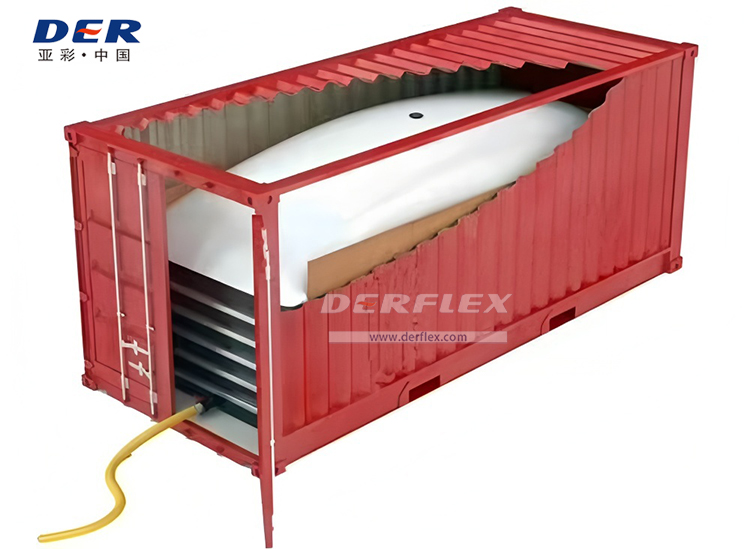
A spill containment tarp is a reinforced, liquid-resistant sheet used below machinery, tanks, drums, vehicles, portable berms or maintenance operations. Depending on the design, it can serve as a protective ground tarp, a drip-catching work mat, a temporary liner or the floor component of a low-profile containment system.
The product should not be selected as an ordinary cover tarp. It is normally exposed to ground abrasion, folded storage, welded seams, corner stress, tools, wheel traffic, lubricants, coolants, wash water or other project-specific liquids. For this reason, DERFLEX starts with the actual use condition rather than treating every inquiry as the same standard tarpaulin.
Buyers can source finished custom spill containment tarps, welded panels or coated fabric rolls for local fabrication. Customization may include raised edges, foam-wall sleeves, reinforced corners, drain fittings, handles, tie-down points, track belts, replaceable ground mats and private-label packaging.
A flat tarp and a self-supporting berm are not the same product. Defining the finished structure early helps control material weight, seam layout, packing volume and total cost.
A durable sheet installed below a spill berm, tank or service area to protect the main containment floor from gravel, debris, puncture risk and contaminated ground.
A flat or lightly raised work mat for generators, pumps, compressors, drums and machinery where small drips or maintenance fluids need a defined capture area.
A welded floor with foam walls, inserted supports or fold-up edge construction, allowing the tarp to create temporary holding volume around equipment and service operations.
Cut-to-shape panels for pits, maintenance bays, temporary isolation zones, pallet areas and OEM containment products requiring drains, fittings or reinforced openings.
Both material families use a woven reinforcement and a polymer barrier surface, but they serve different pricing, folding, chemical-contact and product-positioning requirements.
A practical direction for heavy-duty general containment, ground tarps, maintenance pads and large-area programs where weldability, waterproofing, abrasion resistance and cost control are important.
A higher-performance direction for flexible, repeatedly folded or oil-contact products where buyers prioritize a soft hand, weldability, abrasion resistance and premium PVC-free product positioning.
The final performance comes from the complete system: coated fabric, seam layout, reinforcement, fittings, installation surface and user handling.
Coated surfaces and welded construction can be specified to limit water and compatible liquid migration through the tarp body and fabricated seams.
Reinforced polyester or nylon base fabrics help the tarp resist pulling, folding, handling and stress around corners, edges and hardware points.
Surface and base-fabric combinations can be selected for contact with workshop floors, gravel, equipment feet, drums and repeated field deployment.
Material options can support hot-air, wedge, heat-sealing or high-frequency welding, subject to sample trials and production parameter confirmation.
UV-resistant and cold-flexible formulations can be discussed for temporary outdoor service, equipment yards and mobile maintenance programs.
Smooth or low-texture coatings support visual inspection and practical cleanup after contact with approved liquids and cleaning agents.
Webbing, rope hems, layered patches and welded reinforcement can be added around lifting, tie-down, drain, corner and support locations.
Custom color, size, labels, packaging and technical records can be controlled for distributors, safety-product brands and spill containment tarp wholesale programs.
The following ranges are practical starting directions for discussion. Final values depend on liquid compatibility, finished-tarp geometry, welding trials and project requirements.
| Item | Available Direction | Buyer Selection Notes |
|---|---|---|
| Product Type | Flat ground tarp, drip-control tarp, low-profile containment tarp, raised-edge tarp, custom liner or welded panel | Provide a drawing, photo or use sketch so seam, corner and hardware locations can be reviewed. |
| Material Platform | PVC coated polyester; TPU coated polyester or nylon; project-specific coated textile | PVC is commonly considered for general heavy-duty value. TPU may be considered for repeated folding or premium programs. |
| Typical Weight | PVC approximately 550–1200 gsm; TPU approximately 650–1500 gsm; custom constructions by project | Higher weight may improve toughness but increases packing volume and handling weight. |
| Typical Thickness | Approximately 0.45–1.50 mm depending on coating and reinforcement | Confirm ground condition, deployment frequency, wheel contact and required flexibility. |
| Base Textile | High-tenacity polyester; nylon options for selected TPU programs | Yarn denier, weave density and coating adhesion should be considered together. |
| Roll Width | Common project widths approximately 1.0–3.2 m; wider selected structures may be discussed | Wider rolls can reduce floor seams, while fabrication equipment and freight limits also matter. |
| Finished Size | Custom dimensions produced by cutting and welding | State whether the quoted size is flat size, inside containment size or overall outside size. |
| Surface Finish | Smooth, matte, glossy, embossed, anti-blocking or project-specific texture | Smooth surfaces simplify cleaning; texture may improve handling or reduce sticking during folded storage. |
| Color | Yellow, orange, black, grey, blue, green or custom matched color | High-visibility colors suit safety zones; dark colors are often selected for oil-service areas. |
| Edge Construction | Flat edge, welded hem, webbing reinforcement, rope hem, foam sleeve, support pocket or fold-up upstand | Edge design should match whether the tarp is a protective underlay or an active containment structure. |
| Hardware | Grommets, handles, D-rings, straps, drains, valves, corner patches, track belts and ID labels | Hardware creates local stress; reinforcement patches and weld layout should be included in the design review. |
| Fabrication | Hot-air welding, wedge welding, thermal sealing, high-frequency welding, sewing plus welded sealing | Production parameters and seam strength should be confirmed on the selected coating structure. |
| Functional Options | UV-resistant, cold-flexible, abrasion-resistant, flame-retardant direction, oil-resistant direction or selected chemical-resistant direction | Functional descriptions require confirmation against the buyer’s test method and intended market. |
| Packaging | Folded carton, export pallet, storage bag, roll packing, private label and barcode support | Repeated folding products may need anti-blocking finish and a defined folding method. |
Specifications are not universal performance guarantees. Confirm the final construction through material samples, seam trials and application testing before bulk production.
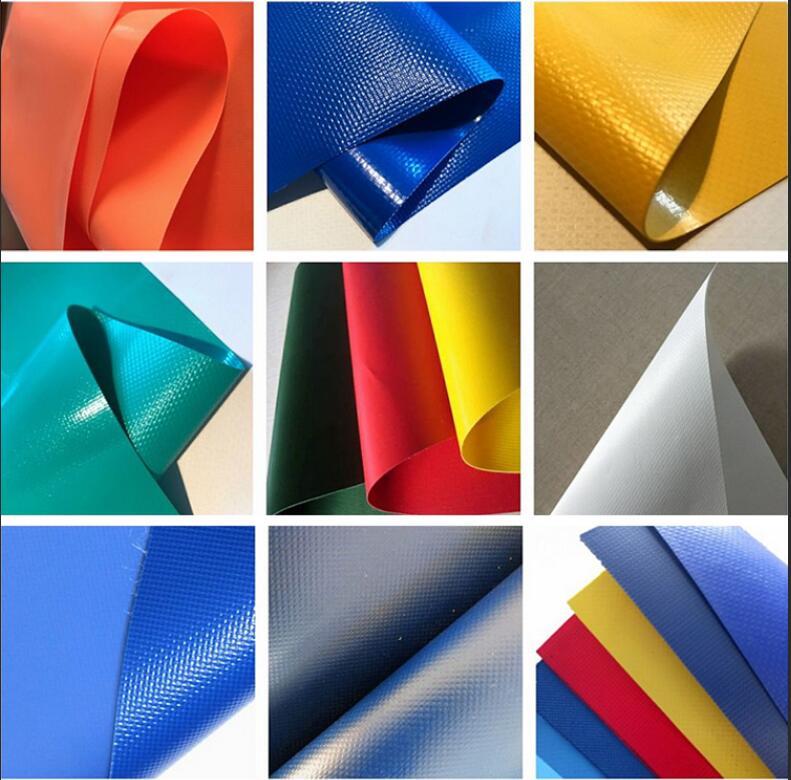
DERFLEX coated fabric images show roll materials, reinforced structures and fabricated liquid-handling details that can be adapted to custom spill containment tarp programs.
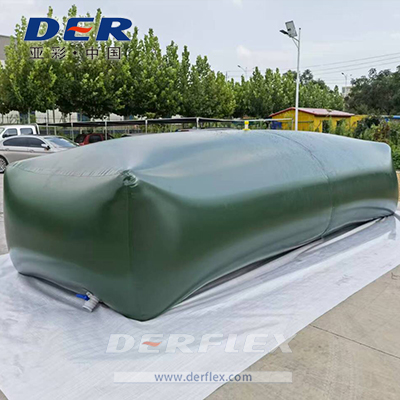
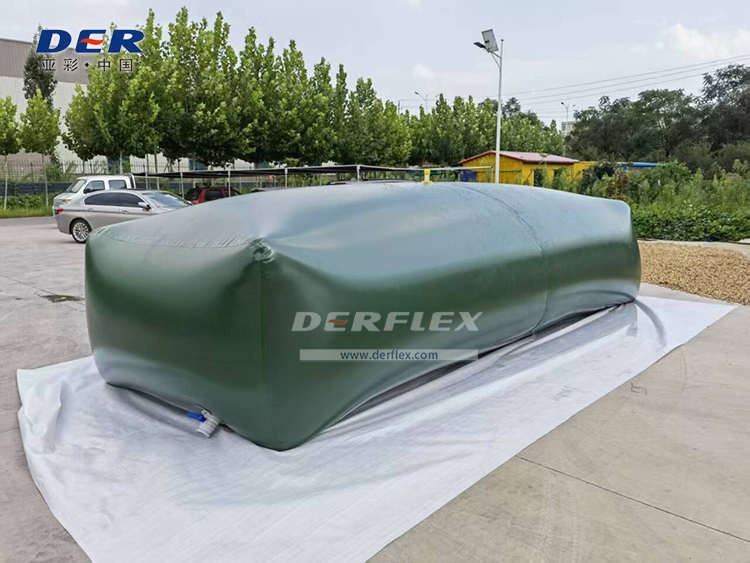
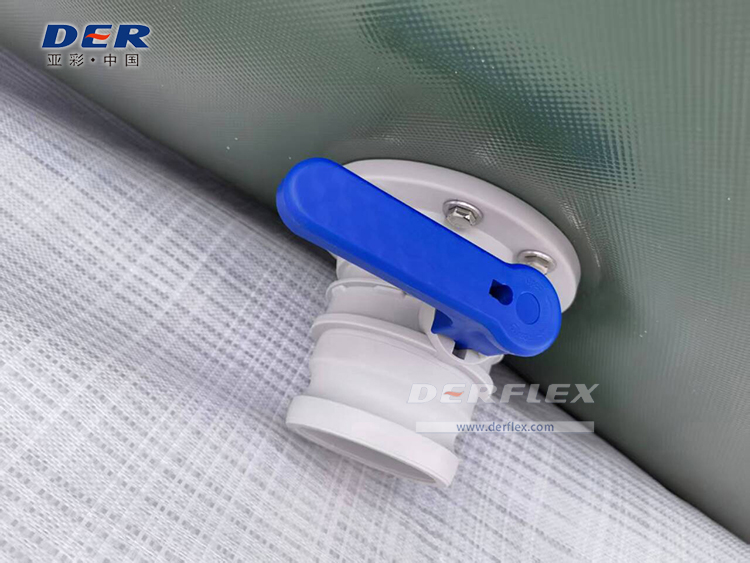
DERFLEX supports distributors, fabricators and OEM brands that need more than a stock sheet. The development route can be adapted to sampling, private labeling and repeat production.
Rectangular, circular, irregular or equipment-specific patterns; flat size, internal capture size and wall height can be quoted separately.
Foam-wall sleeves, inserted supports, welded upstands, reinforced hems, rope edges and replaceable ground layers can be developed around the product concept.
Drains, valves, handles, grommets, D-rings, straps, track belts, ID pockets and labels can be positioned according to drawings and stress requirements.
Custom colors, printed identification, private-label storage bags, folded cartons, barcode labels and export packing can support distributor product lines.
Application language should describe the intended use, not replace the buyer’s engineering, safety or regulatory review.
Temporary pads beneath drums, hoses, pumps, portable tanks and generator refueling points, after confirming compatibility with the expected fuel and exposure.
Drip-catching work zones below trucks, construction machinery, agricultural equipment and service vehicles during inspection and maintenance.
Protective pads below pumps, compressors, transformers, hydraulic equipment and oil-filled machinery that may release small leaks or service fluids.
Underlay tarps positioned below portable berms to reduce puncture and abrasion risk from gravel, debris, uneven concrete or rough field surfaces.
Custom floor liners and temporary handling areas around drums, totes and hose connections, subject to volume planning and site procedures.
Foldable field tarps for equipment servicing, lubricant handling, temporary isolation and mobile spill-response product programs.
Ground protection during machinery servicing, concrete wash-related operations or temporary material handling where a defined liquid-control area is required.
Compact folded tarps, liners and low-profile containment products for maintenance teams, contractors, industrial safety suppliers and mobile response units.
Quality control should follow the agreed material, fabrication and testing plan. No single certificate can replace compatibility review and finished-product validation.
Confirm liquid, site surface, deployment cycle, finished size, wall system and target market.
Select PVC or TPU structure, coating side, weight, texture, color and reinforcement direction.
Evaluate cutting, welding window, seam appearance, folding and initial liquid-contact behavior.
Inspect dimensions, seams, corners, hardware, drain locations, packing and buyer-defined tests.
Record approved material, color, construction, labels and packaging for subsequent production.
These answers provide specification guidance. Final suitability depends on the actual liquid, environment, tarp construction and buyer validation.
Discuss Your ApplicationIt is used as a flexible liquid-resistant barrier below equipment, vehicles, tanks, drums, portable berms or maintenance work. The tarp may act as a ground protector, drip-control pad, temporary liner or the floor of a raised-edge containment product.
Not always. A ground tarp is usually a flat protective layer placed below a berm or work area. A containment berm has raised walls that create holding volume. DERFLEX can discuss flat tarps, low-profile edge systems and fabricated berm-style structures.
PVC coated polyester is commonly selected for cost-efficient heavy-duty general use. TPU coated fabric may suit premium, frequently folded or oil-contact products. The correct choice depends on the liquid, temperature, contact time, deployment frequency, welding process and required market positioning.
Yes. Custom dimensions, wall heights, seam layouts, drains, handles, grommets, track belts, reinforcement patches, colors, labels and packaging can be discussed according to drawings and production feasibility.
Material directions can be developed for selected oils, fuels or chemicals, but there is no universal chemical-resistant tarp. Suitability must be confirmed against the exact liquid, concentration, temperature, contact time, cleaning method, seam design and finished-product test.
Drive-over use requires a product specifically designed for wheel entry, sidewall behavior, track belts, ground protection and load distribution. A general flat tarp should not be described as drive-over capable without a validated finished design.
Both supply routes can be discussed. Fabricators may purchase coated fabric rolls or cut panels, while distributors and OEM brands may require finished custom tarps with welded seams, hardware, labels, storage bags and export packaging.
Provide the contact liquid, intended use, tarp configuration, dimensions, wall height, installation surface, expected reuse cycle, material preference, hardware, quantity, packaging and any buyer-defined test or documentation requirements.
These six internal resources help buyers move from the finished tarp concept to material, coating, fabrication and broader industrial tarp selection.
Send DERFLEX the liquid, application, dimensions, installation surface, wall or edge concept, welding requirement, quantity and packaging plan. The team can recommend a practical PVC or TPU material route for sampling and quotation.