
Tensile and Tear Resistance
Dense polyester reinforcement helps distribute loads across large panels and improves resistance around seams, eaves, peaks and connection zones.



DERFLEX supplies custom circus tent fabric for roof fields, striped canopies, sidewalls, entrance sections and replacement panels. The material platform combines a high-tenacity polyester reinforcement with a weldable PVC surface, helping tent fabricators balance structural strength, weather protection, visual identity and production efficiency.
A circus roof is repeatedly unfolded, tensioned, welded, pulled across hardware, exposed to rain and sunlight, cleaned, packed and transported. Selecting only by color or gsm can overlook the points that usually cause complaints: seam compatibility, coating adhesion, stripe alignment, corner stress, surface soiling and batch-to-batch color variation. DERFLEX approaches the order as a complete fabric program rather than a generic roll purchase.
The polyester scrim carries tension and helps the finished fabric resist tearing around seams, lacing points, reinforced edges and high-load roof zones. The PVC coating creates a waterproof and cleanable exterior, supports heat welding, and allows controlled color, stripe and blockout development. The balance between yarn, weave, coating mass and surface finish matters more than any single specification in isolation.
For a touring big top, a flexible grade may be preferred to improve folding and handling. For a semi-permanent installation, the priority may shift toward higher tensile strength, a denser base fabric, reduced light transmission and a more durable exterior finish. DERFLEX can discuss both coated and laminated structures, although coated grades are commonly selected where repeated outdoor use and seam performance are important.
Each property should be specified in relation to the tent structure, fabrication method and local operating conditions.
Dense polyester reinforcement helps distribute loads across large panels and improves resistance around seams, eaves, peaks and connection zones.
The PVC layer provides a waterproof material surface. Complete tent protection also depends on seam welding, drainage, installation tension and detailing.
UV treatment and suitable surface lacquer can be selected to reduce premature fading, chalking and degradation during outdoor exposure.
Opaque constructions can support daytime show control and reduce visible shadowing, while translucent grades can be selected for naturally lit zones.
Glossy, matte and lacquered surfaces help rental and touring operators maintain a presentable exterior through repeated cleaning cycles.
Project-specific flame-performance routes can be discussed. Required standard, tested construction and valid documentation should be confirmed before ordering.
Real DERFLEX website images show both the coated fabric surface and representative circus tent applications.
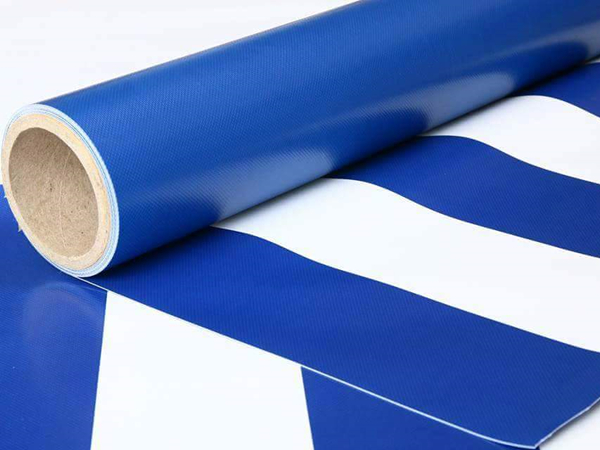
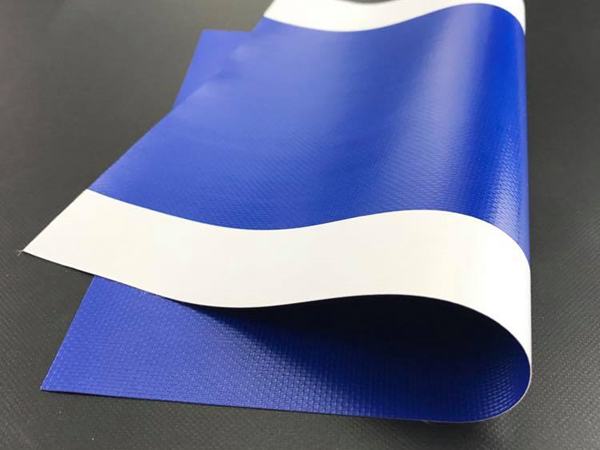
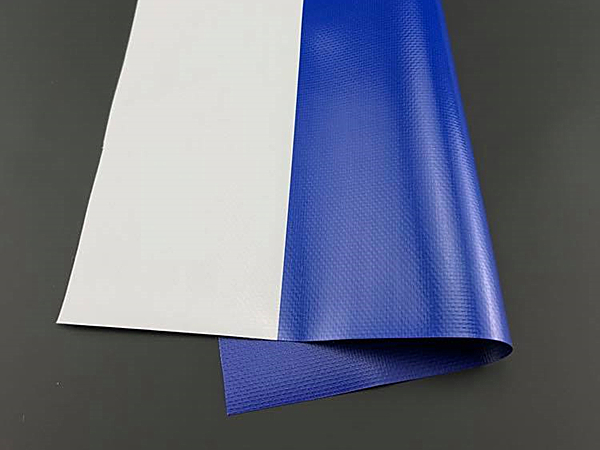
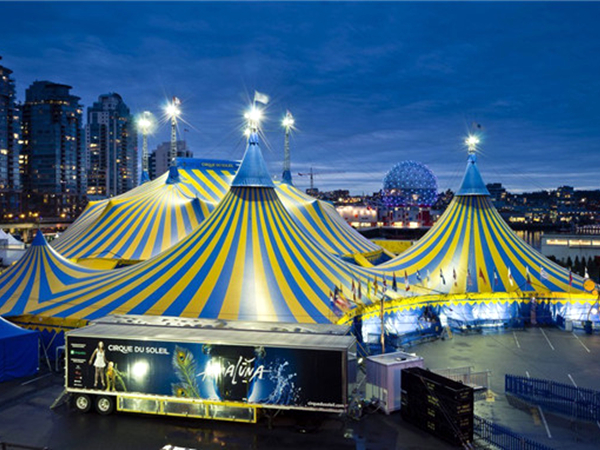
The following ranges are planning references. Final values, tolerances and test methods are confirmed in the approved quotation or technical data sheet.
| Specification item | Available direction | Selection guidance |
|---|---|---|
| Material structure | High-tenacity polyester base cloth with PVC coating on both sides; laminated alternatives by application | Coated constructions are commonly chosen for demanding outdoor use and repeated welding. |
| Typical finished weight | 650, 750, 850, 900, 1050, 1250 gsm; other project-specific weights can be discussed | Large roofs and repeated touring cycles usually require stronger, denser constructions than decorative sidewalls. |
| Base fabric | Commonly 1000D × 1000D; 1300D or 1500D and Panama weave options for selected heavy-duty grades | Yarn denier and construction density influence tensile strength, tear resistance and dimensional stability. |
| Fabric density | 20 × 20, 23 × 23, 30 × 30 or custom weave direction | Higher density may improve strength and panel stability but also affects weight and flexibility. |
| Width | Typical 1.2–5.1 m, subject to grade and production route | Wider fabric can reduce seam quantity and simplify large roof-panel layout. |
| Thickness | Approximately 0.45–1.5 mm depending on construction | Thickness should not be selected without considering bas, e fabric and coating adhesion. |
| Color and design | Solid colors, two-color stripes, multi-color programs and order-based color matching | Provide color references, stripe repeat, roll direction and panel layout before sampling. |
| Opacity | Translucent, standard opaque or blockout | Blockout is useful for daytime performance control and interior lighting effects. |
| Surface finish | Glossy, semi-gloss, matte, semi-matte, acrylic lacquer or project-agreed finish | Rental and touring tents often prioritize cleanability and controlled surface appearance. |
| Functional treatments | UV resistance, anti-mildew, anti-fouling, anti-wicking, cold-flex and flame-retardant options | Availability and test route depend on final construction, order quantity and destination market. |
| Temperature direction | Selected grades can be discussed for approximately -35°C to +70°C environments | Confirm folding, handling and service conditions; a temperature number alone does not define field performance. |
| Fabrication | Hot-air welding, HF welding, cutting, reinforced edge preparation and finished-panel processing by agreement | Buyer-side welding trials are recommended before bulk conversion. |
| Packaging | Roll packing, core size, protective wrapping, labels, marks and OEM packaging | Specify container loading method, roll weight limit and warehouse handling needs. |
Useful where handling, folding and balanced cost are important, subject to panel load and reinforcement design.
A common direction for event and circus canopy programs that need a stronger coated structure and stable welding.
Considered for larger spans, demanding operating cycles or areas with higher mechanical stress.
Roof, valance, entrance, sidewall and flooring can use different grades to control weight, appearance and cost.
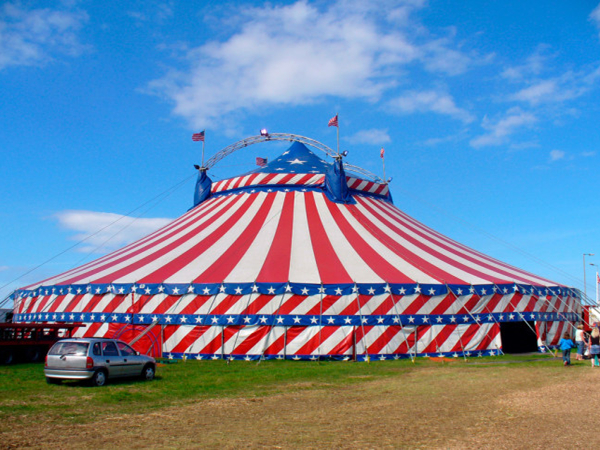
A custom circus tent fabric program can cover roll goods only or a broader fabrication brief. Buyers may specify solid or striped designs, exterior and interior colors, opacity, gloss level, base-fabric direction, roll width, roll length, welding route and labeling. Finished processing such as cutting, welding, edge reinforcement, eyelets, webbing or panel production should be confirmed against drawings and load requirements.
Clear technical inputs reduce sampling cycles and help both sides confirm a workable construction before production.
Share roof span, panel dimensions, structure type, setup frequency, climate and expected use cycle.
Confirm gsm, yarn, width, color, stripe repeat, opacity, finish and requested performance route.
Evaluate color, surface, flexibility, weld quality, peel behavior and panel appearance.
Lock the agreed sample, tolerance, packing instruction and documentation list.
Inspect roll consistency and retain the approved reference for future order matching.
Using the same grade everywhere can add unnecessary weight or leave high-stress areas under-specified. A zone-based approach is usually more practical.
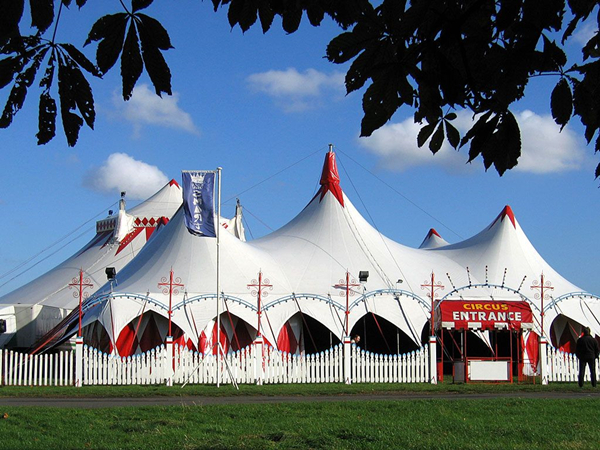
High-tension roof fields need stable reinforcement, dependable coating adhesion, suitable seam design and controlled stretch under load.
These areas often prioritize color, folding flexibility, cleanability, branding and easy replacement while still requiring weather protection.
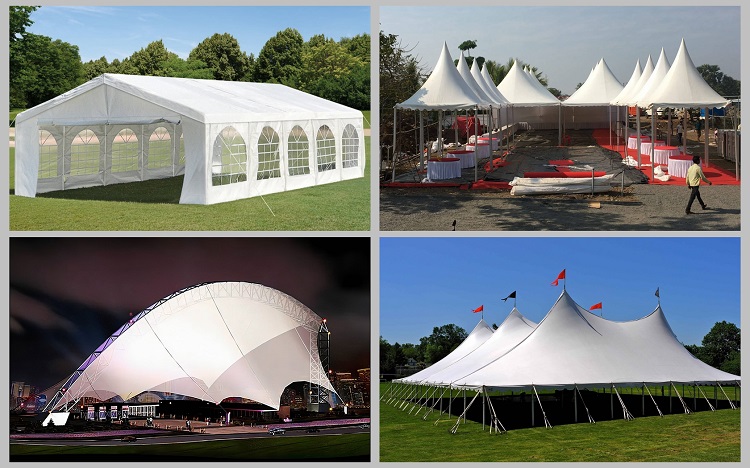
The same sourcing program may cover hospitality tents, ticketing shelters, backstage areas, exhibition canopies and temporary service structures.
A useful quotation compares equivalent constructions, not only a price per square meter.
Quality control is most useful when the buyer and supplier agree what will be checked, which test method applies, and what tolerance is acceptable. DERFLEX can align routine inspection and project-specific testing with the approved order specification.
Flame-retardant labels and certifications must not be treated as interchangeable. The requested market standard, fabric construction, test laboratory, validity and scope should be confirmed before purchase. Final tent compliance can also depend on seams, accessories, installation and local approval.Confirm yarn, weave direction, coating formula and production reference before coating or lamination.
Measure the agreed physical parameters and roll dimensions against the order tolerance.
Review coating uniformity, pinholes, marks, gloss, color difference, stripe repeat and roll-to-roll appearance.
Tensile, tear and peel or adhesion tests can be matched to the approved construction and stated method.
Waterproof surface, cold-flex, UV, anti-mildew or flame-performance testing is arranged when included in the order brief.
Check roll length, winding, core, label, protective layer, marks and loading preparation before shipment.
These six pages are closely related to circus canopy design, material comparison, waterproofing and custom production.
Answers are general sourcing guidance; the approved technical data sheet controls the final order.
PVC-coated high-tenacity polyester is widely used because it combines reinforcement, a waterproof surface, heat-weldable fabrication, color control and optional UV, blockout, anti-mildew or flame-performance treatments. The exact yarn, weave and gsm should be matched to the structure and use cycle.
Commercial roof programs often discuss grades in the 800–900 gsm range, while larger or more demanding roof zones may consider 1000–1250 gsm constructions. Sidewalls can use lighter grades. GSM alone is not enough; compare base cloth, tensile and tear values, coating adhesion, flexibility and seam design.
Yes. Custom stripe width, color sequence, repeat pattern, surface finish, opacity, roll width and reverse-side color can be discussed. Supplying a physical sample, color reference and panel layout helps reduce visual mismatch during development.
The PVC-coated material surface is waterproof. The performance of the finished tent also depends on welded seams, roof slope, drainage, penetrations, reinforcement, installation tension and maintenance. Sample welding and finished-panel testing are recommended.
Flame-retardant constructions can be discussed for standards such as B1, B2, M1, M2 or NFPA 701 routes, depending on the product and order. Buyers should state the destination market and required document. The exact construction should be tested and the report scope reviewed before use.
Yes. DERFLEX supports roll supply for tent manufacturers, converters, rental fleets, regional distributors and OEM programs. Width, roll length, core, roll weight, label, protective wrapping and container loading method can be included in the quotation brief.
Share the tent use, roof dimensions, target gsm, base fabric if known, color or stripe reference, opacity, width, quantity, welding method, destination market, requested flame-performance route, packing requirement and delivery destination. DERFLEX can then discuss a more suitable construction.
Send DERFLEX the roof span, target weight, stripe design, roll width, quantity, welding method and destination requirements. The team can review the inputs and discuss a suitable coated-fabric direction for sampling and commercial supply.