01
Finished Coverage
Define the area to be protected, required side drop, overlap and whether the tarp should sit tight, drape loosely or allow ventilation.



 Factory-Direct Custom Tarp Program
Made-to-measure PVC tarps for equipment, cargo, construction, agriculture, storage and OEM product lines—specified by finished dimensions, stress points, fixing layout and working environment.
DERFLEX supports custom sized tarps as repeatable technical products, not merely oversized sheets. Buyers can coordinate material grade, panel layout, welded seams, reinforced hems, grommets, D-rings, webbing, color, printing, labels and export packaging in one manufacturing brief.
A stock tarp starts with a catalog dimension. A custom size tarp starts with the asset, load or opening that must be protected. The finished cover is then planned around how it will be installed, tensioned, folded, moved and stored.
This difference matters in professional use. A cover that is too small can leave corners exposed. One that is excessively large can collect water, flap in wind, drag on the ground or create unstable tie-down angles. Correct sizing must also account for seams, hems, vertical drops, overlap, access flaps and the location of grommets or D-rings.
Material weight, polyester scrim, PVC coating, flexibility, seam method and reinforcement should be selected together. DERFLEX can supply roll material, cut panels, semi-finished sheets or finished made-to-measure tarps according to the buyer's role and production model.
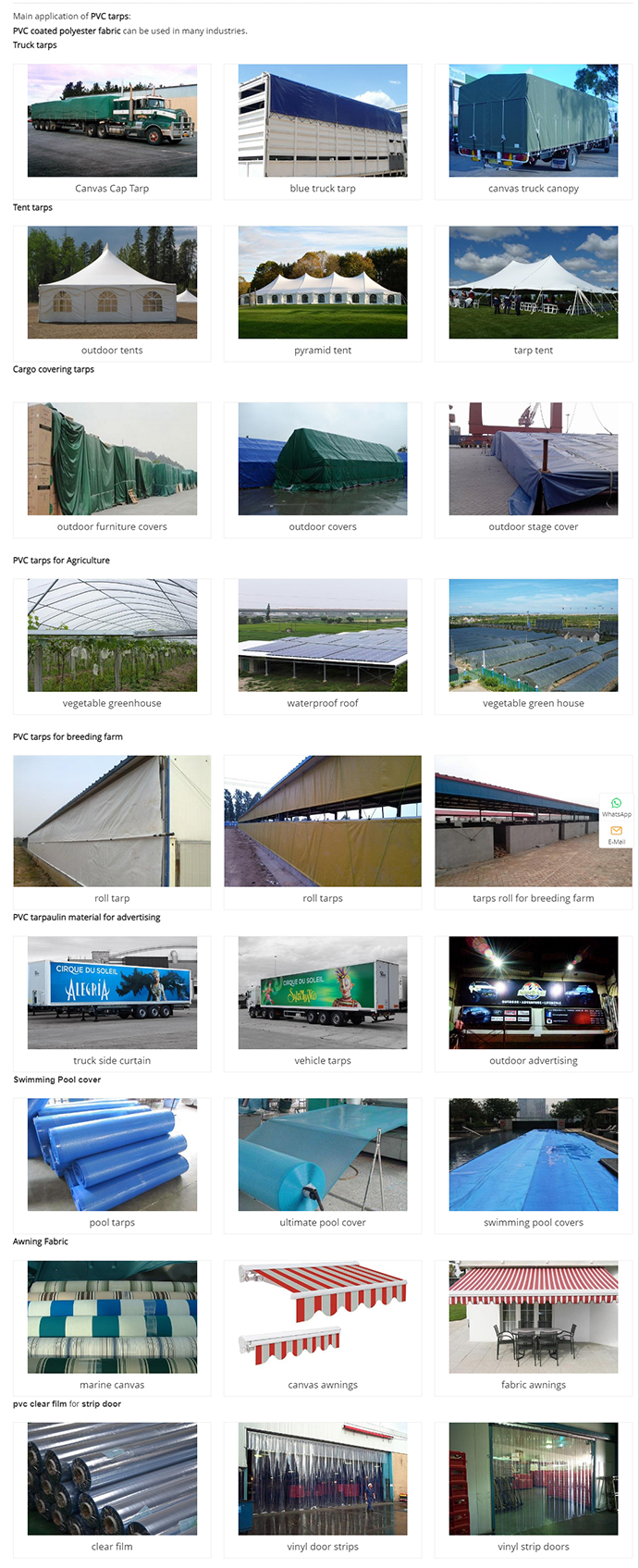
A useful custom tarp drawing should describe more than length and width. These six decisions help convert dimensions into a practical finished cover.
Define the area to be protected, required side drop, overlap and whether the tarp should sit tight, drape loosely or allow ventilation.
Large covers may require multiple panels. Seam direction should be planned away from concentrated tension, pooled water and frequent abrasion where practical.
Corners, ridge lines, sharp load edges and tie-down zones may need patches, wear strips, additional layers or webbing reinforcement.
Grommets, D-rings, straps, pockets and sleeves should align with the real anchor system instead of following a generic spacing rule.
UV exposure, rain, wind, cold, heat, mildew, abrasion and contact with oils or chemicals should be disclosed before material selection.
For distributors and fleet programs, drawings, color references, packing marks and approved samples help keep later batches aligned.
Good measurements reduce rework, but the required method changes with flat covers, draped covers, truck loads, equipment profiles and five-sided enclosures.
Use a simple drawing and label each dimension. Photos with marked anchor points are helpful when the tarp follows an irregular object.
Use this table to prepare a sourcing brief. Final values should be confirmed against the application, drawing, selected material and production review.
| Specification Area | Available Direction | Purchasing Consideration |
|---|---|---|
| Material system | PVC coated polyester, PVC laminated fabric, clear PVC, coated mesh and selected application-matched alternatives | Choose according to waterproofing, strength, visibility, airflow, handling and target service conditions. |
| Weight range | Common PVC tarpaulin direction from approximately 300 to 1200 gsm | Heavier does not automatically mean better; consider fabric strength, coating, cover area and manual handling. |
| Dimensions | Custom length, width, side drop, panel layout, overlap and shape | Confirm whether measurements are cut size or finished size and agree on tolerances. |
| Shape | Square, rectangle, round, triangle, curtain panel, equipment profile, box cover, sleeve and drawing-based form | Complex shapes should include a labeled drawing, photos and the intended installation direction. |
| Seams | Hot-air welding, HF welding, overlap welding, selected sewing or combined fabrication | Seam direction and method should match water exposure, stress and production width. |
| Edge reinforcement | Double-fold hem, rope-in-hem, webbing, corner patches, wear strips and multi-layer stress zones | Edges and corners often fail before the center fabric; reinforcement should follow the load path. |
| Hardware | Aluminum, brass or stainless eyelets; D-rings; buckles; straps; sleeves; pockets; zippers and hook-and-loop options | Hardware type and spacing should align with anchor geometry, tension and exposure conditions. |
| Functional options | UV-resistant, flame-retardant, anti-mildew, cold-resistant, abrasion-oriented, anti-static and printable directions | State the target test method or market requirement before production; performance should be confirmed for the selected construction. |
| Branding | Custom color discussion, logo printing, technical markings, woven label, carton label and private-label packaging | Provide artwork, color reference, print size, placement and packing language. |
| Supply format | Roll goods, cut panels, semi-finished sheets, finished tarps, retail packs or bulk export packing | Select the format that matches whether you are a converter, distributor, contractor, fleet or OEM brand. |
Specification ranges are general sourcing directions rather than a universal guarantee. Confirm the final construction, sample, tolerances and testing requirements with DERFLEX before ordering.
The right material depends on what must be blocked, what must pass through and how often the tarp will be handled.
Suited to waterproof custom tarps for transport, industrial covers, construction, agriculture and repeated outdoor use.
Strength · Weldability · Weather protectionUsed where light transmission or visibility is needed, including curtains, windows, partitions, patios and enclosures.
Transparent · Waterproof direction · Custom panelsAppropriate for shade, privacy, wind reduction, debris containment and applications where airflow is more important than full waterproofing.
Ventilated · Lightweight · Screen applicationsEconomical PE sheets or breathable cover materials may suit temporary and condensation-sensitive uses. Selection depends on the real duty cycle.
Budget · Temporary use · Breathability optionsA defined development path helps reduce sizing disputes, unclear reinforcement and inconsistent repeat batches.
Confirm application, exposure, size, shape, fixing method, quantity and target market.
Select material weight, finish, seams, edge construction, hardware and functional direction.
Check finished dimensions, panel layout, grommet positions, branding and packaging marks.
Use a sample, material swatch or approved drawing when project risk and order size justify it.
Control cutting, welding, reinforcement, dimensions, appearance and packing for shipment and reorders.
The cover design should follow the way each industry installs, tensions, moves and stores the tarp.
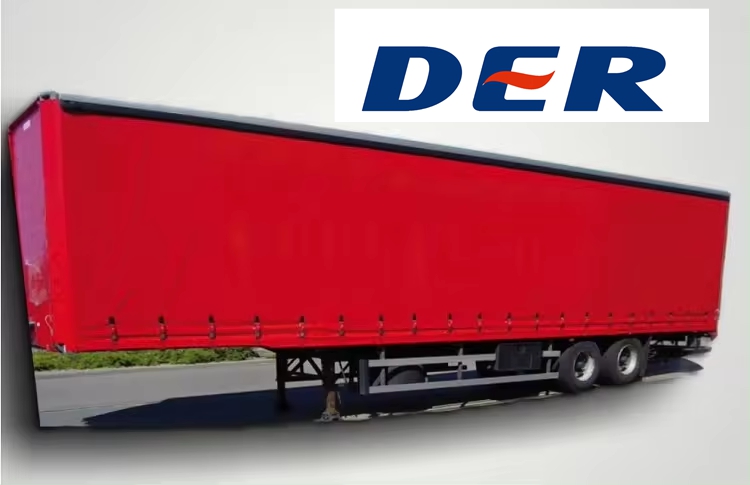
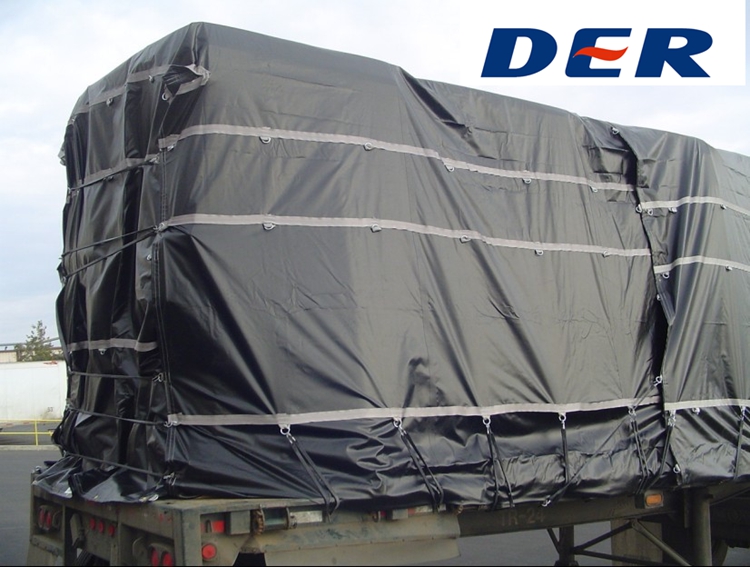
Custom length, drop, D-ring layout, webbing and reinforced zones for flatbed loads, trailers, fleet covers and cargo protection.
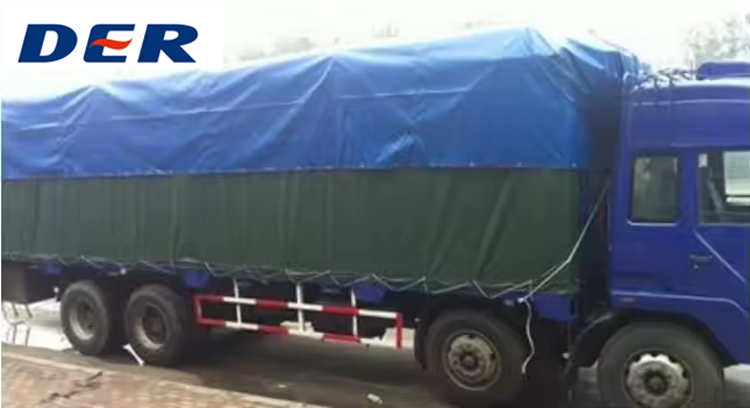
Made-to-measure covers for materials, temporary roofs, scaffolding zones, equipment and weather-sensitive work areas.
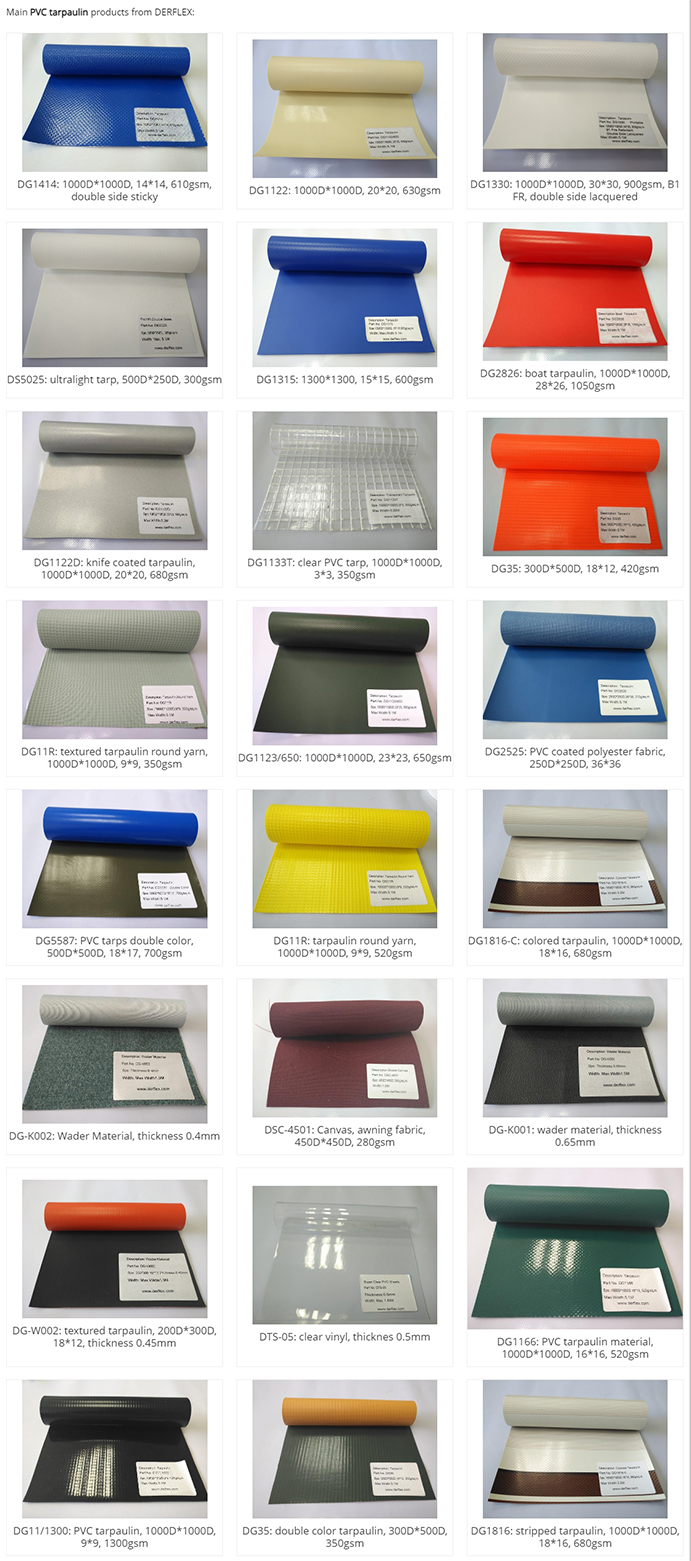
Flat sheets, fitted covers, curtains, partitions and protection systems for machines, containers, warehouse stock and exposed components.
Custom covers fo, r hay, feed, machinery, greenhouse use, crop protection, stockpiles and seasonal outdoor assets.
Custom panels and covers where water protection, visibility, access, UV exposure and attachment details must be coordinated.
Planned size ranges, colors, packaging, labels and repeatable specifications for importers, wholesalers and tarp brands.
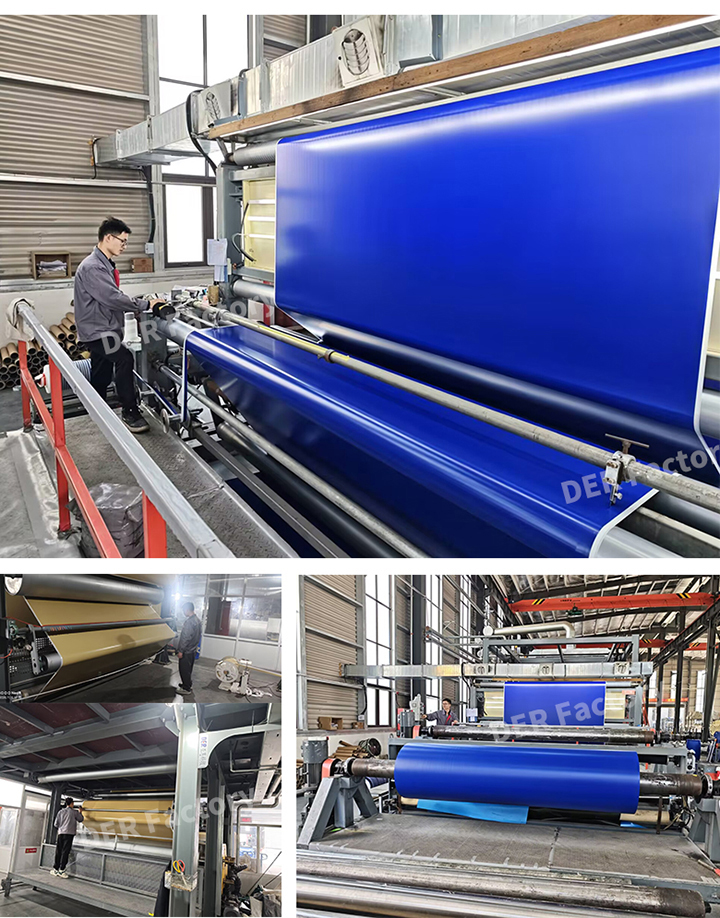
DERFLEX combines coated-fabric sourcing with custom finishing, specification coordination and export-oriented supply support.
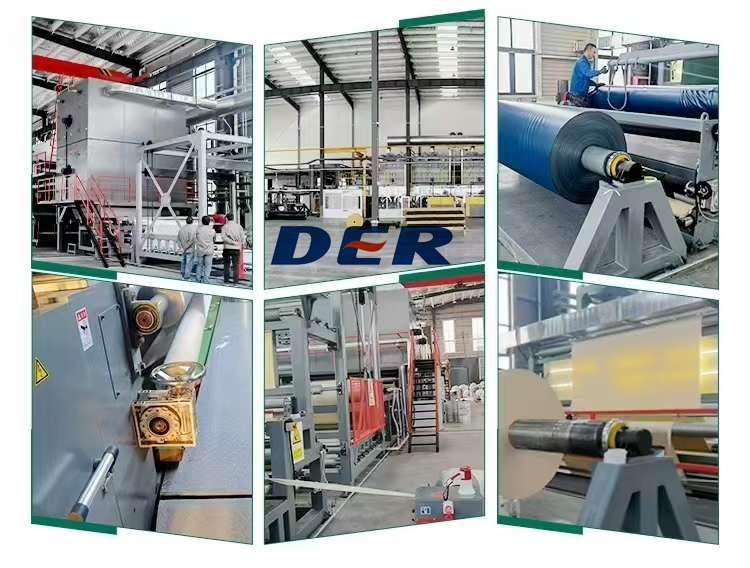
Discuss base fabric, coating, GSM, width, finish and performance direction before final tarp fabrication.
Coordinate seams, hems, webbing, corner patches, hardware placement and stress-point reinforcement.
Support converters with roll goods or supply distributors and projects with cut panels and finished tarps.
Create size systems, color versions, printed branding, label rules and packing formats for resale programs.
Approved drawings and product references can support later replenishment and multi-batch consistency.
Coordinate packing, carton marks, pallet or roll format, destination information and requested documents.
The right choice depends on fit, order volume, exposure, installation complexity and the cost of failure—not simply the initial unit price.
Often practical for temporary tasks, simple rectangles and situations where exact fit is not essential.
Better aligned with fitted covers, recurring B2B programs and applications where dimensions and fixing details affect performance.
These six related pages connect custom dimensions with material selection, waterproofing and application-specific tarp construction.
Practical answers for distributors, contractors, equipment owners, fleet buyers and OEM tarp brands.
DERFLEX can manufacture many custom lengths, widths, drops and shapes. The requested finished size, fabrication tolerance, panel layout and material width should be confirmed before production, particularly for fitted or very large covers.
Cut size is the fabric dimension before hems, folds, welded overlaps and other finishing. Finished size is the dimension of the completed tarp. A quote and drawing should clearly state which measurement is being used.
PVC coated polyester is commonly considered for heavy duty waterproof covers because it combines a reinforced textile base with a weldable waterproof coating. The correct GSM, scrim, coating and reinforcement depend on wind, abrasion, handling frequency and service environment.
Yes. Grommet spacing, D-ring rows, straps, sleeves, pockets and webbing can be planned around actual tie-down points. Mark the position and distance from corners on the drawing to reduce ambiguity.
Logo printing, technical markings, color direction, labels, carton marks and private-label packaging can be discussed according to artwork, quantity, material and production requirements.
Send the application, finished dimensions, drawing or photos, quantity, preferred material or duty level, color, seam and reinforcement requirements, hardware layout, branding, packaging, destination and any required test standard.
Send DERFLEX your drawing, finished size, application, fixing points, environment, material preference and quantity. The team can review a practical made-to-measure tarp structure for quotation and production discussion.