


What Is the Difference Between Faux Leather and PU?
For buyers comparing leather-like materials, the answer is simple but important: faux leather is the wider material category, while PU leather is one specific polyurethane-based type within that category. The real purchasing decision is not only the name, but how the surface, backing, finish and performance direction fit the final product.
PU leather can be called faux leather, but not every faux leather is PU leather. Faux leather may include PU leather, PVC leather, silicone leather, microfiber synthetic leather and other engineered leather-look materials.
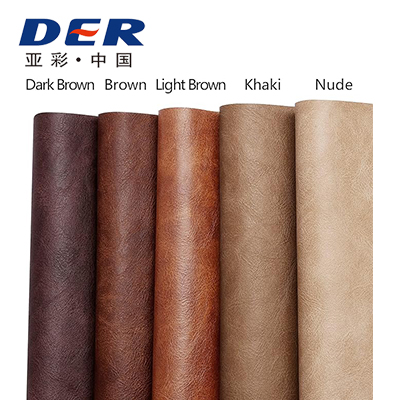
Custom Faux Leather & PU Leather Rolls
Color, grain, backing, thickness, hand feel, roll width and packaging can be discussed for upholstery, automotive interiors, bags, hospitality seating and OEM production.
Faux leather is a category. PU leather is a material system.
The wording often creates confusion because different markets use faux leather, artificial leather, synthetic leather, vegan leather, leatherette, PU leather and vinyl leather in overlapping ways.
- Faux leather describes the leather-like category.
- PU leather describes a polyurethane surface construction.
- PVC leather and silicone leather may also be sold under the faux leather category.
Why the distinction matters in B2B sourcing
A furniture factory, automotive interior supplier, bag producer and hotel seating contractor may all search for faux leather, but they do not need the same material. A sofa may need balanced softness and abrasion direction. A car seat cover may need controlled grain and color matching. A wall panel may need dimensional stability and wrapping behavior. A bag may need flexible folding and collection color consistency.
DERFLEX treats faux leather vs PU leather as a specification discussion rather than a simple naming question. We help buyers clarify surface chemistry, backing, thickness, finish, processing method and application environment before bulk ordering.
Faux Leather vs PU Leather: Practical Differences
This table is designed for buyers who need to specify material clearly for sampling, quotation and repeat production.
| Comparison Point | Faux Leather | PU Leather | Buyer Note |
|---|---|---|---|
| Meaning | A broad term for leather-like artificial or synthetic materials. | A polyurethane-based faux leather material. | Ask the supplier which material system is being offered. |
| Material family | May include PU, PVC, silicone, microfiber and other synthetic leather systems. | Usually a PU coating or PU surface layer over fabric, nonwoven, microfiber or another backing. | The same word can cover different performance levels. |
| Touch and appearance | Depends on the exact construction and finish. | Often selected for softer touch and refined leather-like appearance. | Confirm by sample, not only photos. |
| Durability direction | Can be engineered for abrasion, cleanability, water resistance, UV direction or other needs. | Can be suitable for furniture, bags, trim and interiors when the grade matches the application. | Durability depends on formulation, backing and finish. |
| Typical use | Furniture, automotive interiors, bags, wall panels, hospitality, marine, medical seating and decorative surfaces. | Upholstery, bags, automotive trim, decorative panels, office seating and OEM product lines. | Use final application to guide material choice. |
| Purchasing risk | Too broad if no structure is specified. | Too vague if grade, backing and finish are not confirmed. | A good inquiry should include thickness, backing, color, grain, roll width and performance direction. |
How to Choose the Right Leather-Look Material
Instead of asking only whether faux leather or PU leather is better, compare what the final product needs to do.
Start with the product environment
Daily seating, automotive use, hospitality projects, luggage production and decorative panels place different stress on the surface and backing.
Define the surface target
Specify matte, semi-gloss, pebbled grain, smooth finish, soft touch, printed texture or a sample-based matching direction.
Check the backing
Backing affects stretch, dimensional stability, sewing behavior, wrapping behavior and production efficiency.
Confirm thickness and hand feel
Furniture upholstery, bags, panels and automotive trim may need different flexibility, softness and body.
Discuss performance direction
Abrasion direction, easy-clean finish, water resistance, UV direction, flame-retardant route and hydrolysis resistance can be reviewed by project.
Plan repeat production
OEM brands and distributors should control color consistency, roll packing, labels, carton marks and long-term specification stability.
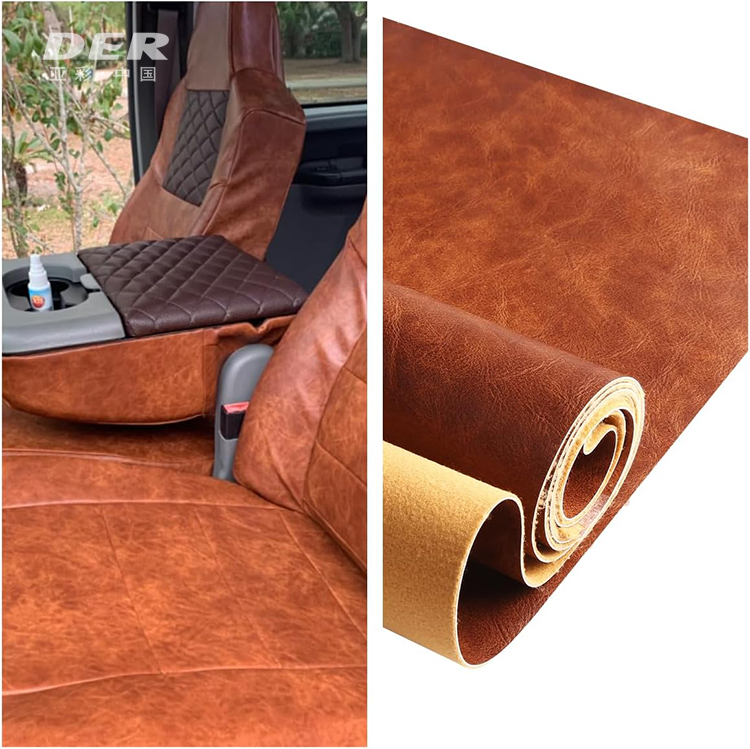
Where Faux Leather and PU Leather Are Commonly Used
DERFLEX can help match the material system to the product category, processing method and market expectation.
Furniture Upholstery
Sofas, dining chairs, office seating, headboards, cushions, benches and contract furniture programs require stable appearance, practical cleaning and repeatable production.
Automotive Interiors
Seat covers, door panels, armrests, headrests, dashboards and trim wrapping need controlled grain, color direction and conversion behavior.
Bags, Luggage and Accessories
Handbags, wallets, cases, belts, notebooks and packaging surfaces often need flexible folding, collection colors and decorative embossing.
Hospitality and Contract Seating
Hotels, restaurants, lounges, bars and public seating projects often prioritize practical maintenance, color consistency and replacement economics.
Medical and Wellness Surfaces
Medical mattresses, clinic chairs, spa beds and wellness seating may need wipeable surfaces and project-specific performance discussions.
Private-Label OEM Programs
Brand owners and distributors may need sample books, collection planning, logo direction, roll labeling, carton marks and repeat-order documentation.
Factory Support for Custom Faux Leather and PU Leather
DERFLEX supplies synthetic leather materials for buyers who need specification clarity, sample development and bulk roll supply rather than a generic online listing.
| Product Direction | Faux leather, PU leather material, PVC leather, silicone leather, synthetic leather fabric and custom leatherette roll goods. |
| Surface Options | Leather grain, pebbled texture, smooth finish, matte, semi-matte, glossy, soft-touch, embossed, printed or customized texture. |
| Backing Options | Knitted fabric, woven fabric, nonwoven, microfiber backing, polyester base, foam layer direction or project-based backing. |
| Application Direction | Furniture upholstery, automotive interiors, marine seating, bags, luggage, medical furniture, hospitality seating, wall panels and decorative surfaces. |
| Performance Discussion | Water resistance, abrasion direction, easy-clean finish, UV direction, anti-mildew direction, flame-retardant route or hydrolysis resistance can be discussed according to project needs. |
| Supply Form | Roll goods, sample swatches, color cards, custom roll length, roll labels, export packing and OEM documentation. |
| Quotation Details | Application, thickness, width, color reference, grain sample, backing, performance request, quantity, packing method and destination market. |
DERFLEX sourcing advice
Do not approve a faux leather or PU leather material from a product name alone. A suitable material should be reviewed by sample, structure, finish, backing and end-use conditions.
- Send an existing sample when matching is required.
- Share application photos or product drawings if available.
- Confirm roll width and cutting layout before bulk order.
- Use trial production to verify sewing, wrapping or upholstery behavior.
From Material Question to Bulk Production
DERFLEX helps turn a broad search such as “difference between faux leather and PU” into a clear purchasing brief.
Requirement Review
Share application, material target, sample reference, thickness, color and expected quantity.
Material Direction
DERFLEX reviews whether PU, PVC, silicone or another synthetic leather system is more suitable.
Sample Confirmation
Surface, backing, hand feel, color and processing behavior should be confirmed before mass production.
Bulk Roll Supply
Roll width, roll length, packaging, labels and export coordination can be planned for repeat orders.
Explore More Synthetic Leather Solutions
These internal links help buyers move from comparison to the right material category.
Custom faux leather for a seating product line
A buyer may begin with a simple request for “PU faux leather,” but the actual need may include a matte surface, medium-soft hand feel, specific backing strength, repeat color control and packaging for furniture production.
DERFLEX can review the intended seating environment, current sample, color standard and production method, then recommend a more suitable synthetic leather construction for sample confirmation.
What should buyers send to DERFLEX?
- Target application and market
- Preferred PU, PVC, silicone or open material direction
- Thickness, width and backing requirement
- Color reference and grain sample
- Expected order quantity and roll packing method
- Performance concerns such as cleaning, abrasion or UV exposure
Frequently Asked Questions
Clear answers for importers, upholstery factories, bag manufacturers, automotive interior suppliers and OEM material buyers.
What is the difference between faux leather and PU leather?
Faux leather is a broad category of engineered leather-like materials. PU leather is one type of faux leather made with a polyurethane surface layer applied to a backing. Faux leather may also include PVC leather, silicone leather, microfiber synthetic leather and other leather-look materials.
Is PU leather considered faux leather?
Yes. PU leather is generally considered a type of faux leather because it is designed to imitate leather through synthetic construction instead of natural animal hide.
Is faux leather always PU?
No. Faux leather is not always PU. It can refer to PU leather, PVC leather, silicone leather, microfiber synthetic leather or other artificial leather-like materials depending on market language and product structure.
Which material is better for furniture upholstery?
The better choice depends on seating environment, cleaning frequency, softness target, durability requirement, backing strength and budget. PU leather may be selected for a softer touch and refined appearance, while PVC leather or silicone leather may fit other performance directions.
Can PU leather be used for automotive interiors?
PU leather can be used for car seats, seat covers, door panels, armrests, headrests and trim applications when the material structure matches the automotive interior requirement. Color, grain, backing and durability direction should be confirmed through project review.
Can DERFLEX customize faux leather by color and texture?
Yes. DERFLEX can discuss custom color matching, embossed grain, matte or glossy finish, backing selection, thickness control, roll width, roll length, labels and packaging for OEM synthetic leather programs.
What is the difference between PU faux leather and PVC faux leather?
PU faux leather is often selected for softer hand feel and refined leather-like appearance. PVC faux leather is often selected for practical durability, water resistance and cost control. The correct choice depends on the final product and performance target.
How do I request a quotation from DERFLEX?
Please send your application, target thickness, preferred backing, color reference, grain or texture sample, roll width, order quantity, performance requirements, destination market and packaging request through the Request A Quote page.
Need help choosing between faux leather and PU leather?
Send DERFLEX your product application, sample reference, color target, backing requirement and expected order quantity. Our team can help recommend a suitable synthetic leather material direction for sampling and bulk supply.