
Color
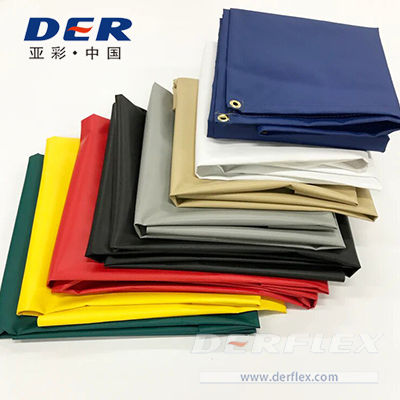
Standard colors, buyer-specified color direction, product-line color coding and surface appearance can be reviewed against material and coating requirements.



DERFLEX supports distributors, importers, tarp brands, fleets, converters and industrial buyers that need a tarp built around their market—not a generic stock cover. Color direction, finished dimensions, material grade, logo presentation, labels, carton marks and packing format can be coordinated as one repeatable product program.
Yes. DERFLEX can discuss custom tarp color, finished size, shape, material weight, surface finish, logo or technical marking, labels, packaging and private-label presentation. Feasibility, sample route, minimum order requirements and production details are confirmed according to the material, artwork, finishing method and order plan.
A useful OEM tarp program combines product engineering with commercial presentation. The five areas below should be planned together so the finished tarp fits its application, sells consistently and can be reordered without rebuilding the specification from the beginning.
Standard colors, buyer-specified color direction, product-line color coding and surface appearance can be reviewed against material and coating requirements.
Finished dimensions, cut panels, roll widths, rectangular covers and drawing-based shapes can be planned around the actual installation or resale format.
Logo artwork, technical markings, orientation, print area and repeat positioning are reviewed according to the tarp surface and intended brand presentation.
Folded packs, cartons, roll packing, labels, carton marks, pallet plans and shipment presentation can be coordinated for distribution or project supply.
Your brand identity can extend across the tarp, sewn or attached labels, product coding, cartons, packing instructions and repeat-order documentation.
A brand-ready tarp has to perform before it can promote a brand. DERFLEX begins with the final application: what the tarp covers, how it is fastened, how often it is handled, how long it stays outdoors, what climate it faces and how the buyer intends to sell or install it.
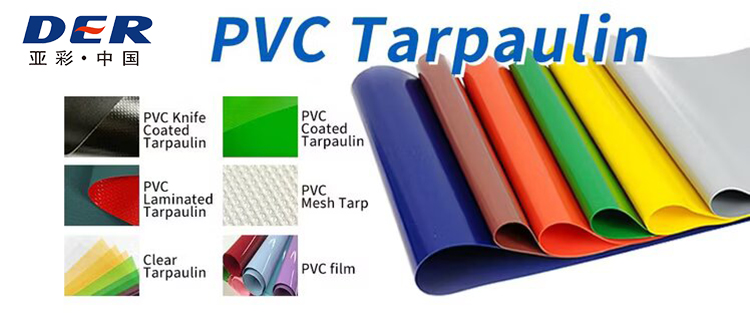
The resulting specification may involve PVC coated polyester, vinyl coated fabric, mesh tarp fabric, clear PVC or another project-fit structure. Approximate material directions can range from lighter commercial grades to heavy-duty options, with the final GSM, denier, width and coating construction confirmed after the application is understood.
The table below is structured for B2B sourcing discussions. It helps buyers separate cosmetic choices from performance decisions and prepare a clearer quotation request.
| Customization Area | Typical Options | Information the Buyer Should Provide | Why It Matters |
|---|---|---|---|
| Material Structure | PVC coated polyester, vinyl coated fabric, mesh tarp fabric, clear PVC and project-specific coated structures. | Application, exposure, duty level, fabrication route and target product position. | Determines waterproofing, strength, flexibility, weldability and handling. |
| Weight & Strength | Application-matched GSM, base-fabric denier, coating weight and reinforcement direction. | Expected load, fastening tension, service cycle and climate. | Prevents choosing a tarp that is either under-specified or unnecessarily heavy. |
| Color & Finish | Standard colors, buyer color reference, matte or glossy direction, lacquered or printable surface where applicable. | Color code, physical sample, brand guide and acceptable visual tolerance. | Supports product recognition, fleet presentation and consistent dealer lines. |
| Finished Size | Rectangular, square, round, equipment-cover, curtain, panel or drawing-based dimensions. | Finished size, cut size requirement, drawing, seam allowance logic and tolerance expectation. | Reduces fit problems and confusion between nominal, cut and finished dimensions. |
| Edges & Hardware | Heat-welded or sewn construction, reinforced hems, webbing, rope-in-hem, grommets, D-rings, straps, pockets, zippers and corner patches. | Fixing method, spacing, pull direction, installation photos and field-failure concerns. | High-stress points often determine real service life more than the center fabric. |
| Logo & Marking | Brand logo, orientation marks, product codes, warning text, technical marking and identification panels. | Vector artwork, colors, dimensions, position, repeat interval and approval standard. | Turns a generic cover into a traceable, market-ready branded product. |
| Labels | Product label, roll label, carton label, woven or sewn label direction and internal SKU identification. | Label file, language, barcode data, compliance text and placement. | Supports inventory control, market presentation and repeat-order traceability. |
| Packaging | Folded packing, individual bag direction, cartons, roll packing, pallet plan, carton marks and export shipment format. | Sales channel, pack quantity, carton limits, destination, barcode and pallet requirements. | Protects the tarp, improves warehouse handling and fits distributor operations. |
These programs are designed for professional buyers who need repeatable supply, not only a one-time custom cover.
Create a tiered product range with controlled colors, sizes, packaging and SKUs for local wholesale or dealer networks.
Coordinate fleet colors, logo areas, reinforced fixing points and replacement specifications for transport applications.
Develop machinery covers, equipment covers, curtains and protective systems under a consistent brand identity.
Package application-specific tarp lines for jobsites, temporary weather protection, farm storage and outdoor equipment.
Source branded roll material, cut panels or semi-finished components with stable color and fabrication behavior.
Plan folded packs, cartons, labels, product instructions and size systems suitable for a branded retail program.
The visual side of a tarp program should be controlled with the same care as material weight and seam construction. Clear approval records reduce misunderstandings during bulk production and future reorders.
A Pantone, RAL or brand guideline can start the discussion, but coating chemistry, surface gloss, texture and lighting affect the visual result. For sensitive programs, an approved physical sample or signed color reference is more useful than relying only on a screen image.
Artwork should identify logo width, height, colors, clear space, orientation and placement. On truck covers, curtains or equipment covers, the correct reading direction must be confirmed before production because panels may be folded, welded or installed in different orientations.
Product labels can carry model, size, batch, barcode, care information, installation direction or internal SKU. This makes warehouse handling and after-sales identification easier for distributors and project teams.
A converter buying rolls needs different packing from a retail brand selling folded tarps. Carton strength, pack quantity, pallet height, barcode position, moisture protection and destination handling should be reviewed before the final packaging is approved.
A structured development process helps separate decisions that affect performance from decisions that affect brand presentation.
Confirm what the tarp protects, the climate, fastening method, handling frequency, expected lifespan and sales channel.
Select the material family, approximate weight, base fabric, coating, surface and optional performance requirements.
Define finished size, panel layout, seams, hems, reinforcement, hardware, fixing points and tolerances.
Review logo files, colors, placement, labels, SKU data, carton marks and any product instructions.
Use a material swatch, color reference, artwork proof, packaging mock-up or pre-production sample as needed.
Freeze the approved specification, artwork, packing method and reference sample before bulk manufacturing.
Check dimensions, appearance, construction, hardware, print direction, labels, pack quantity and carton marks.
Use approved records and sample references to support more consistent reorders and product-line expansion.
Branding is most effective when the product structure is matched to the application. The same logo can appear on very different tarp constructions depending on the buyer’s market.
Fleet colors, side-facing logo panels, reinforced edges, D-rings, straps, grommet layouts and weather-resistant PVC coated fabric.
Drawing-based covers, access flaps, labels, warning marks, lifting-point identification and packaging by machine model.
Jobsite identification, contractor branding, temporary roof covers, scaffolding covers and reinforced fixing zones.
Color-coded grades, hay or feed covers, farm equipment protection and folded packaging for seasonal distribution.
Standardized size families, SKU labels, barcode planning, individual packs, cartons and product-grade differentiation.
Custom roll width, color, finish, repeat logo or technical marking direction, roll labels and palletized export packing.
The correct sourcing route depends on order scale, technical complexity, branding depth and whether the product must be reordered as a controlled line.
These six internal pages help procurement teams compare custom tarp structures, PVC material routes, truck applications, industrial covers and factory-based supply.
Complete information reduces repeated questions and helps DERFLEX recommend a more practical sample and production route. Photos, drawings, current samples and target-market packaging references are useful when available.
Practical answers for distributors, importers and product teams preparing a custom tarpaulin inquiry.
Yes. Standard colors and buyer-specified color directions can be discussed. The final result depends on material structure, PVC coating, surface finish and production feasibility. For brand-sensitive programs, a physical sample or approved color reference is recommended.
Yes. DERFLEX can review finished dimensions, panel layouts, rectangular or shaped covers, equipment-cover drawings and project-specific details. The buyer should clearly identify whether dimensions refer to cut size or finished size and state the required tolerance.
Logo printing or technical marking can be discussed according to the tarp surface, artwork, print dimensions, number of colors, order quantity and intended use. Vector artwork and a clear placement drawing help shorten the approval process.
Private-label programs can include product labels, roll labels, carton labels, carton marks, folded packs, roll packing, pallet planning and distributor-ready packaging. Exact options are confirmed according to the product format and order plan.
An ordinary custom tarp may only change the size or hardware for one application. An OEM tarp program usually controls material, performance, color, logo, labels, packaging, product codes and repeat-order records for a brand or distributor line.
DERFLEX can discuss PVC tarpaulin rolls, cut sheets, semi-finished panels and finished tarp directions depending on the material, fabrication requirement, quantity and project scope.
Minimum order requirements depend on material construction, custom color, logo route, size mix, packaging design, labels and production setup. A standard material with simple branding usually follows a different MOQ logic from a fully customized coating and retail pack.
A sampling route can be discussed according to the project. It may include a material swatch, color reference, artwork proof, packaging mock-up or pre-production finished sample. The approved sample and specification should be recorded for bulk production and repeat orders.
Send DERFLEX your application, size, material target, color, logo file, packaging concept and quantity. The team can review the project and discuss a suitable specification, sample route and quotation plan.