



Finished Size vs Cut Size: What Tarp Buyers Should Know
A tarp listed as 10 × 12 ft may not always measure 10 × 12 ft after hems, seams, reinforcement and eyelets are completed. For importers, fabricators, contractors, fleet operators and OEM buyers, understanding the difference between cut size and finished size helps prevent undersized covers, wrong grommet positions and avoidable rework.
DERFLEX supplies PVC coated polyester tarp fabric, panels and custom finished tarps with size basis, edge design and fabrication details discussed before production.
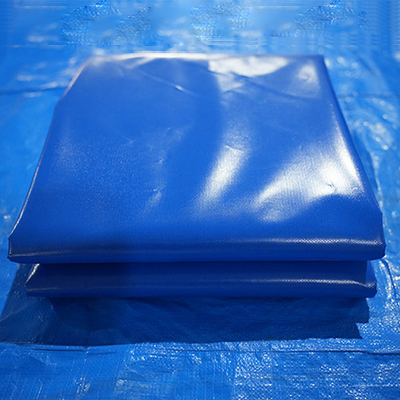
Custom PVC Tarp Sizing Starts Before Cutting
Material weight, coating structure, hem width, seam layout, webbing, grommet spacing and installation method all influence the final usable tarp dimension.
Cut Size Is the Starting Fabric Size. Finished Size Is the Size You Actually Receive.
Many tarp buying problems happen because the buyer, seller and fabricator are not talking about the same measurement standard.
Cut Size
Cut size means the fabric size before the perimeter is folded, welded, sewn or reinforced. It is useful for material planning, but it may be larger than the final cover.
Finished Size
Finished size means the measured tarp after hems, seams, reinforcements, eyelets, ropes or webbing are completed. This is the dimension that matters for exact coverage.
Buyer Decision
If the tarp must fit a truck bed, frame, canopy, machinery, pit cover or OEM package, request finished-size confirmation before mass production.
One Size Term Can Change the Real Coverage Area
Tarp buyers often compare suppliers by the printed dimension, but a printed dimension may describe the fabric before finishing. During production, material is consumed by edge folding, welding overlap, sewing allowance, reinforced corners, rope pockets and seam layout. The final tarp can therefore be smaller than the listed cut size.
This matters most when a cover must fit a fixed object. A slightly smaller tarp may expose cargo edges, pull grommets out of alignment, create water pockets, reduce tie-down allowance or cause tension stress on corners.
DERFLEX buyer advice
Do not only send “10 × 12 ft tarp.” Send the required finished size, the object size, overlap requirement, hem design, eyelet spacing, fabric weight and how the tarp will be installed. This helps the supplier plan both material cutting and final fabrication.
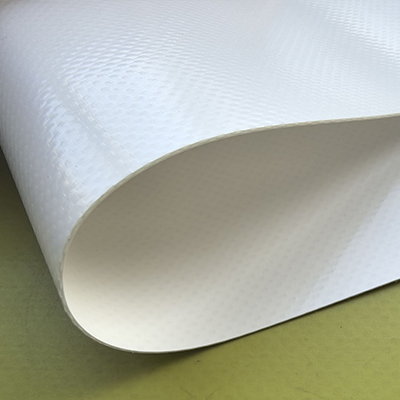
DERFLEX PVC Tarpaulin for Cut Panels and Finished Tarp Programs
These product images show actual DERFLEX tarp-related materials and application directions for B2B buyers.
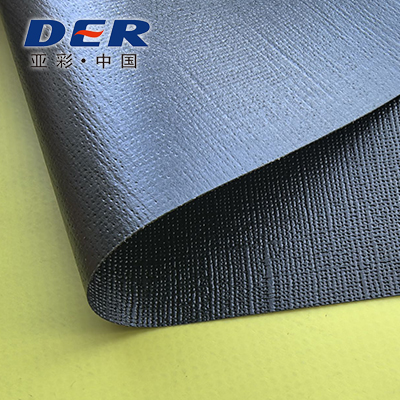
Trailer and Truck Tarp Material
Suitable for heavy duty covers where finished size, drop allowance, tie-down locations and reinforced edges should be confirmed before fabrication.
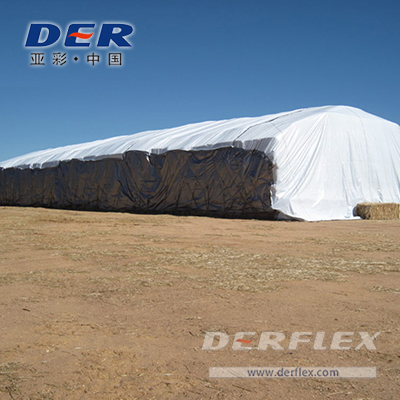
Agriculture Covers
Finished size planning helps protect stacked hay, equipment and outdoor storage with correct side drop and overlap.
Custom PVC Tarp Samples
Sample confirmation can include fabric weight, surface finish, weldability, color and edge construction.
Cut Size vs Finished Size in Real Tarp Orders
The difference is simple, but the procurement impact can be significant when size accuracy is connected to installation, safety and repeat orders.
| Item | Cut Size | Finished Size | Buyer Note |
|---|---|---|---|
| Meaning | Fabric measurement before hems, seams or edge finishing. | Actual tarp measurement after fabrication is complete. | Always ask which size basis is used in the quotation. |
| Common Use | Stock tarp listing, material usage calculation, simple retail covers. | Custom tarps, frame covers, replacement covers, truck covers and OEM programs. | Finished size is preferred when exact coverage is required. |
| Reason for Difference | Edges have not yet consumed fabric allowance. | Hems, seams, welding overlap, reinforcement and hardware use part of the material. | The reduction depends on construction method and design. |
| Price Comparison | May look cheaper if quoted only by cut dimension. | May require more starting material to deliver the requested final size. | Compare suppliers on the same size basis to avoid misleading cost decisions. |
| Risk | The cover may be smaller than expected after finishing. | Requires clearer drawings and tolerance discussion. | For B2B projects, a size drawing is better than only a text size. |
How to Calculate the Tarp Size You Should Request
Use these formulas as a starting point before confirming drawings, edge finishing and tolerance with DERFLEX.
Flat Object Cover
For covering a flat area, include side overlap and tie-down margin.
Finished width = object width + left overlap + right overlap
Finished length = object length + front overlap + rear overlap
Equipment or Machinery Cover
For three-dimensional objects, calculate side drop, not just top surface.
Finished width = top width + left drop + right drop
Finished length = top length + front drop + rear drop
Truck or Trailer Tarp
For cargo transport, add side drop, front/rear coverage and tie-down space.
Finished size = load area + drop allowance + overlap + fastening allowance
Frame or Canopy Replacement
For frame covers, confirm frame dimensions, slope, pocket design and tension method.
Finished size = frame requirement ± designed tension / clearance allowance
Note: The correct allowance depends on fabric stiffness, tarp weight, seam type, installation method and expected outdoor conditions.
From Buyer Size Requirement to Finished Tarp Production
DERFLEX helps B2B buyers move from a simple size request to a practical production specification.
Confirm Use
Share the application: truck cover, trailer tarp, machinery cover, farm cover, industrial curtain, tent or OEM packaging.
Define Size Basis
State whether the size is cut size or finished size, and provide drawings for tight-fit applications.
Plan Fabrication
Discuss hems, seams, welding, grommets, webbing, ropes, D-rings, corner patches and labels.
Check Before Bulk
Confirm samples, tolerance, packing method and batch consistency before repeat or container orders.
When Should You Request Finished Size Instead of Cut Size?
Not every tarp order needs the same level of precision. The key is to match the size standard to the application risk.
Cut size may be acceptable when:
- The tarp is used as a temporary general cover.
- A small dimension difference will not affect use.
- The buyer is comparing stock tarps for non-critical protection.
- The material will be cut again by a local fabricator.
- The order is roll material or raw cut panels rather than finished covers.
Finished size should be specified when:
- The tarp must fit a frame, canopy, machine or vehicle body.
- Grommet spacing needs to match fixed anchor points.
- The cover is a replacement for an existing tarp.
- Side drop and overlap determine weather protection.
- The tarp is part of an OEM or private-label product line.
DERFLEX Custom Tarp and PVC Tarpaulin Supply Options
Final specifications should be selected according to application, climate, production method, strength requirement and budget range.
| Specification Item | Available Direction | Why It Matters for Finished Size |
|---|---|---|
| Material Type | PVC coated polyester fabric, vinyl tarp material, heavy duty PVC tarpaulin or custom coated fabric. | Different materials fold, weld and stretch differently during fabrication. |
| Supply Form | Roll goods, cut panels, semi-finished covers or finished tarps. | Finished tarp orders require clearer final size and edge details. |
| Weight Range | Common PVC tarpaulin directions can be discussed from light to heavy duty grades. | Heavier tarp fabrics usually need stronger hems, seams and reinforced fixing points. |
| Edge Design | Welded hem, sewn hem, rope edge, webbing, corner patch, double-layer reinforcement. | Hem width and reinforcement design directly affect the finished dimension. |
| Hardware | Grommets, eyelets, D-rings, straps, buckles, hooks or custom fixing systems. | Hardware position must be planned from finished edges, not only from cut material. |
| Surface Finish | Glossy, matte, embossed, lacquered, printable, UV-resistant, anti-mildew or flame-retardant options. | Application-specific finish helps match outdoor exposure, cleaning and branding requirements. |
| Quotation Basis | Clearly mark cut size, finished size, tolerance and packing quantity. | This avoids confusion between purchasing, production and receiving inspection. |
What to Send DERFLEX for an Accurate Tarp Size Quote
A clear quotation request helps reduce sample rounds, misunderstanding and dimension disputes.
- Final application and product photos if available.
- Required finished size or cut size, clearly marked.
- Object size, side drop, overlap and fastening method.
- Drawing showing hems, seams and reinforcement areas.
- Grommet size, spacing and distance from finished edge.
- Fabric weight, color, surface finish and performance requirement.
- Hot-air welding, high-frequency welding or sewing preference.
- Expected order quantity and repeat-order plan.
- Packing method, label design and destination market.
- Testing, compliance or document requirements before production.
Continue Tarp Material and Custom Cover Selection
Use these DERFLEX pages to compare material structure, applications and supply formats before sending your inquiry.
Need a Tarp That Fits the Real Application?
Send DERFLEX your finished size, cut size reference, drawing, fabric direction, edge design, grommet plan and quantity. Our team can help match material structure and fabrication details for your project.
Finished Size vs Cut Size FAQ
Clear answers for buyers comparing tarp dimensions, custom PVC tarp production and quotation requirements.
What is the difference between finished size and cut size on a tarp?
Cut size is the fabric size before hems, seams and reinforcement are completed. Finished size is the actual tarp size after fabrication. If the tarp must fit a precise area, finished size should be stated in the quotation.
Why is a tarp sometimes smaller than the size listed?
Material is consumed when edges are folded, welded or sewn. Reinforced hems, seams, rope edges, webbing and corner patches can also reduce the final usable dimension compared with the cut fabric size.
Should I order by cut size or finished size?
For general temporary covers, cut size may be acceptable if small differences do not affect use. For truck tarps, frame covers, replacement covers, machinery covers, OEM tarps and fixed anchor points, finished size is usually the safer way to specify the order.
Can DERFLEX make custom finished-size tarps?
DERFLEX can discuss custom finished tarp projects including PVC tarpaulin material, cut panels, welded hems, edge reinforcement, grommets, D-rings, webbing, color, surface finish, labels and export packaging.
What information should I provide for a custom tarp quote?
Provide application, required finished size, object dimensions, side drop, overlap, fabric weight, color, finish, hem width, seam layout, grommet spacing, reinforcement details, quantity and destination. A drawing or sample photo is helpful for exact-fit projects.
Does finished size include tolerance?
Yes, finished tarp production normally includes a manufacturing tolerance. The exact tolerance should be confirmed according to material, size, processing method and order requirement before production.
Can I buy PVC tarpaulin roll material instead of finished tarps?
Yes. DERFLEX can supply PVC tarpaulin roll material for converters and fabricators, as well as cut panels or finished tarps depending on your production capability and sourcing model.