News
Company News

TPU Material Fabric Manufacturer | Waterproof & Weldable TPU Textile | DERFLEX

Update:2026/8/11 16:55:30 Views:
Technical Textile · OEM Roll Supply

TPU Material Fabric Built Around the Finished Product

DERFLEX supplies TPU material fabric for manufacturers that need a flexible textile to do more than repel water. By matching the textile substrate, TPU chemistry, coating or lamination structure, and joining method to the application, the material can be developed for waterproof bags, airtight inflatables, medical air systems, marine equipment, flexible tanks and industrial products.

  • TPU coated nylon & polyester
  • Single-side / double-side structures
  • Polyether / polyester TPU direction
  • HF & hot-air welding trials
  • Custom GSM, width, color & finish
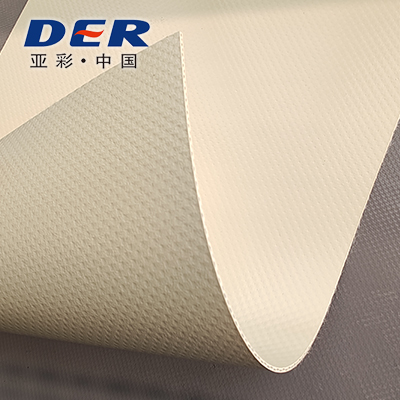
DERFLEX TPU material fabric sample for waterproof and weldable products
TPU + Reinforcement TextileSelection is based on the final product, pressure or liquid exposure, folding behavior, seam method and target service environment.
70D–1680D+Common substrate directions
1 / 2 sidesTPU coating or laminate layouts
Roll supplyFor converters and OEM production
Project testingConfirm welding and performance before bulk
Quick Answer

What is TPU material fabric?

It is a reinforced flexible material that combines thermoplastic polyurethane with a textile substrate such as nylon or polyester. The textile carries tensile and tear loads; the TPU layer provides the sealing surface, flexibility, abrasion protection and heat-weldable behavior.

Buyer takeaway

“TPU material fabric” is not one fixed specification. Two rolls with the same GSM can behave differently if the base denier, TPU chemistry, coating side, film thickness, bonding process or surface finish changes. Successful sourcing starts with the finished-product requirement—not with price per meter alone.

Material Architecture

Three decisions determine how TPU fabric performs

For OEM development, DERFLEX treats the fabric as a material system. The substrate, polymer and joining surface must work together through cutting, welding, inflation, folding, cleaning and long-term use.

?

Choose the textile substrate

Nylon often suits products that prioritize soft folding and tear performance; polyester is frequently chosen for dimensional stability, repeatable roll handling and industrial constructions.

  • 70D / 210D / 420D for lightweight development
  • 500D / 600D / 840D for balanced strength
  • 1000D / 1680D and custom structures for heavy duty use
?

Select TPU chemistry & structure

Polyether TPU is commonly considered for hydrolysis, humidity and water-contact exposure. Polyester TPU is often considered where abrasion, oil resistance and mechanical robustness have higher priority.

  • Coated or laminated construction
  • Single-side or double-side TPU
  • Film/coating thickness balanced against flexibility
?

Engineer for the joining process

Air and liquid retention depend on the whole assembly, including seam geometry. TPU grades can be developed for heat-based joining, but the actual process window should be validated on the buyer's equipment.

  • HF / RF welding
  • Hot-air or hot-wedge welding
  • Heat sealing / selected ultrasonic processes
Application Routes

Match the material to the failure mode you need to prevent

Different industries stress TPU textiles in different ways. A dry bag is mainly a folding-and-sealing problem; an inflatable chamber adds pressure retention; a flexible tank adds liquid compatibility and hydrolysis concerns.

Lightweight Waterproof
Dry bags · outdoor gear · protective pouches

Prioritize hand feel, foldability and sealing

Light to medium denier nylon or polyester with a controlled TPU layer helps designers manage weight while retaining waterproof welding capability.

Ask about: surface finish, fold whitening, abrasion zones, seam method, branding color and roll consistency.
Airtight Pressure
Inflatables · air bladders · rescue cushions

Focus on air retention and seam reliability

Double-side TPU constructions and higher-strength base fabrics are common starting points where repeated inflation, puncture risk and welded seam integrity matter.

Ask about: pressure cycle, peel strength, air leakage criteria, valve bonding, fold storage and puncture exposure.
Liquid Containment
Water tanks · oil bladders · containment systems

Validate chemical and hydrolysis compatibility

Liquid-contact projects need a compatibility review that considers the exact liquid, concentration, temperature, contact time and cleaning method.

Important: never select fuel or chemical containment fabric from a generic “chemical resistant” claim; qualify the actual media and test method.
Medical & Cleanable
Air mattresses · cushions · patient support

Design around hygiene, cleaning and documentation

Medical-facing products may require controlled surface feel, cleaning resistance, low-temperature flexibility, air retention and market-specific material documentation.

Ask about: disinfectant exposure, skin-contact requirements, migration/biocompatibility tests, seam geometry and cleaning cycles.
Specification Direction

TPU material fabric options for custom development

The table below is a practical discussion range rather than a performance guarantee. Final values should be locked only after sample evaluation, testing and confirmation of the finished-product design.

Selection itemTypical directionWhy it matters
Base fabricNylon / polyester / selected specialty textileControls tensile, tear, dimensional stability, hand feel and finished weight.
Base denierApprox. 70D–1680D+ or customHigher denier can support heavier-duty assemblies but also changes weight and folding behavior.
TPU typePolyether TPU / polyester TPU / project-specific formulationInfluences hydrolysis, abrasion, oil/contact behavior and service-environment suitability.
ConstructionCoated / laminated; single-side / double-sideAffects air/liquid barrier behavior, cleanability, textile feel and conversion route.
Total weightApprox. 100–1500 gsm development rangeShould be selected together with substrate and TPU layer—not as a stand-alone quality indicator.
TPU layerApprox. 0.03–1.0 mm directionChanges stiffness, barrier properties, welding window and abrasion reserve.
WidthApprox. 1.0–3.2 m depending on grade/processWider material can reduce seam count on large products; feasibility depends on construction.
SurfaceMatte / glossy / smooth / embossed / texturedSupports product aesthetics, anti-blocking, cleaning behavior and handling.
Functional directionHydrolysis / UV / oil / selected chemicals / anti-microbial / anti-static / FRFunction must be tied to a target standard, formulation and test method when required.
ConversionHF/RF, hot-air, hot-wedge, heat seal, selected ultrasonicCompatibility should be validated using actual equipment, seam width and production settings.

Note: suitability for potable water, food, medical, fuel, flame-retardant or regulated applications requires project-specific formulation and documentary/test confirmation. Do not rely on generic material descriptions alone.

Who Buys TPU Fabric

Built for manufacturers, converters and product developers

This page is designed around B2B sourcing: what the material must do in production, what should be tested, and what information a supplier needs before quoting.

Outdoor OEM

Dry bags & backpacks

Soft folding, abrasion resistance, welded waterproof seams, appearance consistency and low-temperature handling.

Marine / Rescue

Boats, rafts & buoyancy gear

Airtightness, puncture resistance, seam strength, hydrolysis resistance and repeat inflation performance.

Healthcare

Medical air systems

Cleanable surfaces, air retention, flexible handling and project-specific compliance or biocompatibility documentation.

Industrial

Bladders & flexible containers

Barrier performance, liquid compatibility, mechanical strength, weld quality and controlled repeat specification.

Safety

Emergency & protective equipment

Packability, field durability, low-temperature flexibility and sealed construction for demanding use environments.

Converters

Custom TPU roll goods

Stable width, coating/lamination consistency, roll length, color control, packaging and repeat-order traceability.

Material Decision

TPU vs PVC vs PU coated fabric: choose by use, not by slogan

No single coating is automatically right for every product. DERFLEX works across coated textile categories, so material selection can be based on the target balance of cost, stiffness, weldability, abrasion, low-temperature use and brand positioning.

Decision factorTPU material fabricPVC coated fabricPU coated fabric
Typical positioningPremium flexible, airtight/weldable technical productsHeavy-duty covers, tarps, tents and large industrial fabricLightweight apparel, bags and soft waterproof textiles
Flexibility / foldingStrong option when repeated folding and elastic recovery matterCan be stiffer, especially in heavier constructionsOften soft and lightweight
Airtight sealed productsWell suited with compatible double-side structures and qualified weldingWidely weldable and practical for many industrial air/water productsDepends strongly on coating chemistry and sealing method
Low-temperature directionCan be developed for cold-flex applications with appropriate TPU gradeFormulation dependent; plasticizer system mattersFormulation dependent
Abrasion / punctureOften selected when high wear resistance is a priorityStrong in heavy-duty constructionsVaries widely by coating weight and formulation
Cost directionUsually selected where performance or product positioning justifies a higher material costOften attractive for large-volume industrial useCan be economical for light coatings; depends on specification
Quality Plan

What should be checked before bulk production?

A technical textile is only useful when the production batch behaves like the approved sample. The acceptance plan should connect material properties to the customer's conversion process and end-use risk.

1
Barrier & sealing

Hydrostatic resistance, air leakage, seam peel or welded seam checks according to the product requirement.

2
Mechanical behavior

Tensile, tear, abrasion, puncture, repeated flexing or pressure-cycle testing as applicable.

3
Material consistency

Width, total weight, TPU layer, color, surface appearance, roll length and defect inspection.

4
Environment & compatibility

Hydrolysis, UV, low temperature, cleaning chemical, oil or target-liquid compatibility where needed.

DERFLEX Manufacturing Support

From material concept to repeatable roll specification

DERFLEX's wider coated-fabric capability allows buyers to discuss substrate selection, polymer chemistry, coating or lamination, welding response and packaging as one development workflow.

Application review

Start with service conditions and failure risks instead of simply copying a GSM number from another product.

Custom structure

Discuss base textile, TPU type, coating side, thickness, surface, color, width and functional direction.

Sample qualification

Use trial material to check welding window, seam behavior, hand feel, appearance and project-specific tests.

Bulk & repeat supply

Lock a confirmed structure, roll format, labels and packing plan to support repeat purchasing and conversion control.

FAQ

TPU material fabric questions from buyers

Is TPU material fabric the same as TPU coated fabric?

TPU material fabric is a broad purchasing term. It may describe TPU coated fabric, TPU laminated fabric or another textile/TPU composite. The manufacturing route matters because coating and lamination can create different bonding, surface, weight and processing characteristics.

Which is better for TPU fabric: nylon or polyester?

Neither is universally better. Nylon is often considered when soft folding and tear performance are important, while polyester is commonly used for dimensional stability and industrial roll goods. The final choice should be made together with denier, weave, TPU layer and finished-product load.

What is the difference between polyether TPU and polyester TPU?

Polyether TPU is commonly selected for water exposure, humidity and hydrolysis-resistance directions. Polyester TPU is often selected where abrasion, oil resistance and mechanical durability are prioritized. Actual suitability should be confirmed against the exact service environment.

Can TPU material fabric be RF or hot-air welded?

Many TPU-coated or laminated structures can be joined using HF/RF welding, hot-air or hot-wedge methods, and selected heat-sealing or ultrasonic processes. The result depends on TPU grade, coating side, thickness, fabric construction, seam design and machine settings, so production trials are recommended.

Is TPU fabric waterproof and airtight?

The TPU layer can provide a waterproof barrier, and selected constructions can be engineered for airtight products. Airtightness of a finished item also depends on the seam, valve, fittings, pressure level and quality of the conversion process.

Can DERFLEX customize TPU material fabric for bulk orders?

DERFLEX can discuss custom substrate, denier, TPU chemistry, coating or lamination structure, total weight, TPU thickness, color, surface finish, width, roll length, welding requirements, packaging and project-specific functional targets. A representative sample should be approved before mass production.

Need a TPU fabric that works on your production line?

Send DERFLEX your application, substrate preference, target GSM or thickness, roll width, welding method, working environment, quantity and required tests. The discussion can then focus on a practical structure for sampling rather than a generic catalog item.

Consulting Services
+86-021-54361792 / 54361798
Email
sales@derflex.com