


 Inflatable pool material selection guide
How to Choose Fabric for Inflatable Swimming Pools
For an inflatable pool brand, the fabric decision affects air retention, seam welding, water pressure resistance, folding life, outdoor durability, surface feel and after-sales risk. DERFLEX helps pool manufacturers, water park suppliers and OEM product teams select PVC, TPU and reinforced coated fabrics according to real pool structure and market use.
Recommended page URL: https://www.derflex.com/how-to-choose-fabric-for-inflatable-swimming-pools.html
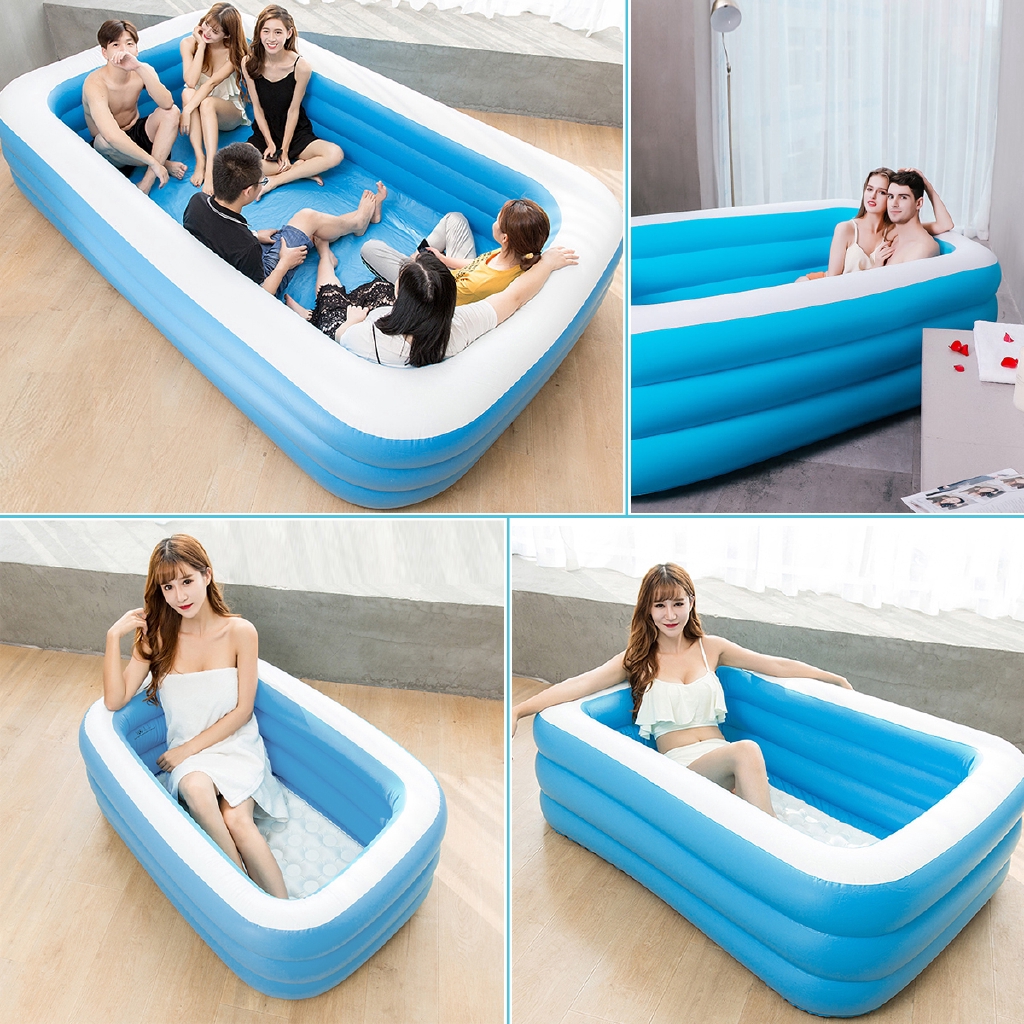
The Right Inflatable Pool Fabric Is Not Chosen by Thickness Alone
Many purchasing teams ask for “0.4mm PVC” or “0.6mm PVC” first. Thickness is important, but it is only one part of the decision. A reliable inflatable swimming pool material should match the pool wall design, air chamber size, water load, welding method, folding frequency, target retail price and outdoor exposure.
Air Chamber Strength
Ring pools and multi-layer wall pools need stable airtightness, flexible hand feel and seam performance. A material that is easy to inflate but weak at weld zones may create leakage complaints after repeated folding.
Water Pressure & Ground Contact
The pool bottom and lower wall carry different stress than the upper ring. For larger pools, reinforced coated polyester or structured composite fabric can help improve tear resistance and dimensional stability.
Outdoor Season Performance
UV exposure, heat, wet storage, pool chemicals and rough ground can accelerate aging. Material selection should include surface treatment, coating formulation and practical care instructions, not only sheet price.
Four Common Material Directions for Inflatable Swimming Pools
Different pool categories need different materials. A small retail family pool is not designed like a commercial rental pool. A soft infant pool does not require the same fabric as a water park pool wall. DERFLEX can recommend roll goods or customized material structures after understanding your finished product design.
- Soft PVC vinyl film for lightweight consumer pools and small seasonal products where soft touch and cost control matter.
- PVC coated polyester fabric for reinforced pools, pool walls, bottoms and larger outdoor structures requiring tensile strength.
- TPU laminated or coated fabric for premium inflatable products requiring flexibility, low-temperature performance and higher material positioning.
- Drop-stitch or composite structures for high-pressure, flat or rigid inflatable panels used in advanced water recreation products.
Quick Recommendation by Pool Type
| Pool Type | Material Direction | Selection Focus |
|---|---|---|
| Kids / family inflatable pool | Soft PVC or PVC coated fabric | Comfort, weldability, low odor direction, color stability |
| Pet pool / garden pool | Reinforced PVC coated polyester | Scratch resistance, bottom strength, easy cleaning |
| Large family pool | Reinforced PVC composite | Wall support, tear strength, anti-UV surface option |
| Commercial rental pool | Heavy-duty PVC coated fabric | Frequent setup, seam reinforcement, repairability |
| Premium / special pool | TPU or TPU/PVC hybrid design | Flexibility, premium feel, performance positioning |
Key Specifications to Confirm Before Ordering Inflatable Pool Fabric
For OEM purchasing, the specification sheet should be built around product design, not copied from another pool. The following checkpoints help reduce sampling mistakes and improve repeat-order consistency.
| Specification Item | Why It Matters | Recommended Discussion with DERFLEX |
|---|---|---|
| Thickness & weight | Influences puncture resistance, folding feel, shipping weight and cost. | Share target pool size, wall height, price segment and packaging target before choosing mm or GSM. |
| Base fabric structure | Polyester or nylon reinforcement controls tensile strength, tear resistance and dimensional stability. | Select base fabric for bottom, wall and high-stress air chamber zones separately when needed. |
| Coating / film formulation | Determines waterproofing, airtightness, flexibility, odor direction, UV resistance and weldability. | Confirm whether the pool targets seasonal retail, premium outdoor, commercial rental or water park use. |
| Welding compatibility | Pool leakage often starts from weak seams, valve bases, corners or stressed welded lines. | Test material with your actual HF welding, hot-air welding or heat sealing equipment before bulk purchase. |
| Surface finish | Glossy, matte or embossed surfaces affect appearance, cleaning, slip feeling and printing performance. | Choose surface texture according to pool floor, outer wall, brand design and target user experience. |
| Outdoor resistance | Sunlight, heat, moisture and storage conditions influence service life and customer reviews. | Discuss UV treatment, cold flexibility, mildew direction and material care instructions for your market. |
| Color & branding | Color consistency affects brand image and repeat orders for retailers and private-label programs. | Provide Pantone direction, artwork, logo position and printing method for sampling. |
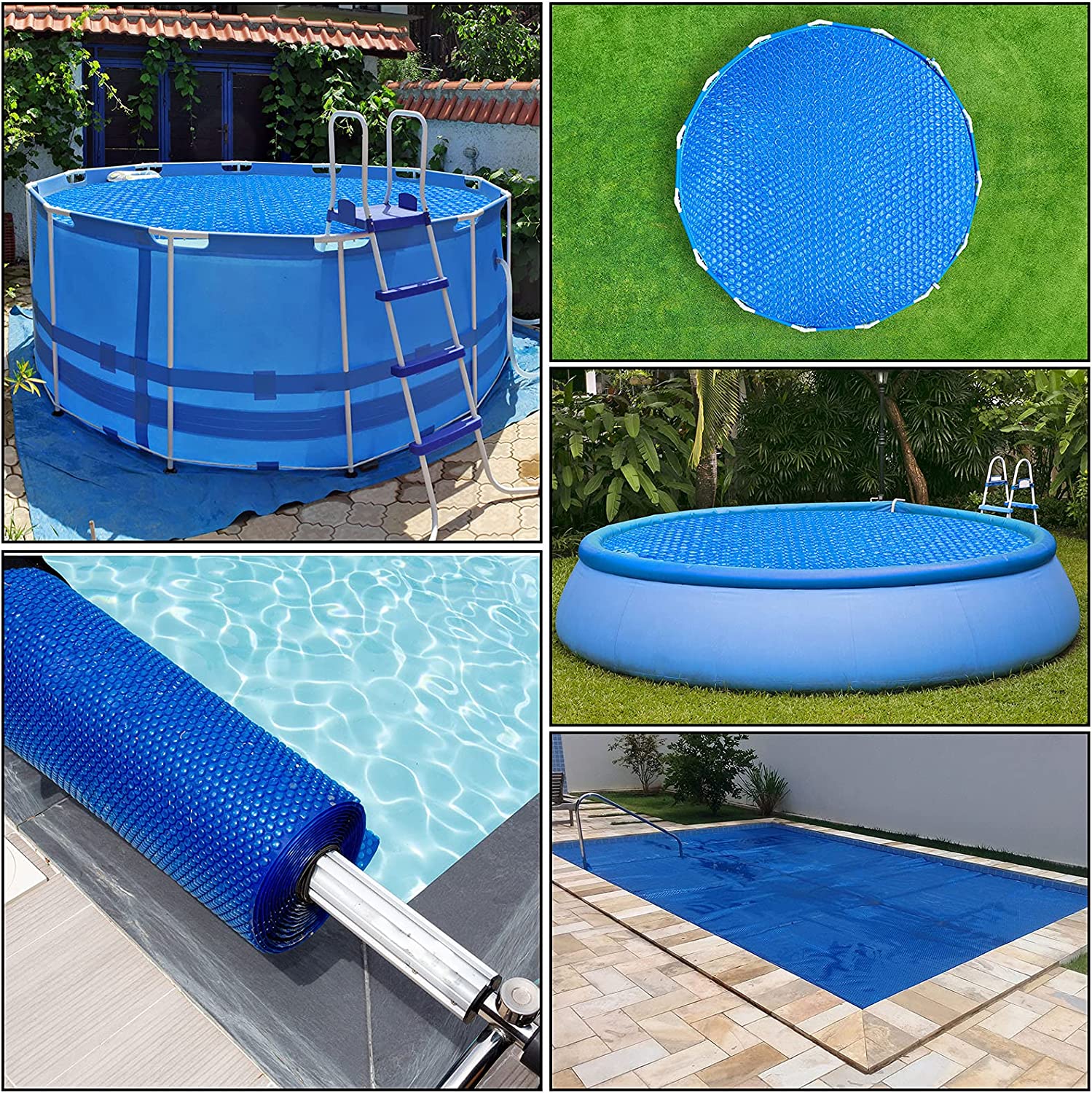
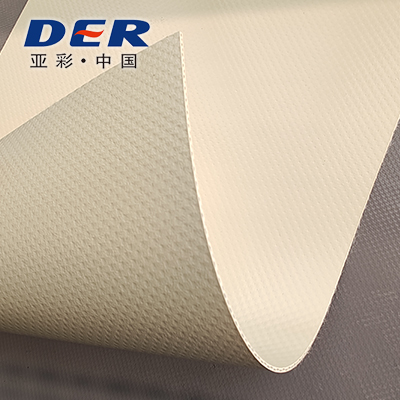
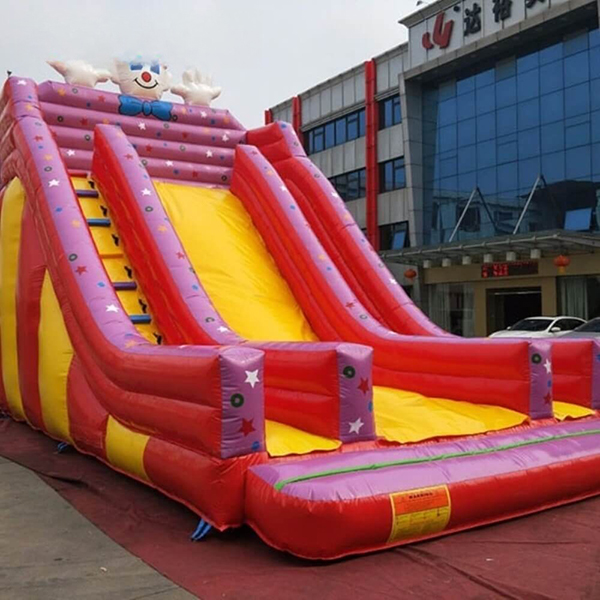
Choose Fabric According to the Pool Construction
The same finished pool can contain several materials. A practical specification may combine a softer top ring, stronger side wall, reinforced bottom layer and different surface finish for printing or comfort.
Top Air Ring
Requires softness, airtightness and repeated inflation performance. Welding around the valve base should be verified with your production equipment.
Soft touchAirtightSide Wall
Needs enough dimensional stability to hold water pressure and resist deformation. Larger pools often benefit from reinforced coated fabric.
Tear strengthUV optionPool Bottom
Faces ground abrasion, stones, folding marks and cleaning. A heavier or textured bottom material can be considered for pet pools and commercial use.
AbrasionCleaningPrinted Outer Panel
For branded pool programs, surface smoothness, ink adhesion and color consistency should be tested before approving bulk rolls.
Brand colorPrintingWhy Pool Manufacturers Work with DERFLEX
DERFLEX focuses on coated and laminated technical fabrics for inflatable, waterproof and outdoor applications. Instead of selling one standard sheet for every pool, we help buyers match material structure to production process, end-use environment and commercial target.
For inflatable swimming pool projects, DERFLEX can support PVC coated polyester, TPU coated or laminated fabric, airtight tarp structures, custom color, surface texture, roll width direction, welding trial support and OEM material development.
Material Engineering
Support for PVC, TPU, coated polyester, laminated structures and special treatments such as UV, FR direction or surface texture after project confirmation.
Weldability Focus
Materials can be reviewed for HF welding, hot-air welding or heat sealing trials so the selected roll fits your production process.
OEM Customization
Color, embossing, surface finish, thickness, coating direction, printing surface and roll packaging can be discussed for private-label programs.
Application Knowledge
DERFLEX supplies materials for inflatable tarps, inflatable boats, pool fabrics, air structures and other water-related coated fabric applications.
PVC vs TPU vs Reinforced Composite: Which Fabric Direction Fits Your Pool?
There is no single material that fits every inflatable pool. The right answer depends on product positioning, expected use, price level, manufacturing method and buyer market.
| Material Direction | Strengths | Typical Pool Use | Procurement Notes |
|---|---|---|---|
| Soft PVC Vinyl Film | Soft, flexible, economical, easy to process for small consumer pools. | Kids pools, small family pools, seasonal promotional products. | Confirm odor direction, thickness tolerance, weld performance and package folding test. |
| PVC Coated Polyester Fabric | Higher tear strength, improved dimensional stability and better suitability for larger products. | Large family pools, pet pools, commercial pools, inflatable water structures. | Check base fabric density, coating adhesion, UV option and seam strength. |
| TPU Coated / Laminated Fabric | Flexible, abrasion-resistant direction, premium product positioning and strong heat-sealing potential. | Premium inflatable products, air bladders, special water recreation designs. | Requires confirmation of TPU grade, layer thickness, bonding strength and processing temperature. |
| Drop-Stitch / Reinforced Composite | Supports high-pressure flat panels and stable shape in special inflatable structures. | SUP-style products, rigid inflatable panels, water platforms and advanced pool accessories. | Confirm pressure level, yarn structure, panel height and edge sealing method. |
How to Start an Inflatable Swimming Pool Fabric Project with DERFLEX
A clear project brief helps reduce sampling rounds and material mismatch. The more we know about the finished pool, the more accurately we can recommend a roll structure.
Send Product Use & Size
Share pool shape, capacity, user group, wall height, chamber design, commercial use or household use, and whether the pool will be sold with a cover or repair kit.
Confirm Process & Target Market
Tell us your welding method, production equipment, expected retail segment, color direction and packaging target so fabric selection can match your operation.
Test Samples Before Bulk Rolls
Run welding, inflation, water loading, folding, cleaning and storage tests with your actual design before approving mass production rolls.
Information to Include in Your Inquiry
- Finished pool size, shape and wall height
- Pool type: kids, family, pet, commercial, water park or OEM brand
- Expected fabric thickness / GSM if already defined
- Preferred material: PVC, TPU, reinforced PVC or still open for recommendation
- Welding method: HF, hot-air, heat sealing or other process
- Color, printing, surface texture and packaging request
- Target market and any testing documents required by your buyer
Common Mistakes When Choosing Inflatable Pool Fabric
Only Comparing Thickness
Two materials with the same thickness can perform differently because of resin formulation, reinforcement, coating adhesion, surface finish and production stability.
Ignoring Seam Design
Fabric strength does not automatically equal seam strength. Valve bases, corners, handles, drain holes and multi-layer welds need separate testing.
Using One Fabric Everywhere
A pool bottom may need more abrasion resistance, while the upper ring may need softer hand feel. Multi-zone material design can be a practical option.
Skipping Outdoor Aging Review
Sunlight, heat and wet storage can influence color and flexibility. Outdoor products should consider UV direction and user care instructions.
Approving Color Too Fast
Blue, white and printed panels may look different after welding, folding and water contact. Confirm color samples under actual lighting and production process.
No Packaging Fold Test
Retail products are folded tightly for shipment. A fabric sample should be checked after repeated folding, compression and unpacking.
Need Fabric for an Inflatable Swimming Pool Project?
Send your product drawing, target pool size, material direction and production method. DERFLEX will help you review suitable PVC, TPU or reinforced coated fabric options for sampling and quotation.
Explore Related Materials and Applications
Use these internal pages to understand nearby material directions before finalizing your inflatable pool fabric specification.
Questions About Inflatable Swimming Pool Fabric
What fabric is commonly used for inflatable swimming pools?
Common options include soft PVC vinyl, PVC coated polyester fabric, TPU coated or laminated fabric and reinforced composite structures. Small seasonal pools often use soft PVC, while larger or commercial pools may require reinforced coated fabric.
Is thicker inflatable pool fabric always better?
Not always. A thicker material can improve puncture resistance, but it may also increase cost, weight and folding stiffness. The better selection depends on pool design, seam layout, base fabric strength, coating adhesion and welding performance.
Should I choose PVC or TPU for an inflatable pool?
PVC is widely used for cost-effective inflatable pool production and reinforced pool structures. TPU is often considered for premium inflatable products requiring flexibility, high material positioning or special performance requirements. DERFLEX can help compare both directions based on your finished product.
What fabric is suitable for commercial inflatable pools?
Commercial or rental pools usually need reinforced PVC coated polyester fabric with strong welding compatibility, tear resistance, UV direction and repairability. The exact specification should be confirmed by sampling and load testing.
Can DERFLEX customize color, thickness and surface texture?
Yes. DERFLEX can discuss custom thickness, GSM, color direction, glossy or matte finish, embossed texture, surface treatment, roll width and OEM packaging after reviewing the application and sample requirements.
How can I request a fabric recommendation?
Send your pool size, drawings, material target, expected market, welding method and testing requirements through the DERFLEX Request A Quote page. Our team can recommend suitable material directions for sample testing.