


PVC film material sourcing
For converters and OEM buyers
Interior surface protection · PVC film roll material
PVC Shelf & Drawer
Liner Material
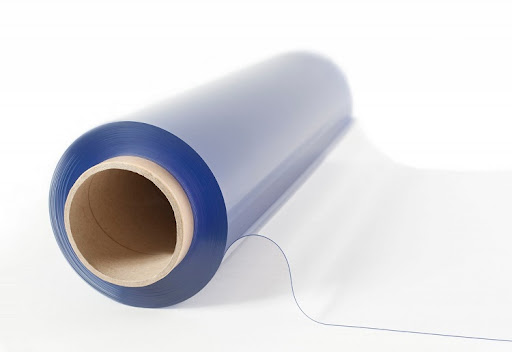
Specify PVC shelf liner rolls around the surface they will protect and the way you will convert them. For cabinet-accessory brands, importers and converters, the important choices are solid-film construction, thickness, top finish, reverse-side behavior and usable roll width. Use this specification route to discuss a waterproof drawer liner or a non-adhesive shelf liner material with DERFLEX, then qualify the exact grade against your cabinet finish and intended use.
Supply scope: PVC film roll material for evaluation and converting. A dedicated shelf-liner grade, embossed pattern, grip treatment or retail-ready format requires sample and quotation confirmation.
01 / Start with the construction
Solid film and open-grid liners solve different problems
A shelf or drawer liner is a removable layer placed over a storage surface. For a continuous spill barrier, the starting point is an intact solid sheet. A textured open-grid mat may support a grip or cushioning brief, but its openings allow liquid to reach the shelf.
Solid PVC film
A continuous film face can separate the covered shelf area from a spill when the selected material is intact and passes the agreed exposure check. It can still leak around edges, cutouts and joins. It does not turn a flat cabinet into a containment tray.
Open-grid or foam mesh
The open construction is a different material category. Grip, cushioning and airflow must be assessed separately from spill protection. A mesh liner should not inherit a solid film's water-barrier description merely because both contain PVC.
This page focuses on solid film roll stock. For the broader material platform, review DERFLEX's flexible PVC film options. Foam mesh, adhesive-backed décor and finished undersink trays are separate sourcing briefs.
02 / Face and reverse side
Choose the finish for cleaning, contact and handling
Surface appearance and friction are related design variables, but they are not interchangeable specifications. An embossed top face may change how an item rests on the liner without controlling how the liner moves against a painted shelf. Describe both sides of the material.
| Finish direction | Why a buyer may consider it | What the sample must resolve |
|---|---|---|
| Smooth / clear | Visibility of the shelf below and a continuous wiping surface. | Haze, visible scuffing, wet contact, blocking and lift-off behavior after dwell. |
| Matte / frosted | A softer visual finish where gloss is undesirable. | Appearance after wiping, stain visibility and consistency between rolls. |
| Embossed / textured | A raised or recessed surface pattern for the intended look and feel. | Pattern depth, debris in recesses, cleaning access, roll flattening and measured grip. |
| Printed / colored | Coordination with cabinet interiors or a brand's design collection. | Color master, print rub, transfer to the substrate and compatibility with cleaners. |
These are evaluation directions, not a confirmed shelf-liner pattern catalogue. DERFLEX publishes related surface capabilities in its PVC calendered film range. Pattern-specific tooling and availability need separate review.
Non-adhesive does not establish non-slip performance
For this brief, “non-adhesive” means no pressure-sensitive adhesive layer. It does not guarantee grip, residue-free removal, stain resistance or compatibility with every furniture finish. Record the top surface, reverse surface, actual load and cabinet substrate when assessing movement or marking.
03 / Define the material
A specification that a converter can purchase against
Specify the finished function first, then agree a film grade and measurable acceptance limits. Broad industrial film ranges are not a shelf-liner specification. The fields below are an RFQ framework; no dedicated shelf-liner thickness, width, MOQ or performance rating is asserted here.
| Purchase field | State in your brief | Reason it matters |
|---|---|---|
| Construction | Solid PVC film; no pressure-sensitive adhesive; any backing identified separately. | Separates film stock from mesh, laminated mats and adhesive décor. |
| Thickness, mm | Nominal gauge, tolerance and measurement method; clarify base thickness versus embossed overall thickness. | Prevents unequal quotes and ambiguous readings on textured samples. |
| Flexibility / flatness | Reference sample, drawer clearance and agreed conditioning before inspection. | Controls the tradeoff between handling, edge curl and the intended fit. |
| Top and reverse surfaces | Finish master, gloss or haze target, texture direction and substrate-contact side. | A good-looking face does not establish reverse-side behavior. |
| Useful width and length | Usable web width, trim allowance, roll length, core and maximum handling weight. | Aligns the parent roll with the slitter, cutter and packing process. |
| Appearance and defects | Approved color or clear master; agreed limits for gels, specks, pinholes, scratches and splices. | Creates a repeat-order acceptance reference. |
| Evidence and packing | Destination, intended contact, requested reports, identification and packaging scope. | Connects documentation and traceability to the material actually purchased. |
Compare appearance terminology with the clear vinyl film material guide. If a print or decorative layer is required, specify it as part of the construction and review the separate printed decorative PVC sheet sourcing guide.
04 / Match the storage environment
Specify the contact conditions, not just “kitchen use”
Cabinet shelves and household drawers
Start with shelf dimensions, drawer travel and the objects placed on top. Evaluate movement under repeated opening, edge curl near the front and the ability to lift the liner for cleaning. Test contact with the actual lacquer, laminate, painted board, glass or metal finish.
Bathroom and utility storage
Specify the expected splash, cleaning product and dwell time. A solid sheet can leave moisture trapped underneath; include a routine for lifting, inspection and drying. Do not treat the liner as a repair for a leaking cabinet or damaged surface.
Tool and accessory drawers
Consider concentrated loads, sharp edges and contact with oils or plastic accessories. Puncture, staining and indentation need their own checks. A water-barrier observation does not demonstrate chemical resistance.
Food contact requires evidence for the exact material
Direct food-contact suitability has not been established for the material discussed here. Do not specify direct food contact without evidence covering the actual formulation, finished construction, intended food, contact time, temperature and destination requirements. Clear appearance, low odor, a “BPA-free” statement or a general substance declaration is not a substitute for that assessment.
05 / Approve the sample
Check the liner and the cabinet surface together
Use a sample from the proposed grade and identify its batch. Agree the exposure conditions and pass/fail criteria before ordering. The checks below are practical qualification topics, not a claim that DERFLEX has completed these tests or that an informal screen is a certification.
| Check | Set up with the buyer | Record before approval |
|---|---|---|
| Water barrier | Intact film on an observable support; defined liquid, quantity and exposure time; inspect edge bypass separately. | Any through-film leakage, pinholes or underside wetting and its cause. |
| Movement / grip | Actual substrate and stored item; stated load, dry or damp condition and repeatable drawer motion. | Displacement of the liner and of the item as two separate observations. |
| Surface compatibility | Actual finished board under representative load, dwell and temperature. | Sticking, gloss change, staining, transfer and any mark after removal. |
| Cleaning / stain response | Named cleaner and dilution, contact time, wiping method and drying routine. | Color change, print transfer, tackiness, residue and surface change. |
| Flatness / converting | Agreed conditioning after unrolling; trial with the intended slitter, cutter and winding direction. | Edge lift, size change, cut quality, blocking and usable yield. |
Retain an approved master and define how bulk lots will be compared with it. The clear PVC roll procurement guide provides broader context on grade selection and roll supply; its application ranges must not be treated as shelf-liner test results.
06 / Plan the roll before comparing price
Useful width can matter more than nominal roll area
A low price per kilogram or square meter can conceal poor cutting yield. Compare quotes at the same thickness, useful width, surface specification and roll format. Account for edge trim, defects, splices and downstream packaging before calculating cost per saleable liner.
For a plain slit-roll layout, first calculate complete lanes across the usable parent width. With directional embossing or print, the allowable orientation also belongs in the cutting plan. Confirm core, winding direction, web tension and storage guidance during the trial.
For related clarity and roll-format choices, see transparent PVC film roll specifications.
Illustrative width calculation
Three 400 mm lanes in a 1,250 mm usable web
3 × 400 mm = 1,200 mm
Remainder = 50 mm = 4.0%
Calculation example only, not available DERFLEX sizes. It assumes no space between lanes and excludes knife allowance, additional trim, defects, splices and length loss. The 4.0% is the unallocated width share, not a forecast of total production waste.
07 / Before you order
Send an application brief that leads to a comparable quotation
Show the shelf and what touches it
Send a cabinet photo or sketch, dimensions, substrate finish, typical contents and exposure to water, cleaners or oils. State whether any direct food contact is intended.
Approve the grade, both surfaces and acceptance checks
Provide a reference liner or physical finish sample where possible. Agree thickness and tolerance, appearance, flatness, substrate compatibility and the tests needed for the claims you plan to print.
Separate film rolls from further converting
List usable width, roll length, quantity by specification, destination and required date. Ask separately about slitting, precut pieces, printing, labels and retail packing. Confirm MOQ, sample terms and lead time in the actual quotation.
Copy into your inquiry
- Use and cabinet substrate
- Solid-film construction and reference sample
- Thickness, tolerance and finish on each side
- Usable width, roll length, core and quantity
- Water, cleaning, grip and surface-contact conditions
- Required claims, reports and destination market
- Converting, packing and delivery scope
DERFLEX's published PVC film platform is a starting point for material discussion. Dedicated shelf-liner supply and performance are agreed against the selected sample and order specification.
08 / Buyer questions
PVC shelf and drawer liner FAQ
Is a PVC shelf liner waterproof?
An intact solid PVC film can provide a barrier across its covered area when the selected grade passes the agreed water-exposure check. Cut edges, joints, holes and uncovered shelf areas remain potential water paths. Open-grid PVC liners allow water through and should not be sold as continuous spill barriers.
Does non-adhesive mean the liner will not slide or mark a cabinet?
No. Non-adhesive means no pressure-sensitive adhesive layer is specified. Grip, sliding, blocking and marking still depend on the formulation, surface texture, load, temperature, contact time and cabinet finish. Evaluate the liner on the actual substrate before approving claims.
What thickness should I specify for drawer liner material?
Start with the required handling, drawer clearance, flatness and roll format, then compare physical samples. Record nominal thickness, measurement method, tolerance and whether embossed peaks are included. There is no single thickness that suits every shelf or drawer, and no shelf-liner thickness range is confirmed on this page.
Can this PVC material be used in direct contact with food?
Direct food-contact suitability has not been established for the material discussed here. Do not use it for direct food contact unless evidence covers the exact formulation, finished construction, intended food, contact time, temperature and destination requirements. Clear appearance, low odor or a general material declaration does not establish that suitability.
What information is needed to quote PVC shelf liner rolls?
Send the intended use, solid-film construction, reference sample, target thickness and tolerance, surface and reverse-side requirements, usable width, roll length, quantity and destination. Include the cabinet substrate, any downstream printing or slitting, packaging scope and the claims or tests required for the finished liner.
Does the quotation include finished retail drawer liners?
This page addresses PVC film roll material for evaluation and converting. Precut pieces, slitting, printed designs, labels, retail packing and finished liner supply are separate items to discuss and confirm in the quotation. They are not automatically included with a parent roll.
From application brief to an approved material
Bring the shelf, surface and roll requirements together
Send your intended use, reference sample, roll dimensions and quantity. Ask DERFLEX to review the material direction, sampling needs and supply scope before committing to a finished liner program.