Product Engineering
Confirm usable dimensions, wall height, chamber arrangement, seats, canopy, drain positions, valve type, entry concept and accessory interfaces before tooling or cutting.



Build a custom inflatable swimming pool program around the product your market actually needs: pool format, usable size, chamber structure, PVC or TPU material direction, welding process, graphics, accessories, packaging and inspection requirements.
A capable inflatable pool supplier should be evaluated on more than unit price. Check how the supplier defines the material system, translates drawings into chamber and seam layouts, validates welding, controls air and water leakage, manages graphics and accessories, documents inspection criteria, and keeps the approved specification stable for repeat orders. DERFLEX supports inflatable pool projects with coated-material engineering, custom product development, OEM presentation and project-specific production coordination; final manufacturing scope and compliance documents are confirmed for each project.
Two suppliers can quote the same nominal pool size while proposing very different material, seam, valve, floor and quality-control decisions. For importers and private-label brands, the useful factory conversation starts by freezing the complete product specification.
Confirm usable dimensions, wall height, chamber arrangement, seats, canopy, drain positions, valve type, entry concept and accessory interfaces before tooling or cutting.
Match PVC film, reinforced PVC coated fabric or TPU-based materials to the pool size, folding requirement, price tier and seam process. Sample welding should be validated on the actual production material.
Freeze approved color, thickness or GSM, artwork, seam widths, valve positions, warnings, packaging and inspection criteria so later orders are not reinterpreted from a reference photo.
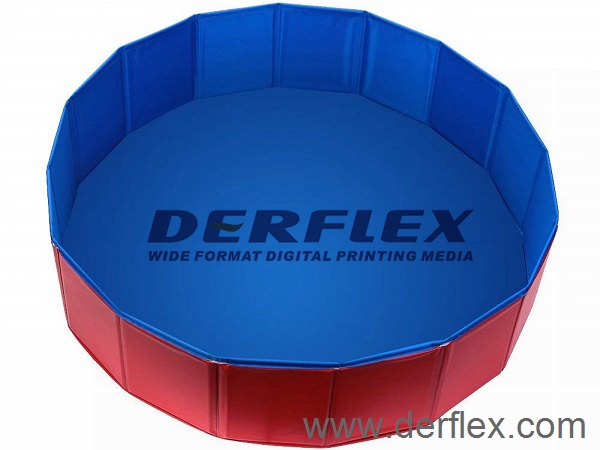
Product category comes before material selection. A compact kiddie pool, a 6-person family pool and a large commercial-use inflatable structure do not impose the same loads, carton limits or inspection risks.
Inflatable pool material affects air retention, weld behavior, folding, surface feel, abrasion resistance, color appearance and production yield. DERFLEX already supplies PVC and TPU coated materials for inflatable pool OEM programs.
Often suited to seasonal consumer pools where soft touch, compact packing, printed decoration and efficient sealing are key buying considerations.
Useful when the design needs a textile-supported structure for larger walls, reinforced zones, more dimensional stability or more demanding handling.
A premium technical direction for projects that value flexibility, selected low-temperature behavior, abrasion resistance or a differentiated material platform.
The ranges below are useful starting points for material discussion. Finished-pool dimensions, material structure and performance requirements must be confirmed against the approved design and sample.
| Specification Area | Development Direction | Buyer Decision |
|---|---|---|
| Pool Format | Rectangular, round, square, oval, lounge, shaded or project-specific shape | Define the intended user, retail channel and installation footprint. |
| Material Structure | Soft PVC / vinyl, reinforced PVC coated polyester, TPU coated fabric or project-specific combination | Match air pressure, folding, wall geometry, cost tier and welding process. |
| Coated Fabric Weight | DERFLEX pool-material references include approximately 550–1200 gsm options for coated fabric programs | Higher GSM is not automatically better; evaluate wall height, chamber design and reinforcement. |
| Coated Fabric Thickness | DERFLEX pool-material references include approximately 0.50–1.20 mm directions | Confirm on the actual structure and weld trial rather than ordering by thickness alone. |
| Surface | Glossy, matte, embossed, lacquered, colored or printed options depending on material | Balance visual positioning, handling, cleaning and print requirements. |
| Fabrication | HF welding, hot-air welding or selected heat-bonding methods depending on material formulation | Freeze weld parameters after trials on the approved production material. |
| Branding | Custom color, logo, graphics, warning panel, labels and packaging | Approve artwork on an inflated sample because geometry changes visual placement. |
| Accessories | Valves, drain, repair patch, pump or filter connection, cover, groundsheet and selected bundles | Confirm compatibility, packaging volume and destination-market requirements. |
| Testing | Project-specific air retention, water holding, seam, appearance, material and third-party checks | Agree acceptance criteria before bulk production. |
This is the procurement section most buyers need before comparing quotations.
Clarify whether material coating, film supply, printing, cutting, welding, assembly, testing and packing are handled internally or by approved subcontractors. The answer changes lead-time control and root-cause responsibility.
A useful quote identifies material structure, thickness or GSM, dimensions, chamber arrangement, accessory list, graphics, packing and inspection basis. A unit price without a frozen specification is difficult to compare.
Ask which process will be used for each seam and reinforcement zone. Trial the actual production material because coating formulation, surface finish and thickness can change weld-window behavior.
Specify how the sample and production units will be checked for air retention and water holding. Do not rely on vague statements such as “leak tested” without a method and acceptance rule.
Graphics on flat panels can shift visually after the chambers inflate. Confirm logo scale, warning panel position and pattern alignment on a functional sample.
Destination-market chemical, labeling, age-grade or product-safety requirements should be identified early. Ask which reports apply to the exact material or finished configuration you are buying.
Carton dimensions, folding sequence, manual, barcode, repair kit and accessory count affect freight, fulfillment and return risk. Approve a packed sample, not only an inflated pool.
Ask how the supplier records approved color, material, seam, artwork and accessories. Repeatability is especially important for seasonal programs reordered months later.
An inflatable pool project becomes easier to control when the commercial brief is converted into measurable checkpoints before bulk production.
Buyer checkpoint: a request such as “10 ft family pool” is incomplete. Confirm whether 10 ft means outside length, outside diameter, usable inside space or simply a retail category label.
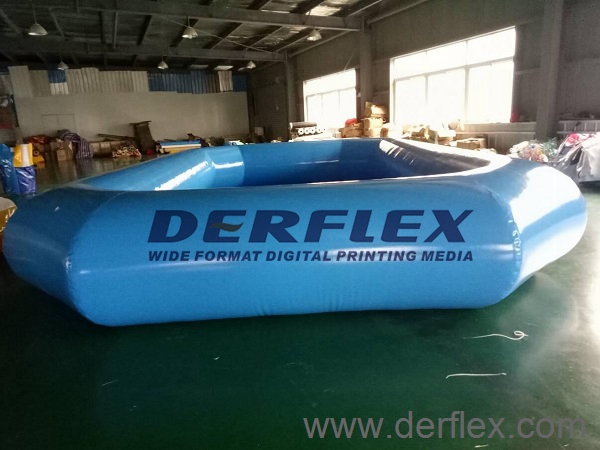
Use product, material and application images together so Google Images and B2B buyers can understand both the finished concept and the material behind it.
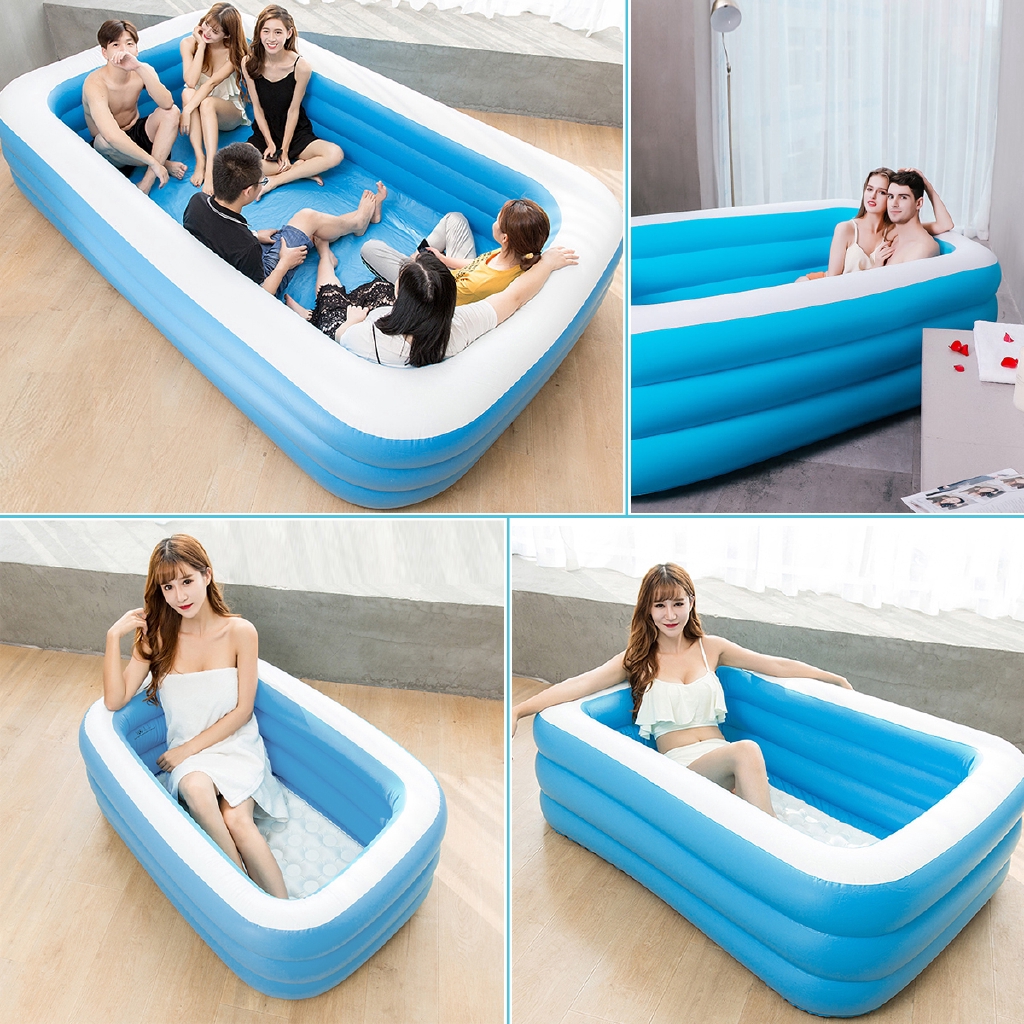
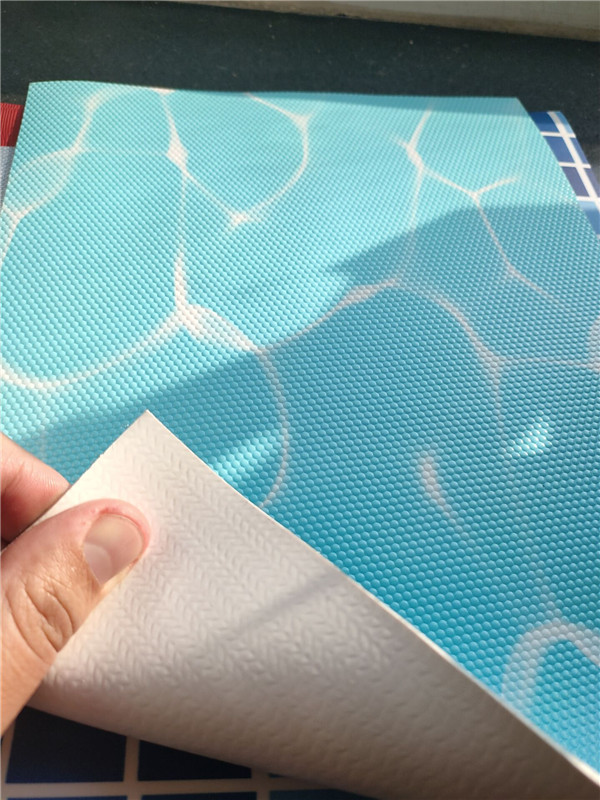
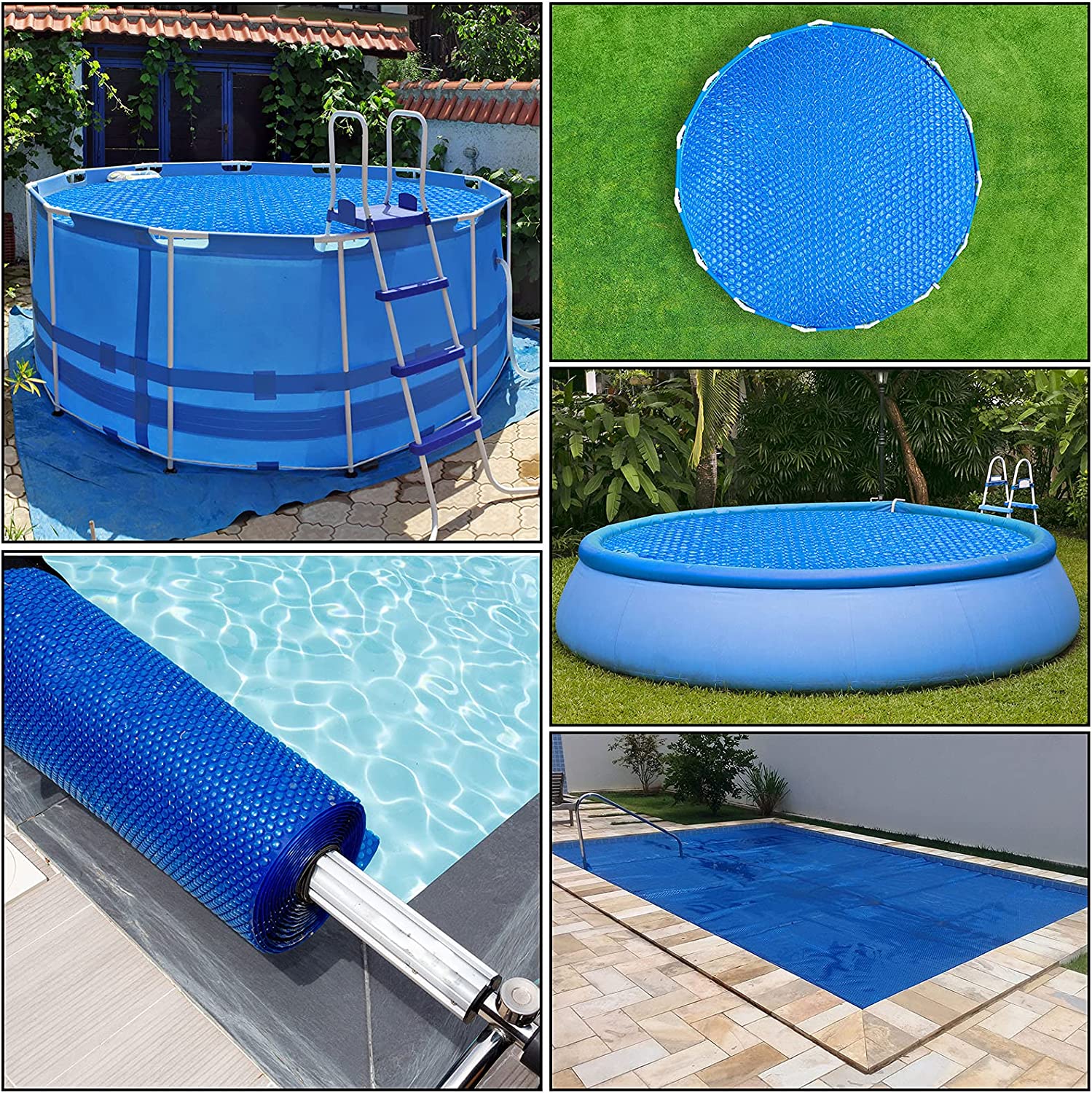
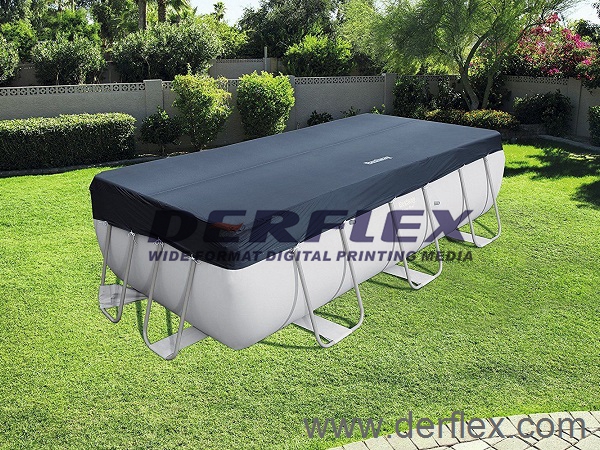
Quality control is more useful when it is written as measurable acceptance criteria tied to the approved sample.
Thickness does not describe base fabric, coating adhesion, chamber geometry, weld design or actual load path.
Larger pools change water load, wall behavior, drainage time and stress at seams. Structure should be reviewed rather than simply enlarged.
If test requirements are introduced after bulk production, materials or warning information may already be locked incorrectly.
Inflation changes curvature and spacing. Critical branding and warning panels should be reviewed on an inflated prototype.
A feature-rich pool may be attractive but commercially difficult if pump, cover, seats and thick material create an oversized retail carton.
A low quote may reflect different material, accessories, inspection or packaging. Normalize the specification before comparing suppliers.
These verified DERFLEX pages help buyers move from finished-pool sourcing to material selection and production planning.
Direct answers for importers, distributors, retailers and private-label product teams.
Start with specification and process capability rather than marketplace badges alone. Ask the supplier to explain material construction, seam process, prototype validation, leakage testing, inspection criteria, packaging and repeat-order controls. Compare suppliers against the same written specification.
Provide pool type, outside and usable dimensions, wall height or waterline, chamber concept, intended users, material preference, colors and artwork, valves and drain, accessories, packaging, destination market, testing requirements, expected quantity and target launch date.
Soft PVC or vinyl is common in seasonal consumer pools. Reinforced PVC coated polyester can be considered for stronger walls or demanding zones, while TPU coated fabric can support selected premium projects. The right choice depends on structure, welding, folding, cost and market requirements.
DERFLEX supports custom material color, printed effects and OEM project development. Finished-product graphics, warning panels, labels and packaging can be reviewed as part of the project; the exact manufacturing scope is confirmed during quotation and sampling.
DERFLEX pool material references support high-frequency welding, hot-air welding and selected heat-bonding processes depending on the material formulation. Production parameters should be confirmed through sample trials on the approved material.
Family pools prioritize household usability, compact packing, seasonal setup and retail presentation. Commercial or repeated-use products may require stronger wall structures, reinforced zones, more robust access and drainage, and a stricter inspection plan.
Not before normalizing the specification. A lower quote may use different material, accessories, printing, inspection or packaging. Compare total product definition, testing and logistics impact instead of unit price alone.
Review usable dimensions, air retention, water holding, drainage, seam appearance, graphics after inflation, valve and accessory function, folding, carton fit, labels and warnings. Keep the approved sample and written specification as the reference for mass-production inspection.
Send DERFLEX your pool type, target dimensions, chamber or structural concept, PVC/TPU material direction, graphics, accessories, quantity, destination market and required testing. The team can review a practical material and product-development route for sampling and quotation.