News
Company News

Is PU Leather 100% Leather? Material Guide | DERFLEX

Update:2026/7/25 22:54:01 Views:
PU Leather Material Guide

Is PU Leather 100% Leather?

No. Standard 100% PU leather is a synthetic leather-look material made with a polyurethane surface system and a textile or microfiber backing—not 100% animal hide.

The wording can still be confusing because PU-coated split leather, bicast leather and bonded leather may contain animal-derived material. The construction and supplier declaration should therefore be checked before purchasing.

Direct answer

PU leather is not 100% natural leather.

“100% PU” normally describes the synthetic surface system—not a product made entirely from animal leather.

In standard synthetic PU leather, polyurethane is formed or coated over a base such as polyester knit, woven fabric, nonwoven material or microfiber. Embossing and finishing create the grain, gloss, color and touch expected from a leather-look material.

Buyers should distinguish this from bicast or PU-coated split leather, where a polyurethane film is bonded to a split-hide backing, and from bonded leather, where leather fibers may be mixed with binders. Those products can contain animal material even though the surface looks similar to synthetic PU leather.
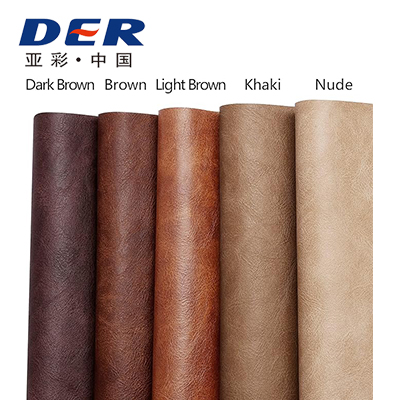
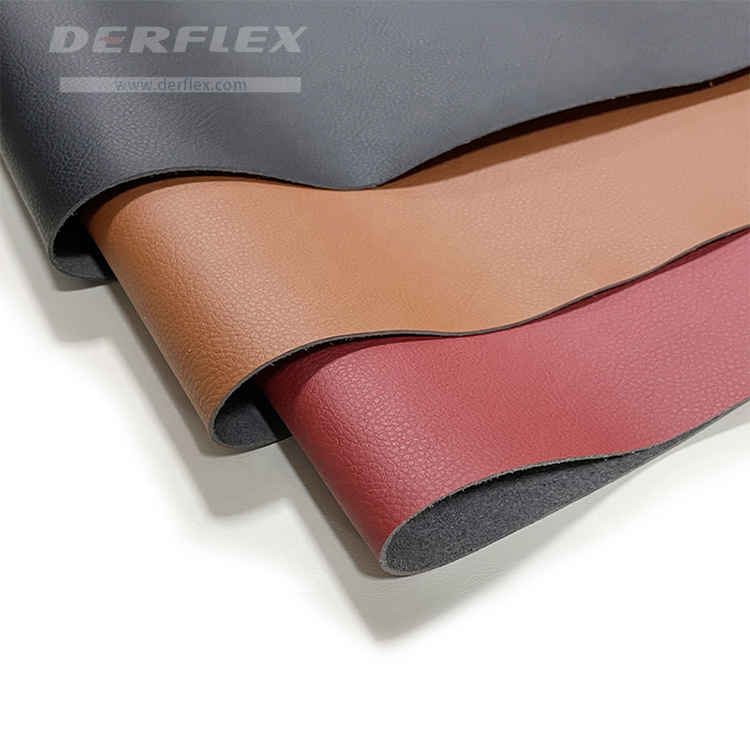
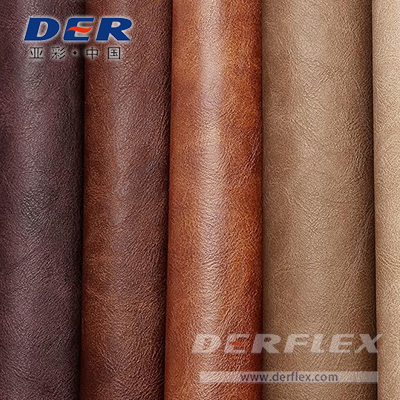
DERFLEX PU and synthetic leather color rolls
DERFLEX PU Leather Roll Material Custom color, grain, backing, thickness and roll supply can be reviewed for OEM programs.
Material structure

What is PU leather actually made of?

PU leather is best understood as an engineered coated textile. Its appearance comes from the surface, while its handling and production behavior also depend heavily on the backing underneath.

Protective finish and leather-look grain
Polyurethane surface or skin layer
Optional foam, adhesive or intermediate layer
Textile, nonwoven or microfiber backing

The backing determines more than buyers often expect.

Two PU leather rolls can have nearly identical color and grain but perform differently when sewn, folded, wrapped, laminated, stretched or upholstered. Knitted backing may support softness and stretch, while woven or microfiber directions may be selected for different strength, stability and premium-touch goals.

Surface chemistry should be identified clearly.
Animal-content status should be confirmed in writing when required.
Backing, thickness and coating should be approved together.
Final suitability should be checked through samples and application trials.
Terminology explained

Why “PU leather” labels can create confusion

Consumer labels and B2B quotations do not always use the same terminology. A precise material description should identify whether the product is fully synthetic, coated split leather or a bonded composite.

01

100% Synthetic PU Leather

Polyurethane-based surface applied to a non-animal textile, nonwoven or microfiber backing.

Usually chosen for controlled color, texture, roll consistency and leather-like appearance.
02

Bicast / PU-Coated Split Leather

A polyurethane surface bonded to split animal hide.

It contains real leather in the backing and should not be described as fully synthetic or animal-free.
03

Bonded Leather

A composite that may combine leather fibers with polyurethane, latex or another binder.

Leather content varies; buyers should request a composition declaration instead of relying on the name alone.
04

Genuine / Natural Leather

Tanned animal hide with natural fiber structure, grain variation and hide-to-hide differences.

Natural leather is a different material category with different yield, care, aging and cost behavior.
Material comparison

100% PU leather vs bicast, bonded and genuine leather

The table below is a sourcing guide rather than a universal performance promise. Exact results depend on coating formulation, backing, thickness, finishing, product construction, use conditions and quality level.

Selection Point 100% Synthetic PU Leather Bicast / PU-Coated Split Bonded Leather Genuine Leather
Animal hide content Normally none when textile or synthetic microfiber backed Yes, split-hide backing Usually contains reconstituted leather fibers Yes, natural animal hide
Surface appearance Highly controllable grain, gloss and color Uniform coated surface Embossed and relatively uniform Natural grain and hide variation
Batch consistency Generally easier to control for OEM roll programs Surface can be consistent; hide backing varies Depends on fiber mix and production control Natural variation is expected
Hand feel Can be adjusted from soft to firm through structure Surface may feel smooth and coated Varies widely by grade Natural tactile character and patina potential
Maintenance Often wipe-clean; cleaner compatibility should be confirmed Surface care depends on coating condition Care varies by topcoat and leather content Often needs leather-specific conditioning and care
Common buyer reason Color control, design range, scalable roll supply and cost planning Leather-backed product with uniform coated appearance Leather-containing composite at a controlled price point Natural material identity, aging character and luxury positioning

Procurement note: do not use “100% leather,” “vegan,” “eco-friendly” or similar claims without verifying the actual composition, current documentation and destination-market labeling requirements.

Product image display

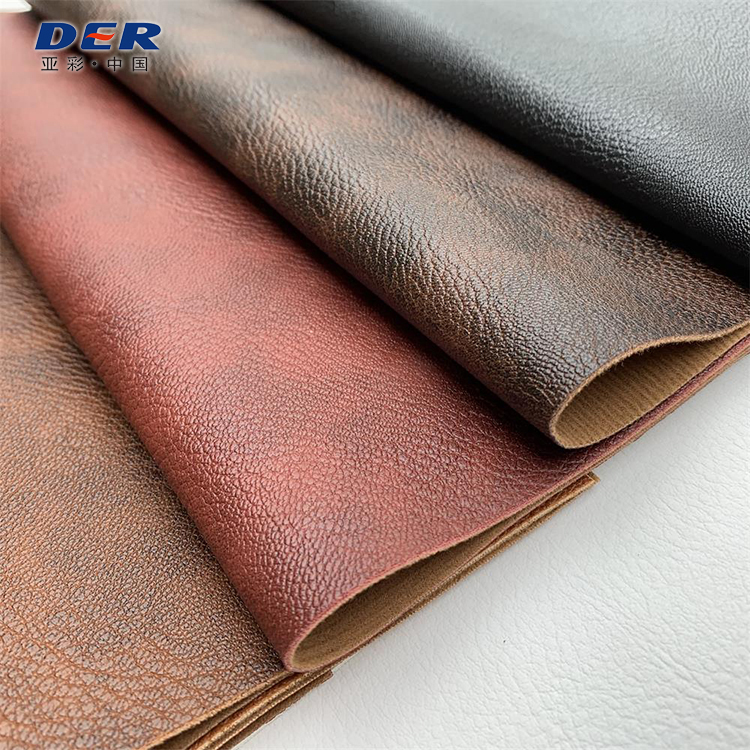
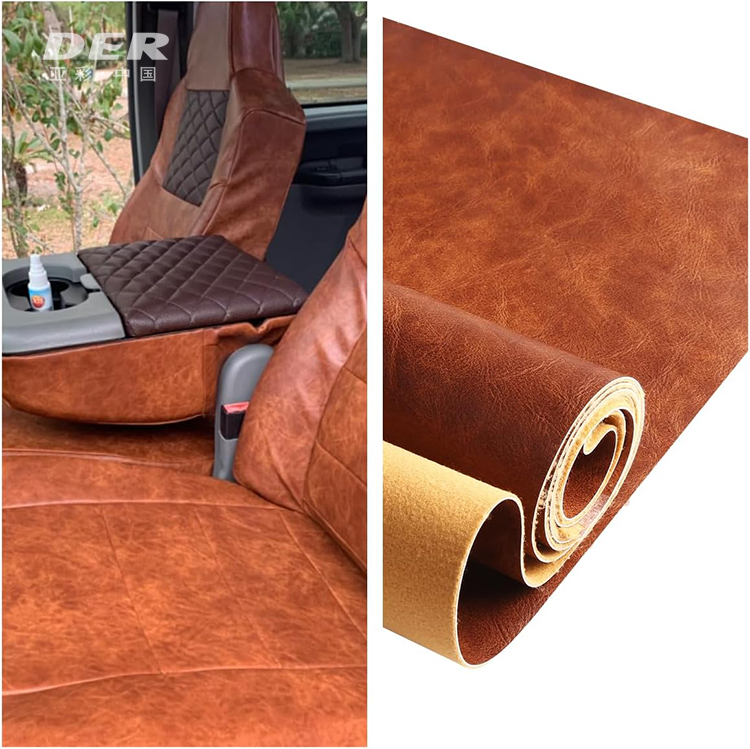
PU and synthetic leather surfaces for different product programs

Images are from the DERFLEX website and show how surface texture, backing, color direction and end-use presentation can vary across synthetic leather systems.

Buyer checklist

How to verify whether a PU leather material contains real leather

Photos and product names are not enough for commercial sourcing. Use the following checks before approving samples, labels or marketing language.

Read the full composition

Ask whether the backing is polyester, cotton, nonwoven, microfiber, split hide or a leather-fiber composite. “PU surface” alone does not identify the whole construction.

Inspect the reverse side

A textile knit, woven structure or synthetic microfiber may be visible on fully synthetic PU leather. Split leather has a different fibrous hide structure.

Request a supplier declaration

When animal-free status matters, obtain written confirmation that no animal hide or leather fiber is used in the selected construction.

Confirm the exact product code

A supplier may sell synthetic PU, bicast, bonded and microfiber materials at the same time. Documentation should match the approved sample and product code.

Check labeling rules

Permitted product names and required disclosures vary by market. The buyer remains responsible for destination-market labeling and finished-product claims.

Test the final application

Composition is only one decision. Abrasion, flexing, hydrolysis, cleaning, heat, UV, sewability and lamination behavior may also need evaluation.

From question to specification

Choose PU leather by the product it will become.

A sofa, car-seat cover, handbag, wall panel and medical mattress do not need the same surface, backing, softness or durability route. DERFLEX can review the end use before recommending a polyurethane leather construction.

Send Your Material Requirements
Application matching

Where custom PU leather materials are used

The final construction should be matched to contact frequency, cleaning, bending, sewing, temperature, moisture and appearance expectations.

Furniture Upholstery

Sofas, chairs, headboards, benches, office seating and decorative panels.

Automotive Interiors

Seat covers, door panels, armrests, headrests, consoles and interior trim.

Bags & Accessories

Handbags, luggage, wallets, belts, cases, notebooks and fashion items.

Hospitality Seating

Hotel furniture, restaurant seating, lounges and contract interior projects.

Medical Furniture

Mattresses, treatment chairs, care seating and selected wipeable surfaces.

Marine & Leisure

Cushions and seating where moisture, mildew and cleaning direction require review.

Wall & Wrapped Panels

Interior panels, retail displays, decorative coverings and laminated surfaces.

OEM Product Programs

Custom sample books, repeated colors, private-label rolls and export packing.

Custom specification

PU leather options buyers can discuss with DERFLEX

The items below are specification directions, not fixed values for every grade. Final construction and performance should be confirmed through the approved sample, technical sheet and required test method.

Material Name
PU leather material, polyurethane leather, synthetic PU leather, faux leather or leatherette roll goods
Surface
Smooth, pebbled, napa-style, lychee grain, saffiano, carbon texture, matte, semi-matte, gloss or custom embossing
Backing
Knitted, woven, nonwoven, polyester base, microfiber direction, foam-backed or application-specific support layer
Color
Standard colors, buyer sample matching, collection development and repeat-order color reference
Thickness & Width
Reviewed according to product structure, cutting layout, equipment, handling and order quantity
Performance Route
Abrasion, hydrolysis, easy-clean, water-resistance, anti-mildew, UV, cold-flex, flame-retardant or antibacterial directions by project
OEM Support
Roll labels, carton marks, sample cards, logo effects, packing, pallet plan and repeat-order reference
Compliance and performance notice: terms such as waterproof, flame-retardant, antibacterial, low-VOC, vegan, REACH-compliant or RoHS-compliant must be linked to the selected product, current report, test method, legal entity and intended market. Request current documentation before making finished-product claims.
OEM workflow

From a leather-look idea to repeatable roll supply

DERFLEX uses an application-led process to align appearance, construction, converting behavior and commercial supply requirements.

STEP 01

Define the End Use

Confirm the finished product, market, cleaning, contact and environmental conditions.

STEP 02

Select the Structure

Review PU surface, backing, thickness, softness, stretch and processing needs.

STEP 03

Develop the Surface

Align color, grain, embossing, gloss, touch and visual positioning.

STEP 04

Approve Samples

Evaluate appearance, handling and relevant application tests be, fore bulk production.

STEP 05

Coordinate Supply

Confirm rolls, labels, packing, documents, delivery plan and reorder reference.

Frequently asked questions

PU leather composition and sourcing FAQ

Answers for consumers, designers, importers, upholstery factories and OEM procurement teams.

Is PU leather 100% leather?

No. Standard 100% PU leather is a synthetic material with a polyurethane-based surface and a textile, nonwoven or microfiber backing. It is not 100% natural animal leather.

Does PU leather ever contain real leather?

Yes, some products described as PU-coated leather, bicast leather or split leather with a PU finish contain animal-hide backing. Bonded leather may also contain leather fibers. Check the full composition and supplier declaration.

Is 100% PU leather automatically vegan?

A fully synthetic PU construction can be animal-free, but the claim should be verified for the exact product. Adhesives, backings, finishes and product labeling should also be reviewed when formal vegan positioning is required.

Is PU leather better than genuine leather?

Neither material is universally better. PU leather can provide controlled color, grain, roll consistency and easier customization. Genuine leather provides natural hide character and different aging behavior. The right choice depends on product design, target market, service conditions and budget.

How can I identify fully synthetic PU leather?

Review the product composition, inspect the backing, confirm the product code and request written confirmation that no split hide or leather fiber is used. Do not rely only on the front surface or the word “PU.”

Can DERFLEX customize PU leather rolls?

DERFLEX can discuss custom color, grain, embossing, gloss, touch, backing, thickness, width, roll packing and application-specific performance directions. Final suitability should be confirmed through the approved sample and relevant tests.

Request a quote

Need a clearly specified PU leather material?

Send DERFLEX your target product, reference sample, color, grain, backing, thickness, processing method and expected order quantity. The team can review a suitable material direction for sampling and quotation.

  • Custom color and embossed grain
  • Backing and thickness review
  • Furniture, automotive, bags and interiors
  • Bulk roll and OEM packing support
  • Sample confirmation before production
Consulting Services
+86-021-54361792 / 54361798
Email
sales@derflex.com