| Material Identity |
Textile-backed PU synthetic leather, microfiber PU leather, nonwoven-backed construction or PU-coated split leather where specifically requested and declared. |
Controls material labeling, animal-content declaration, feel, structure and end-market positioning. |
| Surface Finish |
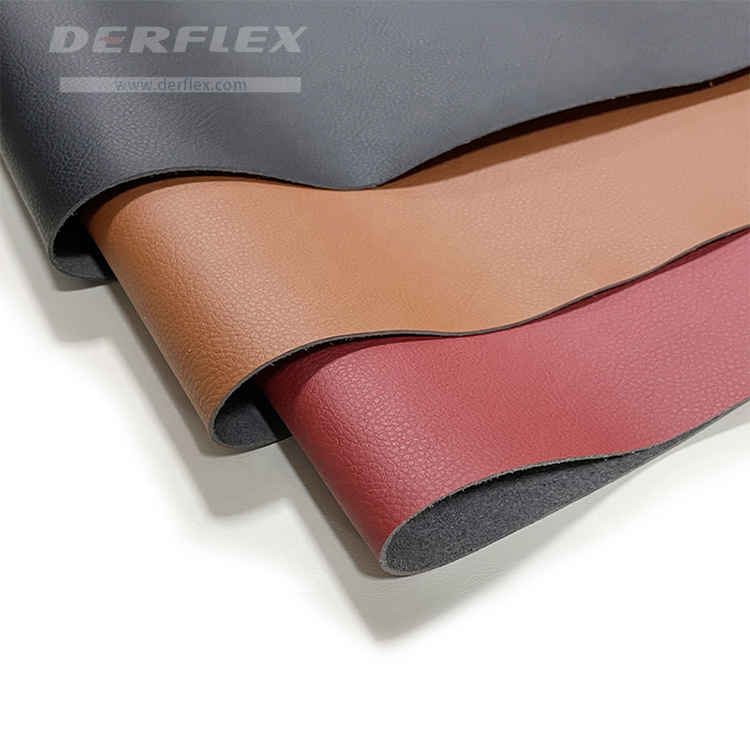
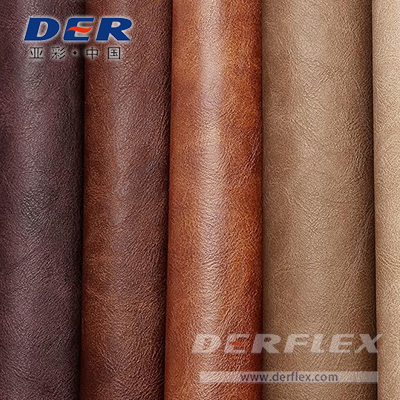
Matte, semi-matte, satin, semi-gloss, gloss, soft-touch, waxy, smooth, pebbled, napa-like, lychee grain, printed or custom embossed finish. |
Sets the visual language and affects perceived quality, cleanability and touch. |
| Backing |
Knitted, woven, nonwoven, polyester, microfiber, foam-laminated or application-specific backing. |
Influences stretch, dimensional stability, sewing behavior, bonding and wrapping performance. |
| Thickness & Weight |
Matched to the reference sample, manufacturing process and final product; tolerance to be written into the approved specification. |
Affects drape, edge profile, sewing setup, panel stiffness and roll yield. |
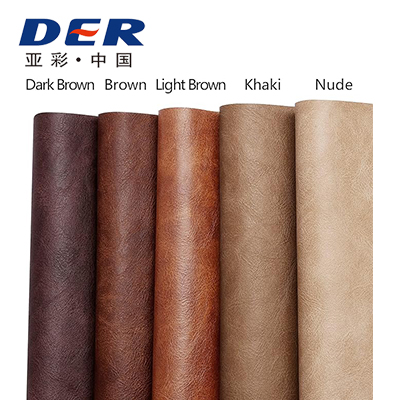
| Color |
Standard range, physical swatch matching, brand color development or coordinated collection colors. |
Supports sample-book consistency, product-line coordination and repeat orders. |
| Hand Feel |
Soft upholstery feel, flexible bag feel, firmer panel direction, padded touch or application-specific tactile target. |
Changes customer perception and processing behavior even when two surfaces look similar. |
| Performance Route |
Abrasion, flexing, hydrolysis, stain resistance, water resistance, anti-mildew, UV, low-temperature flexibility, flame-retardant or antibacterial direction by project. |
Tests must match the real environment and named standard; visual inspection alone is not enough. |
| Supply Format |
Sample swatches, sample rolls, bulk rolls, custom roll length, label, carton or woven-bag packing and export marks. |
Helps factories manage receiving, cutting plans, warehouse handling and private-label programs. |