News
Company News

Roll-Off Container Tarps | Waste & Recycling Truck Covers | DERFLEX

Update:2026/9/4 18:43:37 Views:
Waste & Recycling Fleet Replacement Covers

Roll-Off Container Tarps — Waste & Recycling Truck Covers

Custom roll-off container tarps for waste, recycling, construction debris and fleet replacement programs. DERFLEX supplies breathable coated mesh, solid PVC-coated polyester and system-ready finished covers built around the actual container, tarp mechanism and repeat wear zones.

  • Replacement tarps made to drawing or measured old cover
  • Mesh or solid PVC according to cargo and weather exposure
  • Custom pockets, hems, webbing, grommets and wear reinforcement
  • OEM / distributor / fleet repeat-order supply
Product Definition

Specify the Cover Around the System, Not Just the Dumpster Size

Roll-off truck covers operate as moving components. They are pulled, rolled, lifted or carried over containers that may vary in height, cargo profile and loading condition. A nominal 20-, 30- or 40-yard container description alone does not define the correct finished tarp.

For a useful replacement specification, buyers should confirm the finished cover length and width, deployment method, roller or pull-bar pocket geometry, side flaps, attachment points and the areas that repeatedly rub against arms, rails, bows or container edges. That information is more valuable than ordering only by a generic catalog size.

DERFLEX focuses on the tarp material and fabricated cover. Mechanical components such as motors, hydraulic arms, controls and vehicle-specific metal hardware should be confirmed separately with the tarp-system or truck-equipment supplier unless specifically included in a project.

Waste & Refuse Daily route cycles, dirty surfaces and repeated movement make edge design important.
Recycling Light recyclables often favor breathable mesh to reduce wind pressure and ballooning.
C&D Debris Irregular or abrasive loads call for deliberate wear-zone reinforcement and correct cover clearance.
Fleet Replacement One approved drawing can become the repeat standard for future dealer, fleet or OEM orders.

For the broader truck-tarp sourcing category, see DERFLEX truck tarp manufacturing and custom fleet cover options.

Selection Matrix

Mesh vs Solid PVC: Match the Tarp to the Waste Stream

The material choice should follow cargo behavior, weather exposure, handling weight and the tarp mechanism. Heavier is not automatically better if the system has to roll and cycle smoothly.

Operating Condition Recommended Direction Why It Fits What to Confirm Before Ordering
Cardboard, plastics, green waste, light dry recyclables Heavy-duty coated mesh Air can pass through the cover, helping reduce ballooning and keeping the assembly easier to handle. Mesh openness, finished weight, edge reinforcement, side-flap design and system travel.
Fine waste, wet material, rain-sensitive loads Solid PVC-coated polyester Provides a non-porous sheet surface and stronger weather-barrier direction than open mesh. Sheet weight, seam layout, pocket construction, drainage/overlap details and actual water-protection requirement.
Construction and demolition debris Heavy-duty mesh or reinforced solid cover Selection depends on abrasion, sharp edges, load height and whether weather sealing is required. Known snag zones, container-edge contact, extra webbing, corner patches and clearance over peaked loads.
High-cycle municipal or commercial routes System-matched mesh / PVC with localized reinforcement Repeated opening and closing concentrates fatigue at pockets, hems and attachment points. Cycles per shift, roller/pull geometry, historical failure points and approved repeat drawing.
Dealer / distributor replacement program Documented SKU family by system and finished size Repeatability matters more than a vague “heavy duty” description. Approved sample, drawing revision, label, packing, color and batch identification.

Mesh tarps are breathable and should not be described as waterproof. A solid PVC tarp can provide a waterproof sheet surface, but water protection of the complete installed cover also depends on seams, openings, overlaps, hardware penetrations and installation.

Procurement Specification

Roll-Off Container Tarp Specification Framework

Use this as an RFQ framework. Final values should be confirmed from the actual truck system, existing tarp, drawing, cargo and project requirement rather than copied from a generic listing.

Specification Item DERFLEX Supply Direction Buyer Decision
Material Heavy-duty coated mesh; solid PVC-coated polyester; project-specific reinforced construction. Prioritize airflow, weather barrier, abrasion behavior or a balance of these factors.
Solid PVC Weight Project-based; heavy-duty truck tarp programs can be discussed around application-appropriate PVC grades. Do not increase weight without checking system handling, torque, flex and roll behavior.
Finished Size Made to drawing, approved sample or measured replacement cover. Provide finished tarp length/width rather than only nominal container volume.
Pockets / Sleeves Roller, pull-bar, pipe or custom pockets can be fabricated to confirmed geometry. Record inside circumference/diameter, pocket depth, opening direction and reinforcement.
Edge Reinforcement Folded hems, webbing, double layers, wear strips and local patches according to system stress. Mark high-friction and high-tension zones on photos or drawings.
Attachment Details Grommets, webbing loops, straps, rope edges, D-rings or project-specific attachment layouts. Confirm spacing, location, reinforcement and whether hardware is supplied with the tarp.
Color / Branding Project-based colors, labels, logo marking and private-label packing can be discussed. Provide artwork, identification method and repeat-order packaging requirements.
Functional Options UV, low-temperature, anti-mildew or other formulations may be available according to material specification. State the operating climate and any required test method before quotation.

For breathable cover construction, compare heavy-duty mesh truck tarp material. For a solid weather-barrier direction, review PVC tarpaulin for truck covers.

Replacement Engineering

How to Measure a Roll-Off Replacement Tarp

The most reliable replacement program starts with the working cover geometry, not the nominal container label.

01

Identify the System

Record whether the cover is deployed by roll-off gantry, pivot arms, roller tube, cable/sliding system, pull bar or another mechanism. Include open and closed photos.

02

Measure the Existing Tarp

If the old tarp fit correctly, record finished length and width after laying it flat without excessive stretch. Mark front, rear, left and right orientation.

03

Document Pockets

Measure pocket depth, inside circumference or bar/tube size, opening direction and the position of any reinforcement, stitching or welded seams.

04

Map Attachment Points

Record grommet centers, straps, loops, D-rings, ropes and side flap geometry. A simple dimensioned sketch prevents avoidable fit errors.

05

Mark Wear & Failure Areas

Photograph recurring tears, abrasion marks and stretched zones. The replacement should not automatically reproduce a weak construction detail.

06

Confirm Cargo & Duty Cycle

State the waste stream, route conditions, climate and approximate deployment frequency so material and reinforcement can be matched to real use.

If the fleet uses multiple mechanisms, the truck tarp systems material guide explains why pockets, reinforcement and fabric behavior change with the deployment method.

Engineering Notes

Reinforce the Failure Zones Instead of Only Adding Fabric Weight

On a moving roll-off tarp, localized interfaces often fail before the center panel. The more useful design question is where the cover bends, pulls, rubs and changes direction during every cycle.

Typical Stress-Point Map

Roller / PocketRepeated bending, insertion pressure and pull force during every deployment cycle.
Leading EdgeWind load, pull tension and contact with the front or rear crossbar.
Side HemsFlapping, rail contact, abrasion and tension as the tarp tracks over changing container profiles.
CornersDirectional stress, snag risk and concentrated load when the cover changes direction.
Grommet ZonesPoint loading can start tears if the base material is not reinforced around the hardware.
Arm InterfacesRubbing and cyclic flex where moving hardware repeatedly contacts the cover.

Localized Webbing

Add reinforcement where pull loads actually enter the tarp rather than making the entire cover unnecessarily heavy.

Wear Strips

Extra material can be placed at predictable contact lines where the cover rubs against rails, bows, arms or container edges.

Pocket Construction

Pocket geometry should be matched to the roller or pull bar so the cover can cycle without excessive bunching or concentrated stress.

Repeat Drawing

Once fit is approved, lock the finished dimensions and reinforcement map into a controlled drawing for fleet and distributor reorders.

The wider waste-hauling application logic is covered on DERFLEX waste truck tarp page, while the broader roll-off category is available at roll-off tarps.

DERFLEX Image Pack

Real Product & Application Images for This Page

The image set below uses existing DERFLEX-hosted product photos. The Hero image is loaded normally; below-fold images use lazy loading and descriptive alt text.

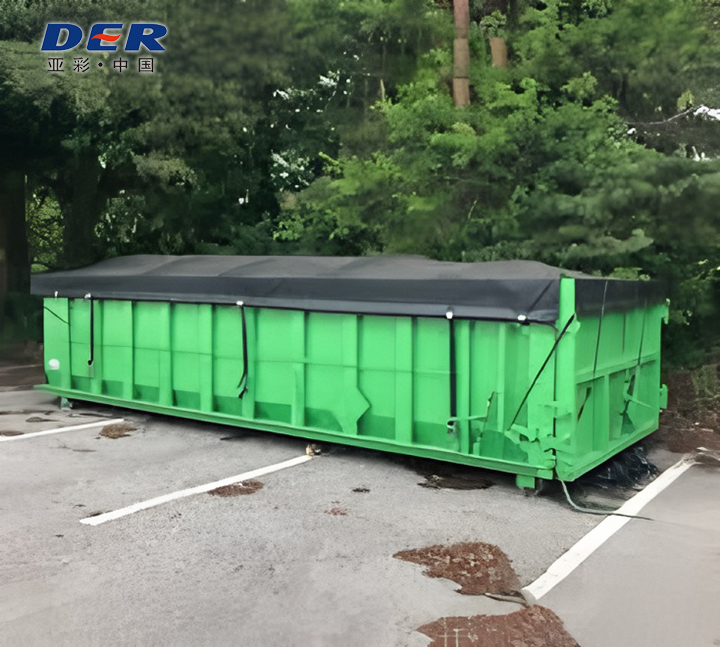
Black roll-off container tarp fitted over green waste dumpster for outdoor waste hauling
Roll-Off Container CoverApplication image for waste, recycling and outdoor container coverage.
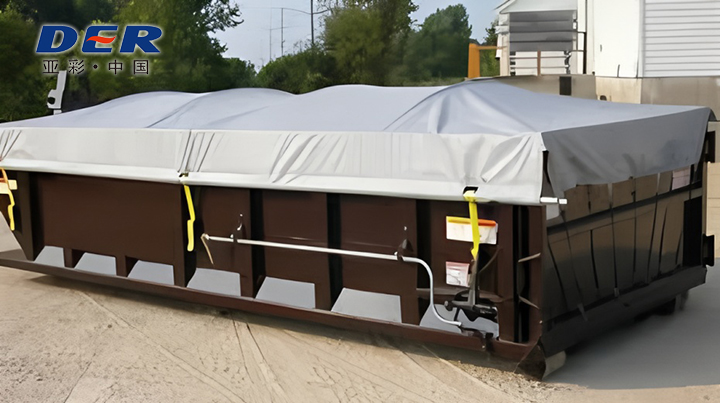
Light gray roll-off dumpster tarp installed over open-top container with side fastening system
System-Fit Finished CoverUse near the measurement or custom fabrication section to show fitted geometry.
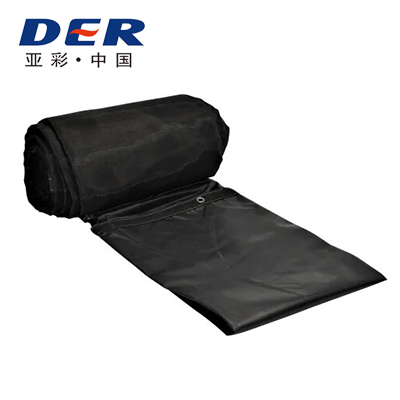
Black finished roll-off tarp cover with reinforced edge and grommet
Finished Tarp DetailUseful for reinforcing the message that edge design and attachment details matter.
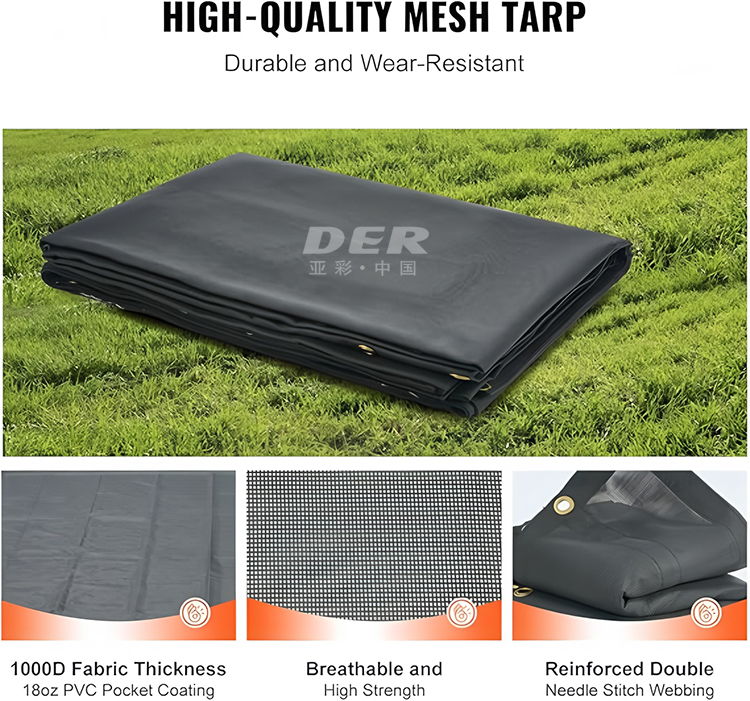
Heavy-duty black PVC-coated mesh truck tarp showing breathable mesh and reinforced construction details
Mesh Material DetailSupports mesh-vs-solid material selection and breathable load-containment explanation.
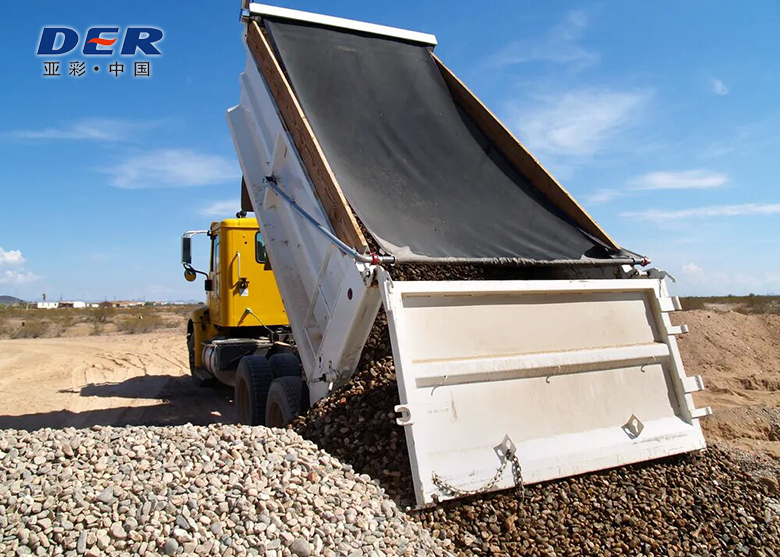
Truck tarp application for waste and bulk material transport on an open dump body
Waste Transport ApplicationOptional supporting image for truck hauling, containment and fleet-use context.
Buyer Checklist

What to Send for an Accurate Roll-Off Container Tarp Quote

A complete RFQ reduces back-and-forth and helps separate true system requirements from assumptions based only on truck or container model names.

  • Finished tarp length and width
  • Truck, roll-off or hook-lift system type
  • Photos with tarp fully open and fully retracted
  • Roller tube, pocket or pull-bar dimensions
  • Side flaps, hems, grommets, straps and attachment layout
  • Waste stream: recyclables, refuse, C&D, green waste, scrap, etc.
  • Material preference: mesh, solid PVC or match existing sample
  • Known wear, tear or abrasion points on the current tarp
  • Required color, logo, labels or private-label packaging
  • Expected order quantity and repeat-order plan
  • Destination market and packing requirements
  • Any required test method or project documentation
Common Procurement Mistakes

Four Errors That Cause Avoidable Replacement Problems

Ordering by Container Yardage Only

Nominal container volume does not define roller pocket, travel length, side flaps or the exact covered span. Use finished cover dimensions and system geometry.

Choosing “Heavy Duty” Without a Definition

Duty level should be tied to cargo, abrasion, daily cycles, weather and reinforcement. A heavier center panel may not fix a weak edge or pocket.

Copying a Failed Tarp Exactly

An old tarp can be a good size reference, but recurring tears should be documented so the replacement construction can address the weak zone.

Ignoring the Mechanical System

A cover that is too stiff, too heavy or incorrectly pocketed may fit the container but still operate poorly on the actual roller, arm or cable system.

Related Questions

Roll-Off Container Tarp FAQ

Direct answers to the questions fleet buyers, tarp distributors and waste-equipment suppliers commonly need to resolve before ordering.

What material is best for a roll-off container tarp?

There is no single best material for every roll-off truck. Heavy-duty coated mesh is commonly used when airflow, reduced ballooning and easier handling are important. Solid PVC-coated polyester is a better direction when the load needs a non-porous weather barrier. The final choice should match the waste stream, climate, tarp system and duty cycle.

Are roll-off container tarps waterproof?

Mesh roll-off tarps are not waterproof because the open structure allows air and water to pass. Solid PVC-coated polyester can provide a waterproof sheet surface, but the installed cover’s overall water protection also depends on seams, overlaps, openings, fasteners and hardware penetration.

Can DERFLEX make a replacement tarp from an old roll-off cover?

Yes. A correctly fitting old cover can be used as a reference together with finished measurements, photos and system details. Buyers should also mark recurring wear or tear areas so the new construction does not automatically duplicate a weak detail.

What dimensions are needed for a replacement roll-off tarp?

Provide finished tarp length and width, roller or pull-bar pocket geometry, side-flap dimensions, grommet or strap locations, and any other attachment details. Photos of the system open and closed are highly useful. Container yardage alone is normally not enough to reproduce a system-fit tarp.

Can roll-off tarps be customized for fleet or private-label supply?

Custom programs can be developed around approved dimensions, mesh or solid material direction, reinforcement layout, colors, labels, logo marking and packing requirements. Repeat orders are easier when the approved sample and drawing revision are controlled as a fleet or distributor standard.

Does DERFLEX supply the complete hydraulic or electric roll-off tarp system?

This page focuses on tarp materials and fabricated replacement/custom covers. Motors, hydraulic arms, controls and other truck-specific metal hardware should be confirmed separately unless they are specifically included in an agreed project scope.

How can roll-off tarp service life be improved?

Service life depends on correct material selection, fit, UV exposure, abrasion, cargo contact, reinforcement and operating practice. In many cases, improving pocket geometry, side hems, corners and other high-stress zones is more effective than simply increasing the weight of the entire tarp.

What should I provide before asking for a quotation?

Send the system type, finished dimensions, current tarp photos or drawing, cargo, material preference, reinforcement details, quantity, color/branding needs, destination market and any required documentation. This gives the supplier enough information to discuss a practical production specification.

Turn a Worn Roll-Off Tarp Into a Repeatable Replacement Specification

Send DERFLEX the measured old tarp, system photos, finished dimensions, cargo type, reinforcement requirements and expected quantity. The goal is to build an approved cover specification that can be repeated for future fleet, dealer or OEM orders.

Important: tarp selection and installation should be reviewed against the actual vehicle, load and applicable local cargo-securement requirements. A tarp is one part of a complete load-containment system.

Consulting Services
+86-021-54361792 / 54361798
Email
sales@derflex.com