Enclosure Function
Define whether the project needs rain protection, winter enclosure, temporary heating efficiency, dust containment, paint/spray separation, privacy or a combination.



DERFLEX supplies reinforced scaffold sheeting for construction weather enclosure, dust and debris containment, facade renovation, temporary heating zones and project-specific scaffold wrapping. Material route, roll dimensions, reinforcement bands, fixing layout, color, printing and flame-retardant direction can be specified around the actual site.
For distributors, scaffold contractors, construction-supply brands and OEM buyers, the useful specification starts with the enclosure system—not simply with a roll width or a “heavy duty” label.
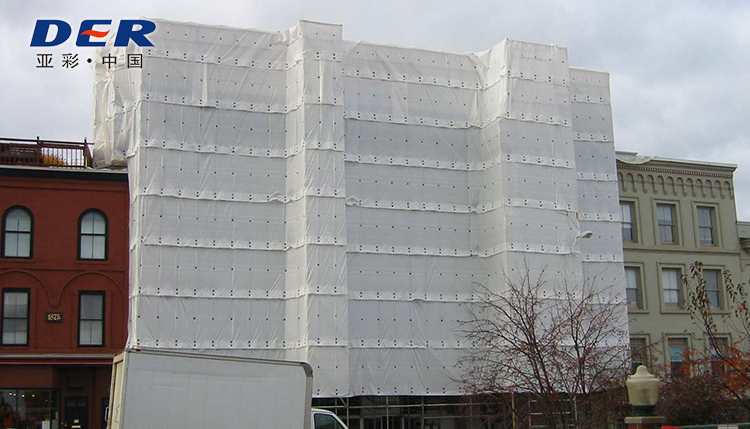
Solid sheeting helps create a controlled work zone for renovation, weather protection and dust management. Final fixing density and scaffold loading must be reviewed for the actual structure and local requirements.
Reinforced scaffold sheeting is a temporary enclosure material fixed to scaffold frames to reduce exposure to rain, wind, dust, debris and outside conditions. A reinforced construction adds stronger load paths—such as internal scrim, reinforced bands, hems or dedicated fixing zones—so installation forces are not carried by thin film alone. Solid PE/polyolefin structures are common for lightweight enclosure; heavier PVC-coated polyester is useful where stronger waterproofing, welding and repeated handling are priorities; mesh is used where airflow and lower wind pressure are more important.
The sheet, fixing points, scaffold geometry and weather exposure interact. A material that looks strong on a sample can still fail if eyelets concentrate load, seams are poorly positioned, or a solid enclosure creates more wind pressure than the scaffold arrangement can safely accept.
Define whether the project needs rain protection, winter enclosure, temporary heating efficiency, dust containment, paint/spray separation, privacy or a combination.
Reinforced eyelet bands, hems, attachment rows and tie spacing should transfer pull loads without creating isolated tear points.
Solid scaffold wrap can substantially increase wind loading. Where pressure relief is necessary, a mesh or vented construction may be more appropriate than fully closed sheeting.
DERFLEX's current scaffold-cover family includes PE sheeting, PVC-coated fabric and reinforced mesh. The exact construction should be frozen only after the site exposure, installation pattern and required documentation are confirmed.
| Parameter | Project Direction | Why It Matters |
|---|---|---|
| Material route | Reinforced PE/polyolefin sheeting; PVC-coated polyester; reinforced mesh; custom project structure | Controls weight, waterproofing, weldability, airflow, tear behavior and service profile. |
| Weight / thickness | Project-defined. DERFLEX's current scaffold-cover family spans lightweight sheeting through heavy-duty coated fabrics; confirm the exact grade by sample/data sheet. | Higher mass does not automatically solve fixing-point failure or excessive wind load. |
| Reinforcement | Integrated scrim, reinforced bands, welded/sewn hems, webbing or localized patches depending on material route | Moves stress away from unsupported film and improves attachment-zone durability. |
| Fixing layout | Pre-punched holes, grommets or dedicated eyelet bands; spacing to be defined by installation design | Installation labor and tear resistance depend on how evenly loads are distributed. |
| Surface / light | White, translucent, opaque or custom color; printable direction available by product route | Changes daylight, privacy, appearance and site branding. |
| Weather options | UV, cold-flexibility, anti-mildew and outdoor exposure directions available according to selected material | Outdoor climates can accelerate brittleness, cracking and surface aging. |
| Flame retardancy | Project-specific FR route; exact standard and evidence package must be confirmed before production | Fire requirements vary by country, project type and whether material is printed or unprinted. |
| Supply format | Roll goods, cut sheets, fabricated panels, printed sheets or private-label packs | Allows distributors and contractors to source around their own installation and resale workflow. |
Specification note: published ranges on existing DERFLEX scaffold-cover pages cover several material families. Final reinforced scaffold sheeting values should be confirmed against the selected construction, required test method, local temporary-works rules and approved sample.
Reinforcement is useful only when it creates a continuous load path from the fixing point into the main sheet. A buyer should therefore review the sheet as a system rather than asking only whether it contains “scrim.”
This decision is better made from the site function and pressure exposure than from price per roll alone.
Prioritize a closed sheet, secure reinforced fixing zones, overlap planning and cold-weather flexibility.
Typical direction: reinforced PE/polyolefin or solid coated fabric.Prioritize tensile/tear strength, abrasion resistance, welded or reinforced edges and repairability.
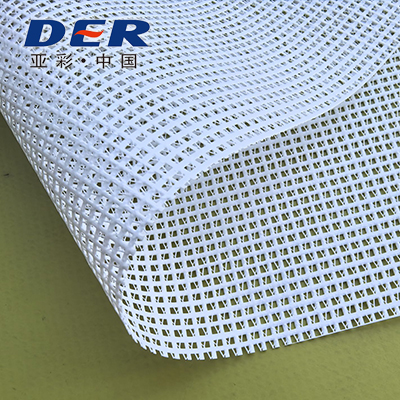
Typical direction: PVC-coated polyester scaffold cover.Prioritize airflow and reduced ballooning while still controlling larger debris and visibility.
Typical direction: reinforced mesh / scaffold mesh.Prioritize enclosure continuity, seam/overlap control, closure around access points and project-specific FR requirements.
Typical direction: solid reinforced sheeting with validated project fire route.Prioritize site appearance, dust/spray containment, reinforced tie rows, clean sheet layout and optional branding.
Typical direction: white/printed solid sheeting or coated fabric.Do not assume a stronger solid sheet is safer. The scaffold and enclosure wind load must be reviewed before selecting permeability.
Typical direction: engineered choice between vented, mesh or solid enclosure.When ties are installed through reinforced bands, the load is spread through a stronger zone instead of pulling directly through unsupported film. For custom programs, confirm band spacing against scaffold bay geometry, sheet orientation and the intended tie accessory.
A sheet installed drum-tight can transfer large peak loads into eyelets and scaffold components when wind pressure rises. Installation should allow the system to perform as designed and should follow the scaffold/enclosure supplier's instructions.
Doors, hoist interfaces, corners, returns and level changes can create weak or leaky areas. Fix the panel layout before fabrication so reinforcement and seams do not land in the wrong place.
Do not assume the fire performance of an unprinted material automatically applies to a printed or differently fabricated sheet. Ask for the exact test direction and documentation required by the project.
Scaffold sheeting can change wind loading, tie forces and the behavior of the scaffold. The enclosure must not be treated as an independent decorative wrap. Final design, installation, anchoring and inspection should follow applicable local rules and the competent scaffold/temporary-works engineer's requirements.
Each route solves a different balance of weather barrier, durability, airflow and fabrication.
Lightweight enclosure route for weather protection, dust containment and temporary construction wraps. Can use integrated reinforcement bands and pre-punched fixing rows.
Heavier route for stronger waterproofing, welded fabrication, reinforced hems and repeated handling. Useful when the enclosure is treated more like a reusable industrial cover.
Air-permeable route that can reduce wind pressure and provide debris, shade or visibility control where a fully closed barrier is not required.
For broader jobsite cover selection, see DERFLEX construction tarp solutions. For open structures where airflow is the priority, compare PVC mesh tarps.
DERFLEX can discuss reinforced scaffold enclosure programs as roll goods or converted products. The most useful quotation fixes both the material and the attachment system.
Reinforced PE/polyolefin, solid PVC-coated polyester or mesh direction; target weight/thickness confirmed after application review.
Roll width, roll length, finished panel size and panel layout can be planned around scaffold dimensions and conversion yield.
Reinforced bands, hems, pre-punched holes, grommets, webbing or other project-defined attachment zones.
White, translucent, opaque or custom color; project branding and printed identification can be discussed where suitable.
UV, cold-flexibility, anti-mildew and flame-retardant direction can be reviewed against project environment and required evidence.
Roll labels, cartons/bales/pallet direction, private label, batch identification and export packing according to purchasing program.
For buyers who need a heavier weldable material rather than lightweight reinforced sheeting, DERFLEX also supplies PVC-coated fabric. Projects that specifically require fire-performance documentation can review the flame-retardant tarp material route before confirming the enclosure specification.
Real DERFLEX site images are used below so the page can support image search, buyer understanding and material comparison without relying on generic stock photography.
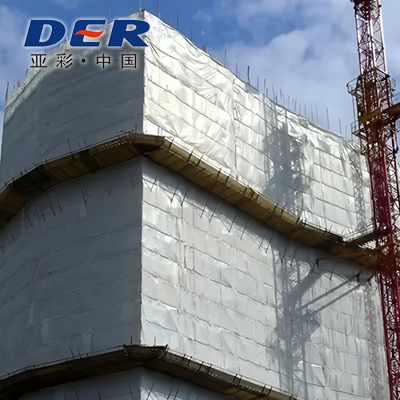
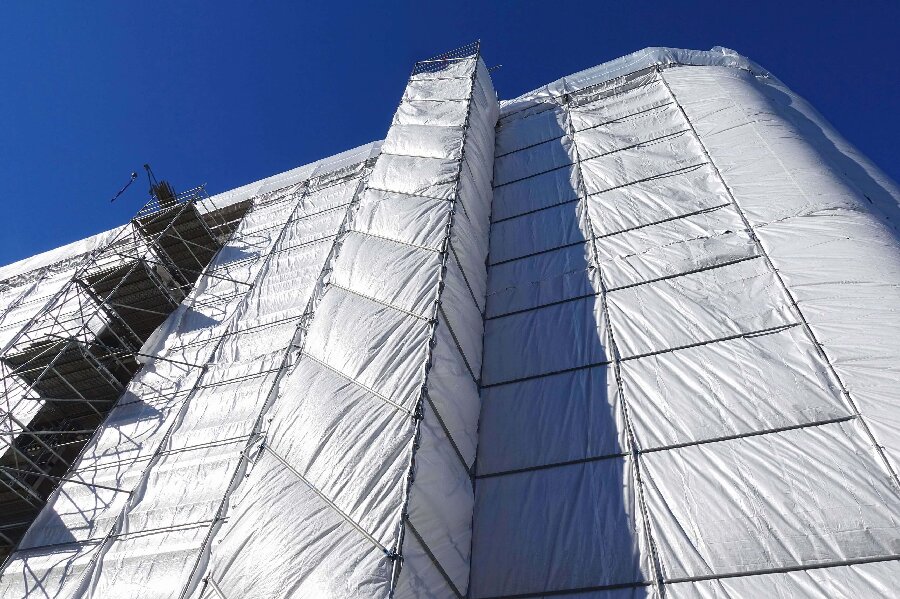
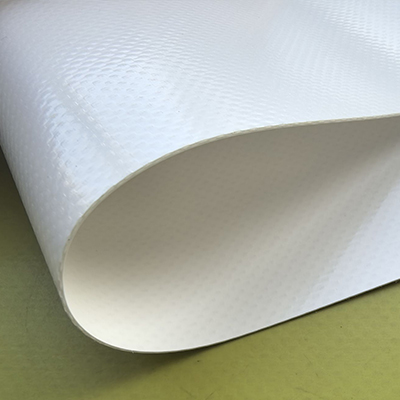
Creates a controlled exterior work zone around masonry repair, repainting, recladding, waterproofing and maintenance operations.
Helps reduce direct exposure to wind and precipitation and can support temporary heated work zones when the enclosure is properly designed.
Helps separate active work from surrounding areas during demolition, surface preparation, restoration and industrial maintenance.
Provides screening and containment around facade coating, paint preparation and selected spray-control operations.
Can be configured around scaffold platforms for maintenance, blasting preparation, painting and temporary work-zone isolation.
Repeatable roll dimensions, color coding, printed identification and private-label packaging can support regional scaffold supply programs.
A complete enquiry helps avoid the most common mismatch: quoting a sheet before understanding how it will be installed.
Thickness does not tell you how the sheet carries load at holes and seams. Reinforcement architecture and attachment spacing can matter just as much.
A stronger, less permeable sheet can create higher forces on the scaffold. Permeability and the temporary-works design must be considered together.
Flame retardancy is test-method specific. Confirm the required standard, material version, printing status and certificate scope before ordering.
Roll width, eyelet-band spacing and overlap should fit the scaffold bay geometry; otherwise installers may add unnecessary cuts and weak fixing points.
The value for B2B buyers is the ability to coordinate material, reinforcement, finishing and repeat-order control instead of treating every project as an isolated stock-roll purchase.
DERFLEX's existing construction-cover range includes PE sheeting, PVC-coated fabrics and mesh, allowing the enclosure concept to be matched to the actual balance of waterproofing, airflow and durability.
Custom width, panel size, reinforced edge direction, eyelet/grommet layout, welding, printing and packaging can be discussed for project or OEM supply.
Buyers can define the application, site exposure, attachment method and required test evidence before production, reducing ambiguity at sampling and repeat order stages.
If the jobsite needs a broader range of heavy protective covers beyond scaffold enclosure, review DERFLEX heavy-duty tarp manufacturing.
There is no single best material. Reinforced PE/polyolefin is useful for lightweight temporary enclosure, PVC-coated polyester for heavier waterproof/reusable covers, and mesh where airflow and lower wind pressure are priorities.
Solid PE and PVC-coated scaffold covers can provide a water barrier, but the finished enclosure also depends on overlaps, seams, penetrations, access openings and installation quality.
Common uses include facade renovation, winter enclosure, temporary heating zones, dust and debris containment, painting, restoration and industrial maintenance.
Yes. Closing a scaffold with solid sheeting can increase wind pressure significantly. The scaffold, ties and enclosure layout must be reviewed for the actual site.
It depends on local rules, project specification and work activity. If FR is required, confirm the exact test standard and documentation before ordering.
Solid sheeting provides more complete weather and dust enclosure; debris mesh allows more airflow and is generally chosen where wind permeability is important.
DERFLEX can discuss custom scaffold enclosure programs by material route, roll or finished-sheet size, reinforcement direction, fixing layout, color, printing, performance options and packaging. Final feasibility should be confirmed after reviewing the application and sample/specification.
Yes, the supply format can be planned as roll material, cut sheets or fabricated panels depending on the selected material and project requirement.
Fixing-zone spacing can be discussed for OEM or project programs. The target layout should be based on scaffold geometry, installation method and engineering requirements rather than copied from a generic retail roll.
Printing and branding can be discussed according to the material route, artwork, color, quantity and any required performance documentation. If the project requires FR certification, confirm whether the tested scope must include the printed construction.
Send the intended use, reference material or photo, target size/roll width, approximate weight or thickness direction, fixing method, color, reinforcement layout and any required test standard. An existing sample is especially useful when matching a local market product.
Use solid sheeting when weather barrier, privacy and containment are primary. Use mesh when airflow, lower wind pressure and debris control are more important. Exposed or high-rise projects should be reviewed as part of the scaffold temporary-works design.
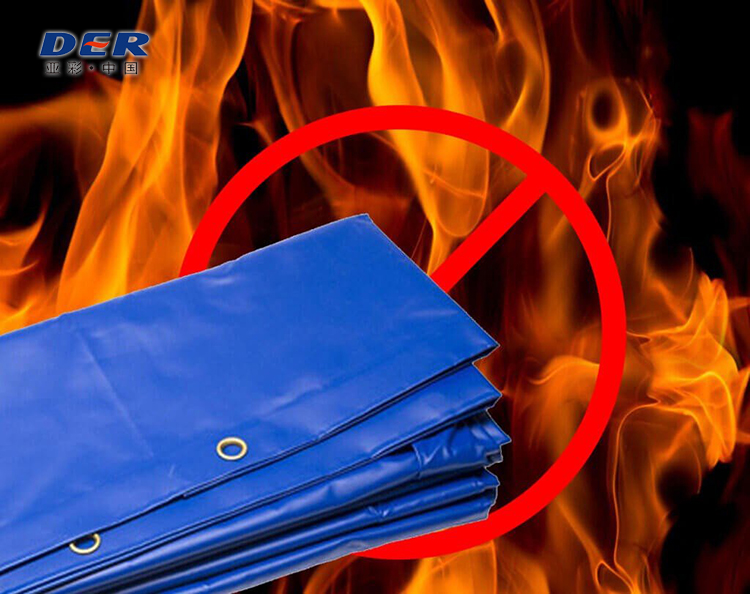
No. Flame-retardant materials are designed to meet defined flame-spread or ignition test criteria; they are not intended for continuous flame contact or high-temperature shielding. Confirm the required test method and end-use limitations.
Send DERFLEX the application, dimensions, material direction, reinforcement/fixing layout, FR requirement if any, quantity, packaging and destination through the Request A Quote page.
Send the facade or scaffold dimensions, exposure conditions, solid or mesh direction, target material, reinforced-band / eyelet layout, FR requirement, roll or finished-sheet format, quantity and destination. DERFLEX can review a practical scaffold sheeting direction for sampling and B2B production.