01
Define the failure risk first
Wind flutter, abrasion, repeated folding, water pooling, low temperature and concentrated tie-down loads can change the material and reinforcement direction before price is discussed.



 B2B Tarpaulin Procurement Guide
A useful tarp quotation starts with a controlled specification—not the phrase “heavy duty tarp.” This template shows B2B buyers what to send a tarpaulin manufacturer so material, dimensions, reinforcement, hardware, testing, packing and commercial scope can be quoted on the same basis.
Use it for PVC tarpaulin rolls, cut sheets, welded panels, custom finished covers, truck tarps, equipment covers and OEM/private-label programs. If a technical value is unknown, state the working condition and mark it “supplier to recommend” instead of copying an unrelated specification.
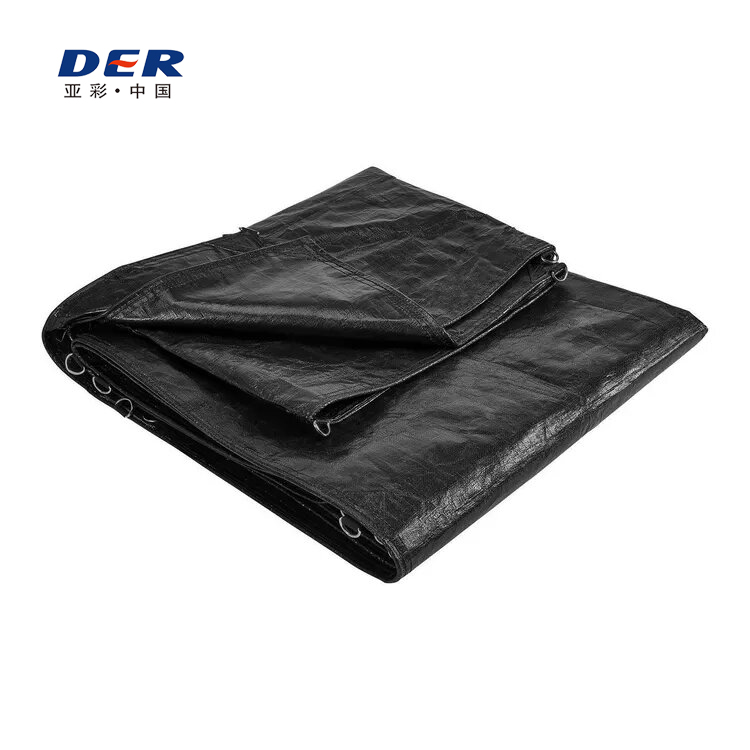
At minimum, send the end use, supply format, finished dimensions, quantity, material direction, exposure conditions, reinforcement and hardware needs, color, destination and any mandatory test requirement. For a production-ready RFQ, also define dimensional tolerances, seam/hem construction, drawing revision, sample approval, inspection evidence, packing, price unit and Incoterm. A complete RFQ lets multiple suppliers quote the same target instead of hiding construction differences behind one product name.
Wind flutter, abrasion, repeated folding, water pooling, low temperature and concentrated tie-down loads can change the material and reinforcement direction before price is discussed.
A strength value is useful only when the unit, test method, material direction and acceptance basis are clear enough to check again at sampling or inspection.
Price per piece, roll, square meter or kilogram is not comparable until construction, dimensions, packing, test scope and delivery basis are aligned.
If your team is still defining the material, use the DERFLEX tarpaulin buying guide before locking a GSM or thickness value.
A strong RFQ controls what must be fixed, identifies what depends on the project, and leaves room for a manufacturer to recommend a construction where the buyer has not yet validated one.
| RFQ field | Priority | What to send | Why it changes the quote |
|---|---|---|---|
| Application & environment | Mandatory | End use, indoor/outdoor, rain, sun, wind, abrasion, handling frequency and contact surfaces. | Determines the duty level and likely failure points before material weight is selected. |
| Supply format | Mandatory | Roll goods, cut sheet, welded panel, finished tarp or OEM packed product. | Changes conversion work, dimensional control, packing and price unit. |
| Material family | Mandatory | PVC coated polyester, laminated tarp, PE, mesh, clear PVC, sample reference or “supplier to recommend.” | Different material systems should not be compared as equivalent products. |
| GSM / thickness / base fabric | Conditional | Specify only values your project truly controls; otherwise describe service conditions and target performance. | Weight, thickness, yarn and weave affect handling and strength but are not interchangeable quality grades. |
| Dimensions & tolerance | Mandatory | Finished L × W × drop, openings, shape, cut-size vs finished-size basis, tolerance, drawing number and revision. | Controls fit, panel planning, material consumption and inspection. |
| Mechanical performance | Conditional | Minimum tensile, tear, adhesion or other values with unit, direction and named method where required. | Prevents suppliers from presenting incomparable headline numbers. |
| Weather / special performance | Conditional | UV, cold flexibility, mildew, flame-retardant, antistatic, chemical or other project-specific needs. | May require a different formulation, construction or evidence package. |
| Fabrication | Finished tarps | Seams, welding/sewing, hems, webbing, rope edge, patches, pockets, sleeves, windows, vents or zippers. | Fabrication often determines real-world durability and labor content. |
| Hardware & attachment | Finished tarps | Grommet material/size/spacing, D-rings, straps, hooks, buckles and reinforcement at attachment points. | Concentrated tie-down loads can be a primary failure mode. |
| Branding & packing | Conditional | Color reference, logo, labels, barcode, individual pack, carton, roll pack, pallet and shipping marks. | Changes artwork approval, labor, packaging volume and repeat-order identity. |
| Quantity & destination | Mandatory | Trial/bulk quantity, size/color mix, destination country/port and expected repeat program. | Needed for production planning, logistics and commercial basis. |
| Sample / inspection / documents | Lock before bulk | Approved swatch or prototype, test evidence, inspection points, lot reference and required shipping documents. | Turns the quotation into a repeatable purchase specification. |
Copy this into an email, ERP/RFQ system or supplier portal. Delete fields that truly do not apply, but keep the section headings so omissions remain visible during quotation review.
TARPAULIN RFQ / REQUEST FOR QUOTATION

A. BUYER & PROJECT
Buyer / Company:
Contact:
Project / Program Name:
End Application:
Destination Country / Port:
Trial Order or Repeat Program:
Target Order Timing (if applicable):

B. USE ENVIRONMENT
Indoor / Outdoor:
Expected Weather Exposure:
UV / Sun Exposure:
Wind / Flutter / Tie-Down Load:
Abrasion / Sharp-Edge Risk:
Temperature / Cold-Flex Requirement:
Chemical / Oil / Mildew / Other Exposure:
Expected Handling Frequency / Service Cycle:

C. SUPPLY FORMAT
[ ] Roll goods
[ ] Cut sheets / panels
[ ] Welded panels
[ ] Finished tarps / covers
[ ] OEM / private-label packed goods
Other:

D. MATERIAL CONSTRUCTION
Preferred Material Family:
PVC Coated or Laminated (if defined):
Base Fabric / Denier / Weave (if controlled):
Nominal GSM + Tolerance:
Nominal Thickness + Tolerance (if controlled):
Color / Color Reference:
Surface Finish / Lacquer / Texture:
Required Roll Width / Roll Length:
Supplier Recommendation Allowed? Yes / No
Existing Sample / Benchmark Code:

E. PERFORMANCE REQUIREMENTS
Tensile Strength MD / CD + Method:
Tear Strength MD / CD + Method:
Coating Adhesion + Method:
Waterproof / Hydrostatic Requirement + Method:
Abrasion Requirement + Method:
UV / Weathering Requirement:
Low-Temperature Requirement:
Mildew / Low-Wick / Antistatic / Chemical Requirement:
Flame-Retardant Standard / Classification (if required):
Other Mandatory Performance:

F. FINISHED SIZE & DRAWING
Finished Length × Width:
Side Drop / Flaps / Overlap:
Shape / Curves / Cut-Outs:
Cut Size or Finished Size Basis:
Dimensional Tolerance:
Drawing Number / Revision:
Installation / Anchor Reference Drawing Attached? Yes / No

G. FABRICATION
Seam Position / Orientation:
Welded / Sewn / Supplier to Recommend:
Hem Width / Construction:
Webbing / Rope Edge:
Corner / High-Stress Patches:
Wear Strips / Abrasion Zones:
Pockets / Sleeves / Windows / Vents / Zippers / Velcro:
Other Fabrication Notes:

H. HARDWARE & ATTACHMENT
Grommet / Eyelet Material:
Inside Diameter / Size:
Spacing and Position:
D-Rings / Buckles / Straps / Hooks:
Anchor-Point Drawing or Center-to-Center Dimensions:
Reinforcement at Hardware:

I. PRINTING / BRANDING
Logo / Artwork:
Pantone / RAL / Color Reference:
Print Position / Size / Orientation:
Warning / Handling Marks:
Part Number / Barcode / Label:
Private-Label Packaging:

J. QUANTITY & PACKING
Total Quantity:
Size / Color Mix:
Units: pieces / rolls / m² / kg / other:
Folded or Rolled:
Individual Bag / Carton / Bundle:
Pallet Requirement:
Shipping Marks:
Container / Receiving Constraints:

K. SAMPLE / APPROVAL
Material Swatch Required? Yes / No
Prototype / Finished Sample Required? Yes / No
Approved Reference / Golden Sample Required? Yes / No
Sample Identification Method:
Color Approval Method:
Pre-Production Approval Required? Yes / No

L. TESTING / INSPECTION / DOCUMENTS
Required Test Standard(s):
Minimum Acceptance Limits:
Third-Party Testing Required? Yes / No / Conditional
Pre-Shipment Inspection Required? Yes / No
Finished-Product Inspection Points:
Batch / Lot Traceability Requirement:
Required TDS / Test Report / Declaration / Packing List / Other Documents:

M. COMMERCIAL QUOTATION BASIS
Requested Incoterm / Delivery Basis:
Currency:
Price Unit Required: per piece / roll / m² / kg / other:
Tooling / Plate / Sample Charge Listed Separately? Yes / No
Packaging Cost Included? Yes / No
Freight Included? Yes / No
Quotation Validity Requested:
Payment Terms Request:

N. SUPPLIER RESPONSE REQUEST
Please state:
1. Proposed material code and construction
2. Any deviation from this RFQ
3. Confirmed production specification / tolerances
4. Sample route and approval points
5. Test / inspection evidence included in the offer
6. Packaging method
7. Commercial unit basis and exclusions
8. Reorder reference / revision-control method

ATTACHMENTS
[ ] Dimensioned drawing
[ ] Application photos
[ ] Existing sample reference
[ ] Test standard / customer specification
[ ] Artwork / label file
[ ] Packing instruction
A converter buying roll goods and an importer buying ready-to-install tarps require different controls. Separating the scope makes both quotation and incoming inspection clearer.
For manufacturing and material context, see the DERFLEX tarpaulin manufacturer page.
For conversion details, see DERFLEX’s tarpaulin fabrication guide.
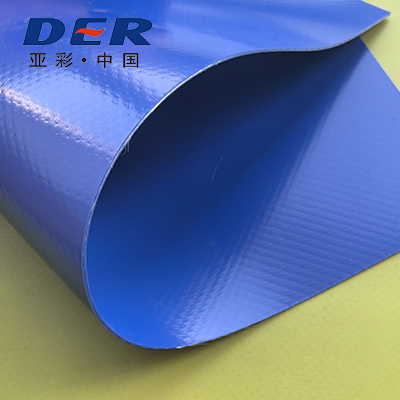
For fitted tarps, equipment covers and truck covers, state whether the drawing shows cut size, finished size or usable coverage size. Mark units, critical dimensions, tolerance, seam direction and the positions of openings, pockets, D-rings and grommets. Give the drawing a number and revision so the quotation, prototype and bulk order refer to the same geometry.
Show length × width × drop, flaps, overlaps, curves, cut-outs, seam lines, anchor points, distance from corners, wear zones and installation orientation. For irregular covers, include photos from several angles and identify the reference surfaces used for measurement.
See DERFLEX’s made-to-measure tarpaulin guide for additional dimension and attachment information to include before sampling.
Lower price is not meaningful if one supplier quoted a different fabric construction, looser tolerance, fewer reinforcement details, excluded testing or a different delivery basis.
A good response should make differences visible rather than silently substituting a cheaper construction.
| Comparison field | Supplier A | Supplier B | Supplier C | Buyer check |
|---|---|---|---|---|
| Material code / revision | _____ | _____ | _____ | Same construction or disclosed deviation? |
| GSM / thickness basis | _____ | _____ | _____ | Target, nominal, minimum or range? |
| Base fabric / strength | _____ | _____ | _____ | Directions and methods comparable? |
| Finished size / tolerance | _____ | _____ | _____ | Cut size or finished size? |
| Seams / reinforcement | _____ | _____ | _____ | Same fabrication scope? |
| Hardware layout | _____ | _____ | _____ | Type, size and spacing confirmed? |
| Testing / inspection | _____ | _____ | _____ | Included, optional or excluded? |
| Packing / labeling | _____ | _____ | _____ | Same carton/roll/pallet basis? |
| Price unit / Incoterm | _____ | _____ | _____ | Same delivery and unit basis? |
| Deviations disclosed | Yes / No | Yes / No | Yes / No | Hidden substitutions removed? |
For larger import and repeat-order programs, combine the RFQ with a manufacturing-capability review. DERFLEX’s B2B tarpaulin supplier page explains a specification-led sourcing workflow.
Most quotation disputes begin as ambiguity in the inquiry. These are the points to remove before the purchase order is issued.
There is no universal heavy-duty construction. State the load, environment and handling cycle the tarp must survive.
GSM is mass per area. It does not replace yarn, weave, coating bond, strength or reinforcement information.
Hems, seams and fabrication can change usable dimensions. State which basis the drawing controls.
A value without a unit, method and MD/CD direction may not be comparable between suppliers.
Hardware position must be considered together with webbing, hems, patches and pull direction.
Sheet waterproofing does not automatically control sewn seams, openings, penetrations or installation geometry.
Mandatory standards should be named before the supplier selects the material route and prepares a sample.
Fold/roll method, labels, cartons and pallets can affect handling, shipment volume and landed scope.
The RFQ should become the first controlled document in a chain, not a one-time email that disappears after the price is issued.
Use, environment, risk, size and commercial scope.
Material code, construction, deviations and price basis.
Identify the swatch or prototype and link it to a revision.
Freeze dimensions, properties, fabrication, packing and evidence.
Check agreed points against the approved reference.
Reuse product code, revision and approved sample for future batches.
Photos help buyers communicate material type, surface, hardware, application and fabrication details. The written RFQ should still control the measurable product definition.
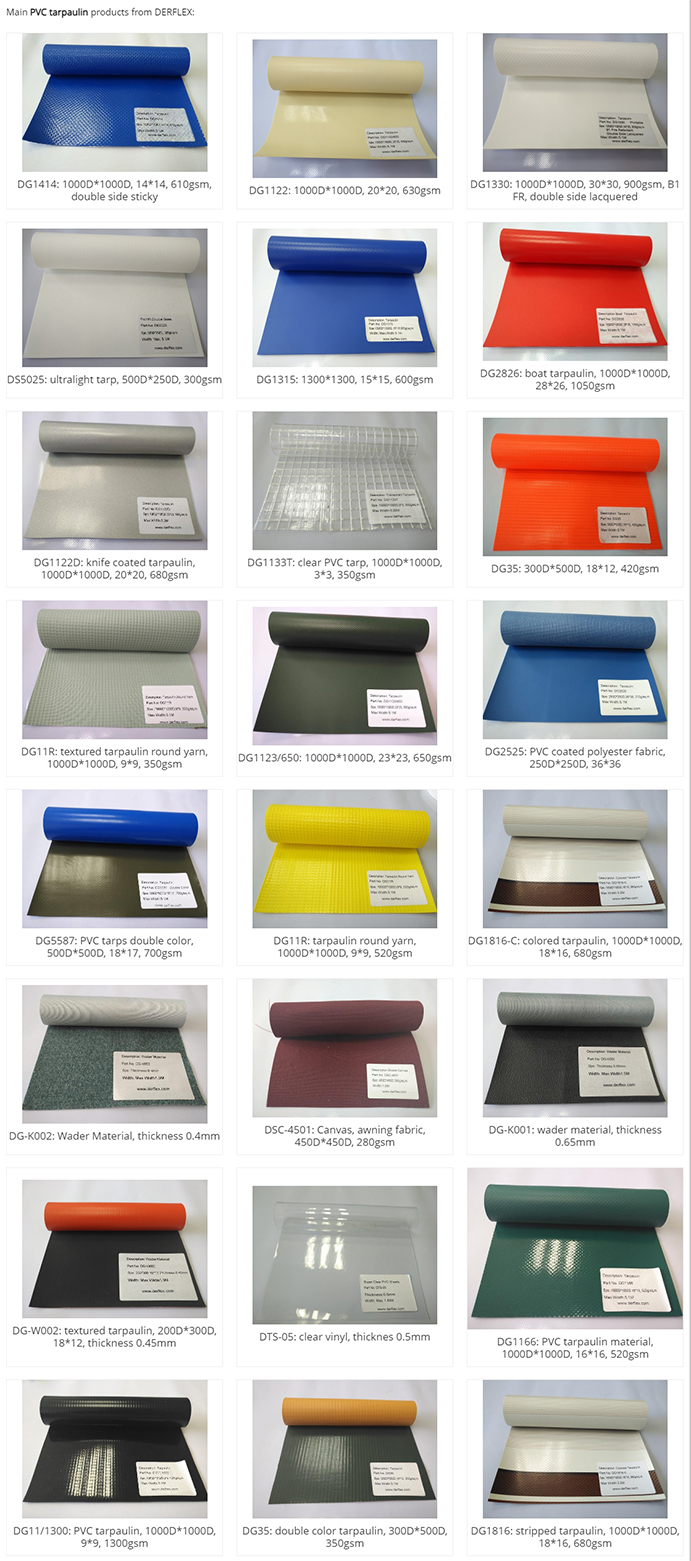
A sample board can help establish color, surface and construction direction. For a repeat order, connect the visual reference to an approved material code, specification revision or identified sample.
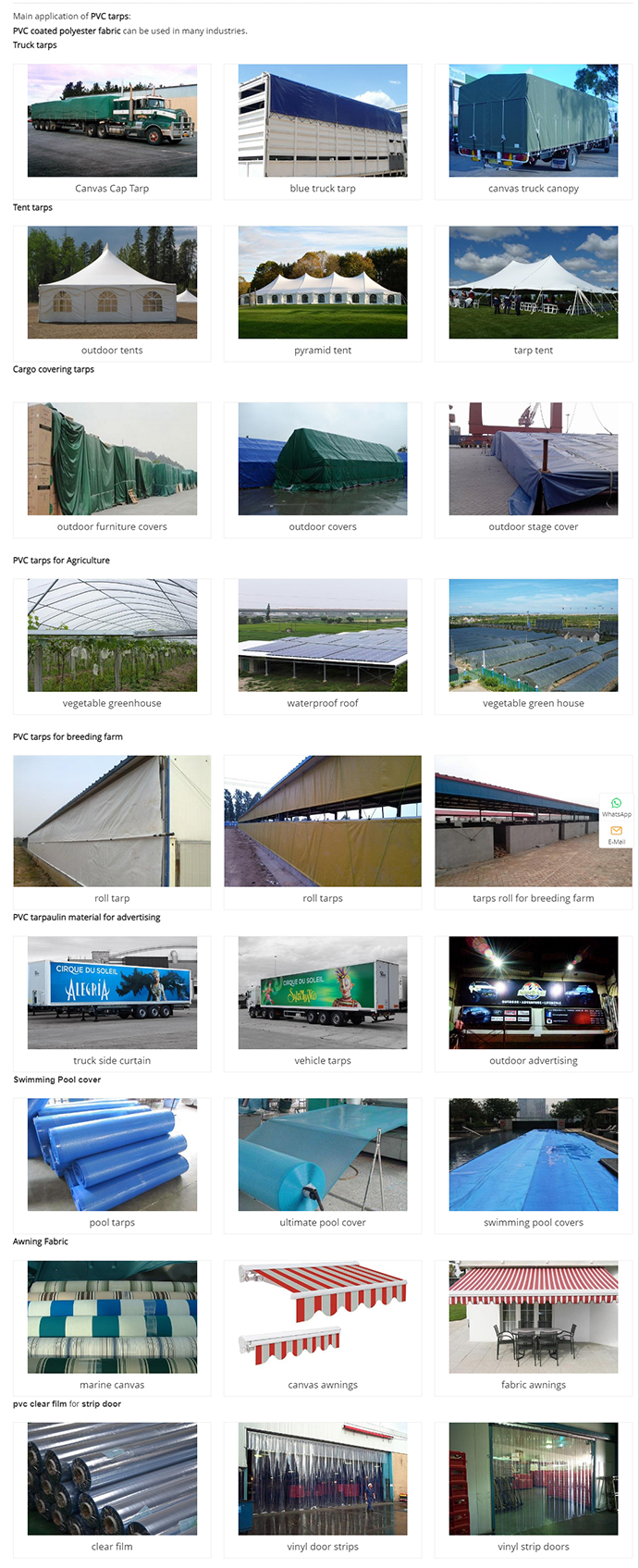
Application matters: truck covers, tents, agriculture and industrial protection create different wind, abrasion, attachment and service conditions.
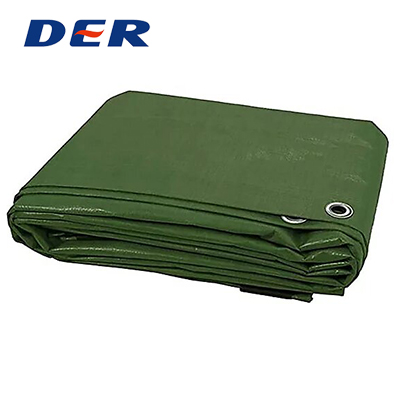
Finished-cover scope: include edge structure and hardware in the RFQ, not only the sheet material.
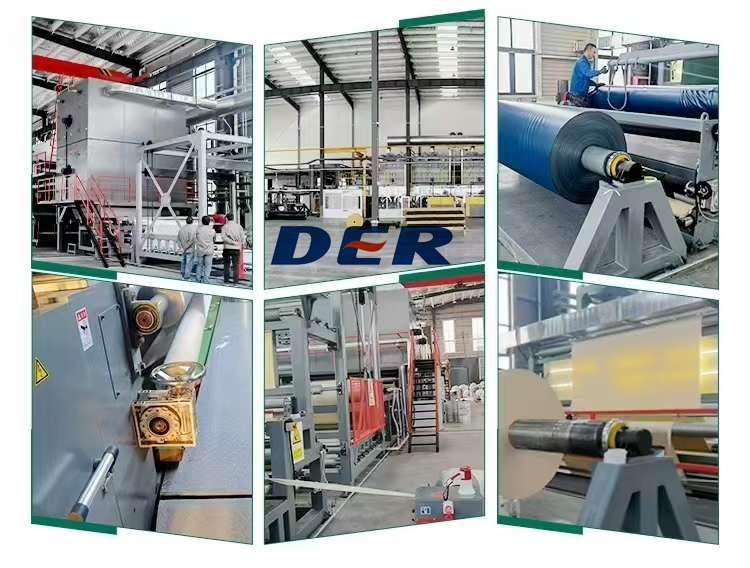
Manufacturing context: connect the quotation to a defined material route, fabrication process and controlled repeat-order reference.
These related DERFLEX resources move from material selection to custom fabrication, dimensional control and B2B supply planning.
Short answers to the questions that most often block an accurate custom tarp quotation.
Provide the end use, roll or finished-tarp format, dimensions, quantity, material direction or performance need, color, service environment, reinforcement/hardware requirements, destination and any mandatory test or compliance requirement. For fitted covers, add a dimensioned drawing or clear size schedule.
Specify GSM or thickness when the project genuinely controls those values. If you are replacing an existing product, include the known construction or an identified sample. If you are starting from the application, it can be better to state service conditions and target performance and let the supplier recommend a construction for review.
No. Two tarpaulins with the same nominal GSM can use different base fabrics, weave densities, coating routes, surface finishes and reinforcement. Compare the complete material construction and finished-cover details.
Show finished dimensions, drops, flaps, overlaps, openings, seam direction, hem construction, grommet or D-ring positions, pockets, sleeves, straps and high-load or abrasion zones. Add units plus a drawing number and revision.
Normalize material construction, GSM/thickness basis, dimensions and tolerances, fabrication, hardware, test/document scope, packing, quantity, commercial unit and Incoterm. Ask every supplier to state deviations explicitly.
For custom, repeat or higher-risk procurement, an identified material swatch or finished prototype creates a useful physical reference for color, finish, dimensions and construction. Link the sample to the quotation and specification revision.
Ask for the proposed material code and construction, any deviation from the RFQ, confirmed dimensions and tolerances, fabrication details, sample route, testing or inspection evidence, packing method, commercial unit basis and the reference used for repeat orders.
Start with the application and finished dimensions. Add material direction, GSM/thickness if controlled, reinforcement, hardware, quantity, destination, test requirements and packing. A drawing, photo or current sample reference is especially useful for fitted or repeat-order covers.
Procurement note: this page is a specification-planning framework. Final material suitability, tolerances, test methods, compliance requirements, inspection level and commercial terms should be confirmed for the actual application, destination market and purchase contract.