PVC Tarpaulin Rolls
Roll goods for tarp converters, welding shops, truck-cover fabricators, distributors and industrial textile processors that complete fabrication locally.



DERFLEX manufactures tarpaulin materials and finished covers for buyers who need the specification to match the job—not simply a standard sheet in a standard size.
From PVC coated polyester rolls and heavy duty waterproof tarpaulins to truck covers, construction tarps, agricultural protection and private-label programs, DERFLEX supports material selection, reinforcement design, fabrication details and export-ready supply for professional B2B procurement.
A professional tarpaulin manufacturer works upstream from the finished cover. The key decisions begin with the base fabric, coating or lamination route, total weight, surface treatment, weather exposure, welding behavior and stress zones. Only after those variables are understood should the cover size, seam layout, hem reinforcement and hardware spacing be finalized.
This matters because two tarpaulins with the same dimensions can perform very differently in service. A light storage cover, a long-haul truck tarp, a construction enclosure and a farm equipment cover may all require different combinations of tensile strength, tear resistance, abrasion resistance, UV stabilization, cold flexibility and fastening reinforcement.
DERFLEX is structured for buyers who want to discuss those variables before production. The goal is to turn an application into a repeatable specification that can be sampled, approved, manufactured and reordered with fewer assumptions.
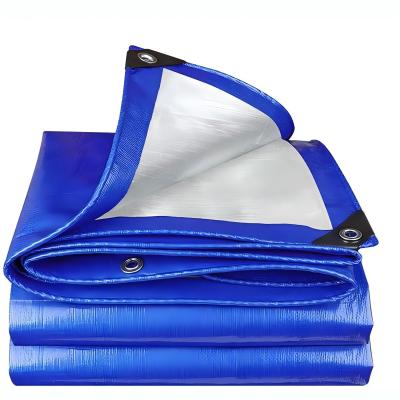
A broad tarpaulin program can include roll material, cut panels, semi-finished assemblies and complete covers. The right supply format depends on where fabrication will happen and how much control the buyer wants at source.
Roll goods for tarp converters, welding shops, truck-cover fabricators, distributors and industrial textile processors that complete fabrication locally.
Cut, welded or sewn covers with reinforced edges, selected hardware and application-specific size for industrial and outdoor protection.
Tarpaulin material and finished-cover directions for flatbeds, trailers, dump trucks, side curtain systems and cargo protection.
Weather covers, temporary enclosures, material protection, scaffolding directions and equipment covers for construction environments.
Custom tarps for farm equipment, feed and crop storage, temporary weather protection, greenhouse-related uses and seasonal outdoor covering.
Repeat programs with defined material, color, dimensions, hardware, print direction, labels, packing and reorder reference information.
The values below are practical selection directions based on DERFLEX’s published product ranges. Final data should be confirmed against the use environment, sample, test requirements and quotation.
| Specification Item | Typical DERFLEX Direction | Why It Matters to the Buyer |
|---|---|---|
| Material Structure | PVC coated polyester fabric; selected laminated or specialty tarp constructions can be discussed. | Determines waterproofing direction, weldability, flexibility, surface durability and fabrication method. |
| Fabric Reinforcement | 500D–2000D polyester directions, selected according to loading and strength needs. | Denier alone is not the whole strength story, but it helps define the reinforcement level before weave density and coating are reviewed. |
| Material Weight | Approx. 300–1200gsm across common PVC tarp directions. | Weight influences handling, coating build, durability and cost, but should be matched with base fabric and end use rather than selected in isolation. |
| Width | Custom roll widths; wide-width directions up to approximately 5.1m are published for selected DERFLEX OEM tarpaulin structures. | Wider material can reduce seams in some projects, while narrower production may be more practical for certain reinforcement and fabrication layouts. |
| Surface | Glossy, matte, embossed and other application-specific finish directions. | Changes cleanability, friction, appearance, print behavior and handling. |
| Weather Options | Waterproof PVC constructions; UV-stabilized, anti-mildew, cold-resistant and weather-resistant options depending on formulation. | Outdoor exposure should be discussed by climate, sunlight level, moisture, storage method and expected use cycle. |
| Flame-Retardant Direction | Optional formulations/testing directions can be reviewed where project requirements apply. | Fire-performance requirements vary by market and application; the required standard should be named before production. |
| Fabrication | Hot-air welding, HF welding where suitable, stitching, reinforced hems, webbing, rope-in-hem, pockets and patches. | The fabrication method often controls the weakest point of a finished tarp, especially under repeated tension and outdoor movement. |
| Hardware | Eyelets/grommets, D-rings, buckles, straps and custom fastening layouts. | Spacing and reinforcement should follow load direction and fixing method instead of using a generic hardware pattern. |
| Brand & Packing | Logo direction, roll labels, carton marks, private-label packing and distributor-ready formats. | Important for importers, wholesalers and OEM programs that need consistent presentation across repeat orders. |
Specification ranges are not a guarantee that every combination is available. Confirm the exact construction, tolerance, test method and production route in the quotation and approved sample.
Broad keywords such as “heavy duty tarpaulin” are useful for searching, but they are not complete specifications. The application decides which properties deserve priority.
Road use adds wind movement, repeated fastening, abrasion, folding and edge tension. Focus on reinforcement, weld quality, hardware layout, surface wear and repeatable sizing.
Temporary roofs, material stacks and site enclosures may face puncture risks, wind, dirt and long outdoor exposure. Edge layout and anchoring are as important as waterproof coating.
Farm storage and equipment covers often combine UV exposure, humidity, dirt and seasonal handling. Anti-mildew direction, cleanability and flexible handling may be more useful than unnecessary extra weight.
Irregular shapes can create concentrated stress at corners and projections. Drawings, photographs and proposed fixing points help the manufacturer plan patches, seams and hardware more effectively.
For resale, the question is not only performance. Buyers also need clear grades, stable color, labeling, packaging logic, size consistency and a repeat-order specification that sales teams can understand.
Converters may prefer roll material or panels rather than completed tarps. Roll width, surface consistency, welding compatibility and material traceability can matter more than retail-style finished-cover features.
A stronger sourcing page should help the buyer prevent problems before production, not only describe features after the fact.
Customization should solve a use or supply problem. It can reduce field adjustment, simplify local fabrication, support branding, or make repeat purchasing more predictable.
Rectangular sheets, fitted covers, drops, flaps, pockets, openings and drawing-based shapes for equipment or transport systems.
Weight, denier, weave direction, coating build and surface finish can be selected around duty level and fabrication requirements.
Folded hems, webbing reinforcement, rope-in-hem, extra corner layers and localized patches for repeated tension.
Eyelet spacing, D-ring rows, straps, buckles and other hardware can be positioned around installation and load direction.
Custom color direction, logo printing, identification marks, labels and packaging for distributor or OEM programs.
Roll material, cut sheets, semi-finished panels or completed tarps depending on where final conversion and installation will happen.
For custom tarpaulins, the purchasing process is more reliable when each step has a clear output that can be checked before the next step starts.
Define use, climate, dimensions, fastening, handling frequency, quantity, target grade and destination.
Discuss material structure, weight, denier, surface finish, weather options, seams, edge reinforcement and hardware.
Verify appearance, dimensions, color, construction, hardware layout and packing direction before bulk production where applicable.
Produce against the approved specification and inspect the agreed quality points before packing and shipment.
Maintain the approved construction and order reference so future batches can be compared against a known requirement.
Both models have a place. The useful question is which one fits the purchasing requirement.
| Buying Situation | Manufacturer-Direct Custom Program | Standard Stock Tarp |
|---|---|---|
| Small one-off replacement | May be more engineering than the job requires. | Often practical when a common size and grade is acceptable. |
| Custom dimensions or irregular shape | Suitable when drawings, stress zones and finishing need to be controlled. | May require field adjustment or compromise. |
| Distributor / OEM resale | Useful for private label, grade structure, packaging and repeat-order consistency. | Usually limited to existing retail or catalog configurations. |
| Truck / industrial duty | Allows material, reinforcement and hardware to be matched to service conditions. | Can work when the stock specification already matches the duty. |
| Repeat bulk purchasing | Specification records and sample approval can support more controlled reorders. | Availability and specification may depend on the seller’s inventory model. |
| Technical testing requirement | Tests and documentation can be discussed around the required product and market. | Documentation depends on the stocked item and original manufacturer. |
DERFLEX combines coated-fabric manufacturing knowledge with finished-tarp customization, which is useful when buyers need to connect material performance with fabrication details.
Projects can start with base fabric, total weight, coating, width, surface and performance direction before the finished cover is designed.
Truck, construction, agriculture, industrial storage and OEM programs can be discussed against different stress, weather and handling conditions.
Finished size, seams, hems, webbing, patches, grommets, D-rings, straps and packaging can be developed around the use.
An approved sample and documented specification can give importers and distributors a clearer reference for future purchases.
Branding, labels, carton marks and market-facing packaging can be included in the discussion for suitable programs.
DERFLEX publishes factory, production and quality-control information so buyers can review manufacturing context before deeper supplier qualification.
These six related pages move from broad manufacturer evaluation into material, application, customization and factory verification.
Short answers for specification, customization, materials and quotation planning.
A tarpaulin manufacturer may produce the coated or laminated fabric, convert it into roll goods or panels, and fabricate finished covers with seams, hems, reinforcement and hardware. DERFLEX supports PVC tarpaulin material and finished-cover directions for industrial, transport, construction, agricultural and OEM applications.
PVC coated polyester is widely used for heavy duty tarpaulins because it can combine waterproof protection, reinforcement strength, weldability, UV-resistant formulations and durable surface options. The correct base fabric, weight and coating should still be matched to the actual application.
Custom size, shape and finishing can be discussed for suitable orders. Typical options include reinforced hems, welding, webbing, grommets, D-rings, straps, pockets, patches, logo direction and custom packing. Drawings or photos are helpful for irregular equipment and vehicle covers.
There is no single GSM that fits every use. A lighter tarp may be appropriate for short-term or easier handling, while transport and industrial duty can require heavier structures. Consider base fabric, tensile and tear needs, abrasion, UV exposure, fastening stress and expected handling before choosing the weight.
Not necessarily. Thickness or GSM is only one variable. A tarp can fail at a weak seam, unreinforced eyelet, shar, p contact point or unsuitable coating even when the material is heavy. Balanced specification and reinforcement are more useful than selecting by thickness alone.
DERFLEX supports roll-material and finished-tarpaulin directions. Roll goods are useful for converters and local fabricators, while finished covers can be more efficient when the buyer wants welding, hems, hardware and packing completed at source.
Send the end use, dimensions, quantity, preferred material or GSM if known, color, outdoor exposure, seam direction, reinforcement, grommet or D-ring layout, logo requirement, packing format, destination and target schedule. If the specification is incomplete, photos or drawings can help start the discussion.
Performance and test directions can be discussed when the required market standard is identified in advance. Because requirements vary by application and country, confirm the exact standard, sample and report expectations before production rather than relying on a generic “FR” description.
Send DERFLEX the application, size, quantity and the details you already know. The team can review material direction, reinforcement, finishing and supply format before preparing the quotation.