News
Industry News

Top 5 Reasons to Choose Heavy Duty Vinyl Tarps over Canvas | DERFLEX

Update:2026/9/12 20:11:24 Views:
Heavy-Duty Tarp Material Decision Guide

Top 5 Reasons to Choose Heavy Duty Vinyl Tarps over Canvas

For wet, abrasive and repeat-use industrial jobs, heavy duty vinyl tarps are often the stronger starting choice than traditional treated canvas. The key advantages are a continuous PVC water barrier, fabrication-friendly welded seams, durable reinforced construction, easier cleaning and more repeatable custom specifications. Canvas still has an important advantage when breathability and condensation release matter most.

This guide is for distributors, fleet operators, tarp fabricators, contractors, industrial buyers and OEM brands comparing heavy duty vinyl tarps with canvas before specifying a repeat-order cover program.

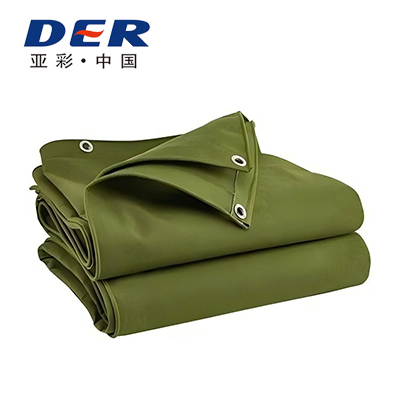
DERFLEX heavy duty vinyl tarp made from PVC coated polyester with reinforced eyelets
DERFLEX heavy duty vinyl tarp. The useful purchasing question is not simply “vinyl or canvas?” but which material system, seam method and reinforcement design fits the real service environment.
PVC-coated polyesterTypical heavy-duty vinyl construction
Weldable surfaceUseful for sealed panel fabrication
Custom reinforcementHems, webbing, patches, grommets
Roll or finished tarpSuitable for OEM and bulk programs
Answer First

When Is a Heavy Duty Vinyl Tarp Better Than Canvas?

Choose vinyl when the cover must block rain, tolerate road spray and dirt, handle repeated folding or tie-down movement, support welded fabrication, and clean quickly between uses. Choose canvas when ventilation is more important than sealing—especially around moisture-sensitive machinery, timber or indoor storage where trapped condensation is a bigger risk than direct weather exposure.

The Five Practical Advantages

Why Industrial Buyers Often Move from Canvas to Heavy Duty Vinyl

These reasons matter most when the cover is expected to work outdoors, move frequently, take tie-down loads or be reproduced consistently across bulk and OEM orders.

1

Stronger Water-Blocking Direction for Wet Outdoor Service

A standard heavy duty vinyl tarp typically uses a woven polyester reinforcement with a continuous PVC coating or laminate. That surface is well suited to rain, splash, road spray and exposed storage. Treated canvas can resist water, but it remains a textile system and is usually chosen for breathability rather than sealed water protection.

The finished tarp still matters: poorly designed penetrations, low points that collect water, damaged coating or weak seam construction can compromise any waterproof material. For a broader terminology and material comparison, see the DERFLEX PVC, vinyl and canvas tarp guide.

Vinyl advantage: continuous coated surface plus welded-seam capability.
Canvas advantage: airflow can reduce trapped moisture in the right application.
2

Better Fit for Repeated Abrasion, Dragging and Tie-Down Movement

Heavy-duty work rarely loads a tarp evenly. The first failures often start at corners, grommets, cargo edges, fold lines or places where a cover rubs against metal. A PVC-coated polyester construction gives buyers more control over base-fabric strength, coating build, surface finish and reinforcement layout.

That does not mean every vinyl tarp is automatically stronger than every canvas tarp. The correct comparison uses tensile and tear performance, scrim construction, edge design, hardware layout and the actual load path. DERFLEX explains this complete-system view in Which Tarp Is the Strongest?.

Procurement test: ask where the cover is pulled, rubbed, folded and tied down.
Design response: reinforce the stress zones instead of simply adding blanket weight.
3

More Fabrication Options for Large Waterproof Covers

Vinyl-coated polyester can be joined by compatible hot-air or high-frequency welding routes, depending on the exact construction and production setup. This is valuable for large truck covers, equipment covers, industrial curtains and panels where seam continuity matters.

Canvas is commonly sewn. Sewing is practical and strong in the right design, but needle holes and textile movement require more care when the target is a sealed weather barrier. Buyers sourcing roll material for fabrication should compare coating, weldability, surface finish and base textile—not only nominal weight. See DERFLEX heavy duty tarpaulin fabric for the material-supply side.

Vinyl fabrication: welded seams, welded patches, reinforced hems and custom hardware zones.
Canvas fabrication: sewn construction remains useful for breathable, textile-style covers.
4

Easier Wash-Down and Lower Moisture Absorption at the Surface

For fleet yards, construction sites and industrial storage, covers collect mud, road film, dust and handling grime. A smooth PVC surface can generally be wiped or washed more easily than a porous textile surface. It also does not rely on the same absorbent behavior as traditional cotton-rich canvas.

Canvas needs correct drying and storage to reduce odor, mildew and treatment deterioration. Vinyl also needs care: harsh solvents, excessive heat, sharp scraping and incompatible cleaners can damage the coating. Maintenance should be matched to the exact material rather than treated as “maintenance-free.”

Best fit: fleets, yards and job sites with regular cleaning cycles.
Watch for: chemical compatibility and complete drying before long storage.
5

More Repeatable Specification Control for OEM and Bulk Programs

For B2B purchasing, “heavy duty” is not a complete specification. Vinyl programs can be defined by base-fabric construction, total weight, thickness direction, coating or lamination route, surface finish, color, roll width, seam method, reinforcement, grommet layout, printing and packing.

This helps importers, distributors and tarp fabricators keep repeat orders closer to an approved construction instead of relying on a generic material name. Buyers evaluating a common commercial weight class can also review DERFLEX 18 oz vinyl tarp specifications.

Commercial value: easier specification transfer from sample to repeat order.
Cost logic: compare replacement frequency, labor and downtime—not only piece price.
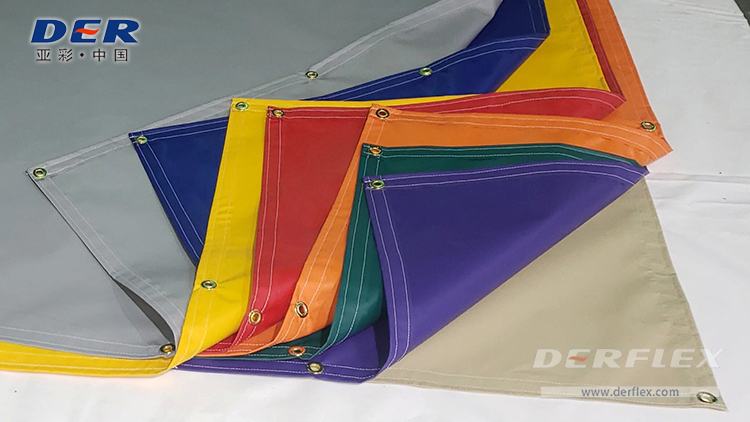
DERFLEX 18 oz PVC vinyl tarps in multiple colors with reinforced hems and metal eyelets

One Material Family, Many Finished Constructions

Color does not determine performance. Base fabric, coating, surface treatment, seam design, hardware and reinforcement create the actual tarp system.

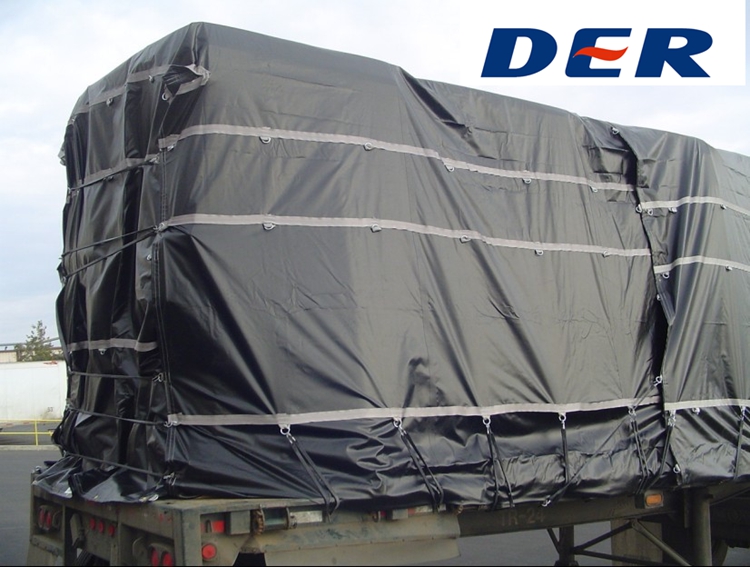
Heavy duty black PVC vinyl truck tarp with webbing and tie-down reinforcement

Truck Covers Show Why Edge Design Matters

Repeated wind movement and tie-down tension concentrate stress at reinforced edges, hardware and cargo contact zones—not uniformly across the tarp sheet.

Important Exception

Three Situations Where Canvas Can Be the Better Choice

A useful comparison should explain where vinyl is not the answer. Breathability is the main reason industrial buyers still specify canvas.

Breathability Priority

Moisture-Sensitive Equipment

Machinery or stored goods can suffer if warm, humid air is trapped under an impermeable cover. Breathable canvas may be preferable where rain sealing is secondary.

Indoor / Sheltered Use

Workshops and Warehouse Covers

Where direct rain is limited, canvas offers textile handling, airflow and a less plastic-like surface, which can suit tools, furniture and selected industrial items.

Condensation Control

Timber and Ventilated Storage

Some goods need moisture to escape. A breathable cover—or a vinyl system with deliberate ventilation and spacing—can be safer than sealing damp material.

60-Second Selection Matrix

Vinyl or Canvas? Start with the Failure You Cannot Accept

Use the matrix as a first-screening tool. Final selection should use the exact grade, finished cover design, climate, load and maintenance plan.

Buyer PriorityHeavy Duty Vinyl / PVC-Coated PolyesterTreated CanvasDecision Guidance
Rain and road sprayStrong fit when coating and seams are correctly specified.Usually water-resistant; prolonged wet exposure depends on treatment and seams.Prefer vinyl when water blocking is the main requirement.
BreathabilityLow in conventional continuous-coated construction.Generally higher airflow through the textile system.Prefer canvas when condensation release dominates.
Repeated abrasionGood engineering flexibility through scrim, coating and reinforcement choices.Can be durable, but performance varies with fiber, weight and treatment.Compare actual tear/tensile data and stress-zone design.
Seam sealingCompatible grades can be heat or HF welded.Commonly sewn; seam water resistance needs design attention.Vinyl is easier to engineer for large sealed panels.
CleaningSmooth coated surface is generally easier to wipe or wash.Can hold dirt and moisture within the textile structure.Vinyl often suits dirty fleet and jobsite cycles.
Weight and handlingHeavy grades can be substantial; weight varies by specification.Heavy canvas can also become heavier when wet.Do not select by “heavy duty” label—compare finished cover weight.
OEM repeatabilityCan be controlled by GSM, scrim, coating, finish, color, width and fabrication details.Can be specified, but treatment, shrinkage and textile behavior may need closer control.Use an approved sample plus written construction for repeat orders.
Buyer rule: if the job needs both waterproofing and condensation control, do not force a false either/or choice. Use a suitable vinyl construction with vents, spacers or controlled airflow, or design a hybrid cover system around the cargo.
Application Decision Table

Where Vinyl Usually Has the Stronger Business Case

The most useful material choice changes with the application and the consequence of cover failure.

ApplicationTypical PriorityStarting Material DirectionWhat to Specify
Flatbed trucks and freightRain, abrasion, tie-down, repeated foldingHeavy duty vinylBase fabric, GSM/oz, welds, webbing, D-rings/grommets, corner protection. See DERFLEX truck tarpaulin manufacturing.
Construction weather coversWeather, dirt, handling, cleanabilityVinyl in most exposed jobsUV direction, reinforcement, seam method, fastening and drainage slope.
Outdoor machineryRain plus condensation riskVinyl with ventilation, or canvas if shelteredVent points, clearance from hot surfaces, pooling control and abrasion pads.
Indoor equipment / woodworkingDust control and breathabilityCanvas can be practicalFiber shedding, dust containment, washability and moisture release.
Farm and yard storageWeather, mildew, long exposureApplication dependent; vinyl often for full weather barrierUV exposure, ground moisture, drainage, ventilation and anchoring.
OEM tarp product lineRepeatability and controlled finishingVinyl is highly configurableApproved construction, tolerance, colors, hardware layout, labels and packaging.
Engineering & Fabrication Notes

The Material Is Only Half of a Heavy-Duty Tarp

Finished-cover performance depends on how the sheet transfers real loads through seams, edges, hardware and installation points.

1. Design the Load Path

Identify where tie-down force enters the tarp and where wind can make the sheet flap. Reinforced hems, webbing and patches should carry those forces away from a single grommet hole.

2. Treat Seams as Structural Features

Panel layout, overlap, weld width and seam direction affect both waterproof continuity and mechanical performance. The appropriate process depends on the exact PVC construction and fabrication equipment.

3. Prevent Water Pooling

A waterproof tarp can still fail when installed flat with low points that collect water. Use slope, support and drainage so the cover does not become a suspended water bag.

4. Vent When the Cargo Needs It

Vinyl's water-blocking surface also limits vapor movement. For moisture-sensitive goods, combine the cover with intentional airflow, spacers or a different material where required.

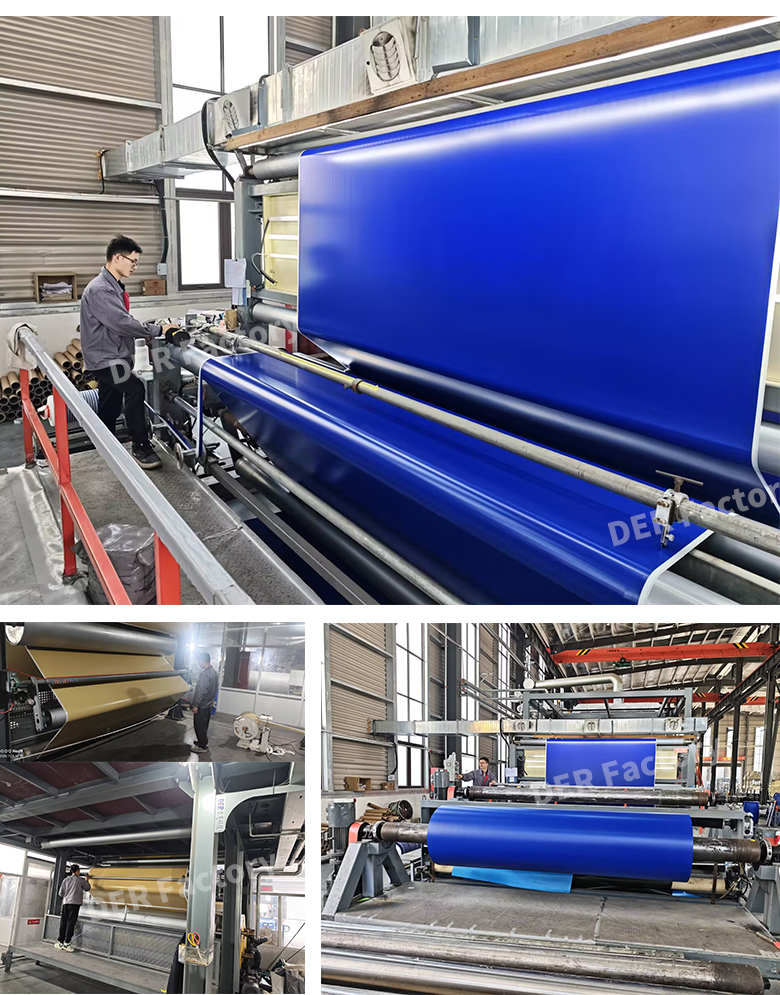
DERFLEX PVC coated fabric manufacturing line producing blue vinyl tarp material

Manufacturing Control Matters Before Fabrication

Base textile, coating uniformity, surface finish and roll consistency influence welding behavior, appearance and repeat-order performance. For procurement, match the quotation, approved sample and final purchase specification to the same construction.

RFQ Checklist

What to Send Before Requesting a Heavy Duty Vinyl Tarp Quote

A good RFQ reduces sample cycles and makes supplier quotations easier to compare.

Application and environmentTruck, equipment, construction, storage, agriculture or OEM resale; indoor/outdoor; climate and exposure.
Finished dimensions or roll formatFinished tarp size, drawing, panel shape, or roll width and length needed for fabrication.
Material targetPreferred GSM/oz, thickness direction, base fabric, color, surface finish and any approved sample reference.
Fabrication detailsWelding or sewing, hems, webbing, corner patches, pockets, D-rings, grommets, straps and reinforcement zones.
Performance requirementsWater exposure, UV, cold flexibility, abrasion, flame-retardant requirement or other project-specific needs.
Commercial informationQuantity, sample request, packing, labeling/private label, destination and target delivery window.
Common Procurement Mistakes

Five Errors That Make Vinyl-vs-Canvas Comparisons Misleading

Comparing only material names

“Vinyl” and “canvas” each include many grades. Compare structure, weight, strength, surface and fabrication, not the label alone.

Assuming heavier always means stronger

Added coating weight does not automatically solve a weak scrim, poor seam or badly reinforced grommet area.

Ignoring condensation

A more waterproof cover can create a moisture problem if the cargo needs airflow and the cover system has no ventilation plan.

Buying sheet strength but not tarp strength

The finished cover can fail first at corners, stitching, welds, webbing or hardware—even when the central sheet remains intact.

Comparing purchase price instead of use cycle

For repeat-use programs, include cleaning labor, repair frequency, downtime, replacement interval and reorder consistency in the cost comparison.

Skipping an approved specification

For bulk orders, attach the approved material, color, construction and finishing details to the purchase specification so repeat orders remain comparable.

Why DERFLEX for B2B Programs

Move from “Vinyl Tarp” to a Defined Industrial Cover Specification

DERFLEX supports material and finished-cover discussions around the actual application rather than treating every heavy duty tarp as interchangeable.

Material Matching

Discuss base fabric, coating direction, weight, surface, color and environmental exposure before bulk confirmation.

Fabrication Support

Specify welded or sewn construction, reinforced edges, webbing, grommets, D-rings, pockets, patches and finished shape around the load path.

Repeat-Order Control

For distributors and OEM programs, keep the approved sample, written construction, finishing details and packing requirements aligned across orders.

Buyer Questions

Heavy Duty Vinyl Tarps vs Canvas FAQ

Short answers to the questions buyers commonly ask before choosing a tarp material.

Are vinyl tarps better than canvas tarps?

For heavy rain, repeated outdoor exposure, truck covers, dirty industrial environments and welded fabrication, vinyl is often the better starting direction. Canvas can be better when breathability and condensation release are more important than a sealed weather barrier.

Are heavy duty vinyl tarps waterproof?

PVC-coated polyester is widely used for waterproof tarp construction, but finished-cover waterproofing also depends on seams, penetrations, edge design, damage and installation. A waterproof sheet alone does not guarantee a leak-free finished tarp.

Which lasts longer, vinyl or canvas?

There is no universal service-life number. In exposed, wet and abrasive industrial use, a correctly specified vinyl tarp often has advantages in water protection, cleaning and abrasion handling. In breathable sheltered uses, canvas may perform better because it reduces trapped moisture. Compare the exact grades and service conditions.

What is the main disadvantage of a vinyl tarp compared with canvas?

Breathability. A continuous PVC surface limits vapor movement, so condensation can build under the cover when damp goods, temperature swings or insufficient ventilation are present. Venting, spacing or a breathable material may be needed.

Is canvas a good choice for truck tarps?

Canvas can be useful for certain breathable cargo situations, but many heavy-duty truck and trailer programs prefer PVC vinyl because it supports a water-blocking surface, welded fabrication, abrasion-resistant constructions and reinforced tie-down details.

What should I compare when buying heavy duty vinyl tarps in bulk?

Compare base fabric, finished weight, coating or lamination method, thickness direction, tensile and tear performance, surface finish, UV/cold requirements, seam method, reinforcement, hardware layout, color tolerance, packaging and the approved sample used for repeat orders.

Need Vinyl or Canvas? Start with the Use Conditions.

Send DERFLEX the application, finished size or roll width, expected weather exposure, handling frequency, target material weight, reinforcement details, quantity, packing and destination. The quotation can then be built around a defined construction instead of a generic “heavy duty” label.

Request a Quote
Consulting Services
+86-021-54361792 / 54361798
Email
sales@derflex.com