TPU-Coated Nylon
Often considered where soft folding, tear behavior and lightweight flexibility are important.
- Dry bags, packrafts and foldable outdoor products
- Inflatable chambers and rescue equipment
- Products with repeated packing and deployment




DERFLEX supplies custom TPU coated fabric tarpaulin rolls and sheets for products that must be waterproof, weldable, flexible, airtight or suitable for repeated folding.
Instead of treating every inquiry as the same generic “TPU tarp,” we help factories, converters and product brands define the base textile, TPU chemistry, coating side, thickness, width, finish and welding route according to the actual use condition.
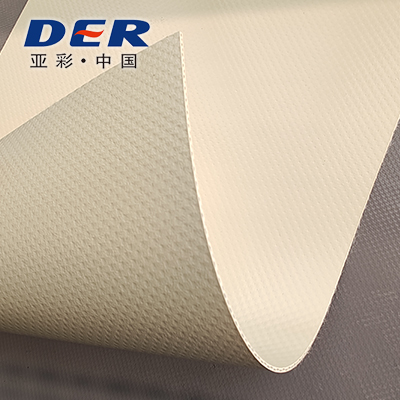
TPU-coated nylon, TPU-coated polyester, single-side coating, double-side coating, polyether or polyester TPU—each choice changes handling, welding and service behavior.
TPU coated fabric tarpaulin is a reinforced technical textile made by bonding thermoplastic polyurethane to a woven or knitted textile substrate. The textile layer carries tensile and tear loads, while the TPU layer creates the functional surface needed for waterproofing, air retention, liquid containment, abrasion handling and thermal welding.
The word “tarpaulin” often suggests a large cover sheet, but TPU tarpaulin material is also converted into shaped products: inflatable chambers, foldable tanks, dry bags, pressure cells, rescue equipment, industrial liners and protective enclosures. For those uses, the finished seam, corner design, valve reinforcement and fold pattern can be as important as the roll specification itself.
TPU chemistry, hardness, color, texture and coating thickness influence weld behavior, hand feel, abrasion response and appearance.
Coating adhesion and process stability help the fabric withstand converting, folding and seam loading without premature delamination.
Nylon or polyester yarn type, denier and weave construction determine tensile strength, tear behavior, elongation and dimensional stability.
Single-side or double-side TPU coating is selected according to airtightness, cleanability, liquid contact and the structure of the finished product.
Total weight alone does not reveal how the material will perform. Two 700 gsm constructions may use different base fabrics, coating ratios, TPU hardness and surface treatments. One may fold more easily; another may provide a wider welding margin or greater dimensional stability. For repeat production, DERFLEX recommends defining the full material structure and approved sample rather than purchasing by GSM alone.
The following decisions form a practical starting point for a custom TPU tarpaulin program.
Often considered where soft folding, tear behavior and lightweight flexibility are important.
Often selected for dimensional stability, controlled stretch and industrial roll programs.
Commonly evaluated for water contact, humidity and applications where hydrolysis resistance is an important qualification point.
Commonly evaluated where abrasion, mechanical strength or selected oil-contact conditions influence the design.
A dependable factory and wholesale program begins with a qualification checklist that reflects the final product.
Air, potable or non-potable water, oil-related media, general cargo or only rain exposure.
HF welding, hot-air welding, heat sealing, ultrasonic welding, adhesive bonding or sewn-and-sealed construction.
Occasional deployment, daily rolling, repeated inflation or long-term static installation.
Storage, converting and field-use temperatures should be separated and reviewed.
Dragging zones, fold lines, valve areas, corners, hardware contact and transport vibration.
Inflatable pressure, liquid head, finished-product geometry and seam stress distribution.
Peel, tensile, tear, air retention, hydrostatic resistance, hydrolysis, abrasion or market-specific items.
Approved sample, color target, roll tolerance, inspection method, packing and repeat-order records.
These DERFLEX product images illustrate different fabric surfaces and use directions. Final appearance and structure are selected for each program.
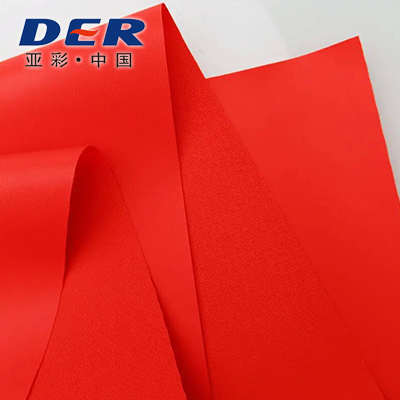
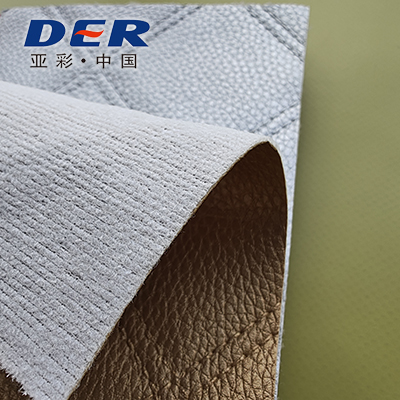
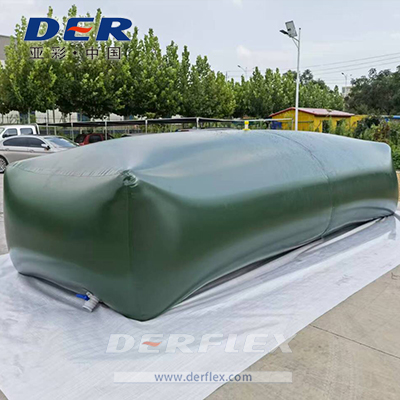
TPU is most useful when its flexibility, weldability, clean surface or air/liquid retention contributes to the finished product—not simply because it is a premium-sounding material.
Double-side TPU constructions may be evaluated for airtight chambers, flexible folding and welded seam performance in marine products.
Material selection considers liquid type, tank capacity, coating chemistry, valve reinforcement, seam load and repeated deployment.
Lighter constructions can combine waterproof sealing, roll-top flexibility, color matching and an appearance suitable for branded products.
Cleanable surface, controlled softness, weld consistency and air retention are reviewed according to the medical product design and market requirements.
TPU-coated polyester can be considered where a clean waterproof surface, dimensional stability and repeated flexing are required.
These products require application-specific material qualification, welded-seam testing and verification against the buyer’s relevant standards.
The table is a project-planning guide, not a universal fixed data sheet. Exact values depend on the chosen textile, TPU grade, coating method and end-use test plan.
| Specification Item | Available Direction | Procurement Consideration |
|---|---|---|
| Product form | TPU coated fabric tarpaulin roll, cut sheet, custom roll length or project-specific converting discussion | Choose roll width and length around cutting yield, equipment handling and packing limits. |
| Base textile | Nylon or polyester; lightweight to heavy-duty denier and weave constructions | Nylon often supports flexibility and tear behavior; polyester often supports dimensional stability. |
| TPU chemistry | Polyether TPU or polyester TPU direction | Water/humidity and abrasion/oil-related priorities should be stated before sampling. |
| Coating structure | Single-side or double-side TPU coating / lamination | Double-side structures are commonly evaluated for airtight, liquid-holding and cleanable products. |
| Weight & thickness | Lightweight through heavy-duty constructions, customized by end product | Do not specify thickness alone; include flex, welding and pressure requirements. |
| Roll width | Common project direction approximately 1.4–3.2 m; confirm current production feasibility | Wider material may reduce seams but can change coating, handling and transport considerations. |
| Surface | Matte, glossy, embossed, textile texture, clean smooth surface or application-specific finish | Finish affects appearance, friction, cleaning and sometimes welding conditions. |
| Color | Standard and custom color discussion; color target or sample matching available | Define light source, tolerance and whether color difference between lots is critical. |
| Joining process | HF welding, hot-air welding, heat sealing, ultrasonic welding or other validated process | Machine settings must be qualified on the actual fabric and seam design. |
| Functional direction | Waterproof, airtight, abrasion, low-temperature flex, hydrolysis, cleanability or liquid-contact development | Performance claims should be tied to an agreed test method and acceptance criterion. |
| Packaging | Roll core, protective wrapping, label, roll marking and export packing options | Confirm roll weight, unloading method and warehouse handling before order placement. |
Important: Regulatory, food-contact, potable-water, medical, flame-retardant or marine-safety suitability cannot be assumed from the material name. Confirm the target standard, sample construction and required test documentation for each project.
A disciplined development path helps reduce material mismatch, unnecessary sampling cycles and production uncertainty.
Share drawings, photographs, dimensions, liquid or air contact, pressure, temperature and field conditions.
Review nylon or polyester, TPU chemistry, coating side, weight, width, surface and target properties.
Run the buyer’s welding equipment and inspect seam appearance, peel, air or liquid retention and folding behavior.
Record construction, color, surface, roll dimensions, packaging and agreed inspection points before bulk production.
Review incoming material, coating surface, dimensions and batch records against the agreed specification.
DERFLEX approaches TPU material supply as a controlled B2B program involving application review, sampling, converting compatibility and repeat-order communication.
Rather than relying on broad terms such as “high quality,” buyers can define measurable or inspectable items.
Use these six related pages to compare waterproof roll goods and application-specific TPU constructions.
Practical answers for importers, converters, OEM factories and product developers.
TPU coated fabric can be engineered for waterproof and airtight use. Final performance depends on coating continuity, fabric structure, welded seam design, valve or hardware areas and finished-product testing. A material roll should not be treated as proof that every finished construction is leak-free.
A roll is supplied in continuous length for cutting and fabrication, while a sheet is cut to a specified size or converted into a flat panel. Roll supply usually supports better production flexibility; sheet supply can reduce cutting work for defined projects. Dimensions and edge tolerance should be written into the quotation.
Customization can include nylon or polyester base fabric, denier, weave, TPU chemistry, one-side or two-side coating, weight, thickness, width, roll length, color, embossing, surface finish, packing and performance direction. Feasibility is confirmed according to quantity and project requirements.
HF welding, hot-air welding, heat sealing and ultrasonic welding may be suitable depending on TPU type, coating thickness, base textile, equipment and seam design. The production window should be established through material coupons and representative seams before mass production.
TPU-coated nylon is often evaluated for flexible, tear-resistant and repeatedly folded products. TPU-coated polyester is often evaluated for dimensional stability, covers, industrial sheets and structured roll programs. The best choice depends on the finished product rather than the fiber name alone.
Compare the full construction: base fabric, yarn specification, coating type and side, total weight, thickness, width, roll length, color, finish, tolerance, test standard, packing, MOQ and sample approval basis. Two quotations using the same generic product name may not represent the same material.
Send the finished product, drawing or photo, use environment, target weight or thickness, base fabric preference, coating side, roll width, color, welding method, liquid or air contact, pressure, test requirements, estimated quantity and destination market. This allows the supplier to recommend a practical sample route.
Potential use must be evaluated against the exact material formulation, finished product and applicable market requirements. Specify the relevant potable-water, food-contact, biocompatibility or medical standard before sampling, and request the documentation and testing appropriate to the project.
DERFLEX can discuss TPU-coated roll goods, cut sheets and custom material directions for inflatables, flexible tanks, outdoor gear, medical air systems and industrial products.