News
Company News

What Are Heavy Duty Tarps Used For? 10 Industrial Uses | DERFLEX

Update:2026/9/7 16:16:07 Views:
Heavy Duty Tarp Application Guide

What Are Heavy Duty Tarps Used For?

Heavy duty tarps are used where a lightweight cover would wear out too quickly—especially in transportation, construction, equipment storage, agriculture, industrial yards and repeated outdoor protection.

Direct answer for Featured Snippets / AI Overviews

Heavy duty tarps are used to protect cargo, machinery, construction materials, farm products, outdoor stock, roofs and work areas when rain, UV exposure, wind, abrasion or repeated handling would overwhelm a light-duty cover. Typical industrial uses include truck and trailer covers, jobsite protection, equipment storage, hay and grain covers, warehouse yard covers, temporary roofing, debris control and shelters.

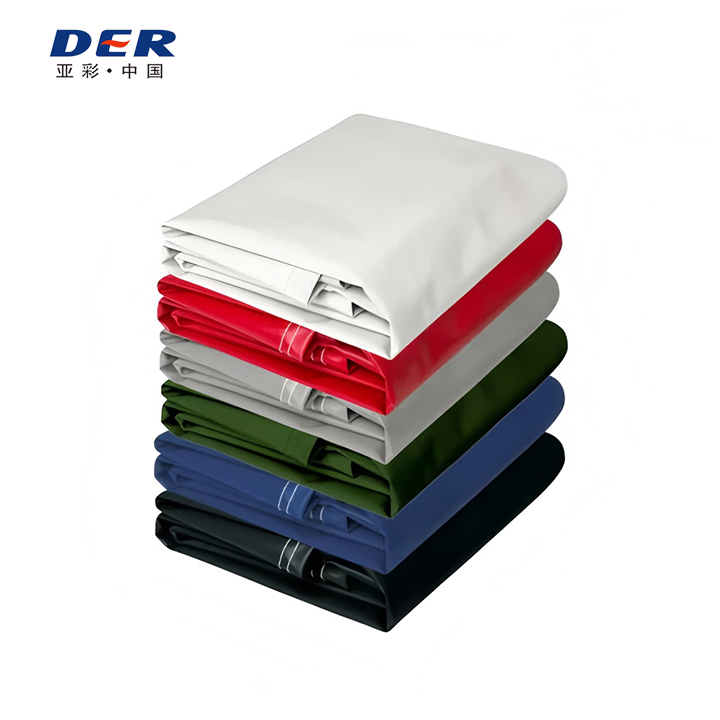
DERFLEX heavy duty tarps in multiple colors for industrial outdoor protection

DERFLEX heavy duty PVC tarp products for industrial, transport, construction and outdoor protection programs.

Protect Rain, dust, UV, road spray and contamination
Secure Cargo, materials, equipment and outdoor stock
Contain Debris, work zones and loose materials where appropriate
Shelter Temporary roofs, enclosures, canopies and weather barriers
10 Common Uses

Where Heavy Duty Tarps Do the Most Useful Work

The best use is not defined by the word “heavy duty” alone. It is defined by the stress the tarp must survive: movement, wind, abrasion, sunlight, water, tie-down load, folding frequency and exposure time.

01

Truck, Trailer & Cargo Protection

Heavy duty tarps cover freight on flatbeds, trailers, dump bodies and open cargo platforms. They help shield loads from rain, road spray, dust, sunlight and loose debris during transport.

  • Flatbed freight and machinery loads
  • Trailer and side-cover applications
  • Dump and waste hauling systems
  • Transport-grade covers with reinforced tie-down zones
02

Construction Site Protection

Contractors use heavy duty tarps to cover lumber, insulation, tools, scaffolding areas, unfinished work, temporary openings and site equipment exposed to changing weather.

  • Building material rain protection
  • Scaffold and work-zone shielding
  • Temporary enclosure panels
  • Roof and opening coverage during construction
03

Machinery & Equipment Covers

Industrial equipment, generators, forklifts, pumps, fabrication machines and construction machinery often need durable covers during storage, shutdown periods or outdoor staging.

  • Protection from rain and surface contamination
  • Reduced dust accumulation
  • Custom fitted or draped cover designs
  • Reinforcement at sharp or high-friction contact points
04

Agriculture, Hay, Feed & Farm Assets

Farms use heavy duty tarpaulins over hay, straw, feed, fertilizer bags, machinery and seasonal stock where rainfall, UV exposure, wind and repeated repositioning can damage lighter covers.

  • Hay and bale stack covers
  • Farm equipment and trailer protection
  • Seasonal feed and material storage
  • Temporary weather barriers around farm operations
05

Warehouse Yards & Outdoor Industrial Storage

Heavy duty tarps protect pallets, raw materials, fabricated components, steel, timber and other inventory stored in exposed yards or semi-outdoor areas.

  • Pallet and bulk stock protection
  • Temporary covers for loading and staging zones
  • Dust and weather barriers
  • Reusable covers for repeat handling programs
06

Temporary Roof & Storm Protection

A heavy duty waterproof tarp can provide temporary rain protection over damaged roofs or unfinished structures until a permanent repair is completed.

  • Emergency roof covering
  • Temporary building openings
  • Short-term weather barriers
  • Post-storm protection while repairs are scheduled
07

Waste, Mining & Bulk Material Control

In waste, recycling, aggregate and mining operations, purpose-designed heavy duty covers can help control dust, water exposure and loose material. Mesh may be better where airflow and lower wind load matter.

  • Roll-off and waste transport covers
  • Stockpile and material covers
  • Dust and debris control
  • Solid PVC or mesh selected by containment need
08

Temporary Shelters, Canopies & Enclosures

Reinforced tarp fabrics can be fabricated into temporary shelters, canopies, work enclosures and weather barriers when a flexible, relocatable structure is needed.

  • Worksite shelters
  • Temporary storage enclosures
  • Event or service canopies
  • Sidewalls and flexible enclosure panels
09

Boat, Marine & Outdoor Asset Covers

Heavy duty waterproof tarps are used for boat covers, dock equipment, outdoor gear and marine storage where moisture, sunlight and repeated exposure can shorten the life of unprotected assets.

  • Boat and equipment storage covers
  • Dockside material protection
  • Off-season outdoor storage
  • Custom reinforced edge and tie-down layouts
10

Ground Protection, Debris Handling & Work Zones

Tough tarps may be placed under maintenance, painting, landscaping or demolition activities to isolate surfaces, collect light debris and simplify cleanup.

  • Temporary ground sheets
  • Surface protection during maintenance
  • Light debris collection
  • Work-zone separation and cleanup support
Application Decision Table

Match the Tarp to the Stress, Not Just the Size

This table is designed for procurement teams, distributors and fabricators comparing heavy duty tarp specifications for different operating environments.

Application Main Stress Recommended Direction Important Finishing Details Buying Note
Truck & trailer cargo Wind pressure, repeated tension, abrasion, road exposure PVC coated polyester transport-grade tarp or system-specific material Reinforced hems, webbing, D-rings, grommets, welded seams Do not substitute a generic utility tarp for highway-speed cargo protection.
Construction site Rain, wind, sharp edges, dragging, repeated repositioning Heavy duty PVC tarp; mesh where airflow/wind relief is required Corner patches, secure fixing points, edge reinforcement Confirm project flame-retardant requirements before ordering.
Outdoor machinery UV, rain, dust, contact abrasion, condensation risk Waterproof PVC for weather blocking; ventilated design where moisture buildup matters Fitted shape, soft contact areas, reinforced high-wear points Do not seal heat- or moisture-sensitive equipment without considering ventilation.
Hay / farm storage Long UV exposure, wind lift, rain, large-area tension UV-stabilized waterproof tarp selected for seasonal or repeat use Strong tie-down layout, reinforced perimeter, repairable construction Secure installation often matters as much as fabric weight.
Warehouse yard Weather, dust, repeated covering/uncovering Reusable PVC tarp for frequent handling; lighter material for short temporary cover Handles, webbing, eyelets, identification/branding Specify handling frequency and storage method for the tarp itself.
Temporary roof Rain, wind uplift, water pooling Waterproof reinforced tarp with secure anchoring and proper slope Edge reinforcement, safe fixing, controlled drainage Avoid flat unsupported spans where rainwater can pool.
Waste / aggregates Abrasion, loose material, repeated rolling, airflow requirement Solid PVC for weather containment or mesh for ventilation and reduced wind pressure System-compatible pockets, hems, wear strips and hardware Match the cover to the tarp system and material being hauled.
Shelters / enclosures Wind, UV, tension, seam loading, long exposed spans Weldable PVC coated fabric selected for structure and exposure Welded panels, reinforced perimeter, engineered attachment points Large structural covers need project-specific load and fixing review.
Real DERFLEX Image Package

Heavy Duty Tarp Uses in Transport, Construction, Agriculture & Outdoor Protection

The page uses real DERFLEX-hosted product and application images with descriptive alt text for image search and accessibility.

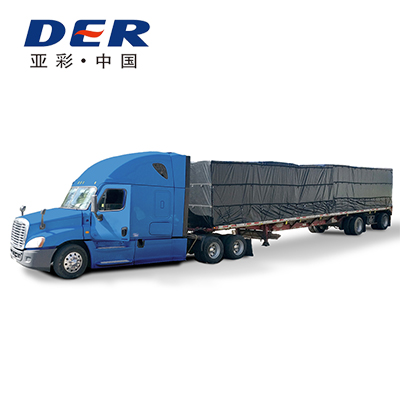
heavy duty truck and trailer tarp used for cargo protection
Truck & Trailer ProtectionTransport applications require reinforced tarp construction and secure tie-down geometry.
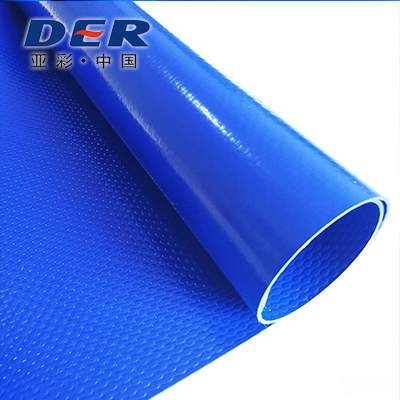
heavy duty PVC construction tarp material for jobsite weather protection
Construction & Jobsite UsePVC coated fabric is commonly selected when waterproofing, abrasion resistance and repeated handling matter.
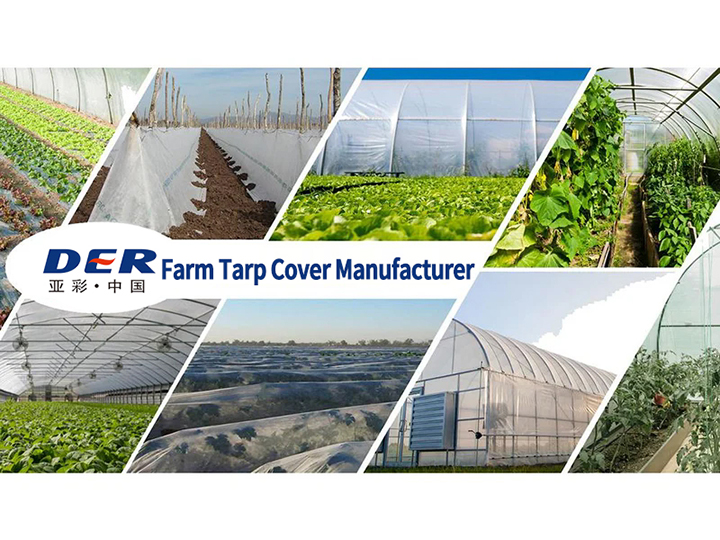
heavy duty agricultural tarps for farm, crop and outdoor storage protection
Agriculture & Farm StorageUV exposure, wind lift and secure fixing are central selection factors for farm covers.
waterproof heavy duty tarp fabric for outdoor equipment and material storage
Outdoor Equipment & StorageWaterproof protection should be balanced with ventilation needs and high-wear reinforcement.
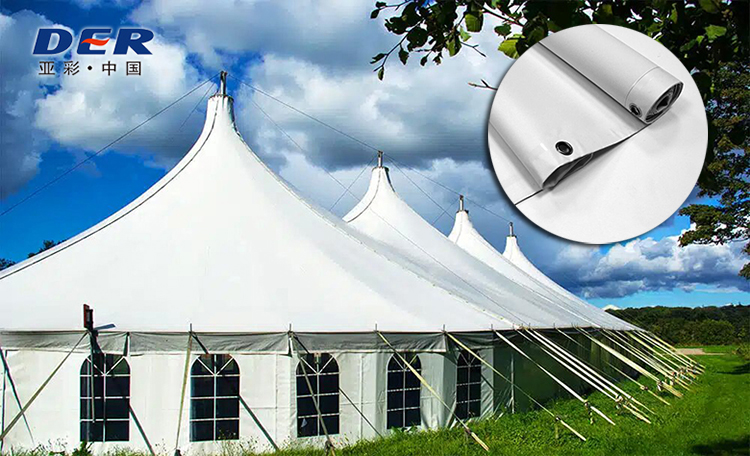
heavy duty tarp fabric used for temporary shelters canopies and enclosures
Shelters & EnclosuresWeldable coated fabrics can be fabricated into large covers, sidewalls and flexible shelter systems.
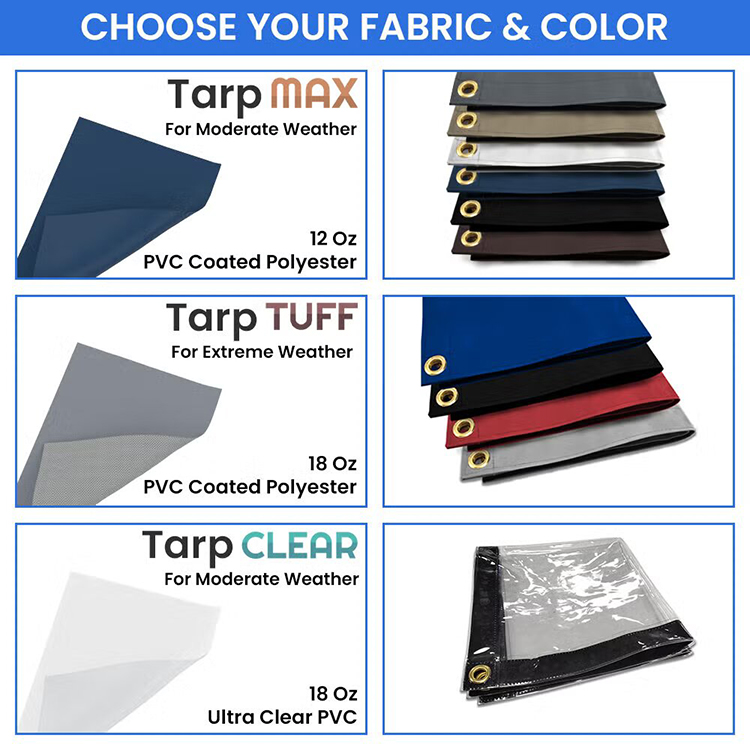
custom heavy duty tarp fabric weight color and finished tarp options
Custom Tarp ProgramsSize, fabric weight, color, reinforcement, grommets, webbing and branding can be matched to the market.
Material Selection

Which Heavy Duty Tarp Material Fits the Use?

“Heavy duty” is a performance level, not a single material. PVC vinyl, polyethylene, canvas and mesh behave differently in real service.

Material Direction Best For Main Advantages Important Limitation
PVC coated polyester / vinyl tarp Trucking, equipment, construction, industrial storage, reusable outdoor covers Waterproof, weldable, abrasion resistant, cleanable, strong reinforcement options Heavier than economy poly; specification must match cold/heat exposure and handling
Heavy duty polyethylene tarp Temporary roofing, general outdoor cover, seasonal storage, large-area economical coverage Lightweight, waterproof surface, easy handling, cost-efficient Usually less suitable for high-cycle abrasion and demanding transport use
Canvas / polyester canvas Breathable covers, equipment or material protection where condensation control matters Breathable, good abrasion behavior, less surface condensation than fully sealed covers Do not assume every canvas tarp is fully waterproof
Mesh tarp Shade, debris control, landscaping, waste loads, fencing, airflow applications Allows airflow, reduces wind pressure, lighter handling Not a waterproof rain barrier
Engineering Notes

Why Heavy Duty Tarps Fail Even When the Fabric Is Strong

Field failure often starts at the installation, edge, seam or fastening point rather than in the middle of the sheet.

Four Stress Zones to Design Around

  • Edges and corners: repeated pulling concentrates load around hems, ropes, grommets and webbing.
  • Contact points: sharp cargo or machinery edges can abrade a tarp even if the overall fabric is thick.
  • Unsupported spans: wind flapping and rainwater pooling can create large dynamic loads.
  • Seams and joins: panel welds or sewn seams must suit waterproofing, fold cycles and expected tension.

Heavy Duty Does Not Mean “Use the Heaviest Sheet”

A heavier tarp may last longer in some applications, but extra weight can slow deployment, increase driver or crew effort, make folding difficult and add load to temporary structures.

A better specification balances base-fabric strength, coating, weight, flexibility, reinforcement and handling frequency.

Practical rule: If the tarp will move at highway speed, span a large unsupported area, restrain loose material or remain installed in strong wind, treat it as an engineered cover system rather than a generic sheet.
Common Procurement Mistakes

Five Errors That Shorten Tarp Life

A

Buying by mil thickness alone

Thickness does not reveal yarn strength, coating adhesion, tear resistance, seam quality or reinforcement design.

B

Using a static cover for moving cargo

A utility tarp may be adequate over stationary equipment but unsuitable for transport loads exposed to wind pressure and repeated tie-down cycles.

C

Ignoring water pooling and wind flapping

Good installation needs slope, support and proper tension. Standing water and repeated flapping can overload otherwise strong material.

D

Placing fabric over sharp edges without protection

Wear strips, corner pads or local reinforcement can be more valuable than simply increasing the whole tarp weight.

E

Assuming every “heavy duty” tarp is waterproof or flame retardant

Waterproofing and FR performance must be confirmed from the actual material construction and project specification—not inferred from the marketing label.

F

Not defining the finishing before quotation

Grommet spacing, webbing, D-rings, handles, seams, pockets, labels and packaging can materially change cost and performance.

DERFLEX Manufacturing & B2B Supply

Specify the Tarp Around the Application

DERFLEX supports PVC coated polyester tarp material and custom finished tarp programs for distributors, fabricators, fleet suppliers, contractors and industrial buyers.

What DERFLEX Can Customize

Current DERFLEX heavy duty tarp ranges show common PVC coated polyester directions around 450–900gsm, with custom options available by project. Selection should start with the use environment rather than a fixed headline weight.

  • Fabric weight, structure, color and surface finish
  • Roll material, panels or finished tarp formats
  • Heat-welded seams, sewn details and reinforced hems
  • Grommets, D-rings, webbing, rope edges and corner reinforcement
  • Logo printing, OEM labels and export packaging
  • UV, anti-mildew and project-specific functional directions where confirmed
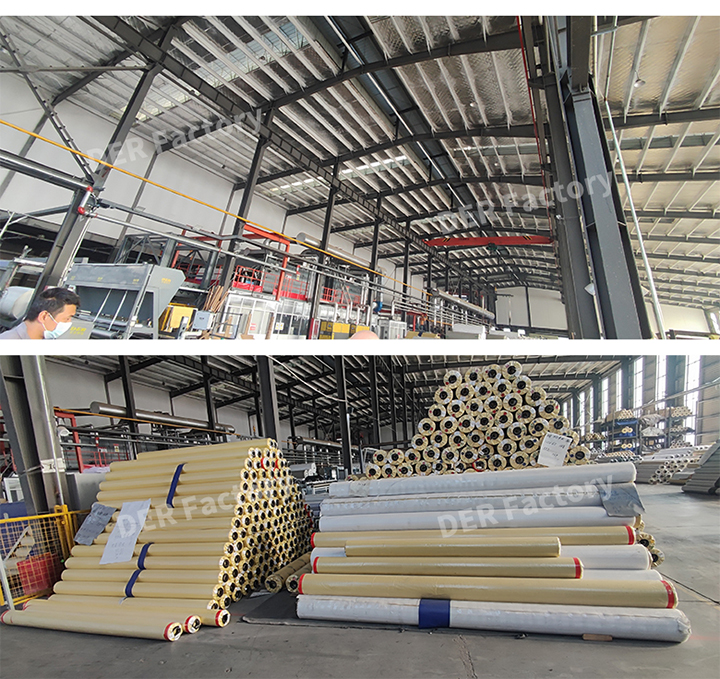
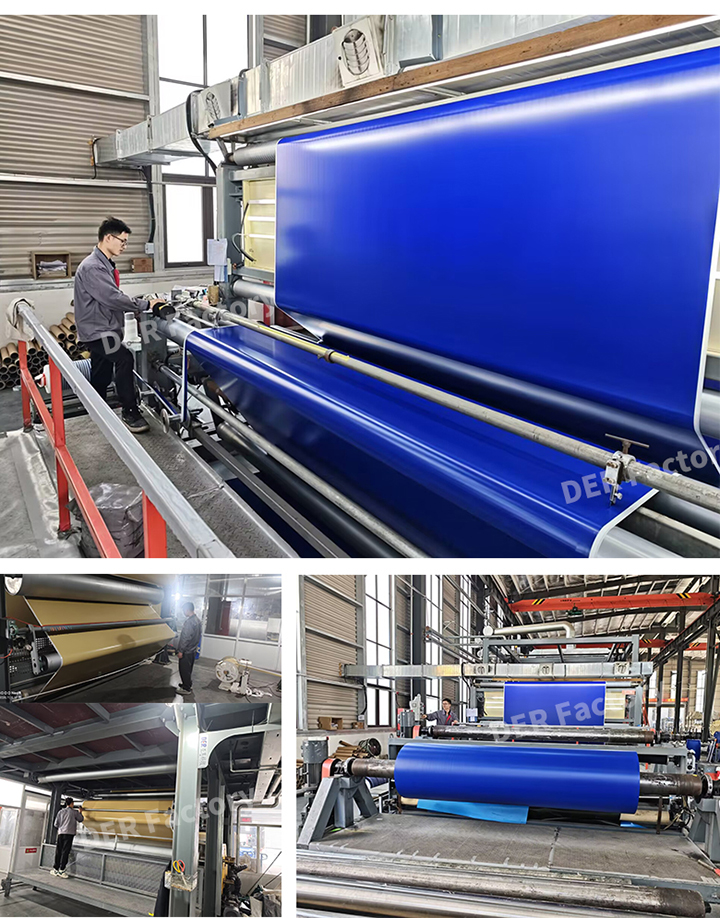
DERFLEX heavy duty tarp factory roll storage and production area DERFLEX PVC coated tarp fabric production line for heavy duty tarpaulin
RFQ Checklist

What to Send Before Asking for a Heavy Duty Tarp Quote

A precise request lets the supplier recommend material and finishing without guessing.

Application & Environment

  • What is being covered or contained?
  • Stationary use or transport use?
  • Indoor, semi-outdoor or continuous outdoor exposure?
  • Rain, strong sun, wind, abrasion, snow, dirt or chemical contact?
  • How frequently will the tarp be folded, rolled, dragged or removed?

Product & Commercial Details

  • Finished size, drawing or roll width
  • Preferred material, GSM / oz or target duty level
  • Color, finish and logo requirements
  • Grommets, D-rings, webbing, pockets, ropes or other hardware
  • Quantity, packaging, destination and repeat-order expectations
Related Questions

Heavy Duty Tarp FAQs

Short, extractable answers for buyers and search systems.

What are heavy duty tarps used for?

Heavy duty tarps are used for truck and trailer cargo protection, construction site covering, machinery and equipment storage, hay and farm storage, warehouse yards, temporary roofing, shelters, debris control and other jobs where a light cover would not withstand repeated weather and handling.

What makes a tarp heavy duty?

A heavy duty tarp combines stronger base fabric, durable coating or material construction, adequate tear and tensile strength, weather resistance, reinforced edges and fastening points, and a specification matched to the application. Thickness alone does not define heavy duty performance.

Are heavy duty tarps waterproof?

Many heavy duty PVC and polyethylene tarps are designed as waterproof barriers, but not every heavy duty material is waterproof. Mesh tarps are breathable rather than waterproof, and some canvas covers prioritize airflow. Finished waterproofing also depends on seams, holes and installation.

What is the best heavy duty tarp for long-term outdoor use?

For many reusable industrial and outdoor programs, PVC coated polyester is a strong option because it combines waterproofing, UV-resistant formulations, abrasion resistance, weldability and reinforcement flexibility. The final choice should account for climate, exposure time, handling frequency and tie-down stress.

Can a heavy duty tarp be used on a truck?

Yes, but moving cargo needs a transport-grade tarp or tarp system designed for wind pressure, tie-down tension and repeated road use. A generic stationary utility tarp should not automatically be treated as suitable for highway cargo protection.

Is a heavier tarp always better?

No. Higher weight can improve durability in some jobs, but it can also make deployment, folding, handling and structural support more difficult. A better tarp balances strength, coating, flexibility, reinforcement and the actual service environment.

How do I stop a heavy duty tarp from tearing at the grommets?

Use reinforced hems or webbing, avoid excessive point loading, match grommet spacing to the installation, protect against flapping, and spread tension across multiple fixing points. For demanding work, local reinforcement around high-load hardware is often necessary.

Can DERFLEX make custom heavy duty tarps?

DERFLEX supports custom tarp material and finished-cover programs with project-based options for size, fabric weight, color, welded or sewn construction, hems, webbing, grommets, D-rings, printing and packaging.

Need a Heavy Duty Tarp for a Specific Application?

Send DERFLEX the application, finished size or roll width, quantity, exposure conditions, preferred material weight and finishing details. The team can help match a practical PVC tarp structure or custom finished cover to the job.

Recommended page intent: Application / Buying Guide. Recommended URL: https://www.derflex.com/what-are-heavy-duty-tarps-used-for.html

,
Consulting Services
+86-021-54361792 / 54361798
Email
sales@derflex.com