News
Industry News

What Are the Different Types of Tarps? Material & Use Guide | DERFLEX

Update:2026/7/25 23:03:08 Views:

What Are the Different Types of Tarps?

Tarps can be classified by material, coating, airflow, visibility, thermal performance, safety treatment and the job they are designed to perform.

This guide separates material families from application-built tarp systems, helping distributors, fabricators, contractors, fleet operators and project buyers compare the options without relying on vague labels such as “general purpose” or “heavy duty.”

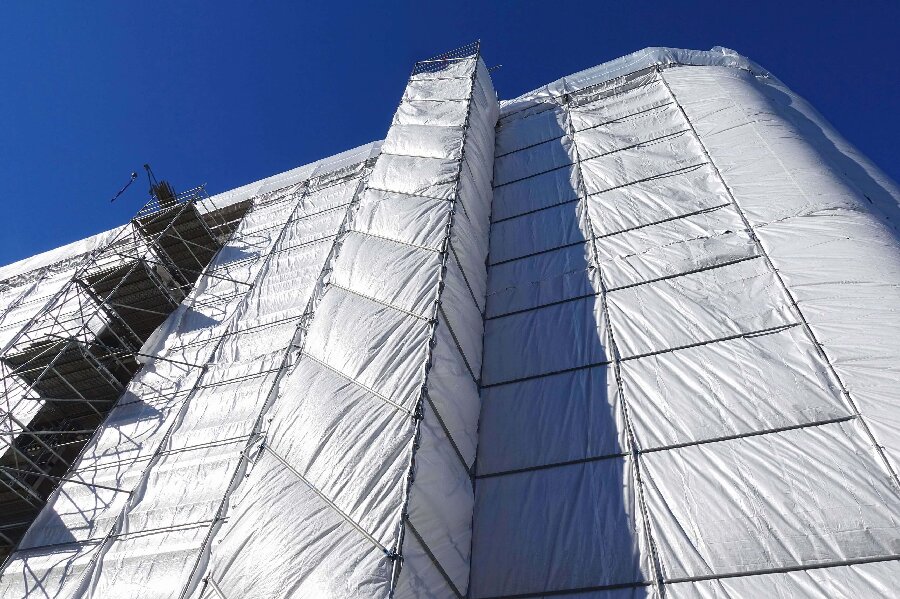
Heavy duty construction tarps installed on a building project
Application-matched protection A tarp should be selected for its exposure, securing method, handling frequency and required service conditions.
Quick answer

The main tarp material types are polyethylene, PVC or vinyl, canvas, mesh and clear PVC. Other important categories include insulated, flame-retardant, truck, construction, agricultural, marine and specialty industrial tarps. The right choice depends on whether you need waterproofing, breathability, airflow, visibility, abrasion resistance, temperature control or a custom securing system.

Understanding the category

A tarp type is not defined by color alone

Many buyers first recognize tarps by color: blue poly sheets, green canvas covers, black mesh panels or glossy vinyl truck tarps. Color can help with identification, heat absorption, visibility or brand presentation, but it does not reliably indicate strength, thickness, waterproof performance or service life. Two tarps with the same color may use different yarns, weave density, coating thickness, edge reinforcement and hardware.

A more dependable classification begins with the base material. Polyethylene tarps are lightweight and economical. PVC-coated polyester tarps are selected for reusable waterproof covers and industrial fabrication. Canvas is useful where breathability matters. Mesh allows controlled airflow and shade. Clear PVC provides visibility and weather separation. Insulated or fire-retardant constructions add a specific performance function.

Why the distinction matters in commercial sourcing

A retail buyer may only need a stock-size cover for occasional use. A commercial buyer often needs repeatable rolls, exact finished dimensions, stable color, welded seams, reinforced fixing points, labels, packaging or compliance documentation. In these cases, “what type of tarp?” becomes a specification question rather than a product-name question.

The sections below explain the main tarp families, their advantages, common limitations and the buying situations in which each one is normally considered.

Material families

The main types of tarp materials

Material choice determines the basic balance between waterproofing, breathability, weight, flexibility, strength, cleanability, weldability and cost.

Polyethylene Tarps

Polyethylene tarps, often called poly tarps or PE tarpaulins, are usually made from woven polyethylene strips with laminated surface layers. They are lightweight, waterproof and easy to handle, which makes them common for temporary protection and general outdoor covering.

Common strengths
Low weight, economical cost, waterproof surface and broad stock-size availability.
Typical uses
Temporary roof protection, construction material covers, camping groundsheets, garden tasks, short-term storage and basic agricultural covering.
Purchasing caution
Confirm weave density, UV treatment, actual finished size and reinforcement. Lightweight PE is not normally the preferred option for frequent industrial reuse or high abrasion.

PVC / Vinyl Tarps

PVC or vinyl tarps are commonly made from a polyester base fabric coated or laminated with polyvinyl chloride. The textile core provides tensile and tear strength, while the PVC surface contributes waterproofing, cleanability, welding compatibility and outdoor resistance.

Common strengths
Waterproof surface, strong tear and tensile performance, abrasion resistance, weldable seams and broad customization potential.
Typical uses
Truck and trailer covers, industrial equipment covers, construction tarps, warehouse curtains, tents, agricultural covers and reusable outdoor protection.
Purchasing caution
Specify base fabric, total weight, coating route, finish, cold flexibility, UV requirement and seam method. “Vinyl” alone does not define a complete grade.

Canvas Tarps

Canvas tarps are made from woven cotton, polyester or blended canvas. Their key distinction is breathability. Air movement can help reduce trapped heat and condensation around machinery, timber, metal components and other stored goods.

Common strengths
Breathability, abrasion resistance, textile feel, good handling and suitability for treated or coated variations.
Typical uses
Machinery covers, lumber protection, warehouse dust covers, landscaping, painting and applications where moisture release is important.
Purchasing caution
Traditional treated canvas is usually water-resistant rather than fully waterproof. For standing water or long rain exposure, a coated structure may be more appropriate.

Mesh Tarps

Mesh tarps use an open or perforated structure that allows part of the air and light to pass through. Shade percentage and airflow depend on yarn construction, coating, aperture and fabric density.

Common strengths
Reduced wind load, ventilation, partial shade, debris control and lower water accumulation than solid covers.
Typical uses
Dump trucks, landscape trailers, scaffolding screens, shade structures, privacy barriers, sports facilities and agricultural windbreaks.
Purchasing caution
Mesh is not a waterproof substitute for solid tarpaulin. Confirm shade rate, airflow, edge loading, attachment spacing and expected wind conditions.

Clear PVC Tarps

Clear PVC tarps and transparent vinyl panels combine visibility with separation from rain, wind, dust or splashes. They may be used alone or welded into opaque reinforced borders for stronger attachment.

Common strengths
Visibility, light transmission, wipe-clean surface and compatibility with curtain or enclosure fabrication.
Typical uses
Patio curtains, tent windows, industrial partitions, marine enclosures, observation panels and temporary weather screens.
Purchasing caution
Clarity, thickness, yellowing resistance, cold flexibility and scratch exposure should be reviewed for the real environment.

Insulated Tarps

Insulated tarps use layered constructions that may combine outer protective fabrics with foam, nonwoven or thermal barrier materials. They are intended to slow heat transfer rather than serve as a simple weather sheet.

Common strengths
Thermal buffering, reusable site protection and coverage for temperature-sensitive work or materials.
Typical uses
Concrete curing, winter construction, equipment protection, temporary enclosures and industrial thermal covers.
Purchasing caution
Confirm layer structure, insulation thickness, moisture behavior, seam design, handling weight and fire-performance requirements.

Fire-Retardant Tarps

Fire-retardant tarps are formulated or treated to meet a defined flame-performance pathway. The relevant standard depends on the country, industry and installation, so buyers should specify the exact test requirement rather than request a generic “fireproof tarp.”

Common strengths
Safety-oriented performance options for regulated sites, temporary structures, curtains and public project environments.
Typical uses
Construction enclosures, event tents, industrial curtains, welding areas and projects with documented flame requirements.
Purchasing caution
Fire-retardant does not mean non-combustible. Confirm the test method, certificate scope, color, thickness and whether the finished assembly must also be evaluated.

Specialty Technical Tarps

Specialty tarps are engineered around a particular risk or process. Examples include anti-static, oil-resistant, chemical-resistant, welding, acoustic, high-temperature, low-temperature and containment-oriented covers.

Common strengths
Application-specific performance beyond basic weather covering.
Typical uses
Mining, power generation, oilfield work, manufacturing, maintenance, spill control, sound separation and hazardous work-zone management.
Purchasing caution
These products require clear operating conditions and testing criteria. Material compatibility should be confirmed before bulk production.
Side-by-side comparison

Which tarp material is suitable for which job?

The table provides a practical starting point. Final performance depends on the grade, coating, weight, reinforcement, installation and exposure conditions.

Tarp type Water protection Breathability / airflow Durability direction Typical buying reason Common limitation
Polyethylene Waterproof surface when intact Low Light to medium, grade dependent Economical, lightweight, temporary covering Lower grades may age or tear faster under repeated industrial use
PVC / Vinyl High; welded seams can improve finished-cover sealing Low Medium to super-heavy-duty Reusable waterproof covers, fabrication and OEM supply Heavier and usually higher in initial cost than basic PE
Canvas Water-resistant unless coated or specially treated High Strong abrasion resistance Breathable protection and reduced condensation Can absorb moisture; not ideal for pooling water without a suitable treatment
Mesh Not waterproof High and controllable Grade and edge design dependent Shade, airflow, debris containment and reduced wind load Does not provide complete weather sealing
Clear PVC High at the material surface Low Thickness and environment dependent Visibility, light transmission and weather separation Scratch, fold marks and cold-temperature behavior require attention
Insulated Outer layer can be weather-resistant or waterproof Usually low Reusable when properly handled Temperature buffering and curing protection Bulkier, heavier and more complex to clean or store
Fire-retardant Depends on base material Depends on structure Application dependent Documented flame-performance requirement The correct standard and certificate scope must be confirmed

Selection note: terms such as waterproof, UV-resistant, flame-retardant and chemical-resistant should be linked to a defined material specification and, where required, a relevant test method. Performance can change with seams, holes, hardware, installation angle and maintenance.

Application-built categories

Tarps are also named for the work they perform

These categories may use several material types. The application determines the geometry, reinforcement, hardware and performance priorities.

Truck & Trailer Tarps

Flatbed, lumber, steel, coil, dump truck, roll-off and side-curtain tarps are developed around cargo shape, drop depth, road exposure, folding cycles, abrasion and tie-down layout. Solid PVC-coated polyester is common for waterproof cargo protection, while mesh is often used for loose-load containment.

Construction Tarps

Construction tarps may be used for temporary roofs, scaffolding, facade containment, material storage, dust control, equipment covers and weather enclosures. UV stability, wind loading, grommet spacing and flame-retardant requirements can be as important as waterproofing.

Agricultural Tarps

Farm tarps protect grain, feed, hay, machinery, silage, greenhouses, ponds and seasonal storage. Buyers may prioritize waterproofing, anti-mildew treatment, UV exposure, easy cleaning, large-panel welding or economical seasonal use.

Marine Tarps

Boat and port covers face sunlight, moisture, salt exposure, movement and hardware stress. Material choice should consider UV resistance, surface cleanability, flexibility, reinforcement, fastening and the need for ventilation around the covered asset.

Industrial Covers & Curtains

Industrial tarps are used as machinery covers, warehouse dividers, work-zone curtains, acoustic barriers, weather partitions and maintenance screens. They are often custom fabricated around openings, tracks, straps, windows, access points and site safety requirements.

Emergency & Temporary Shelter Tarps

Emergency roof covers, temporary shelters, ground sheets and rapid-response partitions require a balance of packability, waterproofing, strength, visible color, fixing points and practical installation. The correct grade depends on expected deployment time and climate.

Buying guidance

How to choose the right type of tarp

Start with the operating problem, then select the material and construction. This is more reliable than beginning with a color, generic duty label or the lowest price per sheet.

Seven questions to define the specification

  1. What must the tarp protect against? Rain, sunlight, dust, wind, abrasion, heat loss, sparks, chemicals, oil, debris or visibility restrictions.
  2. Is the cover temporary or repeatedly reused? A temporary PE sheet and a daily-use transport tarp require very different structures.
  3. Does the covered item need ventilation? Choose canvas or mesh when trapped condensation, heat or wind pressure is a concern.
  4. How will the tarp be secured? Confirm grommets, D-rings, webbing, straps, rope-in-hem, keder, pockets, hooks or track systems.
  5. What handling stresses occur? Repeated folding, dragging, sharp edges, wind flutter and mechanical systems increase reinforcement needs.
  6. Are there regulatory or test requirements? Clarify flame performance, restricted substances, color visibility, antistatic behavior or project documentation before production.
  7. What is the required supply format? Roll material, cut panels, semi-finished sheets, finished tarps, private-label packaging or repeat OEM batches.

Common sourcing mistakes

Choosing only by GSM or mil thickness

Weight and thickness matter, but the base yarn, weave, coating adhesion, plasticizer system, reinforcement and seam design can change real performance significantly.

Assuming every “waterproof” tarp is a sealed system

A waterproof material can still leak through stitched seams, unsealed holes, damaged surfaces or poorly designed overlaps. Finished-cover construction must match the protection target.

Using solid tarp where airflow is required

Solid covers can trap heat and condensation or carry higher wind load. Canvas or mesh may be more suitable for certain machinery, lumber, shade and transport applications.

Ordering nominal size without checking finished size

Some stock tarps are listed by cut size and finish smaller after hemming. Custom commercial projects should confirm the required finished dimensions and tolerances.

Requesting “fireproof” without a standard

Use the correct term—fire-retardant or flame-retardant—and provide the required test method, market and installation type. The supplier can then propose a suitable route for evaluation.

DERFLEX manufacturing support

From tarp category to an application-matched specification

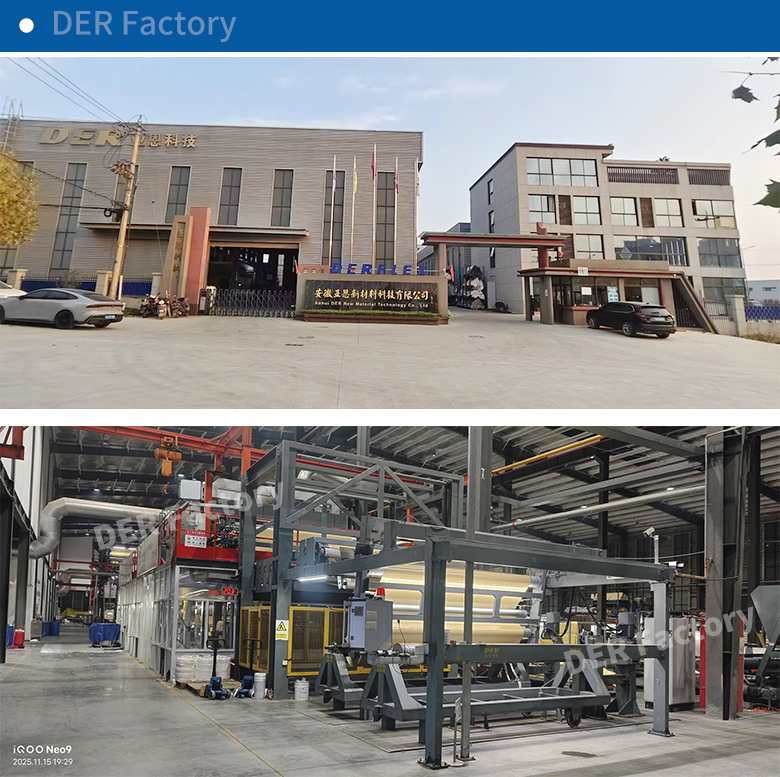
DERFLEX supports commercial buyers with PVC-coated fabric, tarpaulin rolls, panels and finished-cover development for transport, construction, agriculture, storage, shelters and industrial protection.

DERFLEX coated fabric manufacturing facility and production line

Material structure discussion

Coated or laminated PVC-polyester structures can be selected according to durability, fabrication, appearance and target cost.

Custom dimensions

Width, roll length, cut panels and finished sizes can be reviewed around downstream processing and installation efficiency.

Surface & functional options

Gloss, matte, embossed, lacquered, UV-resistant, anti-mildew, cold-flexible and flame-retardant pathways are available for project discussion.

,

Fabrication details

Welded or stitched seams, reinforced hems, webbing, eyelets, D-rings, straps, rope edges, windows, labels and printed marks can be specified.

B2B supply formats

Options may include roll goods, cut material, semi-finished components, finished tarps and OEM/private-label programs.

Sample-led confirmation

For custom projects, sample and data confirmation can help verify handling, color, welding, finish and application fit before bulk production.

Typical PVC tarpaulin discussion range

DERFLEX website product information shows commonly discussed PVC tarpaulin ranges around 350–1100gsm and widths from approximately 1.02–5.10m, with heavier or application-specific routes available. These figures are reference directions rather than a universal promise; the final specification, tolerance and performance requirements should be confirmed for each order.

FAQ

Frequently asked questions about tarp types

Practical answers for buyers comparing materials, duty levels and custom tarp construction.

What are the most common types of tarps?

The most common material types are polyethylene, PVC or vinyl, canvas, mesh and clear PVC. Commercial buyers also use insulated, flame-retardant and specialty technical tarps. By application, common categories include truck tarps, construction tarps, agricultural tarps, marine covers and industrial curtains.

Which tarp type is waterproof?

Polyethylene and PVC/vinyl tarp materials are normally waterproof at the sheet surface when intact. For a finished cover, seam construction, holes, eyelets, overlaps and installation determine whether the complete system resists water ingress. Canvas is generally water-resistant unless coated or specially treated, while mesh is not waterproof.

What is the difference between a poly tarp and a vinyl tarp?

Poly tarps are usually lighter and more economical, making them useful for temporary or general-purpose covering. Vinyl tarps commonly use PVC-coated polyester and are selected for stronger reusable covers, truck applications, industrial fabrication, abrasion resistance and welded seams. The exact comparison still depends on the individual grades.

When should I choose canvas instead of PVC?

Choose canvas when breathability and condensation control are more important than complete waterproof sealing. Machinery, timber and some stored goods can benefit from airflow. Choose PVC-coated fabric when long rain exposure, a wipe-clean surface, welded seams or reusable industrial waterproofing is the priority.

Are mesh tarps suitable for truck loads?

Mesh tarps are widely used for dump trucks, landscape trailers and loose-load containment because airflow reduces wind pressure. They are not intended to keep cargo dry. Solid PVC truck tarps are more suitable when waterproof cargo protection is required.

What does heavy duty mean for a tarp?

Heavy duty should describe a stronger complete construction rather than a marketing label alone. Buyers should review material weight, base yarn, weave, tensile strength, tear strength, abrasion resistance, UV stability, coating, edge reinforcement, hardware and the expected handling cycle.

Can DERFLEX customize tarp material and finished covers?

DERFLEX supports custom discussions for material structure, weight, width, color, surface finish, UV and flame-retardant options, seams, hems, grommets, D-rings, webbing, straps, printed marks, labels, packaging and supply format. Availability and final requirements depend on the project, quantity and confirmed specification.

Not sure which tarp type fits your application?

Send the application, dimensions, exposure conditions, expected service cycle, fixing method, target quantity and any performance standard. DERFLEX can review the requirement and recommend a practical material and construction direction for quotation.

Request a Quote
Company: DERFLEX Website: www.derflex.com Suggested URL: /what-are-the-different-types-of-tarps.html
Consulting Services
+86-021-54361792 / 54361798
Email
sales@derflex.com