Protect Truck and Trailer Cargo
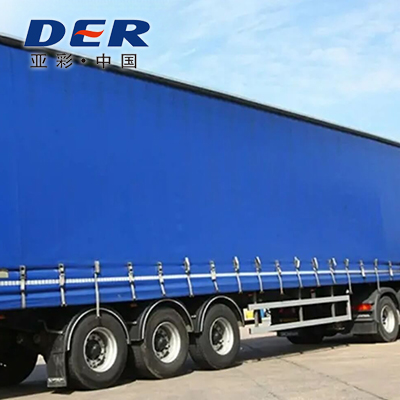
Cover flatbed loads, building products, agricultural goods and irregular cargo during transport.
Best fit: reinforced waterproof PVC with abrasion-resistant finishing.



Use a tarp to cover, protect, shelter, shade, divide, line, collect, contain or move materials—at home, outdoors, on a farm, in transport or across an industrial site.
This task-first guide gives you 24 useful ideas, explains which tarp material fits each job and shows when a made-to-measure PVC tarp delivers better value than a temporary cover.
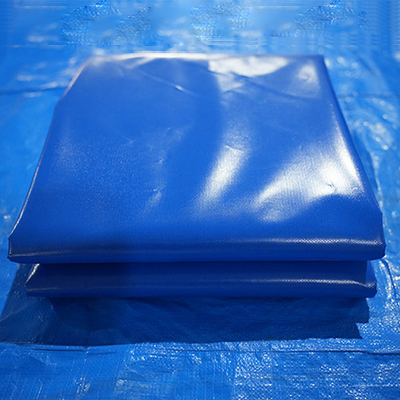
The best tarp use is not limited to putting a sheet over an object. A well-chosen tarp can act as a waterproof roof, temporary wall, clean work floor, cargo restraint layer, equipment skin, debris collector, weather enclosure or fabricated cover.
For a quick household task, a light poly tarp may be enough. For repeated outdoor use, road transport, machinery, construction materials or commercial storage, a reinforced PVC coated polyester tarp is usually the stronger choice because it can be welded, reinforced and made to exact dimensions.
Start with the job, exposure time and failure risk. Then select material, weight, edge design and fastening points.
Instead of one long list, these uses are organized around the result you need: protection, shelter, handling, containment or visual control.
Keep rain, dust, sunlight, road spray and loose debris away from items that are exposed or stored.
Cover flatbed loads, building products, agricultural goods and irregular cargo during transport.
Shield generators, tractors, pumps, tools and idle machinery from weather and site contamination.
Keep lumber, insulation, cement bags, steel components and unfinished work dry between shifts.
Reduce moisture exposure on hay bales, feed, grain, salt, aggregate or outdoor bulk materials.
Create seasonal or temporary protection for boats, motorcycles, utility vehicles and equipment trailers.
Keep patio furniture, grills, cushions, bicycles and stored garden items cleaner between uses.
Use the tarp as a roof, wall or divider when permanent construction is unnecessary or unavailable.
Pitch an A-frame or lean-to above a sleeping area, hammock, picnic table or outdoor kitchen.
Build a fast protective cover after storms, during field work or in emergency response operations.
Reduce direct sun over tool stations, loading points, rest zones or temporary outdoor work areas.
Attach a tarp to a suitable frame or fence to reduce wind, visibility or drifting dust.
Create temporary work cells, dust separation zones, wash bays or storage partitions.
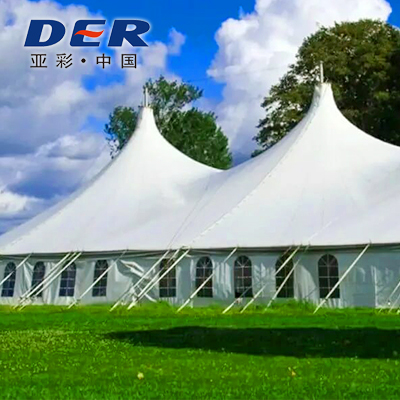
Protect staging, equipment, seating support areas or temporary service zones from changing weather.
Turn the tarp into a reusable handling surface for debris, loose materials, tools and messy jobs.
Rake branches, leaves and trimmings onto a tarp, fold the sides and move the load efficiently.
Use a durable sheet as a short-distance drag carrier around gardens, farms or landscaping projects.
Protect floors, walls, furniture and equipment during painting, spraying, repair or renovation.
Lay tools, parts, ropes, food containers or repair materials on a clean, visible surface.
Protect surfaces from dirt, moisture, paint, garden waste or residue during temporary hauling.
Position tarps beneath cutting, demolition, roof work or maintenance tasks to speed cleanup.
Use a tarp as a temporary barrier or lining system when the application and material are suitable.
Limit water intrusion after storm damage while waiting for a qualified permanent repair.
Form a sloped temporary catch beneath a controlled leak and direct water toward a container.
Manage rain exposure, weeds or surface erosion on selected landscape and storage materials.
Use a compatible reinforced membrane as part of a planned berm or liner for controlled applications.
Take advantage of tarp color, printability and large-area coverage for communication and emergency visibility.
Angle a clean tarp to direct rainwater into a suitable container for cleaning or landscape use.
Use printable or colored coated fabric for temporary branding, safety zoning, screening or wayfinding.
Select the job conditions below. The tool gives a practical starting recommendation—not a substitute for engineering review on safety-critical projects.
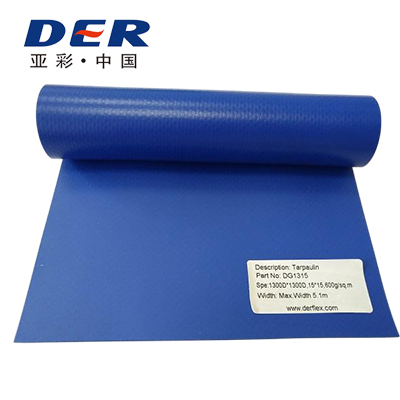
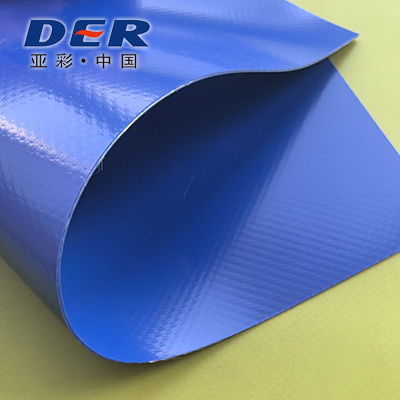
DERFLEX PVC coated fabrics can be supplied as rolls, panels or finished covers for transport, agriculture, shelter and custom fabrication.
The same tarp should not be expected to handle a one-day cleanup, daily highway use and long-term industrial storage.
| Job condition | Practical material direction | Why it fits | Details to confirm |
|---|---|---|---|
| Short-term household or garden cover | Light PE tarp | Low weight, economical and easy to handle for temporary work. | Finished size, eyelet spacing, UV exposure and expected replacement cycle. |
| Repeated outdoor equipment or material protection | PVC coated polyester tarp | Better tear resistance, waterproofing, abrasion performance and weldability. | GSM, base fabric, UV treatment, cold flexibility and reinforcement layout. |
| Truck, trailer and daily commercial handling | Heavy duty PVC tarp | Suitable for tie-down stress, road weather, repeated folding and custom fabrication. | Load geometry, friction zones, edge webbing, D-rings, eyelets and seam direction. |
| Shade, privacy or debris control with airflow | PVC or HDPE mesh tarp | Allows controlled airflow and reduces wind pressure compared with a solid sheet. | Open-area percentage, shade rate, wind load, edge reinforcement and fastening pattern. |
| Breathable furniture or indoor protection | Canvas or breathable cover material | Helps reduce condensation where full waterproof sealing is not the only priority. | Water resistance, breathability, mildew risk, staining and cleaning method. |
| Containment, lining or chemical contact | Application-specific coated membrane | Performance depends on liquid compatibility, seam inte, grity and regulatory needs. | Chemical data, temperature, duration, hydrostatic load, welding and test requirements. |
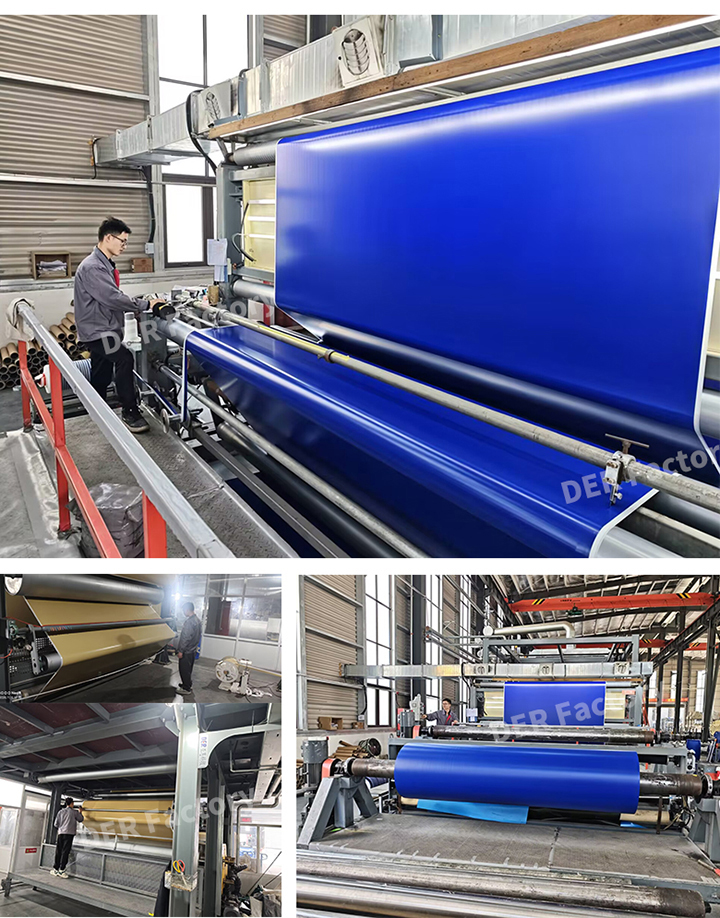
Commercial buyers often lose value when a generic sheet is too small, pulls at the wrong points, traps water or fails around sharp corners. DERFLEX supports specification-driven tarp programs for distributors, converters, contractors, fleets, farms, equipment brands and industrial projects.
These six internal guides help buyers move from a general idea to the correct material, specification and supply model.
Review coated polyester structure, waterproof performance, fabrication and common specification ranges.
Explore PVC tarpaulin →Compare tarp directions for outdoor storage, equipment, trucks, agriculture and custom cover projects.
View waterproof tarps →Understand the trade-off between economical temporary coverage and stronger repeated-use performance.
Compare PVC and PE →Use exposure time, wind, abrasion, waterproofing and fastening method to define the specification.
Open the tarp buying guide →Plan made-to-measure dimensions, reinforcement, hardware, printing and private-label supply.
Review custom manufacturing →Read the broader industrial application guide for transport, construction, agriculture and storage.
See industrial tarp uses →A tarp works best when water, wind, heat and edge stress are managed instead of ignored.
Pitch or shape the tarp so rain drains instead of collecting in low pockets that overload fabric and anchors.
Use enough secure points, avoid loose flapping and choose mesh or engineered anchoring when wind pressure is high.
Pad sharp corners and reinforce high-friction zones. Most premature failures begin at edges, folds or hardware.
Keep standard plastic tarps away from hot surfaces and open flame. Specify tested flame-retardant material where required.
Practical answers for homeowners, contractors, distributors and commercial buyers.
You can use a tarp to cover cargo, machinery, building materials, hay, vehicles and outdoor furniture; create shelter, shade, windbreaks and temporary dividers; collect debris; protect floors; line truck beds; direct leaks; cover stockpiles; support temporary containment; collect non-potable rainwater; or create printed visual barriers.
A UV-stabilized PVC coated polyester tarp is commonly selected for repeated or long-term outdoor use because it offers strong waterproofing, tear resistance, abrasion resistance and fabrication capability. The correct GSM, base fabric, surface treatment and edge design depend on the application.
PVC is generally better for repeated, heavy-duty, commercial and custom-fabricated applications. PE is lighter and more economical for temporary or low-stress coverage. The better choice depends on service life, handling frequency, wind, abrasion and replacement cost.
Use the correct number of attachment points, keep load tension distributed, avoid sharp edges, reduce flapping and choose reinforced hems, webbing or patch reinforcement around high-stress hardware. Do not rely on a few corner eyelets for a large wind-loaded cover.
It depends on the item. Direct contact may be acceptable for some cargo and materials, but trapped moisture, abrasion or heat can cause problems. For machinery, furniture and long-term storage, use supports, padding or ventilation where needed.
Yes. DERFLEX can discuss custom size, shape, material weight, coating, color, reinforced hems, eyelet layout, webbing, D-rings, welded seams, printing, labels and packaging. Buyers can provide a drawing, dimension sheet, sample or application description.
Send the application, dimensions, expected service life, weather exposure, quantity and finishing requirements. DERFLEX can recommend a practical material and fabrication direction for roll supply or finished covers.