01
Reduced Heat Loss
A selected insulation core helps slow conductive and convective heat loss from concrete, equipment, temporary rooms or stored materials.



DERFLEX develops custom insulated tarpaulin systems for cold-weather construction, temporary enclosures, industrial equipment protection, storage and logistics. Specify the outer skin, insulation core, thickness, dimensions, perimeter reinforcement and fastening layout as one controlled product—not as separate afterthoughts.
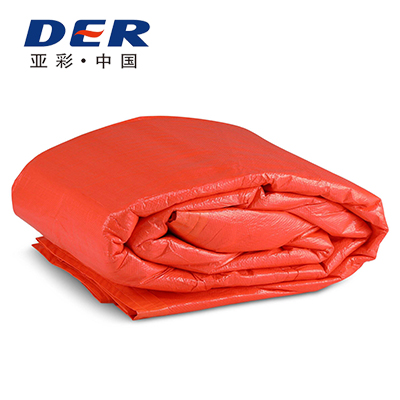
An insulated tarpaulin is a flexible, multi-layer cover designed to slow heat transfer while also providing a practical barrier against wind, moisture, dust or surface contact. A typical system combines a durable outer skin with a foam, bubble, felt or reflective insulation layer, then closes the assembly with a second protective face.
The term can describe concrete curing blankets, temporary enclosure panels, insulated curtains, equipment covers or thermal cargo covers. These products may look similar from the outside, but their internal construction, seam design and attachment details should be matched to the actual duty.
An insulated tarp helps retain existing heat or reduce external heat gain. It is different from an electrically heated blanket, which actively supplies heat. On cold-weather projects, the correct choice depends on ambient temperature, initial material temperature, wind, exposure time and the required process window.
The working performance comes from the complete assembly. DERFLEX can review each layer and finishing detail against the buyer’s climate, handling and installation plan.
A PVC insulated tarpaulin is often considered where the outer surface must tolerate repeated handling, rain, dirt, abrasion and fabricated seams. PVC coated polyester can also support welded panel construction, making it useful for larger curtains, custom covers and enclosure components.
The PVC grade should be selected around cold-flex requirements, outdoor exposure, cleaning method, fire-performance requirements and the expected fold cycle. A heavier face is not automatically the correct choice if the finished panel becomes difficult for crews to deploy.
A useful insulated tarpaulin specification balances thermal function with weather resistance, handling, installation and repeatability.
A selected insulation core helps slow conductive and convective heat loss from concrete, equipment, temporary rooms or stored materials.
Coated or laminated outer skins can be configured for rain, snow, wind and dirty jobsite conditions, subject to seam and edge design.
The face material and plasticizer system should remain workable at the project temperature rather than becoming unnecessarily stiff.
Webbing, folded hems and localized reinforcement help distribute tension around grommets, straps, corners and panel connections.
Repairable faces, controlled seams and practical panel sizes can support seasonal reuse when the covers are cleaned, dried and stored correctly.
A fixed bill of materials, drawing, hardware layout and inspection checklist helps wholesale and OEM batches remain consistent.
Product imagery from the DERFLEX website shows the insulated tarp format and PVC coated surface directions used in custom cover development.
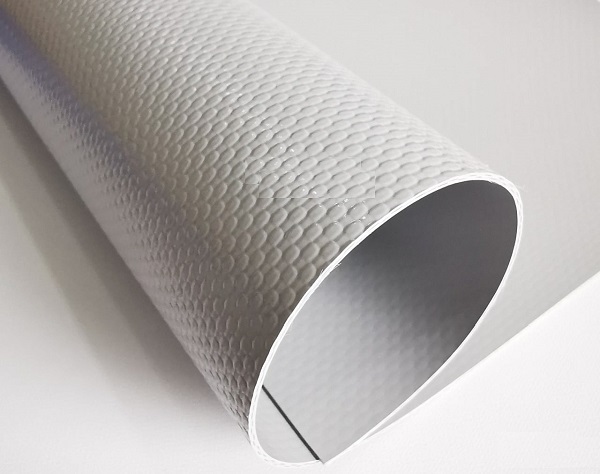
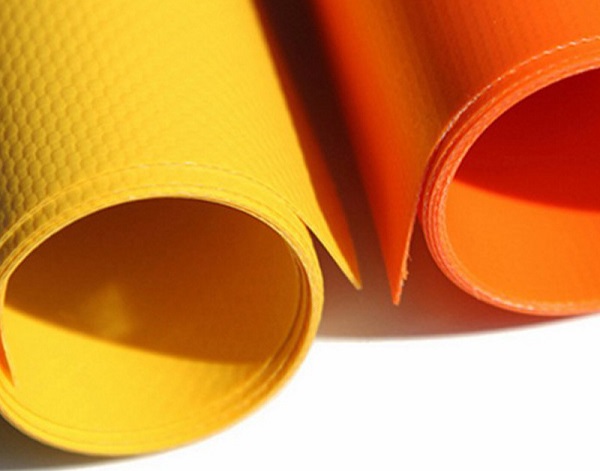
The ranges below are project directions rather than a universal product guarantee. Final values depend on the approved sample, layer construction and agreed test method.
| Product Direction | Insulated tarpaulin, PVC insulated tarpaulin, insulated construction tarp, thermal curtain, curing blanket or custom insulated equipment cover. |
|---|---|
| Outer / Inner Skin | PVC coated polyester, reinforced PE fabric, reflective film facing or other application-matched coated textile. |
| Insulation Core | Closed-cell foam, multi-layer foam, bubble insulation, felt or composite core selected for thermal target and handling requirements. |
| Finished Weight | Approximately 400–1500 gsm can be discussed for selected systems; heavier or lighter constructions may be reviewed. |
| Core Thickness | Project-specific. Common concepts include thin flexible cores through multi-layer builds; confirm thickness together with thermal test data when required. |
| Panel Dimensions | Standard or custom dimensions based on material width, transport, crew handling, joining method and installed coverage. |
| Edge Finish | Folded or welded hems, webbing reinforcement, rope edge, double-layer perimeter, corner patches or replaceable attachment strips. |
| Fastening Options | Grommets, D-rings, straps, buckles, hook-and-loop flaps, rope loops, bungee points, handles or drawing-specified hardware. |
| Functional Options | UV resistance, cold-flex formulation, anti-mildew treatment, reflective surface, selected flame-performance route, printing and identification labels. |
| Supply Format | Finished tarps, joined panels, curtain sections, fitted covers, semi-finished components or repeat wholesale / private-label programs. |
For fire-sensitive sites, confirm the required standard, end-use classification and supporting documentation before material approval.
The same product name can cover very different tasks. The use case should drive the material, panel size and attachment method.
Cover slabs, walls, forms or precast components to help retain curing heat and reduce direct exposure to cold air and wind.
Create removable wall, scaffold or work-zone panels where heat retention, wind reduction and rapid installation are needed.
Develop fitted or blanket-style covers for machinery, valves, pipe runs and stored equipment exposed to seasonal temperature risk.
Use insulated covers as a passive thermal buffer for selected cargo, containers or temporary storage, subject to product-specific temperature controls.
Support temporary partitions, crop-storage covers, greenhouse service areas or livestock-zone heat retention where ventilation is also considered.
Form temporary insulated barriers around work zones, components or service openings during repair, coating and maintenance operations.
Choose according to the process need. These three products solve different thermal and protection problems.
Primarily used to block rain, dust or wind. It has little dedicated insulation unless a separate layer is added.
Combines protective skins and an insulation core to slow heat loss or heat gain without supplying electrical heat.
Uses an electrical heating element and control system to introduce heat. It requires power, operating controls and electrical safety review.
DERFLEX can discuss custom insulated tarpaulin manufacturing for contractors, distributors, converters and private-label programs.
Configure the layer system around use temperature, exposure, expected handling and required documentation.
Match fabrication details to how crews will install, join, move, identify, repair and store each panel.
Share the , use case, temperatures, exposure, duration and whether heat is passive or actively supplied.
Review face material, core, thickness, panel weight and any required fire or environmental route.
Confirm dimensions, seams, hems, hardware, joining points, openings, labels and packing.
Use the approved BOM, sample, drawing and inspection criteria for later wholesale or OEM batches.
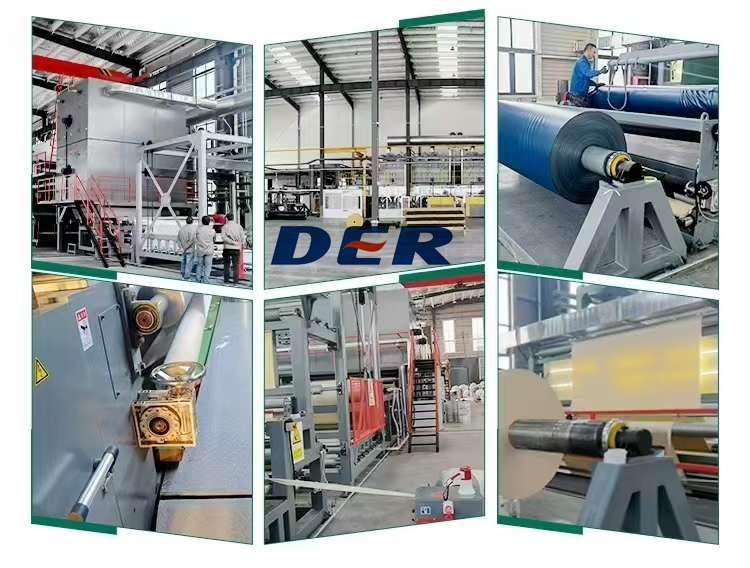
DERFLEX has worked with coated fabrics and tarpaulin materials since 1998. For an insulated tarpaulin program, useful quality control starts with the approved construction and continues through material identification, lamination or assembly, seam workmanship, dimensions, hardware and packaging.
Certification or test claims should be confirmed against the exact product construction and the buyer’s target market. Supporting documents are supplied only where applicable and agreed.
These six internal resources help buyers compare coated fabrics, weather covers and adjacent industrial protection systems.
Practical answers for specifying material, thickness, performance, fabrication and purchasing information.
A normal tarp primarily provides surface and weather protection. An insulated tarpaulin adds a dedicated thermal core between protective skins, allowing it to slow heat transfer. The finished system is usually thicker and requires more attention to seams, panel size, edge reinforcement and storage.
Yes. DERFLEX can review PVC coated polyester faces combined with a selected insulation core and inner skin. The finished product can include custom dimensions, welded or sewn seams, reinforced edges, grommets, D-rings, straps, handles, joining flaps, printing and project packaging.
The choice depends on the required thermal resistance, use temperature, compression, moisture exposure, flexibility, finished weight and budget. Closed-cell foam is a common direction for reusable construction blankets; reflective or bubble layers may suit selected radiant-heat or lightweight applications. The construction should be confirmed by sample and agreed test data where thermal performance is critical.
Many insulated tarpaulins use waterproof PVC or PE outer skins, but the finished cover also depends on seam construction, penetrations, edge design and installation. For applications requiring water exclusion, specify welded seams and review all attachment points, overlaps and drainage conditions.
A selected flame-performance route can be discussed for the outer skin and complete assembly. The buyer should provide the required test standard, end-use classification and destination market before material selection. A flame-rated face material does not automatically establish the classification of the complete multi-layer product.
Send the application, operating and ambient temperature range, desired thermal target or reference product, face material preference, core type or thickness, dimensions, quantity, seam and edge requirements, hardware spacing, color, printing, packaging, delivery country and any required test standard. Photos, drawings or an existing sample will improve specification review.
DERFLEX can review a suitable insulated tarpaulin construction for your project, wholesale range or OEM program. Include the temperature conditions, panel dimensions, preferred face material, insulation target, fastening details and destination market.