News
Industry News

TPU Fabric for Inflatable Boat Manufacturer | Marine TPU Coated Fabric | DERFLEX

Update:2026/9/27 1:19:30 Views:
Marine TPU Technical Textile · OEM Roll Supply

TPU Fabric for Inflatable Boat Manufacturers

DERFLEX supplies TPU coated nylon and polyester fabrics for inflatable boats, packrafts, kayaks, whitewater rafts, RIB collars and rescue craft. The material specification can be built around air retention, boat pressure, abrasion zones, wet exposure, welding equipment and repeat OEM production—not GSM alone.

  • Polyether or polyester TPU direction
  • Nylon or polyester textile reinforcement
  • Single-side or double-side TPU structures
  • HF / RF, hot-air and heat-sealing trials
  • Custom color, finish, width and roll format
  • Sample-first validation before bulk production
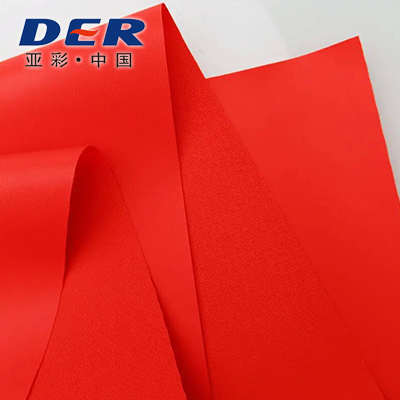
DERFLEX red TPU inflatable fabric for inflatable boat tubes, packrafts and welded air chambers
DERFLEX TPU inflatable fabric. Final construction should be approved against the boat design, production welding process and finished-craft test plan.
Answer First

What TPU Fabric Is Used for Inflatable Boats?

TPU inflatable boat fabric is a reinforced technical textile in which thermoplastic polyurethane is coated or laminated onto a nylon or polyester base. The textile reinforcement carries mechanical load, while the TPU layer provides the waterproof, airtight and thermally weldable surface needed to form boat tubes and sealed air chambers.

For marine use, buyers should specify the base textile, TPU chemistry, coating side, total construction, surface and joining method as one system. Polyether TPU is commonly discussed for prolonged wet or hydrolysis-sensitive environments; double-side TPU structures are often considered when both faces need functional sealing, patches or reinforcement welding.

Material Architecture

Inflatable Boat Fabric Is a Structural System, Not a Generic Waterproof Sheet

A boat tube sees pressure, folding, wave motion, dock contact, fittings, welded patches and wet storage. The material must therefore be selected as a combined textile-and-polymer structure.

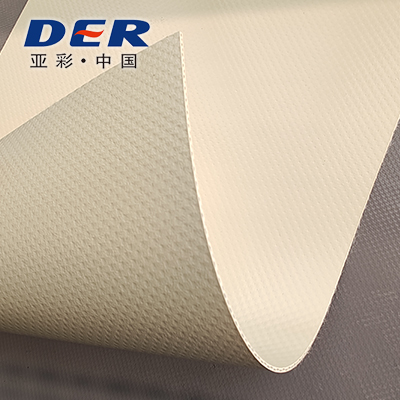
Outer TPU Layer Waterproof and airtight barrier, weldable surface, abrasion interface and visual finish.
Nylon or Polyester Reinforcement Provides tensile strength, tear resistance, shape control and the structural backbone of the air chamber.
Optional Inner TPU Layer Supports double-side sealing, patches, baffles, reinforcement welding and more flexible chamber construction.

Four decisions define the real material

  • Base textile: nylon is frequently evaluated for foldability and tear performance; polyester is often evaluated for dimensional stability and balanced bulk supply.
  • TPU chemistry: polyether and polyester TPU directions should be discussed against wet exposure, hydrolysis risk, abrasion, temperature and mechanical targets.
  • Coating structure: one-side TPU may suit selected lightweight designs; double-side TPU offers more freedom for sealed, patched and reinforced air chambers.
  • Fabrication route: welding equipment, overlap geometry, fittings and cooled-seam performance can be as important as the roll specification itself.
Specification Framework

TPU Inflatable Boat Fabric Specification Direction

The table below is a purchasing framework rather than a universal fixed specification. Final values should be frozen after material sampling, welding trials and representative finished-product testing.

Selection Item Available / Common Direction Why It Matters for Boat Production
Product Direction TPU inflatable boat fabric, TPU coated boat fabric, airtight marine TPU textile For packrafts, dinghies, kayaks, rafts, RIB collars, rescue boats and sealed marine components.
Base Fabric Nylon or polyester Controls tear behavior, foldability, dimensional stability and structural reinforcement.
Denier Direction 420D, 840D, 1000D, 1680D and customized woven structures can be discussed Lower or higher denier should be matched to craft weight, tube diameter, abrasion exposure and packability.
TPU Chemistry Polyether TPU or polyester TPU direction Water exposure, hydrolysis risk, abrasion, temperature and process requirements influence selection.
Coating Structure Single-side or double-side TPU coating / lamination Double-side structures are often considered for demanding airtight chambers, patches and reinforcements.
Total Weight / Thickness Available according to project requirements Should be selected against finished boat weight, pressure, handling and wear zones rather than by GSM alone.
Width / Roll Format Custom width and roll length by material grade and production arrangement Panel nesting and practical roll width can reduce seams, cutting waste and fabrication complexity.
Surface Matte, glossy, smooth, embossed, textured or anti-blocking directions Affects appearance, grip, cleaning, patch welding and handling during conversion.
Processing HF / RF welding, hot-air welding, heat sealing and reinforcement welding trials Settings must be verified on the buyer's actual equipment, seam geometry and production speed.
Testing Focus Weight, width, tensile, tear, peel, air retention, weldability and aging direction as required The test plan should reflect the target craft, target market and the buyer's finished-product standard.
Do not freeze a boat fabric specification from a swatch alone. A representative welded chamber or prototype panel reveals processing, leakage, peel and fold behavior that hand inspection cannot show.
Engineering Module

Build the Material Around Boat Zones, Not One Fabric Everywhere

One of the most common sourcing mistakes is forcing a single roll construction into every part of the craft. Tubes, floors, rub zones and hardware interfaces can have different failure modes.

Main Buoyancy Tubes

Air retention, seam repeatability, tensile / tear balance, fold behavior and dimensional stability are the priority.

Focus: Airtight + Weldable

Floor & Contact Areas

Bottom panels may see rocks, sand, boat ramps and repeated drag contact, so abrasion and puncture strategy can differ from side tubes.

Focus: Abrasion + Puncture

Bow / Stern Wear Zones

Local wear strips or reinforcement patches can protect areas exposed to docking, beaching, gear movement and repeated handling.

Focus: Local Reinforcement

Valves & Fittings

Valve bases, handles, D-rings and attachment points concentrate stress. Material compatibility and surface preparation must match the joining method.

Focus: Interface Compatibility

Seats, Baffles & Internal Parts

Internal structures can require clean welding, controlled flex and a different thickness or coating-side logic from the main outer shell.

Focus: Fabrication Control

Repair Patch System

A practical boat program should define patch material, field-repair compatibility and how repair components interact with the original TPU surface.

Focus: Serviceability
Application Decision Matrix

How to Select TPU Fabric by Inflatable Boat Type

The same fabric should not automatically be used for an ultralight packraft, a commercial raft, a tender and a rescue craft. Start with the finished boat and work backward to the material.

Boat / Product Type Material Direction to Discuss Main Selection Priorities Questions Before Sampling
Ultralight Packraft Lightweight TPU coated nylon; one- or two-side structure according to chamber design Packability, tear resistance, seam reliability, field repair concept Target boat weight? Tube pressure? Separate heavier floor or same material?
Inflatable Kayak Balanced nylon or polyester TPU construction with reinforced contact zones Repeated folding, shape stability, abrasion and clean welding Flat water or whitewater? Floor construction? Storage method?
Whitewater Raft Stronger double-side TPU textile direction with local wear reinforcement Abrasion, puncture, rock contact, seam strength, repeat commercial use Commercial frequency? River conditions? External reinforcement plan?
Dinghy / Yacht Tender Balanced or heavy-duty TPU coated fabric matched to tube geometry and appearance target Tube strength, brand finish, wet exposure, fittings and handling Tube diameter? Motor load? Stored inflated or folded?
RIB Collar / Tube Higher-strength TPU textile direction with controlled seam and fitting design Pressure retention, dimensional control, attachment zones, external wear Collar geometry? Bonded hardware? Required surface durability?
Rescue / Professional Craft Application-specific TPU construction after test-plan review Rapid deployment, visibility, rough handling, inspection and repeat supply Target standard? Field temperature? Inspection and repair protocol?
Material Comparison

TPU vs PVC for Inflatable Boats

TPU is not automatically the correct answer for every boat. PVC remains a practical commercial material for many programs. The decision should match performance, manufacturing process, product positioning and cost.

Decision Factor TPU Coated Fabric PVC Coated Fabric
Typical Positioning Technical, lightweight-to-heavy-duty and premium inflatable programs Broad commercial and recreational volume programs
Low-Temperature Flexibility Often a key reason buyers evaluate TPU, depending on grade and construction Depends heavily on formulation and required temperature range
Wet / Hydrolysis Direction Polyether TPU can be discussed for prolonged wet exposure and hydrolysis-sensitive programs Marine suitability depends on formulation, adhesion and application design
Processing HF / RF, hot-air or heat-sealing trials according to grade and machine setup HF / RF and hot-air processing are widely used in boat manufacturing
Weight Strategy Can support compact packraft and other weight-sensitive constructions Often used for robust, cost-balanced coated polyester structures
Best Buying Question Can this exact TPU structure meet my pressure, wet-use, abrasion and seam targets? Can this PVC structure meet my durability, process, cost and market requirements?
Fabrication Notes

Validate the Welding Process Before You Approve the Roll

Boat manufacturers buy production behavior as much as material properties. A fabric that looks correct on paper can still create scrap, inconsistent seams or leakage if the process window is not verified.

01

Freeze the Joining Route

Confirm HF / RF, hot-air or heat-sealing direction before finalizing coating side, thickness and seam design.

02

Use Actual Production Equipment

Validate on the buyer's machine, electrode or nozzle setup, overlap geometry and realistic production speed.

03

Judge the Cooled Seam

Inspect peel behavior, overlap consistency and air retention after the welded joint has cooled and stabilized.

04

Include Fittings in Trials

Valves, handles, attachment patches and other interfaces should be tested as part of the chamber system.

Sample → Bulk Control Plan

A Better Approval Sequence for Inflatable Boat Manufacturers

Instead of approving a material from a small swatch, move through a staged process that links roll properties to real fabrication and finished-chamber behavior.

Step 01

Define the Craft

Boat type, chamber layout, tube diameter, target pressure, service environment and wear zones.

Step 02

Choose the Structure

Base textile, denier, TPU chemistry, coating side, surface and initial weight / thickness direction.

Step 03

Trial the Weld

Build a process window on the real machine and compare seams after cooling.

Step 04

Build a Prototype

Create a representative chamber, seam coupon or boat section including patches and fittings.

Step 05

Review Service Risks

Check leakage direction, folding, surface marking, wet storage and abrasion-prone zones.

Step 06

Freeze Bulk Specs

Lock approved construction, appearance, roll format and agreed inspection points for repeat orders.

Receiving & QC Logic

What to Control on Repeat TPU Boat Fabric Orders

Repeatability matters because boat factories cut, weld and assemble at scale. Receiving inspection should confirm the properties that influence downstream processing rather than relying on appearance alone.

Roll-Level Checks

  • Roll identity, specification and approved sample reference
  • Width, weight and thickness direction according to the agreed specification
  • Surface appearance, color consistency and visible coating defects
  • Edge condition, roll winding and packing integrity
  • Representative welding compatibility check when required by the quality plan

Performance Checks to Define by Project

  • Tensile and tear direction
  • Coating / lamination peel behavior
  • Air retention or pressure-decay direction
  • Weld-seam consistency
  • Abrasion, puncture, wet-storage or aging tests where relevant
Acceptance limits should come from the buyer's approved specification and product validation. DERFLEX should not substitute generic web values for the finished boat manufacturer's own safety, performance or market requirements.
Product Image Package

TPU Fabric, Double-Side Structure & Boat Application References

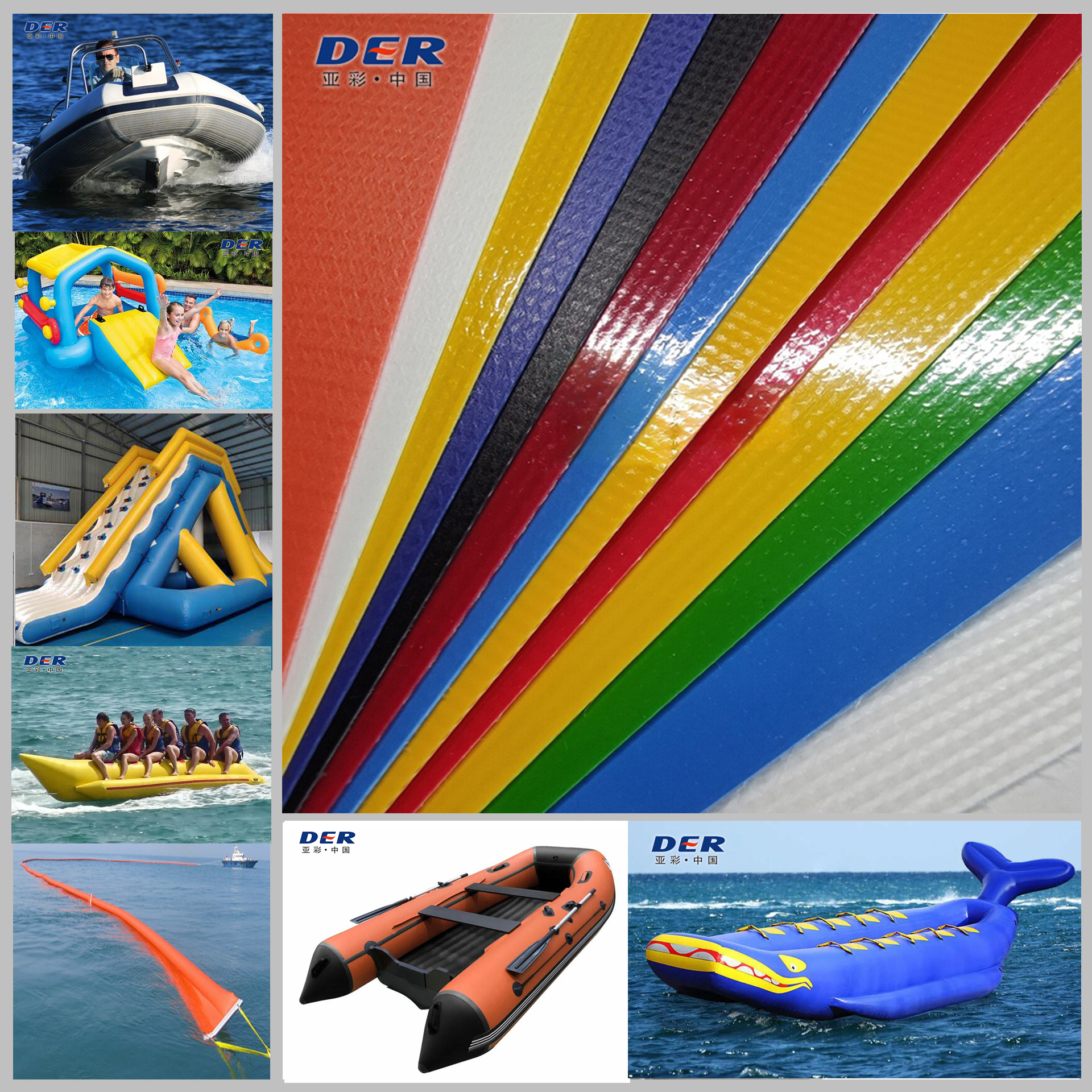
These images use existing DERFLEX-hosted product assets. The application collage is shown as an inflatable-boat use reference; not every material pictured in that collage is TPU.

Procurement Guide

What Inflatable Boat Manufacturers Should Send for an Accurate TPU Fabric Quote

A precise RFQ reduces sample cycles and prevents suppliers from quoting materials that appear similar but behave differently in production.

Buyer Checklist

  • Boat type: packraft, kayak, dinghy, raft, RIB collar, rescue craft or component
  • Tube diameter, chamber layout and expected working pressure
  • Current fabric sample, base-textile preference or target denier
  • Single-side or double-side TPU requirement
  • Target weight / thickness and desired roll width
  • Polyether / polyester TPU preference if already specified
  • Color, surface texture and brand appearance direction
  • Welding equipment, joining route and seam concept
  • Required tests, documentation or target-market requirements
  • Sample quantity, estimated bulk demand and destination

Common Procurement Mistakes

  • Choosing by GSM alone: denier, weave, TPU chemistry, coating side and seam process may matter more.
  • Asking only for “waterproof”: boat tubes need air retention and seam integrity, not just water resistance.
  • Ignoring the welding machine: process window and seam geometry must be verified in real production.
  • Skipping wet-use validation: marine TPU should be evaluated against water exposure, storage and hydrolysis direction.
  • Using one construction everywhere: floors, tubes and high-wear patches may need different material strategies.
  • Approving a swatch only: roll and prototype testing reveal conversion issues that a hand sample cannot.
Why DERFLEX

Support the Boat Factory from Material Selection to Repeat Roll Supply

DERFLEX already supplies TPU coated fabric families for airtight, waterproof and weldable applications. For inflatable boats, the useful value is in connecting the material structure to the buyer's craft, fabrication route and repeat-order control.

Application-First Discussion

Start from the boat category, chamber geometry, pressure and use environment before selecting the roll construction.

Boat → Material

TPU Structure Options

Discuss nylon or polyester reinforcement, polyether or polyester TPU direction, and one- or two-side coating structures.

Structure Choice

Welding Trial Support

Build the material approval around the buyer's joining process instead of assuming every TPU fabric behaves the same.

Process Fit

OEM Appearance Control

Color, finish, texture, roll width and packing can be discussed for brand and manufacturing requirements.

OEM Program

Sample-First Workflow

Use material samples and representative fabrication trials before bulk specification is frozen.

Risk Reduction

Repeat-Order Logic

Define the specification and inspection points so future orders have a clearer basis for consistency and communication.

Bulk Supply
Frequently Asked Questions

TPU Inflatable Boat Fabric Questions

Direct answers to the questions most useful for boat manufacturers, material engineers and B2B procurement teams.

What material is a TPU inflatable boat made from?

Most TPU inflatable boat tubes use a reinforced textile, commonly nylon or polyester, combined with a TPU coating or lamination. The reinforcement carries structural load while TPU provides the waterproof, airtight and thermally weldable surface.

Is TPU suitable for inflatable boats?

Yes, TPU can be suitable for packrafts, inflatable kayaks, dinghies, rafts, RIB collars and rescue craft when the correct base fabric, TPU chemistry, coating structure and welding method are selected and verified through sampling and finished-product testing.

Is TPU better than PVC for inflatable boats?

Not in every program. TPU is often evaluated where weight, flexible folding, low-temperature behavior, strong thermal welding or a PVC-free positioning are important. PVC remains a practical option for many robust, cost-controlled volume boat programs. The better choice depends on craft type, process, budget and service environment.

What is the difference between polyether TPU and polyester TPU for boats?

Polyether TPU is commonly discussed for wet and hydrolysis-sensitive environments, which can be relevant in marine use. Polyester TPU can be considered where abrasion or other mechanical priorities dominate. Final chemistry should be selected against the real water exposure, temperature, abrasion and fabrication requirements.

Should inflatable boat fabric be coated on one side or both sides?

Some lightweight structures may use one functional TPU side. Double-side TPU is often considered for demanding airtight products because both surfaces can support sealing, patches, reinforcement welding and more flexible chamber construction.

Can TPU boat fabric be RF or hot-air welded?

Selected TPU coated fabrics can be evaluated for HF / RF welding, hot-air welding and heat sealing. The correct parameters depend on the TPU grade, coating thickness, textile reinforcement, seam overlap and equipment setup, so trial welding is recommended before bulk production.

What denier should I choose for a TPU inflatable boat?

There is no universal denier. DERFLEX discusses directions such as 420D, 840D, 1000D and 1680D, but the appropriate construction depends on tube diameter, pressure, boat weight target, abrasion exposure, folding requirements and whether the floor or wear zones use separate reinforcement.

What information is needed to request a TPU boat fabric sample?

Provide the boat type, chamber size or tube diameter, expected pressure, base fabric preference, coating side, target weight or thickness, width, color, welding method, required tests, sample quantity and expected bulk demand. A current fabric swatch or technical datasheet is also useful when available.

Build the TPU Boat Fabric Around Your Finished Craft

Send DERFLEX the boat type, chamber layout, pressure target, base-textile direction, TPU structure, roll width, color, welding method, testing needs and order plan. The material team can review a practical sample direction for OEM boat production.

Consulting Services
+86-021-54361792 / 54361798
Email
sales@derflex.com