01 / TOP
Circular top panel
Flat, slightly domed or pitched to a planned fall. A roof cap and its seam position must help shed water instead of turning the cover into a basin.



Custom-fit protective covers for round vessels, barrels, vertical tanks and cylindrical machinery—built around the actual diameter, height, weather exposure and access requirements, not a generic flat tarp.
DERFLEX supplies PVC coated polyester materials, custom cut panels and project-specific fabricated covers with options for welded seams, reinforced edges, straps, zippers, inspection openings and OEM identification.
A cylinder tarp cover is a shaped protective textile enclosure for a round or cylindrical object. Rather than draping a rectangular sheet, it follows a defined circular top and vertical or curved sidewall. Its job is to help shield the exterior of tanks, drums or idle equipment from rain, dust, UV exposure and dirt while allowing the planned access and safe ventilation that the application requires.
For weather-exposed industrial storage, waterproof PVC coated polyester is a practical starting material. The finished assembly, however, must be engineered for drainage, mechanical loads, seam placement and the equipment beneath it. For broader machinery shapes, see DERFLEX equipment tarp solutions.
On a round vessel, failures frequently start where a flat cover wrinkles, pools water, rubs on a nozzle or pulls against a fixing point. A fitted pattern solves a different problem from a general-purpose sheet.
Flat, slightly domed or pitched to a planned fall. A roof cap and its seam position must help shed water instead of turning the cover into a basin.
A circumferential wrap or segmented side panels follow the tank diameter. Tapered forms, support legs and protrusions require additional measurements.
Webbing, adjustable straps, shock cord, grommets or buckles help limit uplift and movement. Anchoring is designed around wind exposure and equipment restrictions.
Measure the asset, not the old cover: note any nozzles, handles, hatches and clearance needed for installation.
Record the outside diameter (D) at the widest covered point, the covered height (H), and all protrusions. A fitted cover has a circular cap plus a skirt; any tapered or irregular equipment requires a drawing rather than a simple cylinder formula.
For repeated installation, discuss a controlled clearance rather than an overly tight pattern. Access flaps and vents must not direct runoff inside the cover.
For preliminary discussion only. Cut width also needs the selected side-seam / overlap construction; the top cap needs its own seam allowance. Not a final cutting specification.
The protected asset and its operating condition determine whether the main risk is UV, weathering, contamination, abrasion, handling or access.
Fitted tops, side skirts and planned runoff for stationary equipment. Check vent stacks, inspection covers, ground clearance and wind restraint before fabrication.
Removable barrel dust and weather covers for suitable stored goods. Where hazardous materials are present, visibility, labeling, ventilation and site safety rules take priority.
Protect idle cylindrical components, housings and service equipment with planned zip access, abrasion pads and shape-specific cutouts.
Repeatable diameters, heights, label positions, color references and packing formats for distributors, equipment builders and spare-parts programs.
These are configurable sourcing directions, not a single certified stock SKU. Final weight, strength, service temperature, finishes, joining method and compliance must be agreed against the equipment and approved sample.
| Specification | Available project direction | Buying consideration |
|---|---|---|
| Material | PVC coated polyester tarpaulin; selected laminated or specialist coated fabrics on review | Protective outer cover—not a pressure or liquid containment membrane. |
| Suggested weight discussion | Approx. 450–900gsm PVC tarp families, with heavier structures reviewable | Choose by wind, handling, size and abrasion; do not buy by GSM alone. |
| Base reinforcement | Woven polyester scrim; construction selected to required mechanical duty | Confirm tensile/tear targets and how loads enter the hem. |
| Shape & dimensions | Round flat cap, pitched cap, side skirt, half-cover, split / access panel, tailored protrusion details | Supply finished dimensions and a sketch of fittings. |
| Seams & joints | Hot-air or high-frequency welding where appropriate; sewing or hybrid assembly on review | Check water paths, weld overlap, corners and access openings. |
| Fastening | Webbing, adjustable straps, buckles, eyelets, D-rings, shock cord or drawcord options | Specify tie-down points and whether attachment to the vessel is allowed. |
| Surface & weather | UV-stabilized, cold-flex, anti-mildew and easy-clean directions on request | State climate, anticipated outdoor exposure and handling cycles. |
| Special functions | Flame-retardant or anti-static options subject to project validation | Name the required test method; do not infer compliance from a product label. |
| Supply format | Coated fabric rolls, pre-cut panels, finished covers, OEM labeling / packaging | MOQ, sample availability and schedule depend on the agreed design. |
For underlying material construction and test discussions, review DERFLEX PVC coated polyester fabric. The specifications above are selection guidance, not verified performance values for a particular cylinder cover.
Cylinders have curved surfaces but often complex service areas: manways, drains, gauges, pipe stubs, ladders or lifting points. Identifying these on the first drawing reduces field trimming and uncontrolled openings.
For custom sizes and finished attachment details, see DERFLEX made-to-order tarpaulin options.
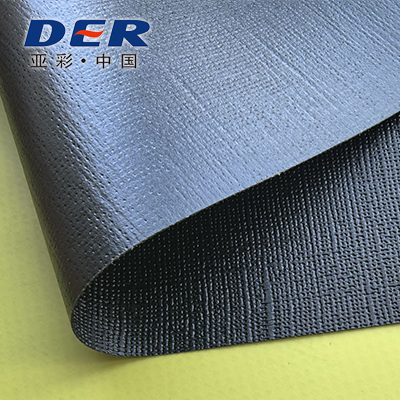
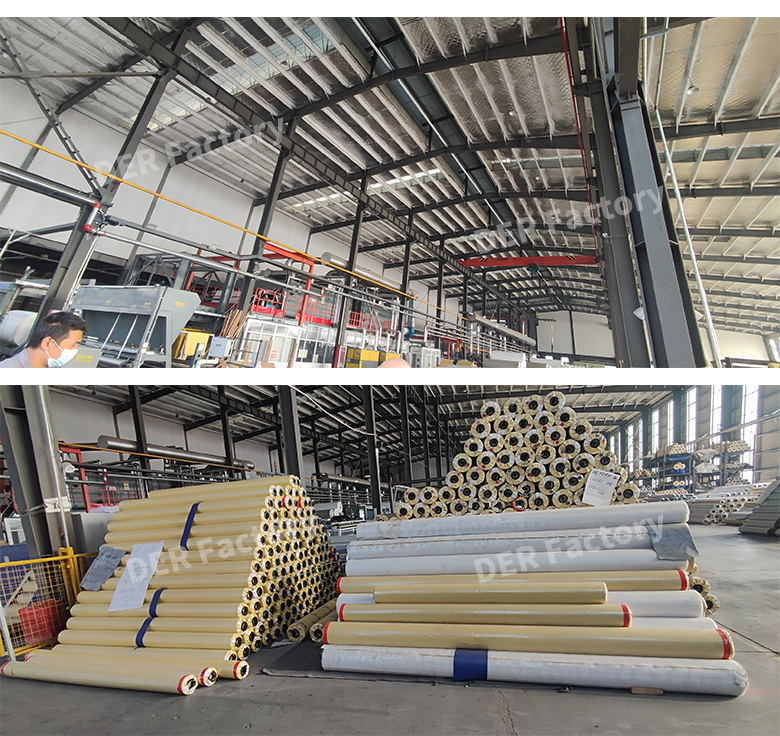
Verified DERFLEX website photos show the coated materials and manufacturing foundation behind custom cover development. Final fitted-cover photography should be added after a sample is produced and approved.
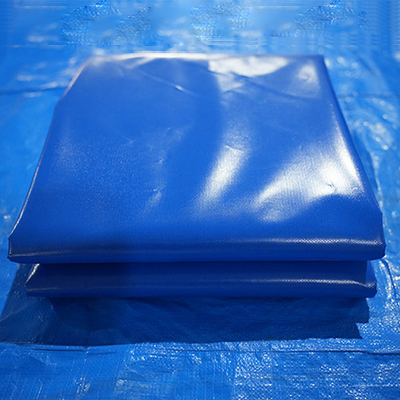
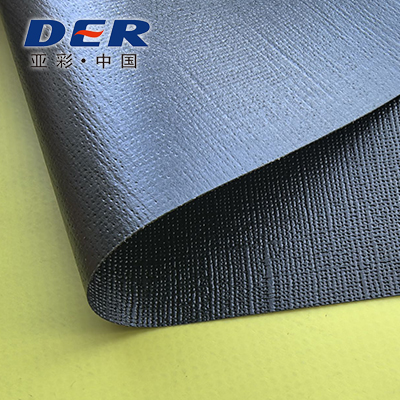
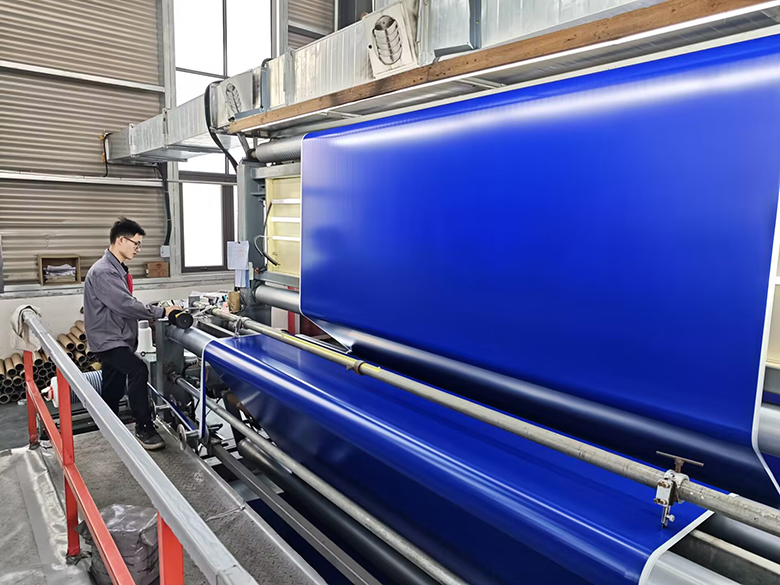
A tarp cover is an environmental shield, not a substitute for machine guarding, insulation, spill containment or a pressure system. Cover specifications must respect the operating manual and facility safety procedures.
Waterproof does not mean vapor-free. Account for ambient humidity, temperature cycling, trapped moisture and safe air exchange, especially around electrical equipment.
Do not obstruct hot surfaces, moving equipment, safety signage, gauges, emergency shutoffs or required access. Confirm suitability before covering operating equipment.
Do not enclose pressurized gas cylinders or hazardous storage in a way that traps gas, obscures labels or restricts valves and ventilation. Follow applicable site and supplier rules.
The right cover balances fabric, seams and restraint. Use this matrix as a conversation starter rather than an unconditional performance claim.
| Working environment | Initial cover direction | Verify before order |
|---|---|---|
| Indoor storage / dust | Removable fitted cap and skirt; manageable-weight PVC fabric or other suitable textile | Access frequency, residue, cleaning routine, static sensitivity. |
| Outdoor tank storage | UV-oriented PVC coated polyester, planned runoff and reinforced base retention | Wind exposure, top pitch, vents and attachment approval. |
| Repeated barrel handling | Flexible fitted shell with quick-release split and wear protection | Forklift contact, lifting points, fit tolerance and operator clearance. |
| Rough industrial yard | Heavier / abrasion-oriented coated fabric, wear patches and reinforced tie-downs | Sharp edges, dragging, ground clearance, tie-down force. |
| Hot, chemical or hazardous exposure | Specialty material assessment rather than default PVC tarp selection | Fluid SDS, temperature, fire / electrical rules and validated material testing. |
For custom industrial cylinder covers, the quality of the drawing matters as much as the requested square meters. Send the following with your first inquiry.
Nominal capacity does not define the exterior diameter, rim, handles or covered height. Measure the actual asset.
A flat cap can collect water if the geometry sags. Specify runoff before choosing fabric weight.
Gauges, pipework and brackets can tear a fitted wrap or leave a permanent open seam.
Waterproof fabric cannot compensate for a low-point zipper, open seam or pooling detail.
Attachment systems must not load fragile fittings or interfere with tank safety features.
Material, cutting geometry, reinforcement, fabrication and approved sample all affect repeat-order consistency.
DERFLEX supplies PVC coated polyester and industrial tarpaulin materials for fabricators, project contractors and OEM buyers. This page focuses on the steps that matter specifically to cylindrical designs: geometry review, fabric suitability, seam plan, mounting strategy and reference-sample approval.
For a broader catalog of waterproof PVC cover materials, see DERFLEX PVC tarp material and cover options.
Direct answers for distributors, equipment manufacturers and industrial procurement teams.
PVC coated polyester is commonly considered for durable waterproof outdoor covers because it combines a coated weather-facing surface with textile reinforcement and fabrication flexibility. Select the actual construction according to wind, handling, UV exposure, contact surfaces and applicable safety requirements.
For a simple vertical cylinder, the side circumference is π multiplied by outside diameter. Add fit clearance, joining allowance and hems according to the selected pattern. A circular top uses the effective diameter plus its seam allowance. Tapers, nozzles and domed tops need a shaped drawing rather than the basic formula.
Yes. Zips, flaps, webbing and buckled split panels can be discussed for inspection and removal. Position openings to reduce runoff intrusion and ensure they do not obstruct valves, gauges or emergency access.
A round tarp is generally a flat circular sheet used over an opening or load. A fitted cylindrical cover has a separate top geometry and surrounding skirt matched to the object's diameter, height and attachments. The latter usually needs a more specific drawing.
Only after the facility's safety and material requirements have been evaluated. A generic PVC weather cover must not block a valve, hide required labeling, trap leaked gas, restrict cooling or interfere with ventilation. It is not a containment liner and should not be used as a safety-critical enclosure without approval.
DERFLEX supports custom industrial tarpaulin materials and OEM-related options such as color, labels, printing, reinforced edges and packaging. Feasibility for a particular finished-cylinder design, order volume and accessory specification is confirmed during quotation and sampling.
Use a project-appropriate combination of hem reinforcement, straps, webbing, elastic cord or other attachments. Confirm local wind exposure and allowable anchor points. Avoid fastening to delicate piping, lifting eyes or safety equipment unless the equipment manufacturer permits it.
Send exterior diameter, covered height, drawing or photos, quantity, target material and weight, environment, required top profile, access points, fasteners, colors, packing and destination. If performance testing or compliance is required, state the test method and acceptance criteria.
Explore the associated product categories used to specify industrial weather protection and custom tarpaulin fabrication.
When oil or cleaning fluids contact the cover, assess the exact substance and exposure duration; see oil-resistant industrial tarp guidance. These six linked topic categories are separate from the Request a Quote action.
Send the diameter, covered height, site exposure, photos and preferred fastening style. DERFLEX can review material direction, custom fabrication options and a project quotation.
Application suitability, flame retardancy, chemical compatibility, finished dimensions, manufacturing scope, costs and lead times must be confirmed in the approved specification. Diagrams and sizing tool are illustrative, not fabrication drawings.