Solution-dyed acrylic
Color is incorporated into the fiber; a woven fabric commonly used for awnings. Weather performance still depends on finishing and the product tested.



 OUTDOOR MATERIALS / CANOPY SOLUTIONS
Request a Quote
Color-stable, comfortable shade begins with the right textile construction—not just the right color.
An acrylic fabric canopy is typically a sunshade cover made with woven acrylic awning cloth, often solution-dyed for lasting color. It suits retractable awnings, storefront shades and leisure canopies where a textile appearance matters. Buyers should distinguish this material from acrylic-coated canvas and PVC-coated polyester: their rain resistance, breathability and fabrication methods differ. DERFLEX can review your target construction, application and available material options before quotation.

The term acrylic fabric canopy should describe a canopy cover made with acrylic-fiber textile, not simply any outdoor fabric carrying an acrylic finish. For premium retractable awnings and patio shades, woven solution-dyed acrylic is often chosen because its pigmented fibers offer strong color retention and a soft, matte canvas character. Finishing can improve water and dirt repellency while preserving the look and feel of woven cloth.
That definition matters to commercial buyers. An “acrylic canopy” offer might refer to 100% acrylic yarn, an acrylic surface coating on a different base cloth, or a polyester-based waterproof membrane with an acrylic topcoat. The three products can look similar in photographs yet require different purchase specifications, seams and installation details.
For a retractable patio awning with a premium textile appearance, start with a verified solution-dyed acrylic construction. For a fixed roof where reliable rain exclusion and welded seams take priority, compare waterproof PVC-coated polyester. Require the precise fiber composition and test data before treating either material as equivalent.
Color is incorporated into the fiber; a woven fabric commonly used for awnings. Weather performance still depends on finishing and the product tested.
An acrylic topcoat applied to a separate base fabric. Its backing may be cotton blend, polyester or another textile—not automatically acrylic yarn.
A coated technical textile for waterproof roofs and weldable covers. It differs in feel, permeability, fold behavior and manufacturing requirements.
Choose from operating conditions before comparing price. Canopy materials perform very differently under strong sunlight, repeated rolling, rainfall and frame tension.
| Fabric family | Typical advantage | Water behavior | Buyer watchpoint |
|---|---|---|---|
| Woven solution-dyed acrylic | Premium woven appearance, color retention, breathable construction | Usually repellent with suitable finish and drainage; not inherently a waterproof sheet | Specify tested water column, colorfastness, weave and seam method |
| Acrylic-coated canvas / polycotton | Coated finish on a textile base, with product-specific handling and appearance | Depends on coating, seams and wear | Confirm base fiber; do not confuse an acrylic coating with acrylic fiber |
| PVC-coated polyester | Waterproof-coated surface, strength options, heat-weldable constructions | Can block water through intact fabric; seams and drainage still govern the canopy | Check welding method, flex endurance, surface finish and structure |
| Open shade mesh | Airflow and glare reduction for ventilated shade | Normally allows rain through | Check openness, tested shade factor and system load requirements |
These are material-family comparisons, not universal performance certificates. A canopy frame, anchors, slope and water run-off are separate engineering decisions. For waterproof alternatives, see DERFLEX PVC fabric for awnings and canopy roofing fabric.
Marketing terms such as “UV-resistant” or “waterproof” do not replace an agreed test method and sample. For an order that must match an awning mechanism or a national market, build the approval around these questions.
Confirm fiber dyeing method, target color, lightfastness test and actual exposure environment. Dark and light shades can differ in solar heat absorption.
Ask for an appropriate water-repellency or hydrostatic test. A fabric passing a test does not mean water cannot enter via needle holes, joins or a poorly sloped roof.
Retractable systems repeat the same folds. Confirm rolling direction, expected cycle conditions, shrinkage or elongation data and compatibility with the frame.
Agree how panels will be sewn, reinforced and retained: keder/bead, hems, pockets or other fitting details as suitable to the fabric and design.
Request cleaning instructions, relevant local fire-test documents if needed, and any substance-compliance evidence relevant to the exact ordered construction.

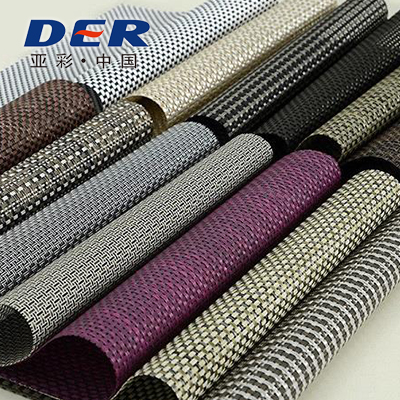
Different canopy systems ask for different balances of texture, operation, drainage and weather protection. Use the application—not a generic “outdoor grade” label—to lead selection.
Woven acrylic is a natural candidate where comfortable shade, flexible handling and a refined exterior appearance matter. Check arm geometry, roll tension, seam direction and wind-retraction instructions.
Color consistency and cleaning are central to a brand-facing canopy. Check whether local commercial regulations call for specific fire performance, not just general claims.
Prioritize finish durability, stain management and seasonal maintenance. Confirm that the canopy is designed to drain rain instead of holding water above seating.
Provide the existing panel, a paper pattern or an approved drawing. Account for seam allowances and attachment hardware before cutting. A replacement cover is not the same as a complete operating system.
For broader shade-cloth options, explore shade canvas fabric, awning fabric material and awning roll supply. For larger fixed-span structures, the appropriate construction may instead be architectural canopy membrane fabric.
This selection matrix turns application needs into a sourcing request. It intentionally avoids inventing a universal GSM, fire rating or fixed canopy wind classification.
| Project brief | Material direction to evaluate | Evidence to request | System condition |
|---|---|---|---|
| Sunny, retractable patio canopy | Solution-dyed acrylic or verified folding-grade coated fabric | Fiber composition, colorfastness, folding and dimensional stability | Retraction guidance and arm compatibility |
| Exposed restaurant entrance with frequent rain | Weldable waterproof coated polyester or a tested high-water-resistance construction | Hydrostatic test, welded/sewn seam detail, local FR documents | Slope, drainage and gutter plan |
| Design-led striped storefront canopy | Color-stable awning textile approved from physical swatches | Color code, stripe repeat, width and batch matching | Pattern alignment at seam locations |
| Large fixed shade structure | Engineering-specified coated architectural membrane | Direction-specific tensile and tear results, project test package | Independent frame, attachment and loading design |
A useful quote separates fabric selection, panel making and system supply. DERFLEX's established coated-textile and awning-material activity provides a starting point for a specification discussion; confirm any genuine solution-dyed acrylic construction and available conversion services for your order.
Construction and fiber content, fabric utilization, width and stripe matching, coating or finish, roll quantity, extra cutting or sewing, packaging and any project-specific tests. The price for a waterproof PVC membrane should not be used as a stand-in for a woven acrylic textile.
Send Your RFQ Quote scope, samples, minimum order and timing are confirmed for each request.For marine shade and bimini-top applications, compare the exposure checklist in the DERFLEX Bimini top fabric guide. For an acrylic coating on duck fabric, see the separate acrylic-coated awning fabric reference; its composition must not be mistaken for 100% acrylic fiber.
Confirm adequate slope and tension with the system designer. Water ponding can overload a cover even where the fabric surface is highly water-repellent. A seam, zipper, stitch hole or badly drained corner may leak before the main fabric does.
Woven acrylic panels are generally sewn or joined with methods approved for that particular fabric. PVC-coated polyester may be suitable for heat welding. Do not transfer an industrial PVC welding setting to acrylic fiber material without a material-specific trial.
Remove loose debris before washing, use cleaning instructions approved for the ordered finish, rinse thoroughly and dry before storage. Avoid harsh chemicals unless the exact textile manufacturer allows them; some after-treatments may need renewal over service life.
Fabric durability, ultraviolet resistance and tensile figures do not certify the whole awning against wind, rain ponding or building-code loads. Anchorage, geometry, arms and installation must be evaluated as a complete system.
Send DERFLEX your material preference, canopy drawing and operating conditions. Discuss available acrylic-direction materials, acrylic-coated fabric or tested PVC canopy alternatives without confusing their specifications.
Roll supply · OEM discussions · Project-defined material review
Practical answers for international awning-material buyers and fabrication workshops.
Most conventional woven, solution-dyed acrylic awning fabrics are water-repellent rather than inherently waterproof. Finish, fabric pitch, seam design and maintenance determine rain performance. For frequent heavy rain or standing water, evaluate a tested waterproof coated construction instead.
Solution-dyed acrylic describes the fiber itself: the pigment is added during fiber manufacture. Acrylic-coated fabric describes a surface coating applied to a base textile, which may be polyester or a cotton blend. Ask for a written fiber composition and coating construction before ordering.
Yes, many woven acrylic awning textiles are designed for folding-arm and retractable applications. The specific fabric must be checked for fold behaviour, dimensional stability, roll width, seam construction and compatibility with the frame and operating cycle.
A tested PVC-coated polyester membrane is often the more direct choice for continuous rain protection and welded joints. Woven acrylic can be preferable for a softer, breathable textile appearance when water repellency and adequate drainage meet the brief. Neither choice determines the wind or structural rating of the whole canopy.
This page focuses on fabric-material selection and B2B sourcing discussions. Roll goods, cut-panel or OEM processing feasibility can be reviewed against drawings; frame engineering, hardware, installation and a complete canopy system are not included unless separately confirmed in a written quotation.
Send the canopy type, dimensions or drawings, intended climate, required fiber composition, preferred colors or stripes, water-resistance target, roll width, sewing or welding plan, quantity and delivery market. Ask for a representative sample and supporting specification before bulk approval.