News
Company News

Best Tarps to Buy: 6 Types Compared by Use | DERFLEX

Update:2026/11/8 17:48:55 Views:
DERFLEX logoIndustrial textile solutions · Tarp buyer intelligence
Independent application-first selection guide

What Are the Best Tarps to Buy?

The best tarp to buy depends on what you need to protect, how long it must last, and how often it will be handled. Compare solid PVC vinyl, poly, canvas, mesh and clear covers before paying for unnecessary weight—or choosing a tarp that fails too early.

Quick answer: For reusable, heavy-duty waterproof protection, choose a reinforced PVC-coated polyester (vinyl) tarp. For inexpensive temporary coverage, choose woven polyethylene (poly). Choose canvas for selected breathable covers, mesh for airflow and shade, and clear PVC where visibility is required. The finished cover—including seams, hems and fastening points—matters as much as its material.
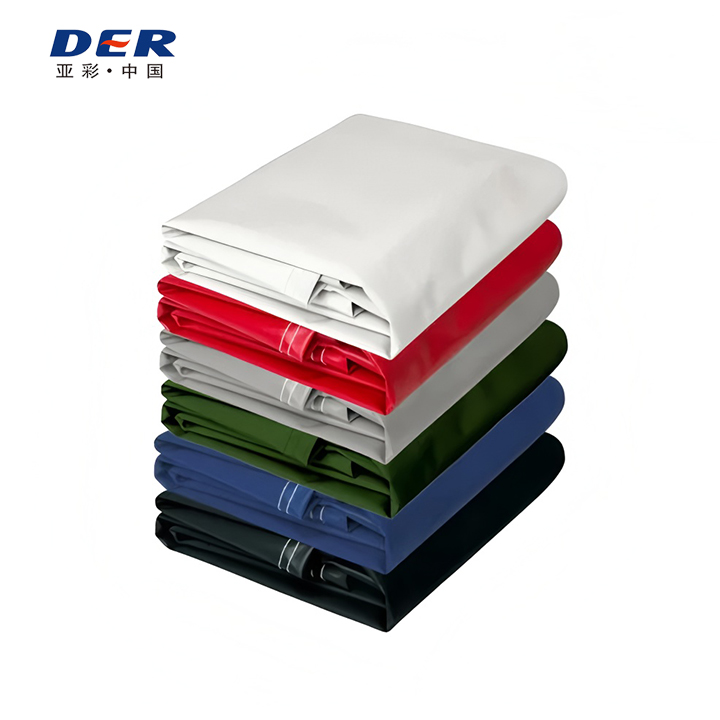
Stacked DERFLEX heavy duty waterproof tarp samples in several colors
DERFLEX finished tarp reference: compare material and reinforcement before ordering.
Best picks by job

Six practical tarp recommendations

These are material-category recommendations, not a laboratory ranking of retail brands or individual SKUs. Match the candidate grade to exposure, fabrication and real operating loads.

Selection 01

Best overall for repeated industrial use

PVC-coated polyester — A strong starting choice for machinery, construction, storage and reusable cargo covers.

Check before purchase: Choose fabric construction and welded/sewn finish together; inspect corners, UV requirements and handling weight.

Selection 02

Best budget temporary cover

Woven PE / poly tarp — Lightweight and cost-conscious for brief weather protection, household work and seasonal projects.

Check before purchase: Compare lamination, hem reinforcement, grommet spacing and realistic exposure time.

Selection 03

Best for flatbed trucks

Reinforced PVC truck tarp — Durable coated textile with engineered D-rings, edge webbing and cargo-specific drape.

Check before purchase: Provide load geometry, tie-down layout and abrasion protection; a fabric alone is not load securement.

Selection 04

Best for dump trucks and shade

PVC-coated mesh tarp — Airflow and lower wind pressure for debris containment, fencing and shade.

Check before purchase: Mesh openings do not block rain or fine dust; check mesh size and system hardware.

Selection 05

Best when breathability matters

Treated canvas tarp — A textile option for some equipment and storage situations where moisture escape matters.

Check before purchase: Treatment changes water resistance; check shrinkage, mildew, drying and maintenance.

Selection 06

Best for visibility

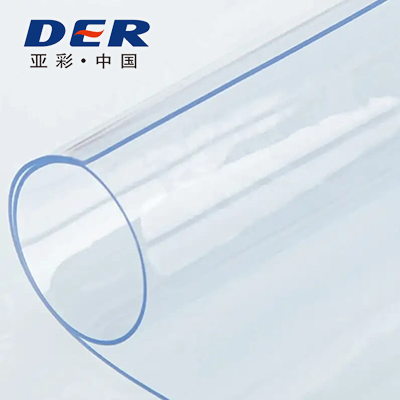
Clear PVC cover material — Useful for transparent enclosures, viewing panels and daylight-dependent work areas.

Check before purchase: Check clarity, yellowing, cold flexibility and whether local ventilation is needed.

Side-by-side decision

PVC vs poly vs canvas vs mesh: which tarp is worth buying?

Use the comparison below to separate short-term affordability from life-cycle value. A low purchase price can be economical for a one-off job; repeated replacement, labor and cargo damage may make an engineered cover more economical over time.

Tarp typeBest useWater protectionHandling / serviceMain buying risk
PVC-coated polyester / vinylReusable truck, industrial and outdoor coversWaterproof coated fabric; seam design requiredDurable and weldable, usually heavierUnder-specified base scrim or weak hardware
PE woven polyBudget or temporary protectionTypically waterproof intact laminateLightweight and easy to handleUV aging, flutter, grommet tearing
Treated canvasSelected breathable equipment/storage coversDepends on treatment; not automatically waterproofTextile feel; drying and care neededMoisture absorption, shrinkage, mildew
Coated meshDump truck debris, shade, screened areasNot a sealed rain barrierAir-permeable, reduced wind pressureWrong mesh opening or perimeter strength
Clear PVCVisibility panels and weather enclosuresSheet can block rain; joins determine system sealTransparent, requires care against scratchesYellowing, cold brittleness, condensation

Comparison reflects material-family behavior. Properties and supply availability vary by verified grade; obtain a matching technical data sheet and sample.

Real DERFLEX visuals

See tarp materials and finished-cover formats

Actual DERFLEX-hosted product references help buyers recognize roll material, finished tarp formats and transparent cover options. They do not constitute performance test results.

How to specify

What makes a good tarp worth the money?

1. Match exposure and service cycle

List expected rain, sun, cold, wind and surface contact. A cover for one storm should not be specified like a tarp folded and tensioned daily on a commercial truck. For long exposure, ask how the proposed grade addresses UV ageing, coating adhesion, flexibility and abrasion.

2. Understand GSM, ounces and mils

GSM expresses mass per square metre; oz/yd² also expresses weight per area; mil indicates thickness in thousandths of an inch. These values are not interchangeable. A heavier sheet is not automatically stronger: woven yarn denier, density, coating quality and tear properties remain critical.

3. Examine the complete load path

Corner patches, welded seams, webbing, rope hems, D-rings and grommets often determine real service life. Sharp cargo edges and repeated flapping can destroy a well-coated sheet if the cover geometry is wrong.

4. Check waterproofing as an assembly

Fabric waterproofing alone does not guarantee a watertight cover. Inspect stitch penetrations, overlap direction, weld quality, drainage, openings and fastening locations. Sloped installations and adequate runoff avoid pooling and unnecessary tension.

5. Compare total cost, not just price

For recurring work, calculate purchase cost plus replacement frequency, fitting labor, downtime and avoidable loss. A budget poly tarp can be correct for temporary use; a custom PVC tarp can be more appropriate for an industrial program with repeat handling.

6. Verify evidence—not marketing adjectives

Request grade-specific tear and tensile figures, dimensional tolerances, weathering results and any applicable flame-retardant report. A declaration such as “heavy duty,” “UV resistant” or “fire retardant” is not a universal performance guarantee.

Buy by application

Which tarp should you buy for your particular project?

Truck & trailer fleets

Start with reinforced PVC-coated polyester for repeated road use, then define cargo-specific drops, tie-down points, abrasion zones and driver handling weight. Solid covers block rain; mesh covers favor airflow and debris control. Check local cargo securement requirements separately.

See truck tarp construction options.

Construction & roof protection

Short-term emergency work can favor light PE for rapid deployment. Reusable site enclosures and demanding applications may justify welded PVC. Fastening, wind exposure, roof slope, runoff and safe professional installation determine the outcome.

See construction tarps and roof tarps.

Outdoor machinery & storage

Choose durable waterproof PVC for exposed storage, with protected contact points and a plan for ventilation where condensation matters. Add reinforced corners and a secure tie-down method rather than stretching a generic stock cover.

See storage tarps.

Waste hauling & debris containment

Mesh supports airflow and debris retention when the opening size is appropriate. A solid coated sheet can provide more rain shielding, but may increase wind loading. Align the fabric with the roll-off or dump system interface.

See roll-off truck tarps.

DERFLEX B2B supply

Buying from a manufacturer vs buying a retail tarp

Retail tarps are often the fastest route for single, standard-sized covers. A manufacturer-led specification becomes more useful for importers, distributors, fabricators, contractors and OEM buyers who need repeatable materials, custom dimensions, consistent finishing and documented approval.

Buying considerationOff-the-shelf retail optionManufacturer / OEM specification
QuantityIndividual pieces and stock packsBulk rolls, cut panels and finished-cover programs
DimensionsStandard listed sizesApproved drawing, tolerance, fold and drop dimensions
Hardware & finishingFixed grommet and hem arrangementSelected welding, webbing, D-rings, pockets and patches
DocumentationRetail product descriptionProject-specific data sheet, sample and inspection criteria
Lead timeStock-dependentManufacturing schedule and sample approval dependent

DERFLEX's existing range includes PVC-coated polyester fabric and custom tarp supply pathways. Production details, minimum order quantity, test reports, availability and price should be confirmed against the actual requested construction—not assumed from a general guide.

Before you order

A seven-point checklist for a better tarp purchase

  1. Define the job: rain barrier, UV cover, shade, debris control or breathable protection.
  2. Measure accurately: record finished size, drop, overlap, pitch and tolerances; distinguish cut size from finished size.
  3. Describe operating conditions: sun, temperature, wind, abrasion, movement and expected replacement cycle.
  4. Specify construction: material family, yarn/weave, GSM, coating, color and surface finish.
  5. Draw attachments: grommet pitch, D-rings, reinforced zones, pockets, hems and weld orientation.
  6. Request evidence: grade-matched specifications, test reports as required, photos and sample approval.
  7. Plan commercial details: quantity, destination, packing, labeling, lead time and repeat-order control.
Application note: Avoid placing a cover directly against sharp or hot surfaces; use protection and spacing as appropriate. Provide drainage and ventilation where needed. Tarps are not fall-arrest systems, rated lifting devices, engineered roofs or substitutes for required cargo restraints.
Frequently asked questions

Questions buyers ask before choosing tarps

What are the best tarps to buy for outdoor use?

For repeated outdoor coverage, a properly specified PVC-coated polyester tarp with reinforced edges and suitable UV performance is often a strong choice. For short-term and low-budget coverage, a woven polyethylene tarp may be more economical. Check wind exposure, attachment design and the actual product grade.

Are vinyl tarps better than poly tarps?

Vinyl or PVC-coated polyester tarps are often better suited to repeated industrial handling and weldable waterproof covers. Polyethylene tarps are generally lighter and less expensive for temporary protection. Neither material is universally better.

What is the best tarp for a truck?

Choose a reinforced PVC-coated polyester cover for repeated flatbed or trailer cargo protection, with the correct D-rings, hems, webbing and cargo-specific geometry. For dump truck loads requiring airflow, a properly reinforced mesh tarp may be preferable.

What is the best tarp thickness or GSM?

There is no universal best GSM or thickness. Compare material family, base-fabric tensile and tear strength, coating, weather exposure and handling. For example, industrial PVC-coated polyester is commonly specified in approximately 450–900 gsm grades, but the approved product specification controls.

Are waterproof tarps completely waterproof?

An intact coated tarp sheet may form an effective waterproof barrier, but a finished cover can leak at seams, stitching, grommets, openings, overlaps or poorly drained locations. Specify seam construction and installation as well as the fabric.

Is canvas or mesh better for covering equipment?

Choose treated canvas when breathability is important and conditions permit; choose mesh for ventilation, shade or debris control. Neither should be assumed to provide sealed rain protection. For strong rain protection, evaluate a solid coated tarp with a ventilation plan.

How do I buy custom tarps in bulk?

Send the intended use, finished dimensions and tolerances, quantity, target material and GSM, climate, attachment drawing, required tests, packaging and destination. Ask for a product-specific data sheet and an approved sample before placing a repeat order.

Request a tailored quote

Need the right tarps for a bulk or custom order?

Send your application, finished dimensions, estimated quantity, target market, climate and attachment details. DERFLEX can discuss appropriate PVC-coated materials, roll formats, reinforced finished covers and OEM production options—subject to grade and order confirmation.

Sales inquiries: sales@derflex.com · No fixed online retail ranking or unverified prices are implied.

Consulting Services
+86-021-54361792 / 54361798
Email
sales@derflex.com